
Quick Answer: Can You Use Smart Bulbs in Salt Lamps?
Using a smart bulb inside a Himalayan salt lamp is entirely possible, but it requires careful planning and an understanding of the thermal risks involved. While smart bulbs provide unmatched convenience through wireless dimming, scheduling, and automation, the enclosed and poorly ventilated cavity of a salt lamp presents a hostile environment for sensitive electronics.
No single brand—whether Philips Hue, Xiaomi, or Yeelight—is completely immune to the effects of trapped heat. Success ultimately depends on verifying the bulb’s maximum ambient operating temperature, ensuring physical clearance, and managing the thermal output of the fixture. The core trade-off centers on balancing advanced smart features against a potentially shortened lifespan for your bulb’s internal components.
The Heat Challenge: Why Salt Lamps Stress Smart Bulbs
Himalayan salt lamps are carved from dense, natural salt crystals, featuring a narrow, hollowed-out center designed to house a light source. Because salt is highly dense and lacks natural ventilation channels, the internal cavity functions essentially as an enclosed fixture. When a light bulb operates inside this space, the heat generated has nowhere to escape, causing the ambient temperature within the cavity to rise significantly.
Products mentioned in this guide
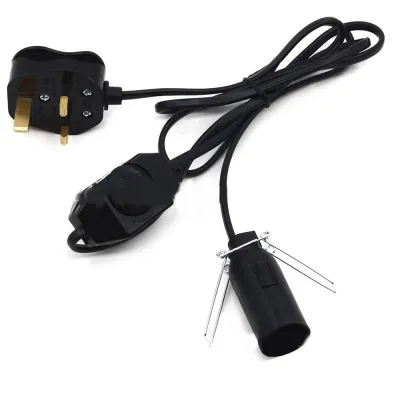
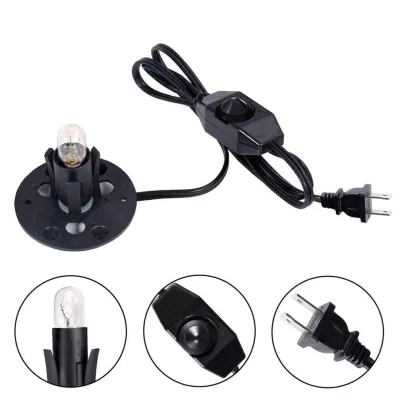
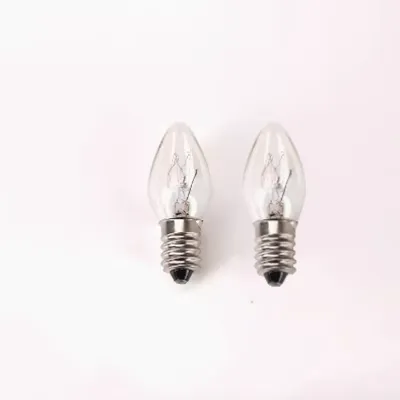
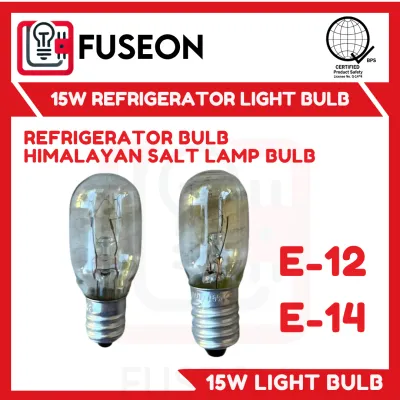
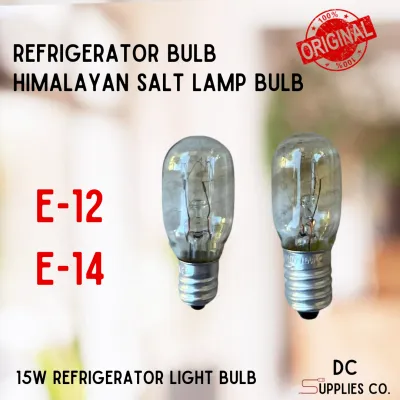
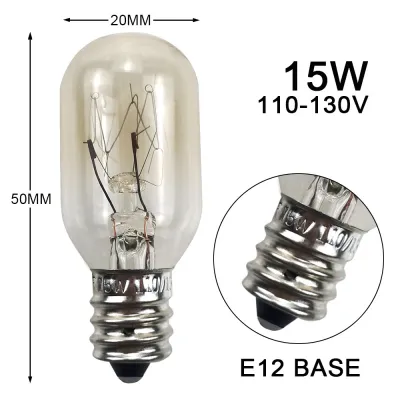
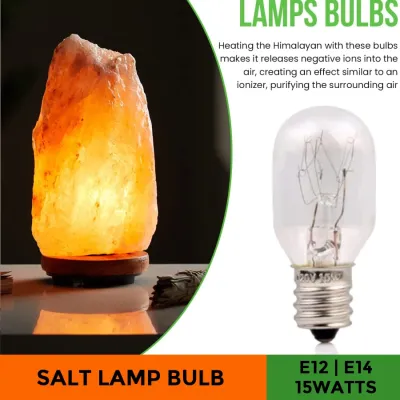
Prices are valid at publication and may change. Please refer to the product page for the latest price.

Unlike traditional incandescent bulbs, which rely on heat to function and help the salt lamp release moisture, smart bulbs are packed with complex electronic components. The base of a smart bulb houses a miniature computer, including wireless communication chips (such as Zigbee, Bluetooth, or Wi-Fi modules), voltage regulators, and capacitors. These components are highly sensitive to elevated temperatures. Continuous exposure to high heat degrades the delicate solder joints and semiconductor materials inside the driver, leading to premature component failure.
In tropical climates like the Philippines, this thermal challenge is compounded by high relative humidity. Himalayan salt is naturally hygroscopic, meaning it actively absorbs moisture from the surrounding air. When the lamp is turned off, or if the bulb does not generate enough heat to keep the salt dry, the lamp begins to “sweat,” causing liquefied salt water to pool at the base of the cavity. This combination of trapped heat and moisture creates a severe risk of electrical short circuits, corrosion of the bulb base, and rapid driver failure.
To protect your investment, you must actively monitor your setup for early signs of thermal stress. Common symptoms include the bulb frequently dropping offline in your smart home application, flickering during operation, failing to respond to dimming commands, or showing physical discoloration around the plastic base. If you observe any of these warning signs, it is critical to isolate the power and inspect the bulb immediately.
Comparing the Contenders: Philips Hue, Xiaomi, and Yeelight
When evaluating Philips Hue, Xiaomi, and Yeelight for a salt lamp setup, you must look beyond brand reputation and focus on physical specifications, thermal management, and dimming capabilities.
Philips Hue Philips Hue is widely regarded for its premium build quality and highly stable Zigbee ecosystem. Because Zigbee communication generally requires less power than Wi-Fi, Hue bulbs often generate less internal heat from their wireless chips. However, standard Philips Hue color and tunable white bulbs tend to be bulkier and heavier than traditional bulbs. Before purchasing, you must check the specific model’s packaging for its maximum ambient operating temperature and physically measure your salt lamp’s cavity. Ensure there is ample space around the bulb to prevent direct contact with the salt walls.
Xiaomi Xiaomi offers highly budget-friendly smart bulbs that integrate seamlessly into various smart home ecosystems. Most Xiaomi smart bulbs utilize Wi-Fi connectivity, which allows them to connect directly to your router without a dedicated hub. The trade-off is that Wi-Fi modules typically draw more power and generate more internal heat than Zigbee alternatives. When considering a Xiaomi bulb, verify the exact wattage and inspect the heat dissipation housing. Lower-cost drivers may have stricter thermal limits, making them more vulnerable to failure in enclosed, unventilated spaces.
Yeelight Yeelight provides a versatile middle ground, offering a wide range of smart lighting products, including unique filament-style smart bulbs. Filament smart bulbs often feature lower overall wattages and simpler driver configurations, which naturally generate less heat than high-lumen, multi-color LED models. If you choose Yeelight, look specifically for their low-wattage or decorative filament variants. Always verify the physical dimensions and ensure the rated voltage matches your local electrical supply before installation.
Dimming Performance Achieving the perfect, soothing amber glow from a Himalayan salt lamp requires exceptional low-end dimming performance. Philips Hue excels in this category, offering smooth, flicker-free dimming down to very low percentages. Xiaomi and Yeelight bulbs also offer dimming capabilities, but some models may experience minor flickering or abrupt shut-offs when set below 10% brightness. Reviewing the manufacturer’s dimming specifications or user manuals can help you identify which bulb maintains a stable, low-light output without putting extra stress on the driver.
Fixture Compatibility and Physical Clearance
Before installing any smart bulb, you must perform a thorough physical and electrical compatibility check to ensure a safe operating environment.
Socket Type and Voltage Himalayan salt lamps often utilize smaller socket sizes, such as E14 or candelabra bases, whereas most standard smart bulbs are designed for larger E27 or E26 sockets. You must confirm that your salt lamp’s socket matches the smart bulb’s base interface. Avoid using cheap socket adapters, as they can add height, reduce physical clearance, and introduce additional electrical resistance. Furthermore, always verify that the smart bulb is rated for the local 220V electrical grid and carries appropriate safety certifications, such as the PS mark or ICC sticker.
Physical Dimensions Smart bulbs are inherently larger than standard incandescent bulbs because of the space required for the internal driver. Carefully measure the depth and diameter of the salt rock’s internal cavity. The bulb must sit completely free within the chamber; it should never touch the salt walls. Direct contact not only accelerates heat transfer to the bulb’s electronics but also exposes the bulb housing to corrosive salt moisture when the lamp sweats.
Weight and Stress The added electronics and heat sinks make smart bulbs significantly heavier than traditional options. Check that your salt lamp’s socket assembly, cord grip, and base are sturdy enough to support this extra weight. A heavy bulb can cause the socket to tilt, bringing the hot bulb into direct contact with the salt rock or putting dangerous tension on the electrical wiring.
How to Protect Your Smart Bulb and Extend Its Lifespan
To mitigate heat buildup and protect your smart bulb from premature failure, you can implement several practical, safety-focused adjustments.
Wattage Selection Always select the lowest wattage smart bulb available in your chosen brand’s lineup. Since salt lamps are primarily used for ambient, low-light decorative effects, you do not need a high-lumen bulb. A lower-wattage bulb naturally draws less power, generating significantly less heat inside the enclosed cavity and extending the lifespan of the internal driver.
Socket Extenders If your salt lamp has a deep cavity and space permits, consider using a high-quality, ceramic or heat-resistant socket extender. This accessory can help position the sensitive driver base of the smart bulb closer to the open bottom of the lamp, allowing heat to dissipate into the surrounding room rather than trapping it deep within the salt rock.
Airflow and Usage Place your salt lamp in a well-ventilated area of the room, away from tight corners, heavy drapes, or enclosed shelving units. To prevent heat from building up continuously, avoid leaving the lamp on indefinitely. Use your smart home automation features to schedule regular off-times, giving the internal electronics ample time to cool down completely.
When to Stop Electrical safety must always be your top priority. If you notice the bulb base feels excessively hot to the touch, if the light flickers unpredictably, or if you detect any unusual electrical odors, immediately isolate the power at the outlet and unplug the fixture. If you suspect the wiring or socket of your salt lamp has been damaged by heat or moisture, consult a qualified professional before attempting to reuse the fixture.
Decision Framework: Which Smart Bulb Fits Your Setup?
To choose the right smart bulb for your Himalayan salt lamp, match your specific setup and priorities to these condition-based guidelines:
- Choose Philips Hue if: You already utilize a Hue bridge, prioritize maximum ecosystem reliability, have a larger salt lamp cavity that can safely accommodate a bulkier bulb, and want superior low-end dimming performance.
- Choose Xiaomi if: You are looking for a budget-friendly smart integration, have verified that your lamp's cavity provides adequate physical clearance, and accept the trade-off of potentially replacing the bulb sooner due to thermal wear.
- Choose Yeelight if: You want a balanced, mid-range option and can source one of their low-wattage or smart filament models, which naturally run cooler in enclosed spaces.
- Verify First if: Your salt lamp features a very small, narrow, or deeply carved cavity. If physical clearance is minimal, a standard, non-smart dimmable LED paired with a physical inline dimmer switch is a much safer, more durable, and reliable alternative to any smart bulb.
Frequently Asked Questions (FAQ)
Do I need a color-changing smart bulb for a Himalayan salt lamp?
No, color-changing (RGB) smart bulbs are generally unnecessary for Himalayan salt lamps. The thick, natural pink and orange crystalline structure of the salt rock acts as a heavy color filter. If you project colors like blue, green, or purple through the salt, the resulting light often appears muddy, dull, or brown. To achieve the best aesthetic effect while saving on hardware costs, opt for a tunable white or a fixed warm-white smart bulb. These models allow you to adjust the color temperature to enhance the natural, warm amber glow of the salt without paying a premium for unused RGB features.
Can I use a smart plug instead of a smart bulb for my salt lamp?
Yes, using a smart plug is often a much safer and more durable alternative to placing a smart bulb inside a salt lamp. A smart plug allows you to control the lamp’s power, set automated schedules, and integrate the fixture into your smart home ecosystem without exposing sensitive wireless drivers to the high heat and moisture inside the salt cavity. The primary limitation of this setup is that a standard smart plug cannot dim the light. To adjust the brightness, your salt lamp must already be equipped with a physical, manual dimmer switch paired with a compatible, dimmable traditional bulb.
Community discussion
Share your experience or ask a question. Comments are reviewed before publication.