
Pin lights, commonly known as recessed downlights, are a staple in modern residential and commercial spaces. These compact fixtures sit flush with the ceiling, providing clean lines and targeted illumination. However, replacing a burnt-out bulb or planning a new installation requires navigating a complex set of technical specifications.
Selecting the wrong pin light can lead to physical incompatibility, poor lighting performance, or even electrical hazards. To make an informed decision, you must understand three core specifications: the pin base type, the beam angle, and the color temperature. Matching these specifications to your specific space ensures a safe, functional, and visually appealing lighting setup.
Understanding Pin Base Types and Electrical Compatibility
The physical connection between a pin light and its socket is determined by the base type. The two most common configurations in residential fixtures are GU10 and MR16 (often using a GU5.3 base). These bases are not interchangeable due to different pin shapes, spacing, and locking mechanisms.
Products mentioned in this guide
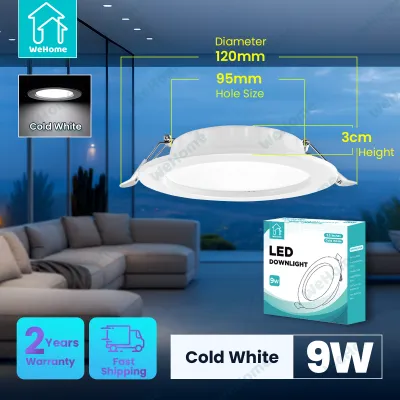
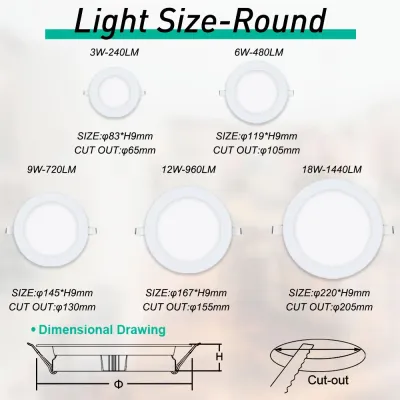
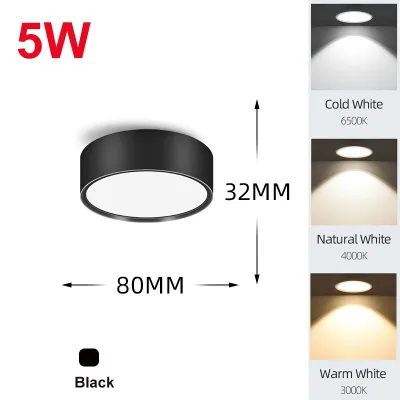
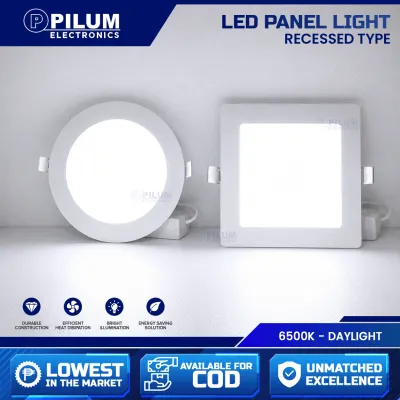
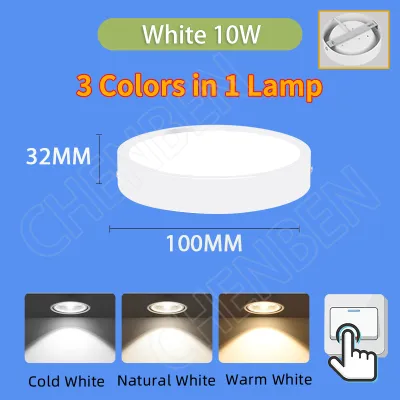
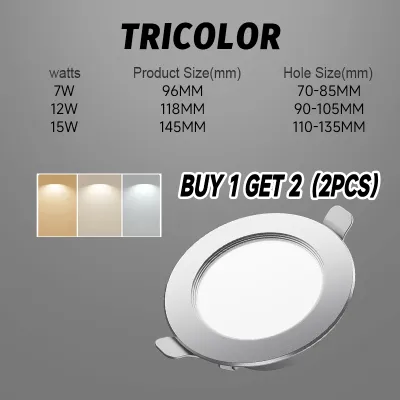
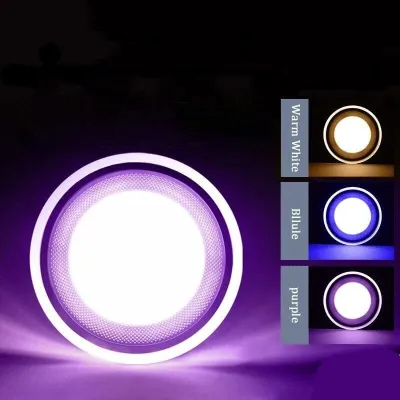
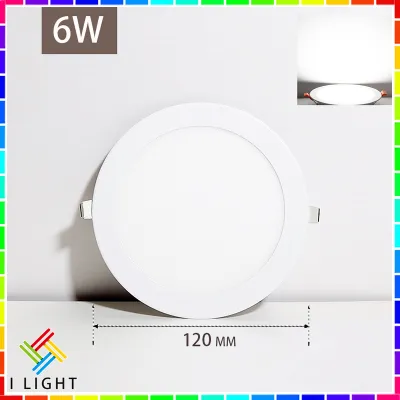
Prices are valid at publication and may change. Please refer to the product page for the latest price.
A GU10 bulb features two thick, blunt pins with a twist-and-lock design spaced 10 millimeters apart. Installation requires pushing the pins into the socket slots and twisting clockwise. These bulbs typically operate directly on 220V mains voltage, eliminating the need for an external transformer.
In contrast, an MR16 bulb with a GU5.3 base features two thin, needle-like pins spaced 5.3 millimeters apart. This design uses a simple push-fit mechanism. Most traditional MR16 fixtures operate on low-voltage 12V systems, requiring a step-down transformer to convert 220V mains power. Connecting a 12V bulb directly to a 220V circuit will destroy the bulb and create an electrical hazard.
Before purchasing, inspect the product label on your existing bulb or check the markings inside the recessed housing. Verify the voltage requirements and ensure the replacement matches the exact base type. Additionally, check the maximum wattage limit of the housing to prevent overheating, especially in warm tropical environments.
Physical clearance is also critical. Recessed housings vary in depth and diameter, so measure the internal dimensions to ensure a comfortable fit. Adequate space around the bulb is essential for heat dissipation, which directly impacts LED lifespan. For any work involving fixed wiring, high ceilings, or transformer installation, always isolate the power at the circuit breaker and consult a qualified professional.
Decoding Beam Angles for Different Lighting Tasks
The beam angle of a pin light determines how wide or narrow the light spreads. Measured in degrees, this specification dictates whether a light functions as a concentrated spotlight or a broad floodlight. Choosing the correct angle depends on the purpose of the lighting in that specific area.

Narrow beam angles, typically 15 to 36 degrees, concentrate light into a tight, intense pool. This configuration is ideal for accent lighting to highlight artwork or architectural features. It is also highly effective for task lighting over kitchen countertops or study desks where focused visibility is required.
Wide beam angles, usually 60 degrees or higher, spread light across a much larger area. This distribution softens shadows and provides even, general ambient illumination. Wide floodlights are preferred for living rooms, hallways, and bedrooms where you want to illuminate the entire space uniformly.
When evaluating beam angles, consider ceiling height and fixture spacing. High ceilings require narrower beam angles to project light effectively down to the floor without excessive dispersion. For standard ceilings, wider angles allow you to space fixtures further apart while still achieving overlapping light pools that eliminate dark corners.
Navigating Color Temperature for Ambiance and Function
Color temperature, measured in Kelvin (K), describes the visual warmth or coolness of the light. This specification does not affect physical brightness, but it profoundly influences the mood and functional clarity of a room. Selecting the right color temperature is a matter of matching the light to the room’s primary activities.
Warm white light, typically 2700K to 3000K, produces a soft, yellowish glow. This temperature is highly recommended for spaces dedicated to relaxation, such as bedrooms and living rooms. It creates an inviting, cozy atmosphere that helps the mind and body unwind after a long day.
Neutral white light, generally around 4000K, offers a clean, balanced white light without strong yellow or blue undertones. This range works exceptionally well in functional spaces like kitchens, bathrooms, and home offices, providing excellent visual clarity and keeping the environment feeling active.
Cool white or daylight, ranging from 5000K to 6500K, emits a bright, bluish-white light mimicking natural midday sun. This temperature is ideal for high-focus areas, utility rooms, and outdoor security lighting. While it maximizes visibility, it can feel clinical or harsh if used in cozy living spaces.
When planning your lighting layout, consistency is key. Ensure all pin lights within the same room or direct line of sight share the same Kelvin rating. Mixing warm and cool light sources in a single ceiling grid creates a jarring visual mismatch that disrupts the aesthetic harmony of your space.
Building Your Pin Light Selection Checklist
To simplify your purchasing decision, compile these technical specifications into a practical checklist. Verifying each point before buying saves time and prevents costly installation errors.
First, identify the physical base type required by your fixture, noting whether it is a GU10 twist-and-lock or an MR16 push-fit. Next, confirm the operating voltage of the socket, checking if it runs on 220V mains power or requires a 12V transformer. Measure the physical clearance inside the housing to ensure the bulb fits with room to breathe.
Second, determine the functional goal of the light. Select a narrow beam angle for accentuating features or a wide beam angle for general room illumination. Choose a color temperature that aligns with the room’s purpose, keeping the Kelvin ratings consistent across all adjacent fixtures.
Finally, check the product packaging or manufacturer specification sheets for official electrical certifications, such as the Philippine Standard (PS) or Import Commodity Clearance (ICC) marks. If your project involves retrofitting low-voltage transformers or installing new recessed housings, always hire a licensed electrician to ensure a safe and compliant installation.
Frequently Asked Questions (FAQ)
Can I use a GU10 pin light in an MR16 fixture?
No, GU10 and MR16 pin lights are physically and electrically incompatible. A GU10 bulb features thick, twist-and-lock pins designed to connect directly to 220V mains voltage. An MR16 bulb uses thin, needle-like pins designed for low-voltage 12V systems. Attempting to force an incompatible bulb into a fixture can damage the socket, ruin the bulb, or create a severe electrical hazard.
Does a higher wattage always mean a brighter pin light?
No, wattage measures electrical power consumption, not brightness. With modern LED technology, bulbs can produce high light output while using very little power. To compare the actual brightness of different pin lights, look at the lumen (lm) rating on the product label. A higher lumen count indicates a brighter light, regardless of the wattage consumed.
Community discussion
Share your experience or ask a question. Comments are reviewed before publication.