
Pin lights—commonly referred to in the Philippines as recessed downlights—are essential for modern home design, but purchasing the wrong model can lead to flickering, poor fit, or even electrical hazards. To choose the right pin light, you must match its physical base to your existing socket, select a wattage and lumen output that fits your room’s purpose, and choose a color temperature that complements your space. Understanding these technical details ensures a seamless installation and prevents costly purchasing mistakes.
Quick Guide to Key Pin Light Specs
When shopping for pin lights, three primary specifications dictate whether a bulb will work in your home: the pin base type, the brightness (measured in lumens), and the color temperature (measured in Kelvin). The physical base ensures the bulb fits securely into the ceiling fixture, while the wattage and lumens determine energy consumption and brightness. Finally, the color temperature dictates the visual tone of the light, ranging from a cozy yellow to a crisp daylight blue. Matching these three elements to your room’s functional needs and your existing electrical setup is the key to a successful lighting upgrade.
Wattage and Lumens: Measuring Brightness and Energy Use
Historically, homeowners relied on wattage to judge how bright a light bulb would be. With modern LED pin lights, wattage only measures how much electricity the bulb consumes, while lumens (lm) measure the actual light output. A high-quality LED pin light can produce the same brightness as an old halogen bulb while using a fraction of the power, making lumens the only reliable metric for brightness. When comparing products, look at the luminous efficacy—expressed as lumens per watt (lm/W)—to find the most energy-efficient options.
Products mentioned in this guide
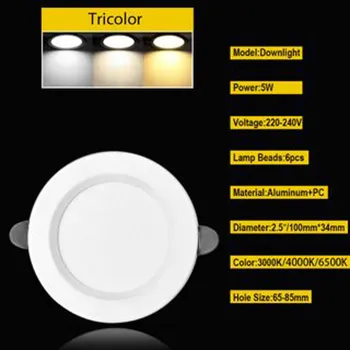
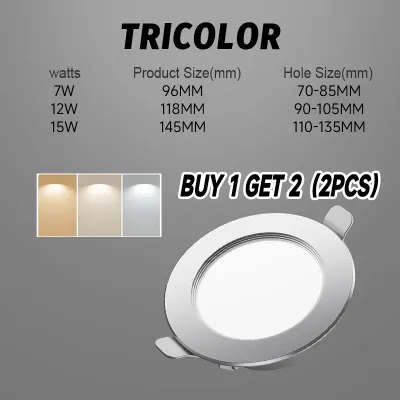
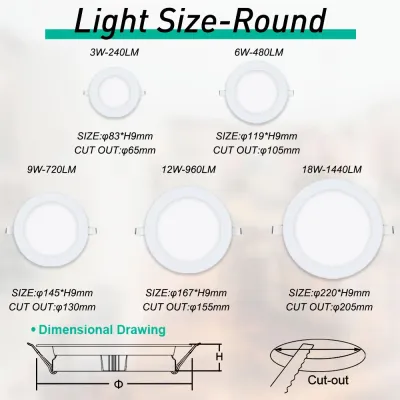
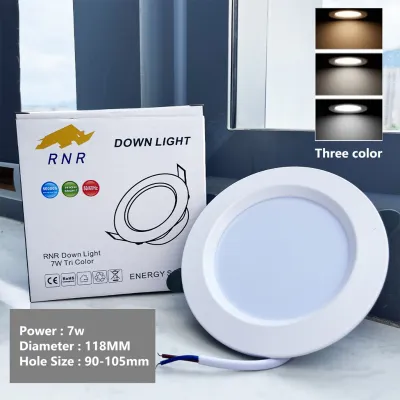
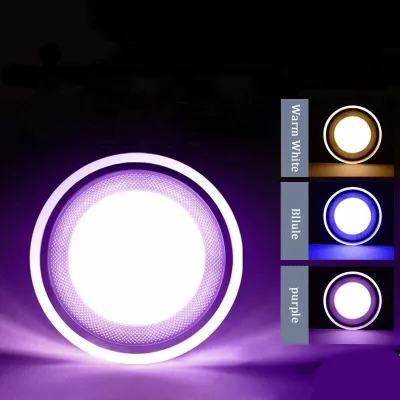
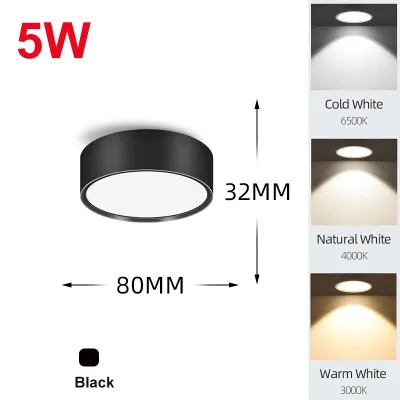
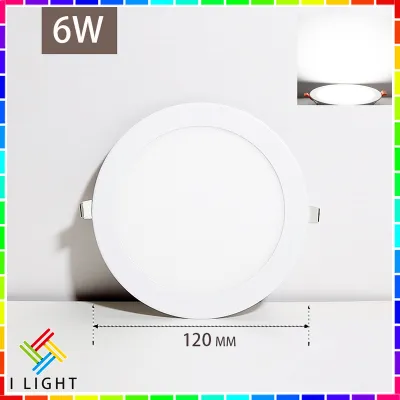
Prices are valid at publication and may change. Please refer to the product page for the latest price.

To select the right brightness, consider the primary activities in each room. For general ambient lighting or accenting decorative wall features, a lower output of 300 to 500 lumens per fixture is typically sufficient. For task-oriented areas like kitchen countertops, home offices, or study desks, look for pin lights that deliver 600 to 800 lumens or more to ensure clear visibility.
To estimate how many lumens you need, consider the room’s total area in square meters. For instance, a standard bedroom in a local home might require around 100 to 150 lumens per square meter for comfortable ambient lighting. Multiplying the room’s area by these values gives you a target total lumen output, which you can then divide by the number of pin light fixtures you plan to install.
Before buying replacement bulbs, always check the maximum wattage limit printed on your existing recessed fixture’s label. Installing a bulb that exceeds this rating can cause heat build-up inside the ceiling cavity, potentially damaging the driver, degrading the ceiling material, or creating a fire hazard.
Color Temperature: Selecting the Right Light Tone
Color temperature describes the visual warmth or coolness of the light and is measured in Kelvin (K). This specification does not represent physical heat but rather the psychological and aesthetic effect the light has on a room. Choosing the right tone depends on the room’s function, your interior paint colors, and personal preference.
In the tropical climate of the Philippines, color temperature also plays a psychological role in how we perceive indoor temperatures. Cool white and daylight tones are highly popular in local living spaces because they create a crisp, visually clean environment that feels physically cooler during hot, humid afternoons. Conversely, warm white is often reserved strictly for bedrooms or quiet evening areas where a cozy, warm ambiance is preferred to wind down after a long day.
The appearance of these light tones can vary depending on your wall colors and the amount of natural light your home receives. For instance, a cool white light can make warm beige walls look slightly grey, while warm white can make cool blue walls look muddy.
| Color Temperature | Kelvin Range | Visual Tone | Recommended Rooms |
|---|---|---|---|
| Warm White | 2700K – 3000K | Soft, warm yellow | Bedrooms, living rooms, dining areas |
| Cool White | 4000K | Crisp, neutral white | Kitchens, hallways, bathrooms |
| Daylight | 5000K – 6500K | Bright, bluish-white | Home offices, utility rooms, vanities |
Pin Base Types and Compatibility
Physical compatibility is the most common hurdle when replacing pin lights. A pin light is not a universal plug-and-play device; it requires a precise match between the bulb’s base pins and the socket inside the ceiling canister. Additionally, you must verify that the electrical requirements of the bulb align perfectly with your home’s wiring system to prevent premature failure.
Common Pin Bases and Fittings
The two most prevalent pin bases found in residential homes are the GU10 and the GU5.3 (often associated with MR16 bulbs).
- GU10 Base: This type features two thick, blunt pins with a twist-and-lock mechanism. The pins are spaced exactly 10 millimeters apart. To install a GU10 bulb, you push the pins into the socket slots and twist it clockwise to lock it securely in place.
- GU5.3 Base: This base utilizes two thin, needle-like pins spaced 5.3 millimeters apart. It uses a simple push-in mechanism where the bulb is pressed straight into the socket without twisting.
To verify which base you need, remove the existing bulb and measure the distance between the center of the two pins with a ruler, or check the specification label printed on the side of the old bulb. Never attempt to force a mismatched base into a socket, as this can bend the pins, crack the ceramic holder, or lead to loose electrical contacts that pose a short-circuit risk.
Mains vs. Low-Voltage Systems
The physical difference between GU10 and GU5.3 bases is closely tied to how they receive electrical power. GU10 bulbs are designed to run directly on standard mains voltage (220V-240V in the Philippines), meaning they connect straight to your home’s wiring without an external power converter.
In contrast, GU5.3 bulbs typically operate on a low-voltage system (usually 12V alternating current) and require an external step-down transformer to convert the mains voltage. If you are replacing older halogen GU5.3 bulbs with energy-efficient LED alternatives, you must verify that your existing transformer is compatible with LEDs. Legacy halogen transformers often have a high minimum wattage requirement (such as 20W to 50W) and may fail to recognize a low-wattage LED bulb (which might only draw 5W), leading to rapid flickering, buzzing, or a complete failure to light up.
Beam Angle: Controlling Light Spread and Focus
The beam angle of a pin light determines how wide or narrow the cone of light will be when it projects downward. This specification is crucial for defining the mood of a room and avoiding a flat, sterile environment.
Narrow beam angles (typically under 30 degrees) act as spotlights. They concentrate light into a tight, intense pool, making them excellent for accenting artwork, highlighting architectural features, or focusing light on specific display shelves.
Wide beam angles (60 degrees or more) distribute light across a broader area. These are preferred for general ambient lighting, as they overlap to create an even wash of light across the floor and walls, reducing harsh shadows.
For a well-balanced room, consider layering your lighting by combining wide-angle pin lights for general illumination with narrow-angle fixtures to highlight specific focal points. Keep in mind that the height of your ceiling plays a major role: the higher the ceiling, the wider the light pool will spread by the time it reaches the floor, but the intensity of the light will also decrease.
Pre-Purchase Checks: Voltage, Dimming, and Installation Safety
Before finalizing any pin light purchase, you must perform several critical electrical and safety checks to ensure the fixtures will operate reliably in your home.
First, verify that the pin lights are rated for the standard Philippine mains voltage of 220V to 240V at 60Hz. Importing fixtures designed for 110V systems without using a proper transformer will instantly destroy the bulb’s internal driver and can create an electrical fire hazard. Always look for local safety marks, such as the Philippine Standard (PS) mark or Import Commodity Clearance (ICC) sticker, to verify electrical safety compliance.
Second, if you plan to use a wall dimmer switch, confirm that both the pin light bulb and the dimmer switch are explicitly certified as compatible with LED technology. Standard incandescent dimmers operate by slicing the electrical current in a way that causes modern LED drivers to buzz, flicker, or fail prematurely. Look for “triac dimmable” or “trailing-edge dimming” specifications on both the bulb packaging and the dimmer switch.
Finally, prioritize safety during installation. Always turn off the power at the main circuit breaker before inspecting, removing, or installing any light fixtures. If your project involves fixed wiring, replacing recessed canisters, installing low-voltage transformers, or working at heights on high ceilings, do not attempt to do it yourself. Always hire a licensed electrician to ensure the installation complies with the Philippine Electrical Code and operates safely.
Frequently Asked Questions (FAQ)
Can I use pin lights in bathrooms or outdoor areas?
Standard indoor pin lights are not designed to withstand moisture and should never be installed in bathrooms, damp areas, or outdoor locations. High humidity and water vapor can easily penetrate non-sealed fixtures, leading to corrosion, short circuits, and electrical shocks.
For these challenging environments, you must check the fixture’s Ingress Protection (IP) rating. Bathrooms generally require fixtures rated at least IP44 to protect against splashing water, while outdoor areas directly exposed to rain require IP65 or higher to prevent dust and water penetration. Always consult a qualified professional to ensure your wet-area lighting meets local safety standards and is installed with proper power-isolation measures.

Community discussion
Share your experience or ask a question. Comments are reviewed before publication.