
Choosing between pin lights and regular spot lights for your track lighting setup depends on your track’s operating voltage, the physical socket interface of the track heads, and your specific installation environment. If your track system runs on a low-voltage 12V line with an integrated transformer, you will need low-voltage pin lights (such as MR16 bulbs with GU5.3 bi-pin bases). Conversely, if your track connects directly to the standard 220V mains power supply common in Philippine homes, regular spot lights (such as GU10 twist-lock bulbs or integrated LED track heads) are the correct and safest choice. Matching these electrical and physical specifications is essential to prevent fixture failure, electrical hazards, or permanent damage to your ceiling setup.
Assess Your Current Track System and Voltage
Before purchasing any new light heads or replacement bulbs, you must identify the electrical specifications and physical constraints of your existing track rail. Operating an incompatible bulb can instantly burn out the electronics or result in a fixture that refuses to light up.
Start by inspecting the track rail itself, its original packaging, or the manufacturer’s manual to determine the rated voltage. In the Philippines, standard residential wiring delivers 220V mains power. If your track system connects directly to this supply without any intermediate device, it is a line-voltage system. However, some specialized or architectural track systems operate on low-voltage 12V power, which requires a step-down transformer.
Products mentioned in this guide
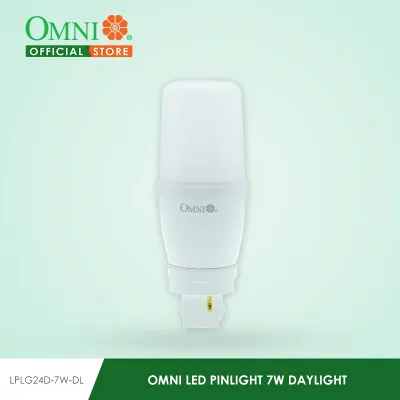
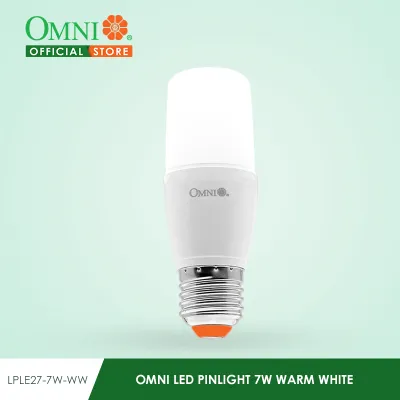
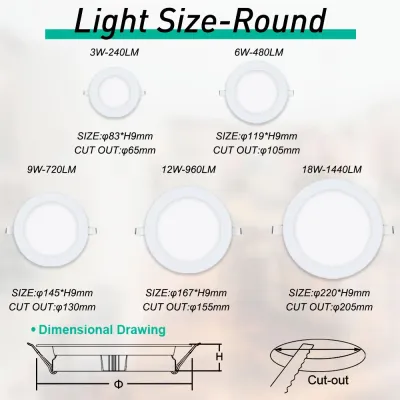
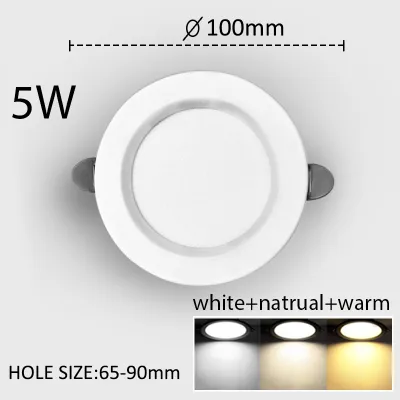
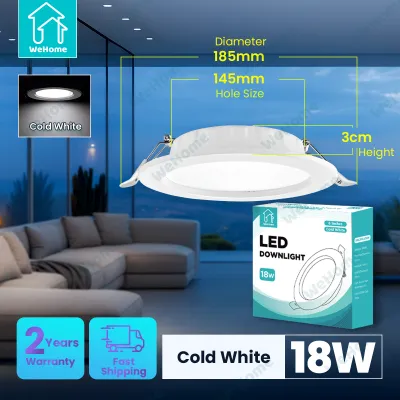
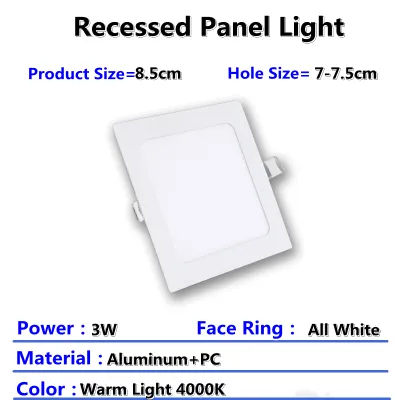
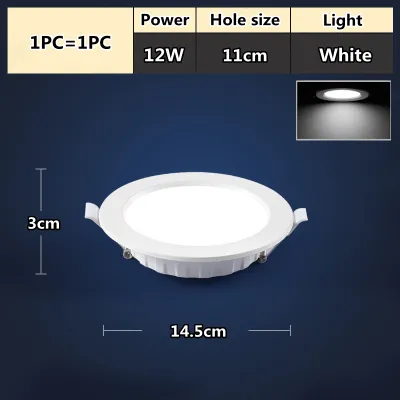
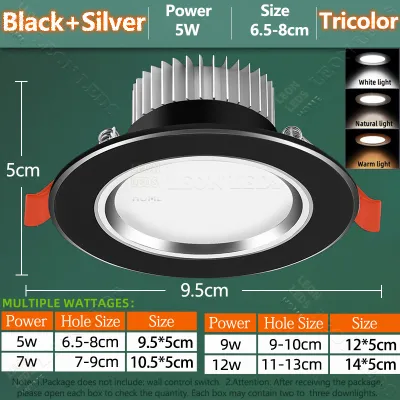
Prices are valid at publication and may change. Please refer to the product page for the latest price.
Next, examine the existing socket interface on your track heads. Look closely at how the current bulbs or connectors attach to the fixture. A two-pin push-in connection, often with thin needle-like pins spaced 5.3mm apart, indicates a GU5.3 or MR16 pin light setup. A twist-and-lock base with two thick, blunt pins spaced 10mm apart indicates a GU10 regular spot light setup. Alternatively, your track head might feature an integrated LED module, where the light source is permanently built into the fixture housing without a removable bulb.
Finally, check for the presence of a transformer or driver. This component is typically a small rectangular block that may be hidden inside the ceiling canopy where the track connects to the house wiring, or mounted externally near the power feed. If you locate a transformer, note its output voltage rating to confirm whether your track runs on a low-voltage circuit.
Understand the Core Differences in Track Heads
To eliminate terminology confusion when shopping at local hardware stores or online marketplaces, it is helpful to understand the structural and electrical differences between these two common fixture types.

Pin lights, in the context of track and spot lighting, typically refer to low-voltage directional bulbs that utilize physical pins for their electrical connection. The most common variety is the MR16 bulb with a GU5.3 bi-pin base. Because these bulbs operate at 12V, they cannot handle direct 220V power and must always be paired with a compatible step-down transformer. This low-voltage design historically offered highly precise beam control and is still favored for delicate accent lighting.
Regular spot lights refer to standard mains-voltage fixtures that connect directly to your home’s 220V electrical supply. These fixtures commonly use GU10 bulbs, which feature a twist-lock base that secures firmly into the socket, or they come as integrated LED track heads. Because they do not require an external transformer, regular spot lights have fewer components that can fail over time, making them a highly reliable option for general residential use.
Maintenance trade-offs differ significantly between these two systems. With a bulb-based system, whether pin-type or twist-lock, replacing a burned-out light is as simple as swapping the individual bulb while keeping the track head intact. With integrated LED track heads, however, you must replace the entire fixture head if the internal light source or driver fails, though these integrated units often offer superior heat dissipation in humid tropical climates.
When to Choose Pin Lights for Your Setup
Low-voltage pin lights are the appropriate choice under specific technical conditions where precision and existing infrastructure dictate their use.
You should choose pin lights if your existing track system is already wired for 12V output and features a functional, compatible transformer. Attempting to force a standard 220V bulb into a low-voltage track will not work, as the low voltage will not provide enough electrical pressure to power the light.
Pin lights are also highly suitable when your installation environment requires low-voltage fixtures for specific safety clearances. For instance, in areas prone to high humidity or near open windows where tropical rain might occasionally blow in, low-voltage systems can offer an extra layer of electrical safety, provided the fixtures carry the appropriate IP (Ingress Protection) ratings for damp locations.
Additionally, pin lights are preferred if your design demands highly specialized optical performance. Many low-voltage MR16 reflector bulbs are engineered to deliver exceptionally tight beam angles and crisp, dramatic shadows, making them excellent for highlighting artwork, sculptures, or specific architectural details in your living space.
When Regular Spot Lights Are the Better Fit
For the majority of residential installations, standard mains-voltage regular spot lights offer a more practical, cost-effective, and straightforward solution.
You should opt for regular spot lights if your track rail is designed for a direct 220V connection and your ceiling structure lacks the physical space or ventilation required to house an external transformer. Eliminating the transformer simplifies the installation process and keeps the ceiling line clean and uncluttered.
Choosing regular spot lights also minimizes long-term maintenance headaches. In a low-voltage system, a single transformer failure can cause the entire run of track lights to go dark, leaving you to troubleshoot whether the issue lies with the bulbs or the hidden driver. With a 220V regular spot light setup, each fixture operates independently, ensuring that a single bulb failure does not affect the rest of your lighting.
Furthermore, regular spot lights provide greater convenience when it comes to sourcing replacements. Standard GU10 bulbs and integrated 220V track heads are widely available in local home improvement centers and online marketplaces across the Philippines. This wide availability translates to lower initial hardware costs and a broader selection of color temperatures and beam angles to suit your changing preferences.
Action Plan: Maintaining, Replacing, or Upgrading
Once you have diagnosed your track system and decided on the best fixture type, you can proceed with a safe and organized installation or upgrade plan.
If your track voltage matches your chosen light heads, the replacement process is straightforward. Begin by turning off the main circuit breaker for the lighting loop. Carefully remove the old track head by releasing its locking collar or sliding it out of the track rail. Insert the new compatible bulb or integrated fixture, secure the locking mechanism, and restore power to test the connection.
If you discover a voltage mismatch—such as wanting to use 12V pin lights on a 220V track, or vice versa—you must evaluate the feasibility of your upgrade. Switching a 220V track to a low-voltage system requires retrofitting a compatible external transformer between the power source and the track feed. Conversely, converting a low-voltage track to standard mains voltage usually requires removing the existing transformer entirely and replacing the track rail with a model rated for 220V.
Because working with electrical systems carries inherent risks, always establish strict safety boundaries. For any tasks involving fixed wiring modifications, installing new track rails, retrofitting transformers, or working at heights on high ceilings, turn off the main breaker and hire a licensed electrician to complete the work safely and in compliance with local electrical codes.
Frequently Asked Questions (FAQ)
Can I use a regular spot light on a 12V pin light track?
No, you cannot use a regular 220V spot light on a 12V pin light track. Inserting a mains-voltage bulb or fixture into a low-voltage track will result in immediate failure, as the 12V supply does not provide sufficient voltage to operate the light. Always ensure that the rated voltage of your replacement bulb or track head matches the output voltage of your track system.
Do pin lights consume more electricity than regular spot lights?
No, the physical base type of the light—whether it uses pins or a twist-lock base—does not determine its electricity consumption. Power consumption is determined solely by the bulb’s wattage and its lighting technology. For example, an 8-watt LED pin light and an 8-watt LED regular spot light will consume the same amount of electricity; always check the product packaging labels to verify the actual wattage of your fixtures.
Community discussion
Share your experience or ask a question. Comments are reviewed before publication.