
Selecting the right portable lamp shade is more than a styling choice; it is a decision that directly affects your visual comfort, eye health, and room utility. The core difference between a reading shade and a bedside shade lies in how they control and distribute light. A reading shade is designed as a functional task light, focusing a concentrated, glare-free beam directly onto your book or device to minimize eye strain. In contrast, a bedside shade acts as an ambient light source, diffusing illumination softly across the room to help your eyes transition into a state of rest.
Your final choice depends on your primary evening activities, the physical stability of your lamp base, and the layout of your sleeping area. If you frequently read physical books or perform detailed tasks in bed, a directional, opaque shade is essential. If your bedroom is strictly a sanctuary for winding down, a translucent shade that bathes the room in a warm, even glow is the more appropriate option. Understanding these design variations will help you avoid common purchasing mistakes and ensure your lighting matches your lifestyle.
Light Direction and Glare Control: Task vs. Ambient Focus
The shape of a portable lamp shade dictates where the light travels and how much of the bulb is visible from your resting position. Reading shades typically feature directional geometries, such as deep conical, empire, or narrow cylindrical designs. These shapes act like a funnel, capturing the light emitted by the bulb and pooling it downward in a concentrated circle. This focused beam provides the high contrast needed to read small print clearly without illuminating the entire room or disturbing a sleeping partner.
Products mentioned in this guide
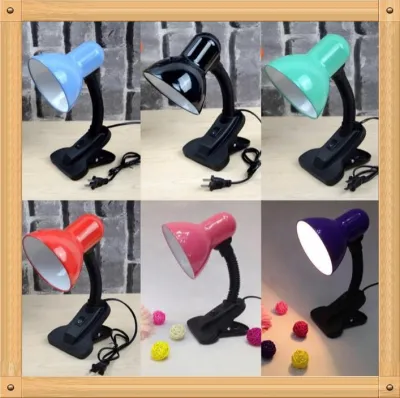
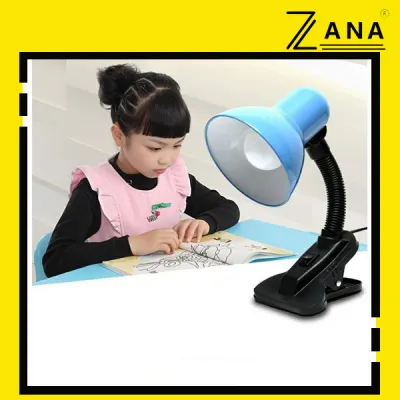
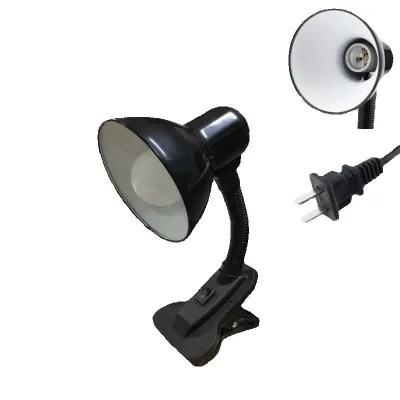
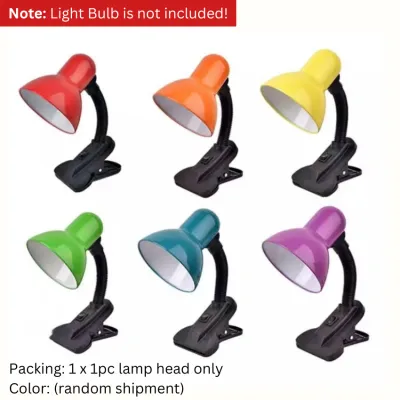
Prices are valid at publication and may change. Please refer to the product page for the latest price.
Bedside shades, on the other hand, favor wider, symmetrical shapes like classic drums or broad cylinders. These designs allow light to escape equally from both the top and the bottom of the shade. The upward light bounces off the ceiling and walls, creating a soft layer of indirect ambient light that fills the room. Meanwhile, the downward light provides just enough illumination to navigate a nightstand without creating harsh, high-contrast shadows that can make a space feel cold or clinical.
Interior linings play a critical role in managing brightness and glare. Many reading-focused shades feature reflective white, silver, or gold interior linings. These metallic or high-gloss surfaces bounce light outward with maximum efficiency, boosting the functional brightness of lower-wattage bulbs. Conversely, bedside shades often utilize matte, neutral, or dark fabric linings. These materials absorb a portion of the light, softening the overall output and preventing the harsh glare that can occur when you look toward the lamp from a low, reclined position.
To prevent glare, you must evaluate the shade’s bottom opening diameter and depth relative to your eye level. When you are sitting or reclining in bed, the bottom edge of the lamp shade should align roughly with your chin or eye level. If the shade is too shallow or the bottom opening is too wide, you will be exposed to the bare bulb, leading to immediate eye fatigue. Before purchasing a replacement shade, sit in your typical reading position and measure the height from the tabletop to your eye level to determine the ideal shade depth.
Material Opacity and Light Diffusion
The material of your portable lamp shade determines whether light is blocked and directed, or allowed to filter through the sides of the shade. Opaque and semi-opaque materials are the hallmark of dedicated reading lights. Materials such as painted metal, thick parchment, heavy cardstock, or densely lined fabrics completely block lateral light transmission. By confining the light to the top and bottom openings, these shades eliminate peripheral glare, allowing your eyes to focus entirely on your reading material without distraction.

Translucent materials are the preferred choice for general bedside use. Fabrics like lightweight linen, cotton, thin silk, or textured rice paper allow light to pass directly through the body of the shade. This lateral diffusion creates a warm, glowing silhouette that softens the transition between light and shadow in a dark room. The resulting illumination is gentle on the eyes, making it easier for your body to produce melatonin and prepare for sleep.
In tropical climates with high humidity, such as the Philippines, material selection requires extra practical consideration. Natural paper and untreated silk shades are highly susceptible to moisture absorption, which can lead to sagging, warping, or the growth of mold over time. For long-term durability in humid environments, look for tightly woven synthetic blends, treated linens, or metal shades with rust-resistant coatings. These materials maintain their structural integrity and are much easier to keep clean in humid weather.
To predict how a shade will perform before you buy it, perform a simple opacity check. If shopping in person, hold the shade up to a bright light source to see how much light penetrates the sides. If purchasing from an online marketplace, look for product photos showing the lamp turned on in a dark room. Pay close attention to the weave density; a loose weave will create distracting pinpricks of bright light, whereas a tight, uniform weave will deliver a smooth, calming gradient of light.
Size, Proportion, and Portability Factors
When selecting a portable lamp shade, you must balance aesthetic proportions with physical stability. A common hazard with lightweight portable lamps on narrow bedside tables is top-heavy instability. If a shade is too wide or heavy for its base, the lamp can easily tip over when you reach for a phone, a glass of water, or a book in the dark. As a general safety guideline, the diameter of the shade should not exceed the height of the lamp base, and the shade’s weight must be compatible with the base’s footprint.
Compact, streamlined profiles are ideal for small bedside tables or shared nightstands. A narrow drum or oval shade keeps the lamp’s footprint minimal, leaving plenty of room for personal items. For dedicated reading nooks or larger desks, you can opt for a larger, more substantial shade. A larger shade allows for wider light distribution, which is beneficial if you need to illuminate a larger workspace or a broad reading chair.
Before purchasing, you must verify the shade’s attachment mechanism to ensure it fits your existing portable lamp base. The three most common attachment styles include:
- Harp and Finial (Spider Fitters): The shade features a central washer that sits on top of a metal wire support (the harp) and is secured with a decorative screw (the finial).
- Uno Fitters: The shade has a built-in ring that threads directly onto the lamp socket, typically positioned beneath the bulb. This is common on smaller, modern portable lamps.
- Clip-on Fitters: The shade features wire clamps that clip directly onto a standard round light bulb. This style is highly portable but limits you to specific bulb shapes and sizes.
Quick Reference: Comparing Shade Specifications
To help you quickly evaluate your options, the table below contrasts the physical and optical characteristics of reading and bedside shades, along with key safety and compatibility checks.
| Feature | Reading Shades | Bedside Shades | What to Verify |
|---|---|---|---|
| Primary Light Spread | Focused downward beam; minimal lateral spill | Diffused lateral glow; balanced up-and-down light | Check the shade's top and bottom opening diameters. |
| Material Opacity | Opaque (metal, heavy cardstock, lined fabric) | Translucent (linen, cotton, thin paper) | Hold the material to a light source to check weave density. |
| Glare Risk | Low peripheral glare; high risk if positioned too high | Moderate glare through thin fabrics; low directional glare | Measure your eye level when seated to determine shade depth. |
| Ideal Placement | Dedicated reading chairs, desks, adjustable bedside arms | Standard nightstands, guest bedrooms, lounge areas | Ensure the lamp base is heavy enough to prevent tipping. |
| Heat Dissipation | Requires top ventilation for high-output bulbs | Even heat dissipation through open-top designs | Check the manufacturer's maximum wattage rating on the socket. |
How to Choose the Right Shade for Your Space
To finalize your decision, evaluate your daily habits and the physical limitations of your bedroom setup. A structured decision framework can help you select the perfect option without trial and error.
Choose a Reading Shade If:
- Your primary evening activity is reading physical books, tablets, or doing detailed handiwork like embroidery.
- You experience eye strain, headaches, or difficulty focusing under soft, ambient lighting.
- Your lamp is positioned on an adjustable arm or a tall table that allows you to direct the light pool precisely over your shoulder or page.
- You share a bed and want to keep the rest of the room dark while you read.
Choose a Bedside Shade If:
- Your bedroom is strictly a space for relaxation, meditation, or watching television.
- You prefer a warm, cozy, and inviting atmosphere that mimics natural sunset tones.
- Your nightstand is small, and you need a lightweight, compact lamp that provides general room illumination.
- You use self-illuminated e-readers or tablets that do not require high-contrast external task lighting.
- You want to budget reasonably, perhaps spending between ₱500 and ₱1,500 for a versatile, easy-to-match fabric shade.
Verify First If:
- You are retrofitting an existing portable lamp base. You must check the socket diameter (such as standard E27 sockets common in the Philippines) and the maximum wattage limit printed on the socket label.
- Ensure there is at least a two-inch gap between the light bulb and the inner surface of the shade. Inadequate clearance can trap heat, which degrades fabric linings, warps plastic frames, and poses a safety hazard, especially in warm tropical climates.
- Confirm that the lamp's switch (whether a inline cord switch, rotary socket switch, or touch base) remains easily accessible once the new shade is installed.
Maintenance and Care for Portable Shades
Proper maintenance preserves the appearance of your lamp shade and ensures safe operation. Dust and airborne oils can accumulate quickly on shade surfaces, especially in homes that rely on natural ventilation. Over time, this buildup can discolor fabric shades and reduce light output, forcing you to use higher-wattage bulbs that generate unnecessary heat.
For fabric and paper shades, regular dry dusting is the safest cleaning method. Use a soft-bristled brush, a clean makeup brush, or a lint roller to gently remove dust from the pleats and seams. Avoid using wet cloths or liquid cleaners on paper or unlined fabric shades, as moisture can cause permanent water spots, dissolve water-based glues, or cause the material to stretch and sag.
Metal, plastic, and glass shades can handle a slightly damp microfiber cloth for spot cleaning. Always unplug the portable lamp from the wall outlet and allow the bulb to cool completely before cleaning. Never spray cleaning solutions directly onto the shade or near the electrical socket. If you must use a mild soap solution on a metal shade, dry it immediately with a soft towel to prevent rust, paying close attention to the welded joints and fitter rings.
Frequently Asked Questions (FAQ)
Can I use a bedside lamp shade for reading?
While you can use a bedside lamp shade for reading, it is not ideal for extended periods. Translucent bedside shades diffuse light in all directions, which reduces the contrast on your page and can cause eye strain as your eyes struggle to focus. Additionally, if the shade material is very thin, the lateral glare can be highly distracting. If you must use a bedside shade for reading, try using a higher-lumen bulb with a warm-white color temperature (around 2700K to 3000K) and position the lamp as close to your reading material as safely possible to maximize task brightness.
Do portable lamp shades fit all lamp bases?
No, portable lamp shades are not universally compatible with all lamp bases. They rely on specific fitter types, such as spider (harp and finial), Uno, or clip-on mechanisms, which must match the design of your lamp base. Additionally, socket sizes can vary; some European-style bases require a larger opening than standard American or Asian bases. Before purchasing a replacement shade from an online marketplace, always measure the diameter of your lamp’s socket, check the existing fitter style, and verify the shade’s dimensions to ensure a secure and safe fit.
Community discussion
Share your experience or ask a question. Comments are reviewed before publication.