
Professional-grade solar string lights are defined by their ability to deliver reliable, bright, and long-lasting illumination under harsh outdoor conditions without relying on grid power. Unlike standard consumer models that often fade after a few hours or fail after a single rainy season, true “pro” grade systems feature heavy-duty weatherproofing, high-capacity energy storage, and efficient solar conversion. To find a set that truly qualifies as professional-grade, you must look past flashy marketing terms and verify specific technical standards.
Decoding 'Pro' vs. Standard Solar String Lights
Standard solar string lights typically rely on thin plastic wiring, lightweight PVC bulb covers, and small, integrated solar panels that degrade quickly under intense tropical sun and heavy rain. Over time, UV exposure makes standard plastic brittle, leading to water ingress and electrical failure. Professional-grade models, by contrast, utilize commercial-grade materials such as heavy-duty rubberized cabling and UV-stabilized polycarbonate bulbs designed to withstand years of exposure.
Power management also sets professional systems apart. Standard lights usually drain their batteries rapidly, resulting in a noticeable drop in brightness as the night progresses. Pro-grade systems incorporate advanced charge controllers that regulate power discharge, ensuring the LEDs maintain a consistent lumen output from dusk until dawn.
Products mentioned in this guide
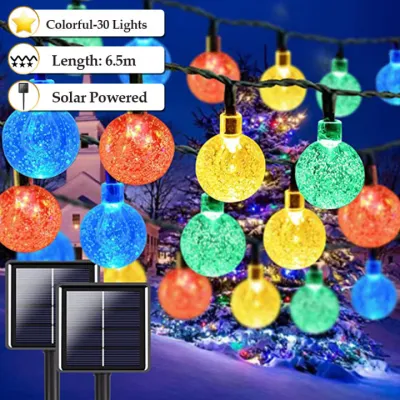
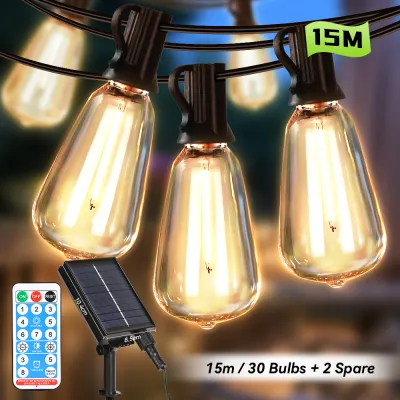
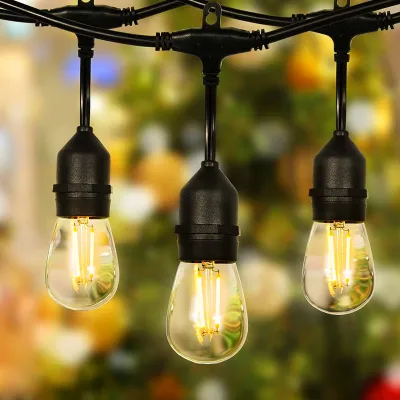
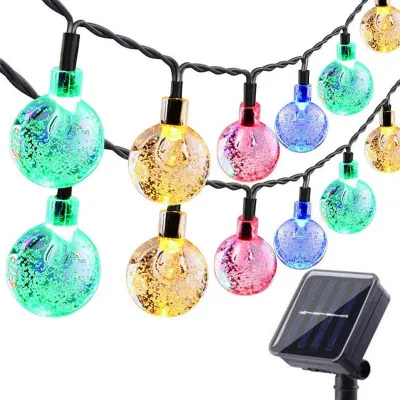
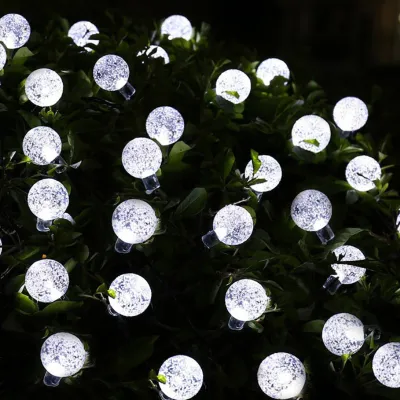
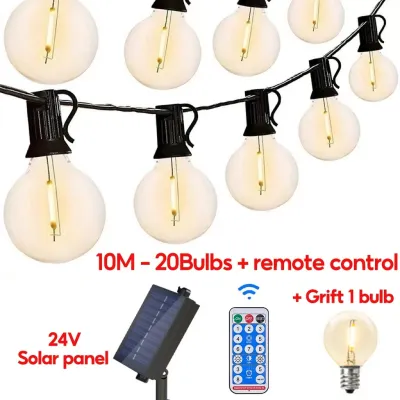
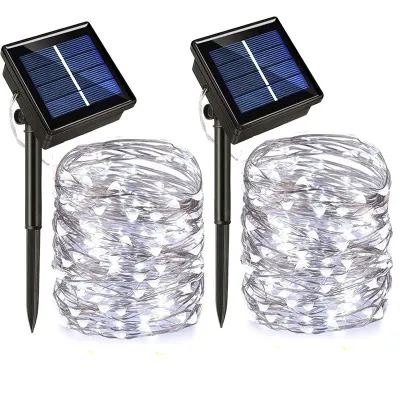
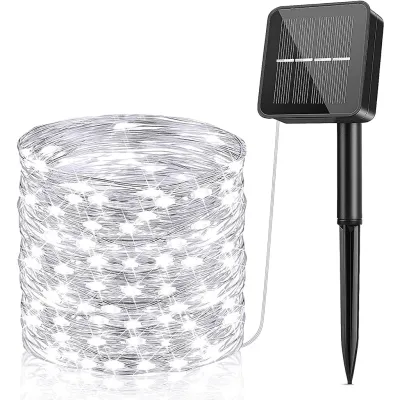
Prices are valid at publication and may change. Please refer to the product page for the latest price.
Additionally, the warranty and support structure reflects this difference in build quality. While budget lights often come with minimal or no warranty coverage, commercial-grade outdoor lighting systems typically carry multi-year manufacturer warranties. This support ensures you can source replacement parts, such as individual bulbs or compatible solar panels, without needing to replace the entire system.
Essential Specifications to Verify on the Product Label
When shopping for professional outdoor lighting, you should always cross-reference promotional claims with the technical specification sheet. The true capability of any solar lighting system rests on three main pillars: the power system, the light output, and the physical weather resistance.

Relying solely on retail titles can be misleading, as terms like “heavy-duty” or “waterproof” are not standardized. Checking the certified ratings on the product label or manufacturer manual is the only reliable way to verify actual performance.
Solar Panel and Battery Capacity
The engine of any solar light is its power generation and storage system. For professional use, look for monocrystalline solar panels rather than cheaper polycrystalline alternatives. Monocrystalline panels offer higher energy conversion efficiency, which is crucial for fully charging the battery during overcast days or in areas with partial afternoon shade.
Battery capacity determines how long your lights can run after a day of charging. Check the battery chemistry and capacity, which are usually listed in milliampere-hours (mAh) or Watt-hours (Wh). Pro-grade systems frequently use Lithium Iron Phosphate (LiFePO4) batteries, which offer superior thermal stability in hot climates and support significantly more charge cycles than standard Lithium-ion (Li-ion) or Nickel-Metal Hydride (NiMH) batteries.
Always verify if the battery compartment is accessible and if the battery itself is user-replaceable. Even the highest-quality batteries degrade after several years of daily cycling; being able to swap the battery extends the lifespan of your entire lighting investment.
Lumens, Color Temperature, and LED Chip Quality
Light output should be measured in lumens, not equivalent wattage. Standard decorative solar strings often emit a dim glow of 5 to 10 lumens per bulb, which is barely visible across a yard. Professional-grade bulbs typically deliver 30 to 100 lumens per bulb, providing functional ambient lighting suitable for commercial dining spaces or residential patios.
Color temperature, measured in Kelvin (K), dictates the visual atmosphere. For a warm, inviting glow that mimics traditional incandescent bulbs, look for a color temperature between 2200K and 2700K. Cooler temperatures above 4000K can appear harsh and clinical, which may detract from a relaxing outdoor ambiance.
The quality and spacing of the LED chips also affect the overall visual impact. High-quality LED chips provide consistent color rendering and brightness across the entire length of the string. Ensure the bulb spacing matches your layout needs; wider spacing can leave dark spots, while tighter spacing provides a continuous, high-impact canopy of light.
Ingress Protection (IP) Ratings and Material Durability
Outdoor durability is defined by standardized Ingress Protection (IP) ratings. A professional-grade rating for outdoor string lights should be at least IP65, meaning the system is completely dust-tight and protected against water jets from any angle. For areas exposed to severe tropical downpours, look for IP67 ratings, which indicate temporary submersion protection.
The physical construction of the cable is just as critical as the IP rating. Verify that the wire gauge is heavy-duty, such as 18 AWG or thicker, wrapped in a weather-resistant rubber or heavy PVC jacket. This prevents the wire from stretching, cracking, or shorting when suspended over long spans.
Bulb housing material must also be checked. Glass bulbs are highly susceptible to shattering during high winds or accidental impacts. Pro-grade systems utilize shatterproof polycarbonate covers that resist cracking and remain clear without yellowing under prolonged UV exposure.
Installation and Electrical Safety Checks
Before hanging your lights, verify the physical limits of the system. If you plan to cover a large area, check whether the solar controller supports linking multiple strings together. Many solar systems are designed as closed loops with fixed wattage limits, meaning adding more bulbs will overload the controller or dim the entire string.
Examine the included mounting hardware to ensure it is suitable for your specific installation surface, whether that is wood, concrete, or metal. Suspended spans over three meters should always be supported by a guide wire or cable tensioner to prevent strain on the electrical sockets.
Positioning the solar panel is critical for performance. In tropical regions, the panel must be mounted in an unshaded area where it can receive direct sunlight for at least six hours a day. Follow the manufacturer’s guidelines to secure the panel bracket firmly against wind loads, ensuring it is angled slightly to allow rainwater to run off and clean the surface naturally.
How to Build Your Pro-Grade Shortlist
To make an informed decision, compile a shortlist of candidate models and compare their core technical specifications directly. Avoid relying on generic product descriptions on online marketplaces; instead, look for downloadable user manuals or detailed spec sheets.
| Specification | Standard Grade | Professional Grade |
|---|---|---|
| Solar Panel Type | Polycrystalline | Monocrystalline |
| Battery Chemistry | NiMH or low-grade Li-ion | LiFePO4 (Lithium Iron Phosphate) |
| IP Rating | IP44 | IP65 or IP67 |
| Bulb Material | Thin glass or cheap plastic | Shatterproof polycarbonate |
| Lumen Output | 5–10 lumens per bulb | 30–100+ lumens per bulb |
Read verified customer reviews with a focus on long-term performance. Look specifically for feedback regarding battery degradation after six months of use and how well the seals hold up during heavy rainy seasons.
Finally, confirm the manufacturer’s warranty registration process and the seller’s return policy. A reputable brand will offer clear instructions on how to claim warranty support and provide accessible customer service channels to help you troubleshoot any issues.
Frequently Asked Questions (FAQ)
Can I leave pro-grade solar string lights outside during extreme weather?
While IP65 and IP67 ratings protect against heavy rain and dust, extreme weather events like typhoons can cause physical damage from flying debris or falling branches. It is highly recommended to temporarily take down and store the string lights if a severe storm warning is active in your area. Always consult the manufacturer’s manual for specific wind-load limits and temperature operating ranges.
Do professional solar string lights work in shaded areas?
All solar panels require direct sunlight to charge their batteries efficiently. If the solar panel is placed in a shaded area, the battery will not charge fully, resulting in significantly shorter runtimes or dim lights. To resolve this, look for professional systems that feature a detachable solar panel with a long extension cable, allowing you to mount the panel in a sunny spot while keeping the decorative lights in the shade.
Community discussion
Share your experience or ask a question. Comments are reviewed before publication.