
To choose the best projector night light in the Philippines, you must evaluate the projection style, brightness adjustability, power source compatibility, and electrical safety certifications. The ideal device balances visual appeal with practical functionality, especially when operating within the compact layouts and high-humidity conditions typical of local condo living. Whether your goal is to establish a soothing sleep routine, capture striking photography backdrops, or elevate your living room entertainment, understanding these core technical specifications ensures you invest in a safe, durable, and effective lighting solution.
Quick Guide: Core Features to Check Before You Buy
Selecting a projector night light requires looking beyond superficial visual effects. The most critical decision factors include the light projection type, brightness adjustability, power source, and safety certifications. A high-quality projector should offer customizable settings that allow you to control both the intensity of the light and the movement of the projection. For instance, a model intended for a child’s bedroom requires vastly different brightness limits and safety profiles than one used as a temporary backdrop for social media photography.
Your primary goal dictates which specifications deserve the most weight. If you are seeking a sleep aid, prioritize ultra-low minimum brightness levels, warm color temperatures, and silent motor operation. For ambient decor or photography, focus on color accuracy, lens quality, and adjustable projection angles. Identifying this primary purpose early prevents you from buying a device that is either too dim for decorative impact or too bright for restful sleep.
Products mentioned in this guide
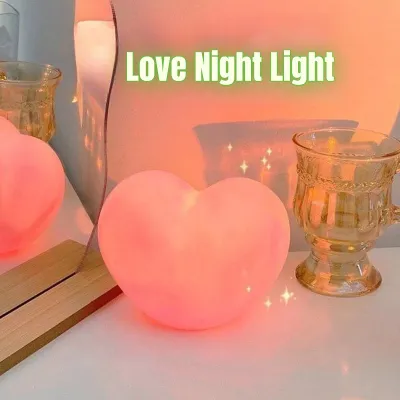
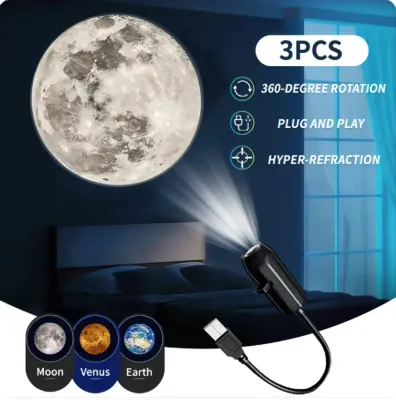
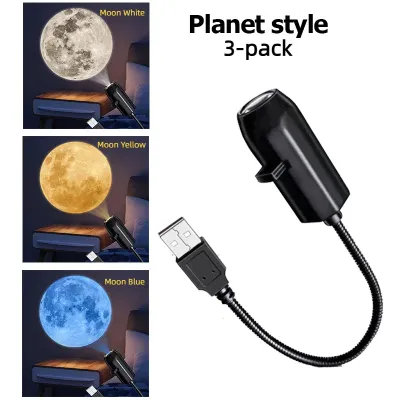
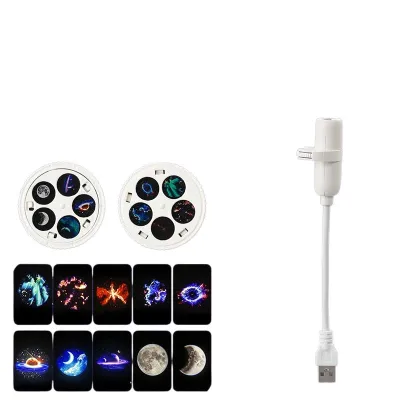
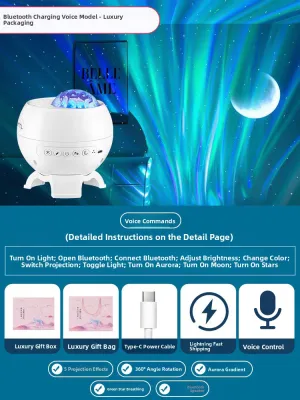
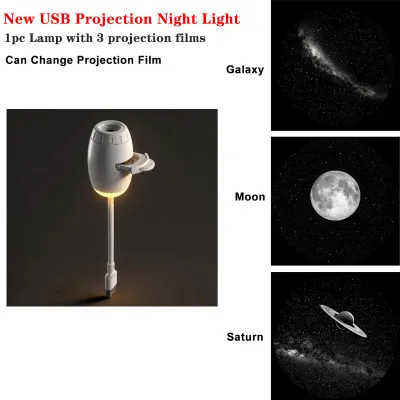
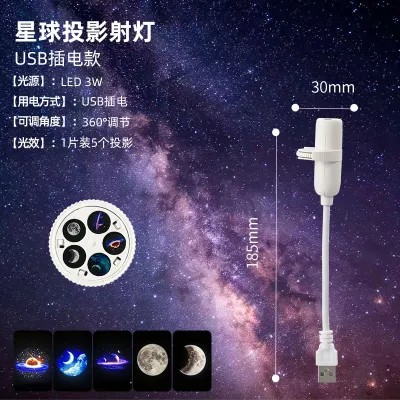
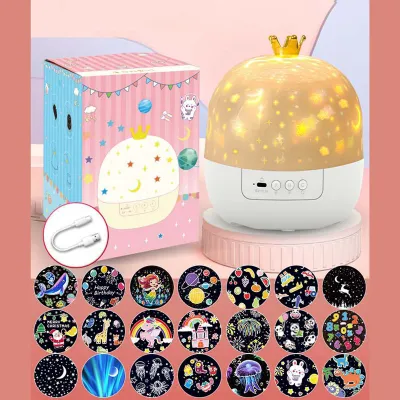
Prices are valid at publication and may change. Please refer to the product page for the latest price.
In the context of Philippine condo living, spatial efficiency and cord management are just as important as the visual output. Modern studio and one-bedroom apartments in urban centers often have limited bedside surface area and strategically placed electrical outlets. A bulky projector with a messy, short power cord can quickly become a tripping hazard or clutter your bedside table. Opting for models with compact footprints, versatile mounting options, and clean cable routing helps maintain an organized, hazard-free living space.
Projector Night Light Types: Which Style Fits Your Space?
Sunset and Halo Lamps
Sunset and halo lamps project a warm, gradient light effect that mimics the natural colors of the golden hour. These devices utilize a high-powered LED behind a thick, spherical glass or plastic optical lens to cast a concentrated, circular halo of light. The resulting illumination features a deeply saturated center that gradually transitions into softer, contrasting rings of color along the outer edges. This gradient pattern is highly effective at mimicking natural solar phenomena, making it a popular choice for creating a cozy, intimate atmosphere.

These lamps are exceptionally suited for cozy reading corners, photography backdrops, and setting a relaxed evening mood. Because they emit a steady, non-moving glow, they provide a sense of stillness that helps quiet the mind after a busy day. Many photographers and content creators use them to add depth and warmth to portrait shots or to simulate natural sunlight in interior spaces that lack large windows.
When choosing a sunset lamp, the choice between fixed-focus and adjustable-focus models determines how much control you have over the light’s appearance. Fixed-focus models project a halo with a set border sharpness that changes only when you physically move the lamp closer to or further from the wall. Adjustable-focus models feature a movable lens housing or a telescoping neck, allowing you to sharpen or soften the projected edges manually without changing the device’s physical placement. This flexibility is highly advantageous when working within tight room layouts where physical movement is restricted.
Starry Sky and Galaxy Projectors
Starry sky and galaxy projectors create an immersive, dynamic environment by casting moving celestial patterns across your walls and ceiling. These devices typically combine two distinct light sources: a green or red laser diode to project sharp, pinpoint stars, and multi-colored LED lights to generate drifting, cloud-like nebula effects. The combination of these two elements produces a layered, multi-dimensional visual experience that can make a small room feel infinitely spacious.
These projectors are highly popular for bedrooms, children’s play areas, and dedicated home theater setups. The slow, rhythmic movement of the nebula clouds can have a hypnotic, calming effect that aids in relaxation and sleep preparation. In a home theater, a low-intensity galaxy projection can provide just enough ambient light to prevent eye strain without washing out the contrast of your television or projector screen.
Because these devices rely on internal motors to rotate the projection lenses and create the drifting motion, motor noise is a critical factor to evaluate. Inexpensive or poorly constructed galaxy projectors often emit a persistent, high-pitched mechanical hum or buzzing sound. While this noise might be unnoticeable during the day or when music is playing, it can become highly distracting in a silent bedroom at night. Prioritize models that specify silent motor technology or have independent controls to turn off the rotation feature entirely when quietness is paramount.
Pattern and Shadow Projectors
Pattern and shadow projectors utilize physical film slides, stencils, or custom gobos to cast distinct, sharp shapes onto surfaces. Unlike the diffuse, abstract glows of sunset lamps or the drifting clouds of galaxy projectors, these devices focus on delivering recognizable silhouettes such as stars, moons, botanical leaves, or festive holiday patterns. The light source passes directly through the patterned slide, projecting a clear, high-contrast image onto the target wall or ceiling.
These lights are highly effective for thematic bedroom decor, seasonal holiday accents, or targeted architectural highlighting. For example, a botanical pattern projector can cast delicate leaf shadows across a plain wall, adding a touch of nature to an indoor space without the upkeep of real plants. They allow for quick aesthetic transformations, as many models come with interchangeable slides that you can swap out depending on your mood or the season.
Maintaining image clarity with a pattern projector depends heavily on respecting the manufacturer’s recommended throw distance. If the projector is placed too close to the wall, the image may appear small and overly bright; if it is placed too far away, the shapes will lose contrast, blur, and distort. Additionally, projecting at an extreme angle can cause a keystone effect, where the top of the image stretches wider than the bottom. To ensure a sharp, undistorted projection, look for models that feature manual focus rings to adjust the lens clarity based on your specific room dimensions.
Essential Specifications: Brightness, Power, and Projection
Brightness, Lumens, and Color Temperature
An effective projector night light must offer low, highly adjustable brightness levels to preserve sleep hygiene. High-intensity light exposure late at night suppresses the body’s natural production of melatonin, a hormone critical for regulating sleep cycles. While a bright, high-lumen projector is excellent for daytime photography or lively social gatherings, it can cause severe glare and sleep disruption if left on in a dark bedroom. Look for models that can dim down to a very low percentage of their maximum output.
Color temperature and color modes also play a significant role in how a projector affects your evening routine. Warm white light, typically ranging from 2200K to 3000K, mimics candlelight and is highly recommended for sleep environments because it contains minimal blue light wavelengths. Conversely, dynamic RGB color-changing modes, cool whites, and vibrant blues are highly stimulating to the brain. While these colorful modes are perfect for active evening relaxation or gaming setups, they should be transitioned to warm, static tones as bedtime approaches.
To achieve the perfect balance between daytime utility and nighttime comfort, prioritize projectors equipped with stepless dimming controls. Simple high/low toggle switches often fail to provide the exact level of low-light illumination needed for a pitch-black room. Stepless dimming allows you to smoothly adjust the light output from 100% down to 1% or 5%, enabling you to fine-tune the ambiance to your exact comfort level without sudden, jarring jumps in brightness.
Power Source and Smart Connectivity
Understanding the power delivery system of your projector night light is essential for determining where it can be safely placed and how reliably it will operate. Consumer models generally fall into three power categories, each with distinct trade-offs:
- USB-Powered Models: These are highly flexible and can be powered by standard phone chargers, laptop ports, or portable power banks. This portability is incredibly useful in the Philippines, as it allows you to run the projector off a power bank during temporary electrical interruptions or brownouts. However, they do require you to supply a compatible USB wall adapter (brick) that matches the device's voltage and amperage requirements.
- Battery-Operated Models: These offer ultimate portability because they do not require a continuous cable connection. You can place them on floating shelves, in the center of a room, or even take them traveling. The trade-off is the need for regular recharging or battery replacements, and their maximum brightness often degrades as the battery charge depletes.
- Direct Plug-In Models: These connect directly to your home's 220V wall outlets via a dedicated power cord. They provide consistent, uninterrupted power and are ideal for permanent installations where you do not want to worry about charging batteries or finding USB bricks. However, their placement is strictly limited by the length of the cord and the proximity of your wall outlets.
Integrating smart connectivity features can significantly enhance the convenience of your bedside lighting. Projectors compatible with mobile apps, built-in sleep timers, or voice assistants allow you to control the device without physically reaching for a switch in the dark. A built-in sleep timer is particularly valuable, as it can be programmed to automatically power down the projector after 30, 60, or 120 minutes, ensuring the room remains completely dark once you have fallen asleep.
Projection Distance, Angle, and Coverage
Before purchasing a projector, it is vital to match the device’s optical capabilities to the physical dimensions of your room. The throw distance—the physical space between the projector lens and the wall or ceiling—directly dictates the size and clarity of the projected image. A projector with a narrow throw angle will produce a small, concentrated circle of light on a high ceiling, while a wide-angle lens can cover an entire room from a relatively short distance. Check the manufacturer’s specifications to see the recommended distance range for achieving optimal image quality.
To maximize placement flexibility, look for projectors that feature adjustable heads, 360-degree rotating bases, or manual focus rings. In many bedrooms, the most convenient spot for a projector is on a bedside table, which sits off-center relative to the ceiling. An adjustable head or a pivoting bracket allows you to angle the projection upward and inward, centering the image on the ceiling rather than casting it awkwardly onto the upper corner of an adjacent wall. A manual focus ring ensures that once the angle is set, you can sharpen the image to account for the specific distance.
Taking physical measurements of your intended placement spot before buying prevents common setup frustrations. Measure the distance from your bedside table, shelf, or desk to the target wall or ceiling surface. Compare these measurements against the projector’s technical specifications to confirm that the device can project a clear, vibrant image at that exact distance. This simple step ensures you do not end up with an image that is either too small to enjoy or too blurry to recognize.
Safety Checks and Condo Living Considerations
Electrical Safety and Heat Dissipation
When purchasing any electrical device for overnight use, verifying safety standards is paramount to protecting your home. In the Philippines, the standard electrical grid operates at 220V AC with a frequency of 60Hz. Ensure that any direct plug-in projector or USB wall adapter you use is rated explicitly for this voltage and frequency. Using a device designed solely for 110V systems without a proper voltage converter can lead to immediate electrical failure, short circuits, or fire hazards.
Always check for recognized safety certifications and marks on the product packaging or the device itself. Look for the Philippine Standard (PS) mark or the Import Commodity Clearance (ICC) sticker on locally distributed units, which indicates the product has passed rigorous national safety testing. For imported products purchased online, look for reputable international certifications such as CE, FCC, or RoHS, which verify that the electronics meet strict safety, health, and environmental protection standards.
Proper heat dissipation is critical for projectors that utilize lasers or high-power LEDs, especially when left running for several hours in a warm, tropical climate. These light sources generate internal heat that must be allowed to escape. Ensure the projector has visible ventilation slots and is placed on a hard, flat surface that does not block airflow. Never cover the projector with fabrics, and avoid placing it directly on soft surfaces like mattresses, pillows, or near flammable materials like curtains, as trapped heat can cause the device to overheat and fail.
Space Constraints and Mounting Options
For residents of compact urban condos, managing physical space and maintaining safety are closely linked. A large, awkwardly shaped projector base can easily crowd a small bedside table, leaving little room for essentials like a phone, water glass, or book. Furthermore, trailing power cords across high-traffic walkways creates a significant tripping hazard. To mitigate this, choose a projector with a compact, stable base and utilize cable clips or cord covers to secure the power line neatly along the wall or furniture legs.
If surface space is exceptionally limited, explore alternative mounting options to keep your bedside table completely clear. Many modern projectors are designed with mounting keyholes on the bottom, allowing them to be secured to wall brackets or ceiling mounts. For renters who cannot drill holes into condo walls, placing the projector on a high floating shelf or using heavy-duty, non-damaging adhesive mounting strips can achieve a clean, elevated look without risking your security deposit.
Regardless of how you choose to position your projector, ensuring stable placement is essential to prevent accidental damage. Lightweight projectors with narrow bases are easily knocked over by active pets, curious children, or an accidental bump of the hand in the dark. If you place the device on a shelf or table, position it far enough back from the edge so that it cannot be easily dislodged. If you have pets that climb on furniture, look for models with wider, weighted bases or rubberized non-slip feet that grip the surface securely.
Matching the Right Projector to Your Room and Routine
Bedroom and Sleep Environments
Designing a projector setup specifically for sleep requires prioritizing features that promote relaxation and minimize nighttime disruption. Look for models that include an automatic shutoff timer, allowing you to fall asleep under a gentle glow knowing the device will turn itself off after an hour or two. This not only conserves electricity but also ensures your room transitions into the complete darkness required for deep, restorative sleep phases later in the night.
To maintain a healthy sleep environment, select a projector with ultra-low dimming capabilities and an exceptionally quiet motor. High-speed, jerky rotations or loud mechanical whirring can stimulate the brain and keep you awake. If you are choosing a galaxy projector, test the rotation speed; a slow, barely perceptible drift is far more conducive to sleep than rapid, energetic movement. Additionally, ensure the device allows you to turn off any laser elements independently, as bright green laser dots can sometimes be too sharp and stimulating for sensitive eyes.
+-----------------------------------------------------------------+
|                  BEDROOM PROJECTOR PLACEMENT                    |
|                                                                 |
|               [ Ceiling Projection Surface ]                    |
|                             ^                                   |
|                            /                                    |
|                           / (Angled light path bypasses         |
|                          /   direct line of sight)              |
|                         /                                       |
|   [ Bed / Pillow ]     /           [ Bedside Table ]            |
|         (O) ----------+            +---------------+            |
|        /|-|                        |  [Projector]  |            |
|        / \                         +---------------+            |
+-----------------------------------------------------------------+
Proper physical placement of the projector in your bedroom is key to preventing accidental glare. Avoid positioning the device in a direct line of sight where you might look directly into the lens while lying in bed, as staring into LED or laser light sources can cause temporary eye strain or discomfort. Instead, place the projector slightly behind your headboard or on a side shelf, angling the beam upward so that the light path passes completely over your eyes and projects onto the ceiling space above you.
Living Areas and Ambient Accent Lighting
When selecting a projector for living rooms, dining areas, or gaming setups, your priorities should shift toward high visual impact, vibrant color options, and expansive coverage. Unlike bedrooms, where low-key, static illumination is preferred, social and entertainment spaces benefit from brighter, highly dynamic projections. A projector with powerful LEDs and a wide throw angle can transform a plain living room wall into a shifting, colorful backdrop that adds depth and energy to the entire room.
In these larger spaces, you can use projection lighting to highlight architectural features or create distinct functional zones within an open-concept condo. For example, angling a sunset lamp to project a warm glow behind a large indoor plant can cast dramatic, organic shadows that make the space feel larger and more styled. During social gatherings or movie nights, a galaxy projector can be synchronized with your sound system or set to a slow color cycle to establish a relaxed, lounge-like vibe for your guests.
Because living areas are typically larger than bedrooms, higher brightness and wider coverage angles are absolutely critical. A small, low-powered night light that looks perfectly vibrant in a dark bedroom will easily get washed out by the ambient light of a living room, kitchen, or television screen. Look for projectors with higher lumen ratings and adjustable projection angles that allow you to spread the light across a wide surface area, ensuring the visual effect remains striking even when other low-level ambient lights are active in the room.
Frequently Asked Questions (FAQ)
Can I leave a projector night light on all night?
While many modern LED-based projector night lights are designed for extended use, it is generally safer and better for your sleep hygiene to utilize a built-in auto-shutoff timer. Leaving any electrical device running continuously overnight can gradually shorten its operational lifespan and increase the risk of heat buildup, especially in warm tropical environments. Furthermore, laser-based projectors often have stricter continuous run-time limits specified by manufacturers to prevent the laser diodes from degrading; these models require adequate ventilation and should not be left on indefinitely.
Do galaxy projectors consume a lot of electricity?
No, consumer-grade galaxy projectors and LED night lights are highly energy-efficient and consume very little electricity. Most models operate on low power, typically drawing between 5 to 15 watts of electricity. Running a 10-watt projector for four hours every night will have a negligible impact on your monthly household utility bill. This minimal energy consumption makes them an incredibly cost-effective way to add ambient lighting to your home compared to running high-wattage overhead fixtures.
How do I clean the lens of a projector night light?
To preserve the clarity and brightness of your projected images, gently wipe away dust from the lens using a dry, soft microfiber cloth. Because the humid climate in the Philippines can cause airborne dust to stick to surfaces over time, regular light cleaning is recommended. Never use liquid glass cleaners, harsh chemical solvents, rubbing alcohol, or rough paper towels on the lens, as these can easily scratch the optical plastic or strip away delicate anti-reflective coatings, permanently blurring your projection.
Community discussion
Share your experience or ask a question. Comments are reviewed before publication.