
Quick Answer: Reading Lamp vs Bedside Lamp
Choosing between a reading lamp and a bedside lamp depends on whether you prioritize focused utility or ambient atmosphere. If you need dedicated illumination for reading or working in bed without disturbing a partner, a reading lamp is your best choice. These fixtures deliver a concentrated, directional beam directly onto your page. Conversely, if you want a warm, relaxing environment to help you wind down, a traditional bedside lamp is ideal. Bedside lamps use shades to diffuse light in all directions, softening the room’s visual boundaries and creating a cozy glow. Understanding this fundamental difference in light distribution is the first step toward selecting an aesthetic lamp for your bedroom that balances visual appeal with daily practicality.
Core Differences in Function and Form
The most significant difference between these two lighting types lies in light distribution. A reading lamp is engineered for task lighting, utilizing narrow metal shades or built-in lenses to direct light precisely where it is needed. This targeted beam minimizes light spill, keeping the rest of the room relatively dark. On the other hand, a bedside lamp is designed for ambient lighting. It typically features a translucent shade made of fabric, paper, or frosted glass that scatters light 360 degrees. This omnidirectional glow fills the immediate area with soft, indirect illumination, which is much gentler on the eyes when preparing for sleep.

Adjustability is another major point of divergence. Reading lamps are highly functional, often featuring articulated arms, flexible goosenecks, or swiveling heads that let you adjust the angle and height of the light source as you shift positions. Bedside lamps, by contrast, are generally static. They feature fixed bases and stationary shades, relying on their permanent physical form to contribute to the room’s overall design. While they lack mechanical versatility, their stability and classic structure make them reliable anchor pieces for your bedside decor.
Products mentioned in this guide
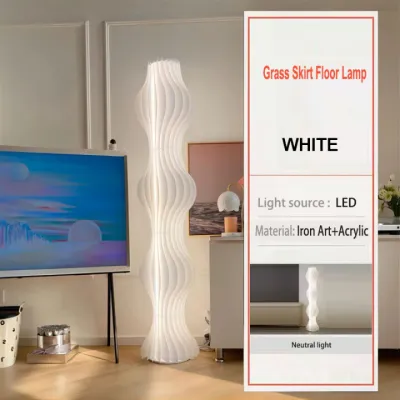
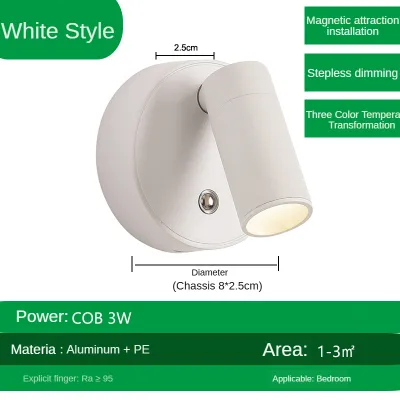
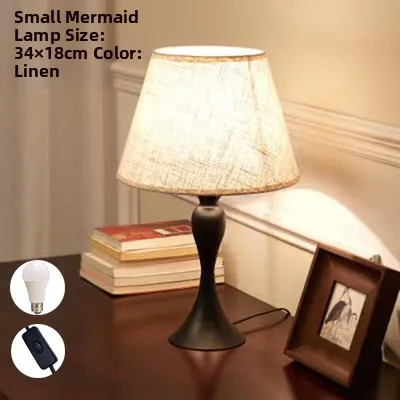
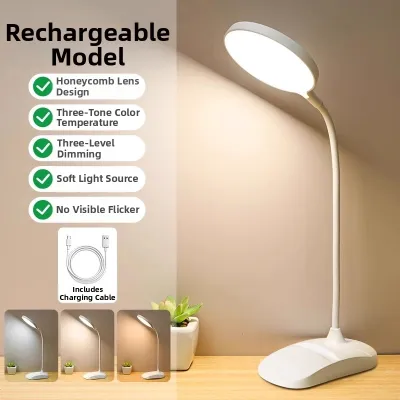
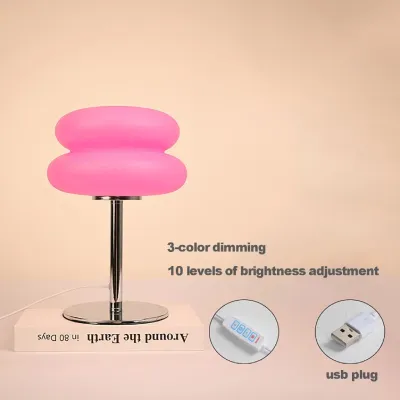
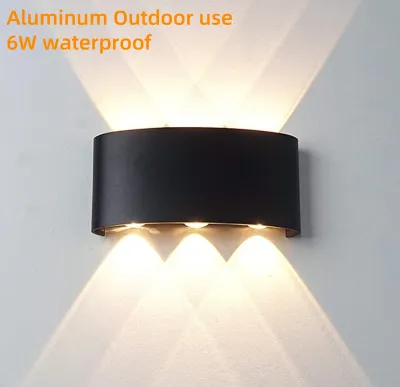
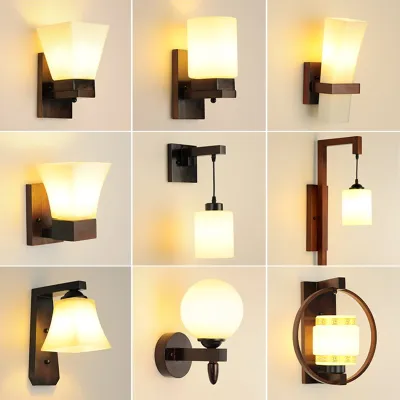
Prices are valid at publication and may change. Please refer to the product page for the latest price.
Finally, the physical footprint and placement requirements of each lamp type will influence your choice. Bedside lamps require a flat, stable surface, meaning they will occupy a significant portion of your nightstand. Reading lamps offer much more spatial flexibility. Many modern designs are wall-mounted, clamp directly onto your headboard, or feature ultra-slim bases, freeing up valuable nightstand real estate.
Choosing an Aesthetic Lamp for Your Bedroom: Style Integration
When selecting an aesthetic lamp for your bedroom, remember that form and function are deeply intertwined. The visual weight of a lamp—how much physical and visual space it occupies—can dramatically alter the mood of your bedroom. A bulky lamp can make a small room feel cluttered, while an overly delicate fixture might get lost in a spacious suite. To achieve a harmonious look, you must consider how the lamp’s proportions, materials, and finishes integrate with your existing furniture, headboard height, and overall decor theme.
Proportion is key to successful styling. As a general rule, the scale of your lamp should match the scale of your nightstand and bed. A massive king-sized bed with a tall headboard demands a substantial bedside lamp with a wide base to maintain visual balance. Conversely, a minimalist platform bed is better suited to a low-profile reading lamp with clean, architectural lines. Additionally, material choices should reflect both your style preferences and your living environment. In tropical climates like the Philippines, high humidity can affect certain materials over time. Opting for rust-resistant metals, treated woods, or high-quality ceramics ensures your lighting fixtures remain beautiful and functional for years to come.
Reading Lamp Aesthetics
Reading lamps are no longer purely utilitarian fixtures; modern designs have transformed them into stylish design statements. Common styles include industrial, minimalist, and mid-century modern, all of which celebrate clean lines and functional elegance. These lamps often feature metallic finishes such as brass, matte black, or polished chrome, which can add a sophisticated, contemporary edge to your bedroom. The exposed joints, counterweights, and adjustment keys of an industrial-style reading lamp can serve as striking visual accents, drawing the eye and adding architectural interest to an otherwise plain wall.
To successfully integrate the mechanical look of a reading lamp into a cozy bedroom setting, balance its hard edges with soft textures. You can soften the visual impact of a metal reading light by pairing it with rich bedroom textiles, such as linen sheets, woven cotton blankets, or a plush tufted headboard. This contrast between the sleek, metallic fixture and the warm, tactile fabrics creates a layered, sophisticated aesthetic that feels both modern and inviting.
Bedside Lamp Aesthetics
Bedside lamps offer unparalleled decorative versatility, serving as classic anchor pieces that define the style of your sleeping space. Because they are designed to be seen as much as they are used, bedside lamps often feature sculptural bases made of ceramic, hand-blown glass, carved wood, or polished stone. These materials allow you to introduce unique textures, colors, and organic shapes into your bedroom, turning a simple light source into a functional work of art. The shade itself is another design opportunity; a pleated fabric shade adds a touch of traditional elegance, while a drum-shaped linen shade offers a clean, transitional look.
Creating symmetry is one of the most effective ways to style bedside lamps. Placing identical lamps on matching nightstands on either side of the bed establishes a sense of order, balance, and classic hotel-like luxury. This symmetrical arrangement frames the bed, making it the clear focal point of the room. If you prefer a more eclectic look, you can choose lamps with different bases but matching shades to maintain a cohesive visual thread while expressing your personal style. Ultimately, your bedside lamps should complement your bedding, wall art, and overall color palette, tying the entire room together into a unified design.
Key Specifications to Verify Before Buying
Before purchasing any lamp, verify several technical and physical specifications to ensure safety, compatibility, and optimal performance in your bedroom. First, always check the product label for bulb compatibility, socket types (such as E27 or E14), and maximum wattage limits. Using a bulb that exceeds the recommended wattage can cause excessive heat buildup, damaging the lamp shade or posing a fire hazard. In the Philippines, where the standard electrical system operates at 220V and 60Hz, ensure that any lamp or bulb is fully compatible with this voltage to prevent electrical malfunctions or premature bulb failure.
Next, consider the switch type and cord management. A bedroom lamp should be easy to operate from a comfortable, lying position. In-line cord switches can easily slip behind your nightstand, forcing you to stretch or reach into awkward gaps in the dark. Touch-sensitive bases, pull chains, or lamps with switches integrated directly onto the base or lamp head offer much better convenience. Additionally, look for fixtures with smart cord management solutions, or use cord covers to keep cables organized and out of sight, maintaining a clean, clutter-free bedside area.
Physical dimensions must also be carefully measured. Compare the height of your nightstand with the height of your mattress. Ideally, when you are sitting up in bed, the bottom of the lamp shade should be roughly at your eye level. If the lamp is too tall, the bare bulb will shine directly into your eyes, causing uncomfortable glare; if it is too short, the light will not cast wide enough to be useful. For wall-mounted reading lights, determine the mounting height carefully before drilling. Ensure there is adequate clearance so you do not accidentally bump your head against the fixture when sitting up or getting out of bed.
Finally, always prioritize electrical safety and proper installation. For any fixture that requires fixed wiring, such as a hardwired wall sconce, always isolate the power at your home’s main circuit breaker before beginning the installation. Carefully follow the manufacturer’s instructions, and if you are unfamiliar with electrical wiring, hire a qualified professional to complete the installation safely. For plug-in lamps, ensure the power cord is not pinched behind heavy furniture and is kept away from areas where it could pose a tripping hazard.
Decision Framework: Which One Fits Your Setup?
To finalize your decision, consider your daily bedroom habits, spatial limitations, and design preferences. A reading lamp is the ideal choice if you are an avid night reader who shares a bed, as its focused beam allows you to read comfortably without keeping your partner awake. It is also the perfect solution for small bedrooms with compact nightstands, as wall-mounted or clamp-on designs preserve valuable surface space. If your bedroom decor leans toward modern, industrial, or minimalist styles, the clean, functional lines of a reading lamp will complement your aesthetic beautifully.
A bedside lamp is best suited for those who prioritize a soft, relaxing ambiance and use their bedroom primarily for winding down, watching television, or meditating. If you have spacious nightstands and want to create a classic, symmetrical look that frames your bed, a pair of decorative bedside lamps will provide the visual weight and warm glow you need. This setup is ideal for traditional, transitional, or bohemian bedroom styles where texture, color, and organic shapes play a central role in the design.
For the ultimate bedroom lighting setup, you do not necessarily have to choose just one. If your space and budget allow, a hybrid or dual-setup offers the best of both worlds. By layering your lighting, you can place a decorative bedside table lamp on your nightstand to provide a warm, ambient glow for the entire room, and install a small, adjustable wall-mounted reading light next to your headboard for focused task illumination. This layered approach allows you to adjust the lighting to suit any mood or activity, creating a truly versatile and comfortable bedroom sanctuary.
Frequently Asked Questions (FAQ)
Can I use a reading lamp as a bedside lamp?
While you can physically use a reading lamp on a nightstand, doing so comes with practical and aesthetic trade-offs. Because reading lamps project a highly focused, directional beam, they do not distribute light evenly across the room. This can create harsh shadows and intense glare if you try to use them for general ambient lighting. Additionally, the mechanical, utilitarian look of a reading lamp may clash with softer, more traditional bedroom decor. However, this crossover can work exceptionally well in industrial, loft-style, or ultra-modern bedrooms, provided you pair the lamp with a lower-wattage, warm-toned bulb to soften the intensity of the beam.
What bulb color temperature is best for bedroom aesthetics?
For bedroom lighting, a warm white color temperature ranging from 2700K to 3000K is highly recommended. This warm light mimics the soft glow of sunset, promoting relaxation and supporting your body’s natural sleep cycle. Warm light also enhances the natural textures of fabric shades, wooden furniture, and warm-toned wall colors, making the space feel incredibly cozy. Before purchasing a bulb, always verify the lamp’s maximum wattage limit and check if the fixture is compatible with smart bulbs. Smart bulbs allow you to adjust both the brightness and the color temperature, giving you the flexibility to switch from a brighter, neutral light for daytime tasks to a very soft, warm glow for your nighttime wind-down routine.
Community discussion
Share your experience or ask a question. Comments are reviewed before publication.