
Choosing the right lamp for study sessions can directly impact your focus, eye comfort, and overall productivity. While a dedicated reading lamp is generally a highly effective choice for intense, focused studying due to its concentrated, directional beam and adjustable design, a bedside lamp can serve as a viable alternative for casual reading or multi-purpose spaces. The decision ultimately hinges on how you manage light distribution, your physical desk layout, and the specific technical features of the fixture you choose.
In tropical climates like the Philippines, where study spaces are often integrated into warm, humid bedrooms, selecting the right lighting also involves practical considerations like heat emission and space efficiency. A bulky lamp that traps heat can make a small study corner uncomfortable during warm tropical nights, while a poorly positioned light source can cause distracting shadows. Understanding the fundamental differences between these two lamp types will help you configure a workspace that supports long hours of learning without causing unnecessary eye strain.
How Light Distribution and Adjustability Affect Your Focus
The primary difference between a reading lamp and a bedside lamp lies in how they distribute light across your workspace. Reading lamps are engineered as task lights, meaning they project a concentrated, narrow beam of light directly onto a specific area, such as a textbook, notebook, or keyboard. This directional illumination helps isolate your study material from the rest of the room, creating a visual zone of focus that can minimize external distractions.
Products mentioned in this guide
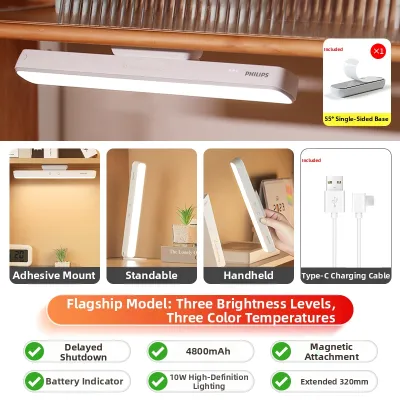
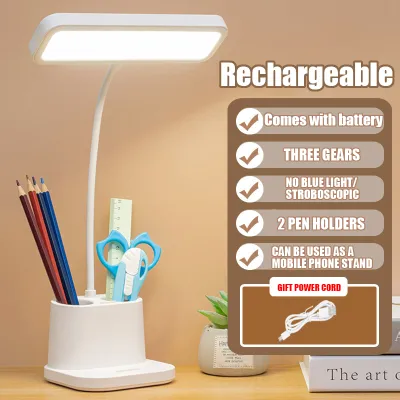
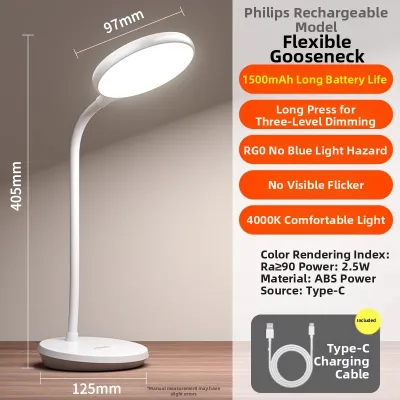
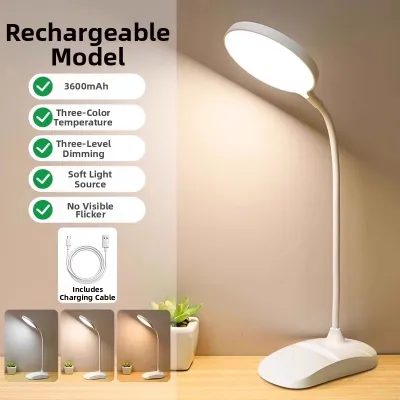
![[Ready Stock+COD] Portable Clip Desk Lamp Eyes Protection Clamp Clip Light Bendable USB Reading Lamp Desk Bedroom](https://img.lazcdn.com/g/p/fe3ecec97a78b930c65c5dda67f67fbd.png_400x400q80.png_.webp)
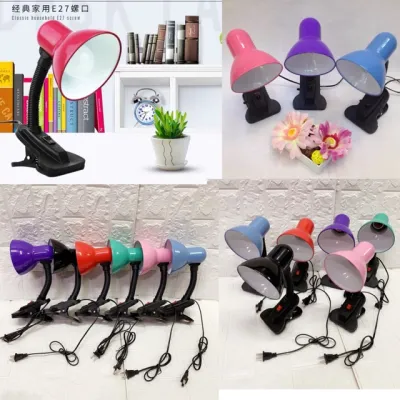
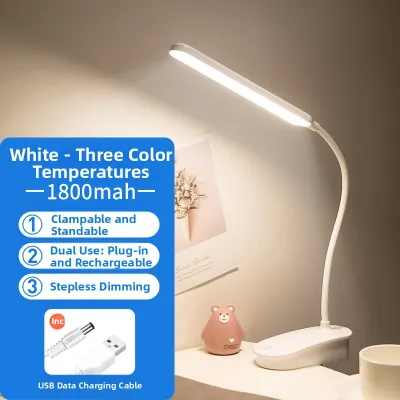
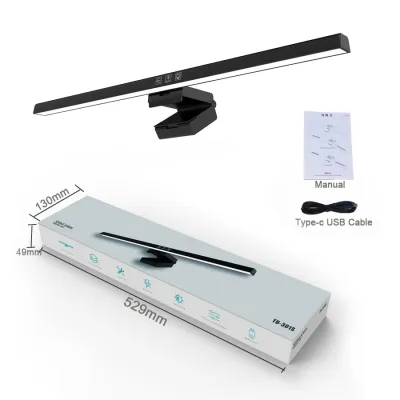
Prices are valid at publication and may change. Please refer to the product page for the latest price.
In contrast, bedside lamps are designed for ambient or diffused lighting. They typically feature shades that scatter light in multiple directions—upward, downward, and through the sides of the shade—to create a soft, relaxing glow throughout the bedroom. While this ambient light is excellent for winding down before sleep, it often lacks the intensity required for detailed tasks. Attempting to study solely under the diffused light of a standard bedside lamp can force your eyes to work harder to resolve fine text, potentially leading to fatigue.
Adjustability is another critical factor where reading lamps hold a distinct advantage. Most dedicated task lights feature flexible goosenecks, articulated arms, or swivel heads that allow you to position the light source precisely where you need it. This physical flexibility is highly beneficial when you need to redirect light to avoid casting shadows from your writing hand. For instance, if you are right-handed, positioning an adjustable lamp on your left side ensures your hand does not block the light as you write.
Bedside lamps, on the other hand, are usually static fixtures with fixed heights and rigid bases. Because you cannot easily adjust their angle or height, you are often forced to move your study materials closer to the lamp, which can compromise your posture. Furthermore, the fixed position of a bedside lamp can lead to direct glare if the bulb is exposed at eye level, or indirect glare if the light reflects harshly off glossy textbook pages or laptop screens.
By choosing a lamp with an adjustable arm, you can control the distance between the light source and your desk surface. This control allows you to manage both the intensity of the light and the spread of the beam. Minimizing harsh shadows and direct glare is essential for maintaining visual comfort, especially during late-night study sessions when your eyes are already tired from a long day.
Key Specifications to Check on the Product Label
When shopping for a lamp for study, relying solely on the aesthetic design or category name is not enough to guarantee a safe and effective study environment. You must carefully inspect the product label and manufacturer specifications to verify technical compatibility and performance. This is particularly important for ensuring the electrical safety of plug-in appliances in your home.

First, verify the voltage and electrical certification of the lamp. In the Philippines, household electrical systems typically operate on 220V at 60Hz. Ensure the lamp’s label explicitly states compatibility with this voltage range to prevent short circuits or damage to the fixture. Look for official quality and safety marks, such as local import commodity clearance stickers or standard safety certifications, which indicate the product has undergone rigorous testing for electrical safety.
Next, examine the brightness, which is measured in lumens rather than watts. Watts only indicate power consumption, whereas lumens measure the actual light output. For focused studying, look for a lamp or bulb that delivers an appropriate lumen output for task work—typically between 400 and 800 lumens depending on your desk size. Checking the luminous efficacy (lumens per watt) can also help you identify energy-efficient models that will not significantly increase your household electricity bill.
Color temperature, measured in Kelvin (K), is another crucial specification that dictates the utility of the light. Cool white or daylight spectrums, ranging from 4000K to 6500K, are generally recommended for studying because they mimic natural daylight, which can help promote alertness and improve contrast when reading fine print. Warm white light, typically around 2700K to 3000K, is more relaxing and suitable for a bedside environment but may induce drowsiness during intense study sessions. Many modern reading lamps offer adjustable color temperature modes, allowing you to switch from a cool, focused light during the day to a warmer, softer light as you prepare for sleep.
Finally, look for manufacturer claims regarding flicker-free technology and glare control. Low-quality LED lamps can exhibit a rapid, often invisible flicker that causes headaches, eye strain, and general discomfort over time. High-quality task lights often feature built-in diffusers or specialized optical lenses designed to distribute light evenly and eliminate flicker. Always check the product packaging or user manual to confirm these protective features are integrated into the lamp’s design.
Evaluating Your Desk Space and Room Setup
Before purchasing any lighting fixture, you must evaluate the physical layout of your study area to determine which lamp form factor is most practical. The amount of available desk surface area is a primary constraint. If you have a compact desk or share a workspace in a crowded room, a large, freestanding bedside lamp with a wide base can consume valuable real estate that you need for books, laptops, and writing materials.
In tight spaces, a reading lamp with a clamp-on base or a slim, minimalist footprint is often the most efficient choice. Clamp-on lamps secure directly to the edge of your desk or an adjacent shelf, freeing up your entire desktop for study essentials. If you prefer a freestanding model, look for a task lamp with a heavy but compact base that provides stability without taking up excessive space. This stability is important in households where electric fans are frequently used to cool the room, as lightweight, poorly balanced lamps can easily tip over in a strong breeze.
Power outlet proximity and cord management are also vital considerations. Bedside tables are usually positioned close to wall outlets, but dedicated study desks might be placed further away to maximize natural light from windows. Measure the distance from your desk to the nearest outlet and check the lamp’s cord length before buying. Using long, dangling extension cords can create tripping hazards and clutter your room, so choosing a lamp with an appropriate cord length or considering a rechargeable, cordless LED model can improve both safety and neatness.
If you do not have a dedicated study desk and must study in multi-purpose areas—such as a dining table, a shared living room, or even on your bed—portability becomes a key factor. A lightweight, battery-operated reading lamp can easily be moved from room to room as your study location changes. Conversely, a heavy ceramic or glass bedside lamp is designed to remain stationary and can be difficult and risky to transport frequently, especially in busy households where accidental drops are more likely to occur.
Which Lamp Should You Choose for Your Study Routine?
To make the final decision, you should align your choice with your daily study habits, room configuration, and existing lighting setup. If your routine involves long, uninterrupted hours of intense reading, writing, or technical drawing, a dedicated reading lamp is undoubtedly the better investment. The precise control over light direction, adjustable brightness levels, and cool color temperatures provided by a high-quality task light will help you maintain focus and protect your eyes from premature fatigue.
On the other hand, if your study sessions are relatively short, casual, or primarily take place in bed right before sleep, a bedside lamp may suffice. This option is particularly appealing if you prefer a cozy, multi-purpose bedroom environment where the lamp serves as both a decorative element and a soft light source for winding down. However, if you choose this path, you must ensure the bedside lamp is positioned in a way that minimizes shadows on your reading material.
Before purchasing an entirely new fixture, it is highly practical to verify whether your existing bedside lamp can be upgraded to better suit your study needs. You can often replace a standard incandescent bulb with a compatible smart LED bulb that allows you to adjust both brightness and color temperature via a mobile app or remote control. Additionally, swapping a highly translucent, decorative shade for an opaque shade that directs light downward can instantly transform a simple bedside lamp into a more effective, semi-directional task light. This approach can save you money, with compatible bulbs often costing only a few hundred pesos (₱) compared to the price of a brand-new premium desk lamp.
Frequently Asked Questions (FAQ)
Can I use a smart bulb in a bedside lamp for studying?
Yes, you can use a smart bulb to adapt a bedside lamp for studying, provided you verify a few critical compatibility factors first. Check the lamp’s socket type (such as E27 or E14) and ensure the smart bulb matches it perfectly. You must also check the maximum wattage limit printed on the lamp’s safety label; smart LED bulbs generally consume very low wattage, but it is still essential to stay within the manufacturer’s specified limits. Finally, consider the lamp shade. If the shade is highly decorative or completely blocks downward light, even a bright smart bulb may not provide sufficient illumination for comfortable reading.
Does the lamp shade material affect study comfort?
Yes, the material of the lamp shade significantly influences visual comfort during study sessions. Opaque materials, such as metal, thick plastic, or dense paper, block light from escaping through the sides and force it to project upward and downward. This creates a more concentrated, directional beam that is highly suitable for task work. Translucent materials, like thin fabric, frosted glass, or light-colored paper, allow light to diffuse in all directions. While translucent shades create a warm and inviting room atmosphere, they can also cause distracting glare if the lamp is positioned directly in your line of sight while studying.
Community discussion
Share your experience or ask a question. Comments are reviewed before publication.