
Quick Answer: Reading Lamp or Bedside Lamp?
If your primary nighttime activity is reading physical books, e-readers, or documents in bed, you need a reading lamp. These fixtures provide focused, adjustable task lighting that directs light exactly where you need it without spilling across the entire room.
If you primarily use your bedroom to wind down, navigate the space safely in the dark, or create a relaxing atmosphere before sleeping, a bedside lamp is the correct choice. These lamps offer diffused, low-glare ambient lighting that softens the room’s environment.
Ultimately, your decision depends on whether you prioritize high-contrast visual clarity for reading or gentle, widespread illumination for general bedside convenience.
Products mentioned in this guide
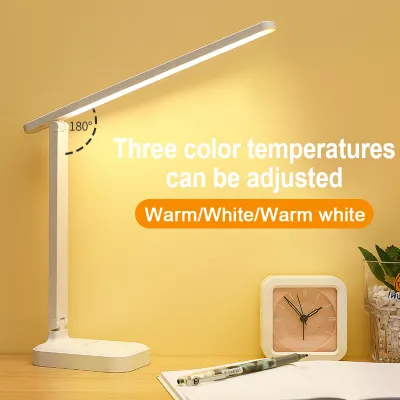
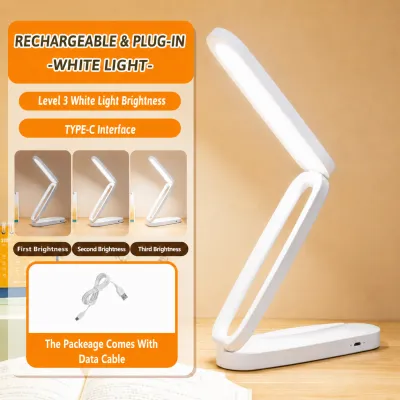
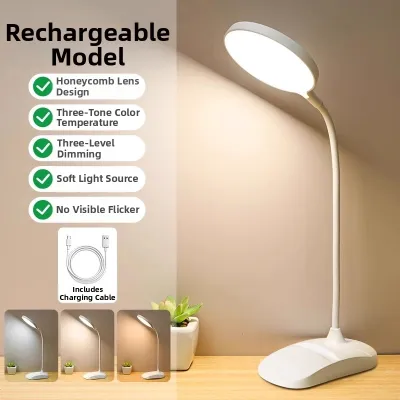
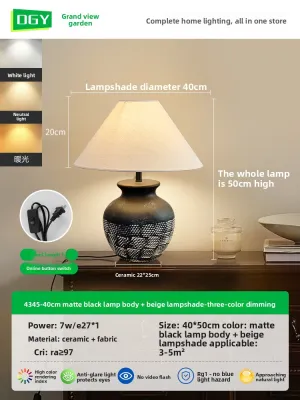
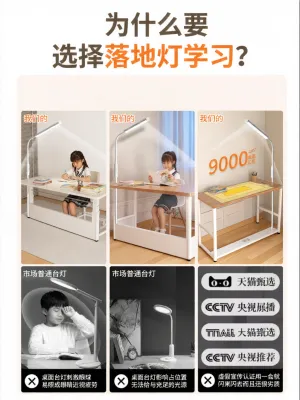
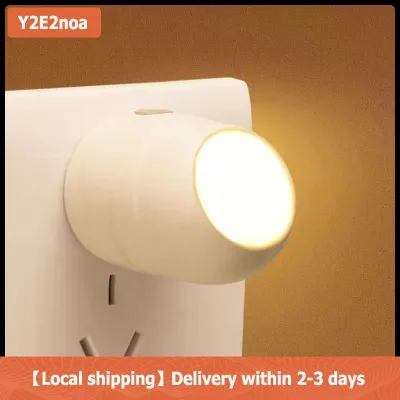
Prices are valid at publication and may change. Please refer to the product page for the latest price.
Core Functional and Design Differences
The fundamental difference between these two lighting options lies in how they distribute light and how they occupy space on your nightstand.

Light Direction and Beam Angle Reading lamps are engineered for task lighting. They utilize a narrow, concentrated beam angle to project light downward or directly onto a page. This targeted approach ensures that the surrounding area remains relatively dark, which is highly beneficial if you share a bed with a partner who is trying to sleep. In contrast, bedside lamps are designed for ambient lighting. They distribute light in an omnidirectional pattern, casting a soft glow upward, downward, and outward through a semi-translucent shade to illuminate a broader section of the room.
Physical Footprint and Base Stability Bedside lamps typically feature a wider, more decorative base that requires a stable, flat surface. In tropical climates where bedrooms might feature compact nightstands or wooden side tables susceptible to humidity-induced warping, checking the footprint of the lamp base is essential. Reading lamps often come in more diverse form factors, including clamp-on designs, wall-mounted swing arms, or slim, minimalist bases that occupy minimal surface area.
Shade Materials and Glare Control The shade of a bedside lamp is usually made of fabric, paper, or frosted glass. These materials diffuse the light, reducing harsh shadows and preventing direct glare from the bulb. Reading lamps, however, often feature opaque metal or thick plastic shades that completely block lateral light, funneling the entire output through an open aperture directly onto your reading material.
Key Specifications to Compare Before Buying
When searching for the right light lamp for your room, comparing technical specifications on the product label is the most reliable way to ensure visual comfort and safety.
Brightness and Dimming Capabilities For a bedside lamp, a lower brightness level is generally preferred to help your eyes transition to sleep. Look for bulbs or integrated LED fixtures that offer adjustable dimming. If you are selecting a reading lamp, you will need higher brightness (measured in lumens) concentrated on your page. Verify if the lamp supports dimming, as this allows you to adjust the intensity based on the ambient light already present in the room.
Color Temperature (Kelvin) Color temperature significantly impacts your circadian rhythm and visual focus. For sleep preparation and general relaxation, look for warm light sources, typically ranging from 2,700 Kelvin (K) to 3,000K. This warm, yellowish glow mimics sunset and promotes relaxation. For active reading, a slightly cooler, neutral white light between 3,000K and 4,000K can improve contrast and reduce eye strain, though you should avoid extremely cool blue light (above 5,000K) right before bed as it can interfere with sleep quality.
Adjustability Features A high-quality reading lamp should offer physical adjustability. Look for features such as flexible goosenecks, multi-jointed swing arms, or pivoting heads. These mechanical components allow you to position the light source precisely, preventing your head or hands from casting shadows on your book. Bedside lamps are generally fixed structural designs, relying on their static position to fill the immediate area with light.
Electrical and Interface Specifications Before finalizing any purchase on an online marketplace or at a local retail store, verify the electrical compatibility. In the Philippines, the standard household voltage is 220V at 60Hz. Ensure the lamp’s label explicitly states compatibility with this voltage to prevent short circuits or premature bulb failure. Additionally, check the socket interface (such as standard E27 or E14 screw bases) to ensure you can easily source replacement bulbs locally.
Decision Framework: Which Lamp Fits Your Space?
To determine which fixture best serves your bedroom, evaluate your daily habits, room layout, and spatial constraints using this practical decision framework.
Choose a Reading Lamp If:
- Focused Activity: You spend significant time reading physical books, studying, or doing detailed handiwork in bed.
- Partner Consideration: You share a bed and need to keep the light focused strictly on your side of the mattress to avoid waking your partner.
- Space Constraints: Your nightstand is exceptionally small, cluttered, or non-existent, making a wall-mounted or clamp-on task light the most space-efficient option.
Choose a Bedside Lamp If:
- Relaxation Focus: Your primary bedroom activities before sleep involve winding down, watching television, meditating, or using a phone or tablet (which already have backlit screens).
- Room Navigation: You require a steady, low-intensity light source to safely navigate the room during the night or early morning.
- Aesthetic Value: You want the lamp to serve as a decorative design element that complements your bedroom's overall aesthetic and furniture style.
Consider Hybrid or Dual-Purpose Options: If your space is limited but you require both ambient and task lighting, look for hybrid fixtures. Some modern bedside lamps feature a traditional fabric shade for ambient light alongside an attached, adjustable LED gooseneck reading light on a separate switch. This configuration allows you to toggle between soft room lighting and focused reading light as your needs change throughout the evening.
Safety, Installation, and Placement Checks
Proper installation and safety checks are critical to prevent electrical hazards, physical accidents, and damage to your home.
Voltage and Certification Verification Always inspect the product packaging or the physical label on the lamp base for official safety certifications, such as the Philippine Standard (PS) mark or the Import Commodity Clearance (ICC) sticker. These marks indicate that the product has undergone safety testing for the local market. Never operate a lamp that shows signs of frayed wiring, loose plugs, or cracked sockets.
Cord Routing and Tripping Hazards Position your lamp close to an electrical outlet to avoid stretching the power cord across walkways. If you must route a cord behind furniture, ensure it is not pinched under heavy bed frames or nightstand legs, as compressed insulation can lead to electrical fires. In humid tropical environments, keep cords away from areas prone to condensation or moisture buildup, such as near open windows or air conditioning units.
Base Weight and Stability If you choose a tabletop bedside lamp, verify that the base is heavy enough to prevent the lamp from tipping over if bumped in the dark. This is especially important on narrow nightstands. For wall-mounted reading lights, ensure the mounting hardware is securely anchored into the wall structure. If you are installing a hardwired wall fixture, always isolate the power at the main circuit breaker before beginning installation, or hire a qualified professional electrician to complete the wiring safely.
Clearance from Flammable Materials All light bulbs generate heat during operation. Maintain a safe clearance of at least several inches between the lamp bulb or shade and flammable materials such as bedsheets, curtains, mosquito nets, or wooden headboards. Always refer to the manufacturer’s instructions for specific clearance distances and maximum allowable bulb wattages to prevent overheating.
Frequently Asked Questions (FAQ)
Can I use a bedside lamp for reading?
While you can use a bedside lamp for occasional reading, it is not ideal for prolonged sessions. The diffused, omnidirectional light from a bedside lamp often lacks the intensity and focus required for high-contrast reading, which can lead to squinting and eye fatigue. If you must use a bedside lamp for reading, check the manufacturer’s label on the socket to find the maximum allowable wattage. If safe, you can install a brighter, higher-lumen bulb with a neutral white color temperature (around 3,000K to 3,500K) to improve visibility, provided it does not exceed the lamp’s rated limit.
How do I prevent a lamp from glaring in my eyes while lying down?
To prevent uncomfortable glare, the bottom of the lampshade should align roughly with your eye level when you are sitting up or reclining in bed. If the lamp is too tall or the nightstand is too high, you will look directly up into the exposed bulb. When shopping, check for lamps with opaque, lined, or deeply recessed shades that shield the bulb from direct line-of-sight. For adjustable reading lamps, position the light head slightly behind your shoulder and point the beam downward onto your book rather than directly toward your face.
Community discussion
Share your experience or ask a question. Comments are reviewed before publication.