
Choosing between a reading lamp and a bedside lamp comes down to how you spend your final hours before sleep. While they both sit on your nightstand, they serve entirely different purposes. A reading lamp is a functional task light designed to focus illumination directly onto a page or device, protecting your eyes from strain. A bedside lamp, on the other hand, is an ambient light source meant to bathe your bedroom in a soft, relaxing glow that prepares your mind for rest.
To make the right choice for your bedroom, you must evaluate your nightly routine, your physical space, and how you interact with light. Selecting the wrong type can lead to restless nights, eye fatigue, or even disrupted sleep for your partner.
Assess Your Nighttime Habits to Find Your Lighting Match
Your evening routine is the most reliable guide for choosing a table lamp. If you spend an hour or more immersed in a physical book, an e-reader, or a tablet, your eyes require consistent, directed light. Insufficient or uneven lighting forces your eyes to work harder, leading to dryness and headaches before you even turn off the lights.
Products mentioned in this guide
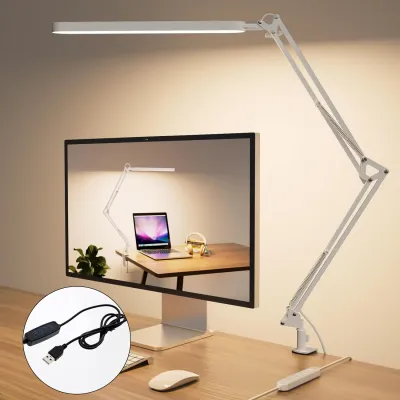
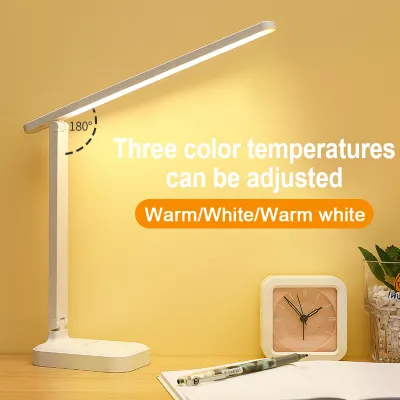
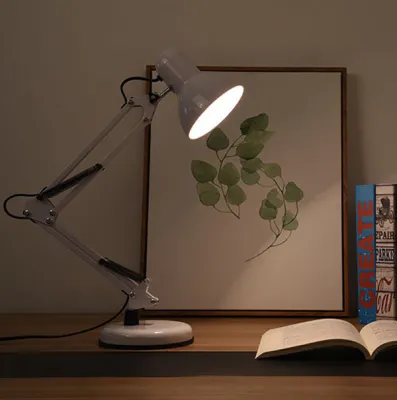
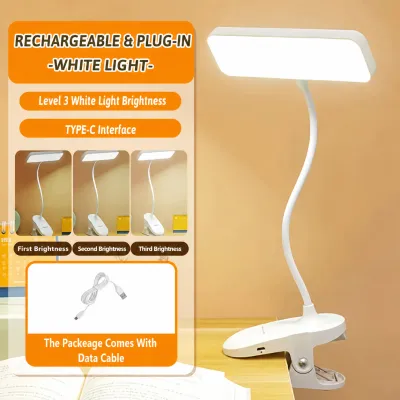
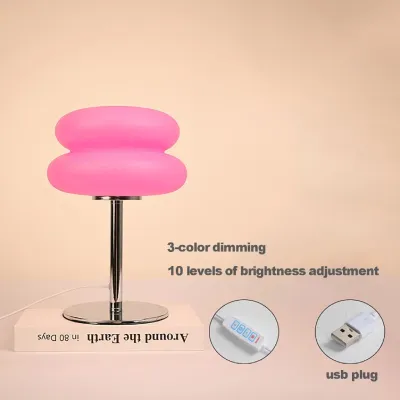
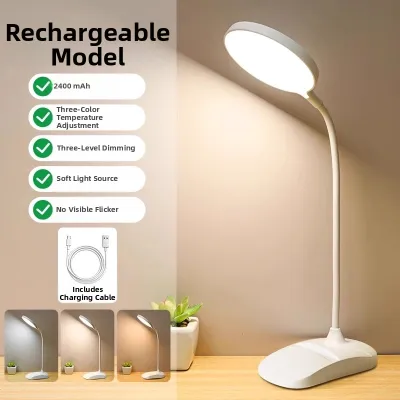
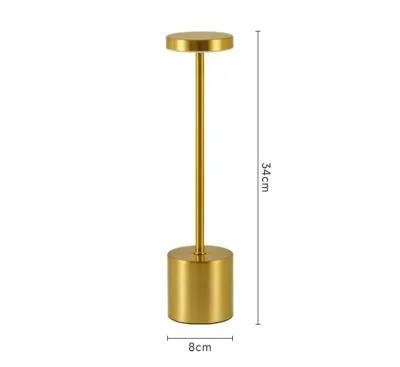

Prices are valid at publication and may change. Please refer to the product page for the latest price.
Conversely, if your pre-sleep routine consists of listening to music, meditating, or simply chatting with your partner, a high-intensity task light is unnecessary. For these passive activities, a gentle, diffused glow is far more effective at signaling to your brain that it is time to wind down.
Consider whether you share your bed. A wide-beaming table lamp can easily spill light across the entire mattress, keeping your partner awake while you read. If your schedules differ, a highly targeted beam that keeps the rest of the room dark is essential for maintaining household harmony.
Finally, think about your late-night navigation habits. If you frequently wake up to get a glass of water or use the bathroom, a harsh, bright light can shock your eyes and make it difficult to fall back asleep. A low-intensity, easily accessible bedside light provides just enough visibility to guide your steps safely without fully waking you up.
Key Differences Between Reading and Bedside Lamps
Understanding the technical and physical differences between these two lighting types will help you evaluate product specifications when shopping. The primary distinction lies in the beam angle and light distribution. Reading lamps utilize concentrated, directional beams to illuminate a specific, narrow area. Bedside lamps use shades—often made of fabric, frosted glass, or paper—to scatter light in all directions, creating a warm, ambient atmosphere.

Brightness and dimming capabilities also differ significantly. A dedicated reading lamp requires higher localized brightness to ensure text is crisp and legible. However, because static high brightness can disrupt sleep hormones, having a dimming feature is highly beneficial. Bedside lamps generally operate at lower brightness levels, focusing on soft illumination rather than high visual clarity.
Color temperature plays a critical role in how your body transitions to sleep. Cool, blue-toned light promotes alertness and focus, making it excellent for daytime work but highly disruptive at night. Warm, amber-toned light mimics the sunset, encouraging the natural production of melatonin. While reading lamps sometimes use a slightly cooler neutral white for better contrast, bedside lamps almost exclusively rely on warm light.
Physical adjustability is another major differentiator. Reading lamps often feature flexible goosenecks, adjustable joints, or swing arms that allow you to position the light source exactly where you need it. Bedside lamps are typically static decorative fixtures with fixed bases and shades, designed to remain in one place as a permanent design element.
When selecting any table lamp, always verify the electrical specifications to ensure safety and compatibility in your home. In the Philippines, this means checking that the fixture is rated for 220V and features reliable local electrical certifications, such as the PS or ICC mark. Additionally, verify the bulb base interface (such as E27 or GU10), the maximum wattage limit of the socket, and whether the physical dimensions fit your nightstand without crowding. In humid tropical climates, look for corrosion-resistant materials like treated wood, high-quality plastics, or powder-coated metals to ensure longevity.
Signs You Need a Dedicated Reading Lamp
If you regularly experience eye strain, squinting, or physical fatigue while reading in bed, a standard table lamp is likely insufficient. Prolonged reading under inadequate light forces your eye muscles to contract continuously to focus on small text. A dedicated reading lamp provides the sharp contrast and targeted illumination needed to keep your eyes relaxed during long reading sessions.
Another clear sign is when your nighttime reading habits cause friction with your partner. If you find yourself trying to shield a standard lamp with a book or pillow to keep the light out of your partner’s eyes, you need a directional reading light. A lamp with a narrow beam angle can be pointed directly at your pages, keeping your side of the bed illuminated while leaving the other side in comfortable darkness.
Furthermore, if you read on glossy paper or reflective tablet screens, a fixed bedside lamp can create distracting glare. A reading lamp with an adjustable arm allows you to change the angle of incidence, directing the light so that reflections bounce away from your eyes rather than directly into them.
When a Standard Bedside Table Lamp Is Enough
For many people, the bedroom is strictly a sanctuary for rest rather than a study space. If your evening routine involves minimal reading—perhaps just a quick glance at your phone notifications or a few minutes with an audiobook—a standard bedside table lamp is more than enough. You do not need the precision of a task light if your primary goal is simply to transition from a bright day to a dark night.
A bedside lamp is also the ideal choice if you prioritize a cozy, inviting aesthetic. These lamps function as key design elements in bedroom decor, with shades and bases that complement your furniture, curtains, and bedding. The soft, room-filling glow they emit helps soften hard shadows, making the entire room feel larger, warmer, and more relaxing.
If your primary practical need is safe nighttime navigation, a bedside lamp with an easily reachable switch or a touch-sensitive base is highly practical. It provides a reliable, gentle guide for midnight trips without the intense, focused glare that a task light might produce.
Can One Table Lamp Do Both? Evaluating Dual-Purpose Options
If your routine includes both intense reading sessions and quiet relaxation, you might wonder if you can find a single table lamp that serves both functions. Fortunately, modern lighting technology makes dual-purpose options highly viable, provided you know what features to verify before purchasing.
First, look for advanced adjustable features. A truly versatile table lamp should offer step-less dimming or multiple brightness presets, allowing you to transition from a bright reading mode to a low-intensity nightlight. Color temperature toggles are equally important; look for models that let you switch between a neutral white for reading and a warm amber for winding down.
Second, evaluate the physical design and stability of the lamp. A dual-purpose lamp often requires frequent adjustment. Ensure the base is heavy and stable enough to prevent tipping when you adjust the swing arm or gooseneck. The joints should feel firm and hold their position without drooping over time.
Finally, always review the manufacturer’s specifications and product labels. If the lamp uses replaceable bulbs, verify the compatible bulb types and wattage limits. Using an LED bulb that supports both dimming and color temperature adjustments is often the safest and most energy-efficient way to achieve a dual-purpose setup without overloading the fixture’s electrical capacity.
Frequently Asked Questions (FAQ)
Is a warm or cool light better for reading in bed?
For nighttime reading, a warm or neutral warm light (around 2700K to 3000K) is generally better. While cool light (4000K and above) provides higher contrast and makes text easier to read, it contains high levels of blue light that can suppress melatonin production and disrupt your sleep cycle. If you read close to bedtime, prioritize a warm light to protect your sleep quality, or choose a lamp with adjustable color temperatures so you can use neutral light earlier in the evening and switch to warm light as sleep approaches.
How bright should a bedside reading lamp be?
The ideal brightness depends on your distance from the lamp and the ambient light in the room. Generally, a light output of 300 to 450 lumens is sufficient for reading without causing eye strain. Rather than focusing on a fixed brightness level, it is highly recommended to choose a dimmable fixture. This allows you to adjust the light output based on how tired your eyes are and how dark the rest of the room is, ensuring comfortable reading without disturbing anyone else in the room.
Community discussion
Share your experience or ask a question. Comments are reviewed before publication.