
Reading lamps and bedside lamps are often placed in the same physical spot in a bedroom, yet they are engineered to perform entirely different lighting tasks. A reading lamp is a specialized task light designed to focus a narrow, adjustable beam of light directly onto a book, tablet, or document, minimizing eye strain and keeping the surrounding room relatively dark. In contrast, a bedside lamp is an ambient light source designed to scatter a soft, warm, and diffused glow throughout the immediate area, helping you wind down before sleep, navigate the room safely in the dark, and add a decorative element to your nightstand. Choosing the right option requires evaluating your nightly habits, your bedroom layout, and whether you share your sleeping space with a partner who prefers a dark environment.
Core Functional and Design Differences
Understanding the physical and functional differences between these two lamp types explains why they cannot always substitute for one another. The primary distinction lies in light distribution. A reading lamp utilizes a directional beam, concentrating its light output onto a specific, localized surface. This focused illumination is achieved through opaque or semi-opaque shades, often made of metal, thick plastic, or dense composite materials, which prevent light from escaping sideways. Conversely, a bedside lamp is designed for omnidirectional light distribution. It uses a translucent shade—typically made of fabric, paper, or frosted glass—to soften, scatter, and diffuse the light in all directions, creating a gentle wash of ambient illumination that fills the corner of the room.
Adjustability is another major design differentiator. Reading lamps are built with flexibility in mind, frequently featuring adjustable goosenecks, articulated swing arms, or rotating swivel heads. This allows you to position the light source at the exact angle and height needed to illuminate your pages without casting shadows from your hands or head. Bedside lamps, however, generally feature fixed bases and static shades. They are designed to remain stationary, providing a consistent level of background light rather than adapting to dynamic physical tasks.
Products mentioned in this guide
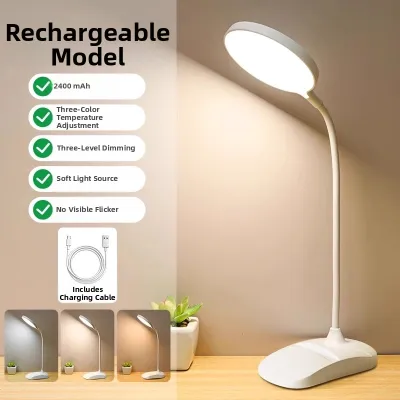

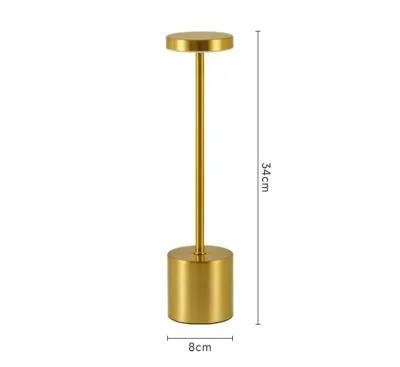
Prices are valid at publication and may change. Please refer to the product page for the latest price.
Material choices also play a significant role in how these lamps perform, particularly in tropical environments. In regions with high humidity, such as the Philippines, fabric or paper shades on bedside lamps can gradually accumulate moisture and airborne dust, requiring regular maintenance to prevent staining or musty odors. Reading lamps, with their smooth metal or plastic construction, are often easier to wipe clean and maintain over time, making them highly practical for long-term use in warm, humid climates.
Key Specifications to Verify Before Buying
When shopping for a bedroom lamp, relying solely on aesthetic appeal can lead to practical frustration. It is essential to verify specific technical details on the product packaging or online listing to ensure the fixture fits your space and electrical setup.

First, examine the brightness and color temperature specifications. Brightness is measured in lumens, while color temperature is measured in Kelvin (K). For a bedside lamp intended for relaxation, look for a lower lumen output and a warm color temperature, typically between 2700K and 3000K. This warm, yellowish glow mimics sunset and helps signal to your body that it is time to rest. For a reading lamp, you may require a higher lumen output to prevent eye fatigue, along with a slightly cooler or neutral color temperature, such as 3000K to 4000K, which provides sharper contrast for text. However, avoid excessively cool blue light (above 5000K) right before bed, as it can interfere with your natural sleep cycle.
Second, verify bulb compatibility and wattage limits. Every lamp fixture has a safety label indicating the maximum wattage it can safely handle and the specific socket type, such as E27 or E14, which are standard in local retail stores. Exceeding the maximum wattage limit is a serious safety hazard that can cause the fixture to overheat, potentially melting plastic components or damaging fabric shades. If you plan to use energy-efficient LED bulbs, ensure the lamp base is compatible, and check if the fixture supports dimming if you want adjustable brightness levels.
Third, consider the switch type and its physical placement. A lamp is of little use if you have to stretch uncomfortably or climb out of bed to turn it off. In-line cord switches, which sit along the power cable, can easily slip behind a nightstand, making them difficult to locate in the dark. Look for lamps with switches integrated into the base, touch-sensitive controls, or compatibility with smart plugs and smart bulbs that allow you to control the light via a smartphone or voice commands.
Finally, measure the physical footprint of the lamp and the length of its power cord. A bulky bedside lamp can quickly crowd a small nightstand, leaving no room for a phone, a glass of water, or personal items. Ensure the base fits comfortably within your table’s dimensions. Additionally, measure the distance from your nightstand to the nearest wall outlet. In many bedroom layouts, outlets are not perfectly positioned, so verifying that the lamp’s cord is long enough to reach safely without being stretched tight is a crucial pre-purchase step.
Which Lamp Fits Your Bedroom Routine?
Selecting the right fixture comes down to a clear assessment of your nightly routine and bedroom constraints. There is no universal winner, as the ideal choice depends entirely on how you utilize your space in the evening.
You should choose a dedicated reading lamp if your pre-sleep routine involves focused activities like reading physical books, studying documents, or working on detailed crafts in bed. The directional beam ensures that your work area is brightly lit while the rest of the room remains dim. This is particularly beneficial if you share a bed with a partner, as you can position the light to fall strictly on your side of the mattress, allowing them to sleep undisturbed in the dark.
On the other hand, a bedside lamp is the right choice if you primarily use your bedroom for winding down, watching television, or meditating before sleep. The soft, diffused glow creates a relaxing atmosphere that helps ease transition into sleep. It also provides sufficient ambient light to safely navigate the room at night—such as finding your slippers or walking to the bathroom—without the harsh glare of a main overhead light.
If your routine demands both functions but your nightstand space is limited, a hybrid or dual-setup is a highly effective solution. You can install a wall-mounted reading light with an adjustable arm directly above your headboard for focused reading, while keeping a small, low-wattage table lamp on your nightstand for ambient warmth. This layout maximizes your usable table surface while giving you complete control over your lighting environment.
Before making a final decision, always verify your physical space and electrical layout. Note the positions of your wall outlets, the height of your headboard, and the size of your nightstand. Taking these measurements beforehand ensures that whichever lamp you choose will integrate seamlessly into your bedroom without requiring awkward extension cords or furniture rearrangements.
Safe Placement and Installation Checks
Proper installation and placement are critical to ensuring your bedroom lighting remains safe, functional, and free of hazards.
Start by assessing the stability of the lamp. A bedside or reading lamp should have a heavy, well-balanced base to prevent it from tipping over if bumped accidentally in the dark. Route the power cord flat along the floor, ideally behind the nightstand or bed frame, to prevent it from becoming a tripping hazard. Never run cords under rugs or carpets, as walking over them can wear down the insulation and create a fire risk.
Next, maintain proper heat clearance. Even energy-efficient LED bulbs generate some heat, and traditional incandescent or halogen bulbs can become extremely hot to the touch. Ensure there is adequate space between the bulb, the lamp shade, and any flammable materials such as bedsheets, pillows, curtains, or wooden headboards. Fabric and paper shades should never come into direct contact with the bulb itself.
Finally, verify the electrical specifications of your home. In the Philippines, the standard residential voltage is 220V. Ensure that any imported lamp fixtures or bulbs you purchase are rated for this voltage to prevent electrical malfunctions or damage to the device. Avoid daisy-chaining multiple extension cords or overloading a single wall outlet with too many appliances, as this can lead to short circuits. For any wall-mounted fixtures that require fixed electrical wiring, always isolate the power at the main circuit breaker before installation, follow the manufacturer’s instructions carefully, or hire a qualified professional to complete the work safely.
Frequently Asked Questions (FAQ)
Can I use a bedside lamp for reading?
While you can use a bedside lamp for reading, it is not ideal for extended periods. Because bedside lamps diffuse light in all directions, they often fail to provide the concentrated brightness needed for close-up reading, which can lead to eye strain and fatigue. If you choose to read by a bedside lamp, verify that the bulb has a sufficient lumen rating and position yourself as close to the light source as possible to minimize shadows on your page.
Are smart bulbs a good alternative to buying a new lamp?
A smart bulb is an excellent, cost-effective upgrade that can add versatility to an existing fixture. By installing a smart bulb, you can adjust both the brightness and the color temperature to suit different times of night, transitioning from a brighter light for reading to a very dim, warm glow for sleeping. However, a smart bulb cannot alter the physical design of your lamp; if your fixture has a highly diffused fabric shade, it still will not be able to focus light into a narrow, directional beam like a dedicated reading lamp.
How do I clean fabric lamp shades without damaging them?
To clean a fabric lamp shade safely, always unplug the lamp and allow the bulb to cool completely. Use a soft-bristled brush, a lint roller, or a dry microfiber cloth to gently sweep away dust and debris from the surface. Avoid using water, liquid cleaners, or harsh chemicals, as moisture can cause water spots on the fabric, rust the internal metal frame, or dissolve the adhesives holding the shade together, particularly in humid climates. Always check the manufacturer’s care label for specific cleaning instructions.
Community discussion
Share your experience or ask a question. Comments are reviewed before publication.