
Choosing the right bedroom lighting often comes down to a fundamental choice between a dedicated reading lamp and a traditional bedside table lamp. While both fixtures sit comfortably on a nightstand, they serve entirely different purposes in your daily routine. A reading lamp is designed to deliver concentrated, directional light directly onto a book or device, minimizing eye strain during late-night study sessions. In contrast, a bedside table lamp acts as an ambient light source, scattering a soft, warm glow throughout the room to help you wind down before sleep. Understanding these differences in light direction, brightness, and physical design ensures you select a fixture that supports your lifestyle and protects your visual comfort.
Core Functional Differences: Light Direction and Beam Angle
The primary distinction between these two lighting types lies in how they direct and distribute light across your space. Reading lamps are engineered for task lighting, featuring adjustable necks, swing arms, or pivoting heads that allow you to guide the light exactly where it is needed. This physical adjustability means you can position the light source to illuminate your book pages directly while keeping the rest of the room relatively dark. The shades on these lamps are typically opaque, constructed from metal or dense plastic, which prevents light from escaping sideways and forces it into a concentrated, narrow beam.
Bedside table lamps, on the other hand, are designed for ambient or accent lighting. They feature fixed bases and semi-translucent shades made of fabric, paper, or frosted glass that diffuse light in a 360-degree pattern. Instead of focusing on a single spot, a bedside lamp spreads a soft glow across the walls and ceiling, reducing harsh shadows and creating a relaxing atmosphere. This omnidirectional light distribution is ideal for general bedroom activities, such as folding clothes, navigating the room in the dark, or winding down before sleep.
Products mentioned in this guide
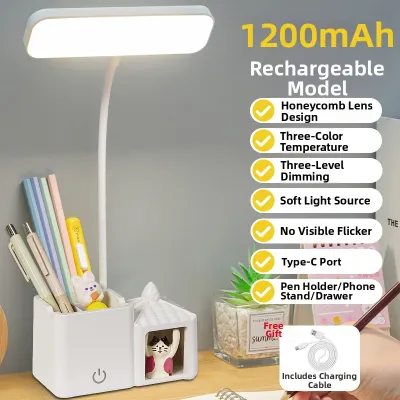
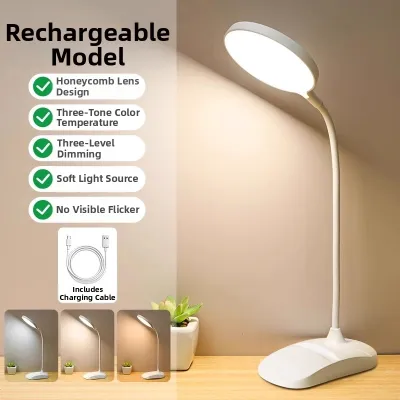
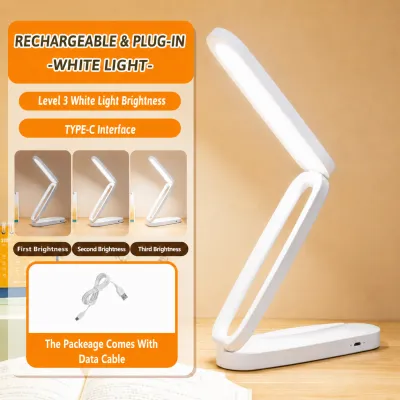
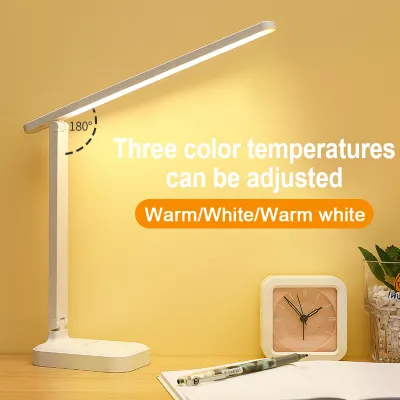

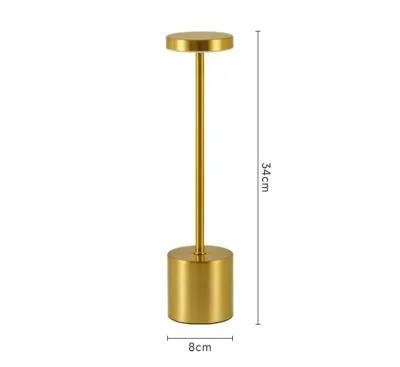
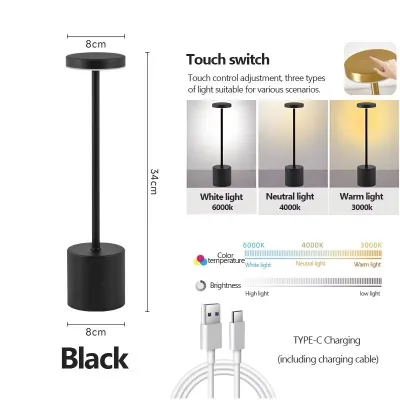
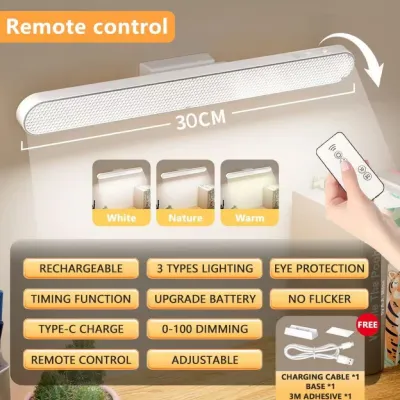
Prices are valid at publication and may change. Please refer to the product page for the latest price.
When shopping for these fixtures, it is important to look beyond visual assumptions. Always check the manufacturer specifications and product packaging for details on beam angle and shade opacity. A lamp that looks like a task light might have a wide-angle lens that scatters light too broadly, while an ambient lamp with an exceptionally dark shade might fail to provide enough general illumination for your room.
Brightness and Color Temperature: Task Focus vs Ambient Mood
Brightness and color temperature play critical roles in how your eyes react to nighttime lighting. Reading lamps generally require a higher concentrated lumen output to ensure text is sharp and legible. When reading, insufficient brightness forces your eye muscles to work harder, leading to fatigue and headaches. However, because the light is highly focused, the overall lumen output of the bulb does not need to illuminate the entire room, allowing you to use a lower-wattage bulb that still delivers high intensity to a localized area.

Color temperature, measured in Kelvins (K), also dictates the functionality of the light. Cool white or daylight temperatures (ranging from 4000K to 5000K) enhance contrast and alertness, making them excellent for detailed reading or study. However, exposure to cool blue light shortly before bed can interfere with your natural sleep cycle. For a bedside lamp intended for relaxation, warm white temperatures (around 2700K to 3000K) are highly recommended. This warmer hue mimics the soft glow of sunset, signaling to your brain that it is time to rest.
Before purchasing a bulb for either lamp type, verify the compatibility requirements directly on the lamp’s base or in the user manual. Pay close attention to the maximum wattage limit to prevent overheating, and check if the fixture supports dimming. If you plan to use a dimmer switch, ensure both the lamp hardware and the replacement bulb are explicitly rated for dimming to avoid annoying flickering or buzzing noises.
Design, Size, and Placement: Fitting Your Nightstand or Desk
Selecting the right lamp requires careful consideration of physical dimensions and placement. The height of your nightstand relative to your mattress determines the ideal height of your lamp. For a bedside table lamp, the bottom of the lampshade should sit roughly at your eye level when you are sitting up in bed. This placement ensures the shade shields your eyes from the direct glare of the bare bulb while still casting a useful pool of light across your bedside table.
In tropical climates like the Philippines, where high humidity can affect household items, material selection is particularly important. Metal lamps should feature rust-resistant finishes, and fabric shades should be easy to clean, as dust and moisture can accumulate quickly. The physical footprint of the lamp base must also match the available surface area of your nightstand. If your bedside table holds water carafes, phones, or books, a lamp with a compact, heavy base will prevent accidental tipping while leaving plenty of usable space.
Cord management and switch accessibility are equally vital for nighttime convenience. Reaching for a switch in the dark can be frustrating if it is located far down the power cord. Look for lamps with touch-sensitive bases, rotary switches on the socket, or easily accessible inline switches. Some modern reading lamps also offer integrated USB charging ports, which can help reduce cable clutter on your nightstand.
Decision Framework: Choosing the Right Table Lamp for Your Routine
To determine which lamp type best fits your bedroom, evaluate your primary nighttime activities and room layout. If your evening routine consists of intensive reading, studying, or detailed handiwork in bed, a dedicated reading lamp is the logical choice. The physical adjustability and glare reduction of a task light will protect your eyes from strain and allow you to focus on your work without disturbing a sleeping partner.
If your bedroom is primarily a sanctuary for rest, and you prefer a soft, warm environment before sleeping, a classic bedside table lamp is more appropriate. These fixtures excel at providing general room illumination and creating decorative symmetry when placed on matching nightstands on either side of a bed. They serve as beautiful design elements that complement your overall bedroom decor while offering gentle, non-intrusive light.
For those who require both functionalities but have limited space, consider a hybrid lighting solution. Many modern fixtures combine an ambient fabric shade with a small, adjustable LED reading arm attached to the same base. Alternatively, you can look for smart lamps that feature adjustable color temperatures and step-less dimming, allowing you to transition the light from a bright, cool reading beam to a warm, dim ambient glow with the touch of a button.
Safety and Electrical Checks for Bedroom Lighting
Operating electrical fixtures near bedding and curtains requires strict adherence to safety guidelines. Always check the voltage rating printed on the lamp’s base or power cord. In the Philippines, the standard household electrical system operates at 220V. Connecting a lamp rated only for 110V without a proper transformer can damage the fixture and pose a serious fire hazard.
Keep heat-emitting bulbs, such as older incandescent or halogen options, at a safe distance from flammable materials. Bedding, mosquito nets, curtains, and paper books should never come into direct contact with a hot bulb or shade. Switching to modern LED bulbs is an excellent way to reduce heat output, as they remain cool to the touch even after hours of continuous use.
If your bedroom lighting plan involves fixed wall-mounted sconces, complex smart home integrations, or modifications to your existing electrical circuits, do not attempt to install them yourself. Always isolate the power at your main circuit breaker and consult a qualified professional electrician to ensure the installation complies with local electrical codes and safety standards.
Frequently Asked Questions (FAQ)
Can I use a standard bedside lamp for reading?
You can use a standard bedside lamp for casual reading, but it may not be suitable for prolonged reading sessions. Because bedside lamps diffuse light in all directions, they often fail to project enough direct illumination onto your book pages, which can lead to squinting and eye strain. If you experience dry eyes, headaches, or find yourself leaning closer to the lamp to see the text clearly, these are physical signs that the ambient light is insufficient. In such cases, you should transition to a dedicated, adjustable task light.
Do reading lamps and bedside lamps use the same bulbs?
Reading lamps and bedside lamps do not always use the same bulbs, as compatibility depends on the physical socket type and electrical limits of each fixture. Common socket sizes include E27 (standard screw-in) and E14 (candelabra), but some reading lamps use specialized bi-pin or GU10 bases. Always check the product label or manufacturer specifications on the lamp base before purchasing a replacement bulb. Ensure the new bulb matches the required base shape, physical dimensions, and does not exceed the maximum wattage rating specified for the fixture.
Community discussion
Share your experience or ask a question. Comments are reviewed before publication.