
Choosing the right bedroom lighting is essential for creating a comfortable, functional personal sanctuary. The decision between a reading light and a bedside lamp ultimately depends on how you spend your evening hours. If your primary goal is to read books, study, or work on a tablet without straining your eyes or waking your partner, a dedicated reading light is the ideal choice. This fixture provides focused, adjustable task lighting designed to illuminate a specific, narrow area.
Conversely, if you want to create a warm, inviting atmosphere, enhance your bedroom decor, and have enough soft light to navigate the room safely, a classic bedside lamp is the better option. Bedside lamps offer ambient, diffused illumination that spreads gently across the space, helping your mind and body wind down for sleep. Many homeowners find that a combination of both fixtures offers the ultimate balance of utility and comfort.
Key Functional and Design Differences
While both fixtures serve as bedside companions, they are engineered with entirely different lighting philosophies. Understanding these physical and operational distinctions will help you evaluate your bedroom layout and determine which option fits your nightly routine.
Products mentioned in this guide
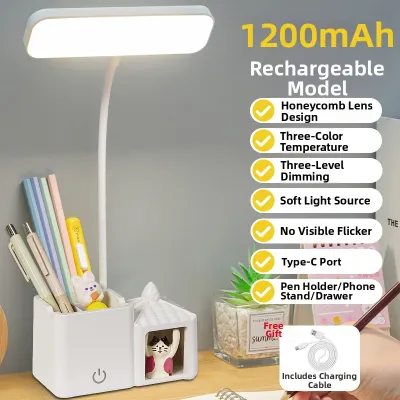
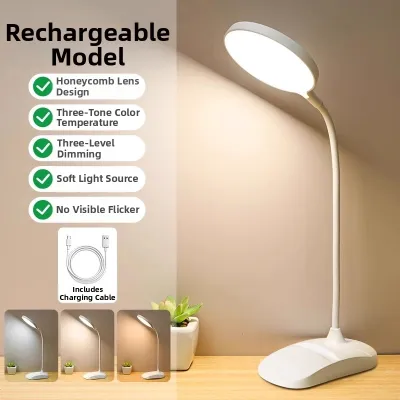
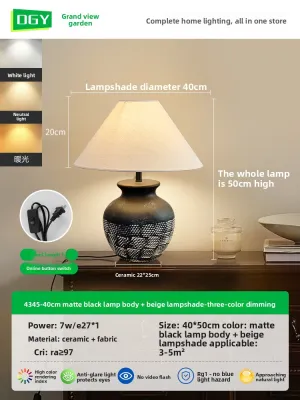
Prices are valid at publication and may change. Please refer to the product page for the latest price.
Reading Lights: Focused and Adjustable
Reading lights are specialized task fixtures designed to deliver concentrated light exactly where you need it. Unlike traditional lamps, they feature narrow beam angles that project a clean, directional beam of light onto your book or device. This targeted illumination minimizes glare and prevents light from spilling across the entire bed, making it an excellent choice for shared bedrooms where one partner sleeps while the other reads.
These fixtures come in several versatile form factors to suit different bedroom setups:
- Flexible Goosenecks: These models allow you to bend and twist the arm of the light to achieve the perfect angle, keeping the light source close to your page.
- Wall-Mounted Sconces: Installed directly onto the wall or headboard, these save valuable space on your nightstand and often feature swing arms for easy adjustment.
- Clip-On Lights: Highly portable and lightweight, these can be clamped directly onto a headboard, book cover, or e-reader, making them ideal for travel or temporary setups.
By focusing the light downward and away from your eyes, reading lights reduce the high-contrast glare that often leads to eye strain during prolonged reading sessions. In tropical climates like the Philippines, where high humidity can make heavy, heat-emitting fixtures uncomfortable, modern LED reading lights are particularly advantageous because they run cool to the touch and do not add unnecessary heat to your sleeping area.
Bedside Lamps: Ambient and Decorative
Bedside lamps are designed primarily for ambient and decorative purposes, acting as a soft source of general illumination for the entire room. Instead of projecting a focused beam, these lamps utilize shades made of fabric, paper, frosted glass, or woven rattan to diffuse light in an omnidirectional pattern. This diffusion softens the light, eliminating harsh shadows and creating a relaxing, low-stress environment that signals to your brain that it is time to sleep.
Because they rest on flat surfaces, bedside lamps require a stable, adequately sized nightstand or side table. The physical footprint of the lamp base must be balanced against the available surface area of your table to ensure you still have room for essentials like a glass of water, a phone, or a book.
Beyond their utility, bedside lamps serve as key decorative statement pieces that tie your bedroom’s interior design together. Whether you choose a sleek ceramic base, a minimalist wooden stand, or a classic metallic finish, the lamp’s physical design contributes significantly to the room’s aesthetic even when the light is turned off. During the evening, they provide just enough low-level light to help you navigate the room safely without the jarring brightness of overhead ceiling lights.
How to Decide: Matching the Lamp Light to Your Needs
Selecting the perfect fixture requires analyzing your personal habits, bedroom layout, and existing furniture. Use the following frameworks to guide your decision-making process.

Choose a Reading Light if…
- You share a bed: If your partner sleeps on a different schedule, a highly directional reading light allows you to read comfortably without casting disruptive light onto their side of the bed.
- Your nightstand space is limited: If you have a small bedside table or no table at all, a wall-mounted or clip-on reading light frees up valuable surface area.
- You experience eye fatigue: If you frequently read physical books or paper documents in bed, the high-contrast, glare-free task lighting of a reading light is much easier on your eyes.
Choose a Bedside Lamp if…
- You want to enhance your bedroom decor: If you view lighting as an extension of your interior design, a bedside lamp offers endless opportunities to express your style through unique bases and shades.
- You prioritize a relaxing pre-sleep routine: If your evening consists of meditating, listening to music, or simply winding down, the soft, warm, diffused glow of a bedside lamp is ideal for setting a calm mood.
- You have ample table space: If you have large nightstands that can easily accommodate a wide lamp base without feeling cluttered, a bedside lamp fits naturally into your layout.
Consider Both if…
- You want layered lighting: For the ultimate bedroom setup, combining both fixtures allows you to customize your environment. You can turn on the bedside lamp for a warm, ambient glow while winding down, and switch on the reading light when you are ready to focus on a book. This layered approach ensures you never have to compromise on comfort or utility.
Verify First if…
- You plan to use smart home features: If you want to integrate your bedroom lighting with smart assistants, dimmers, or color-changing schedules, you must verify that the fixture you choose is compatible with smart bulbs. Some integrated LED reading lights have non-replaceable bulbs, meaning you cannot swap them out for smart alternatives. Always check the product specifications before purchasing.
Safety, Sizing, and Installation Checks Before You Buy
Before finalizing your purchase, it is crucial to verify several physical and electrical specifications to ensure your new lamp light is safe, compatible, and functional in your home.
Electrical and Voltage Compatibility In the Philippines, the standard household voltage is 220V at a frequency of 60Hz. When shopping for imported lamp lights or ordering online from international marketplaces, always verify that the fixture is rated for 220V to prevent electrical damage or fire hazards. Additionally, check the plug type (typically Type A or Type B with two flat parallel pins) to ensure it fits your wall outlets without requiring unstable adapters.
Lamp Holder Interfaces and Wattage Limits If you plan to buy a fixture that uses replaceable bulbs, check the lamp holder interface. The most common screw-type base is E27, while smaller fixtures may use E14 or GU10 pin bases. Always adhere to the maximum wattage limit printed on the fixture’s safety label. Exceeding this limit—especially with older incandescent bulbs that generate significant heat—can melt plastic components, damage the socket, or pose a fire risk. If you are upgrading to energy-efficient LED bulbs or smart bulbs, verify that their equivalent wattage and physical dimensions fit comfortably within the lamp shade or housing.
Physical Footprint and Stability For bedside lamps, measure your nightstand’s width and height before buying. A lamp that is too tall can cause glare by placing the bulb at eye level when you are sitting up in bed. The center of gravity should be low and stable; top-heavy lamps with narrow bases are easily tipped over in the dark, which can damage the fixture or cause injury. Whether you are spending ₱500 or ₱5,000, ensuring the physical dimensions match your space is key to a long-lasting setup.
Installation and Fixed Wiring Boundaries If you decide on a wall-mounted reading light that requires hardwiring into your home’s electrical system, safety must be your top priority. Always isolate the power at the main circuit breaker before attempting any installation. If you are not experienced with electrical wiring, or if the installation requires running new wires behind concrete or drywall, consult a qualified professional electrician. Proper mounting is also essential; ensure that any wall-mounted fixture is securely anchored to a wall stud or appropriate wall anchors to prevent it from falling onto your bed.
Frequently Asked Questions (FAQ)
Can I use a bedside lamp for reading in bed?
Yes, you can use a bedside lamp for reading, but it is not the most comfortable option for prolonged sessions. Because bedside lamps use shades to diffuse light in all directions, the light that reaches your book is often soft and scattered. This lack of focused contrast forces your eyes to work harder to distinguish text, which can lead to eye strain, headaches, and fatigue over time.
If you prefer to use a bedside lamp for reading, you can improve the experience by installing a higher-lumen bulb with an adjustable color temperature. Choosing a lamp shade with a lighter fabric or a wider opening at the bottom can also help direct more light downward onto your reading material. However, if you read for more than thirty minutes a night, investing in a dedicated, adjustable reading light will provide a much more comfortable and eye-friendly experience.
What is the best color temperature for bedroom lamp lights?
The ideal color temperature for bedroom lighting depends on the time of night and your specific activity. Color temperature is measured in Kelvins (K), and selecting the right range is crucial for supporting your body’s natural sleep-wake cycle.
For general relaxation and winding down, a warm white light between 2700K and 3000K is highly recommended. This warm, amber-toned light mimics the sunset, helping to promote the production of melatonin, the hormone responsible for sleep.
If you are using a reading light, a slightly cooler temperature between 3000K and 4000K (often called neutral white) can provide better contrast for reading text without being overly stimulating. Avoid using cool daylight bulbs (5000K to 6500K) in the bedroom during the evening, as the blue-rich light can trick your brain into thinking it is daytime, making it harder to fall asleep. To get the best of both worlds, consider using smart bulbs that allow you to transition from a neutral white for reading to a warm, dim glow for sleeping.
Community discussion
Share your experience or ask a question. Comments are reviewed before publication.