
Choosing between a reading light and a bedside lamp comes down to a fundamental choice between focused utility and ambient comfort. While both fixtures serve to illuminate your bedroom after dark, they do so in entirely different ways. A reading light is designed to project a narrow, concentrated beam directly onto your book or device, minimizing light spill so a sleeping partner can rest undisturbed. In contrast, a bedside lamp acts as an ambient source, diffusing soft light throughout the room to create a relaxing atmosphere for winding down. Understanding these core differences will help you select the ideal light lamp to match your evening habits, bedroom layout, and aesthetic preferences.
Core Functional Differences Between Reading Lights and Bedside Lamps
Beam angle and light distribution represent the primary distinction between these two lighting types. Reading lights utilize narrow beam angles, often focusing light in a concentrated cone to direct illumination precisely where it is needed. This focused task lighting prevents the light from scattering across the room, keeping the surrounding environment dark. Bedside lamps, however, feature shades made of fabric, paper, or frosted glass that scatter light in a wide pattern. This diffused ambient glow is designed to soften shadows and illuminate a broader area, making the entire room feel cozy and accessible.
Brightness expectations and color temperature ranges also differ significantly to suit their respective roles. For task-oriented reading, a neutral to warm white light is generally preferred to provide sufficient contrast without causing eye strain. The brightness of a reading light is concentrated, meaning you need fewer overall lumens to see clearly. Bedside lamps focus more on creating a relaxing atmosphere, often utilizing very warm color temperatures and lower overall brightness to signal to your body that it is time to sleep.
Products mentioned in this guide
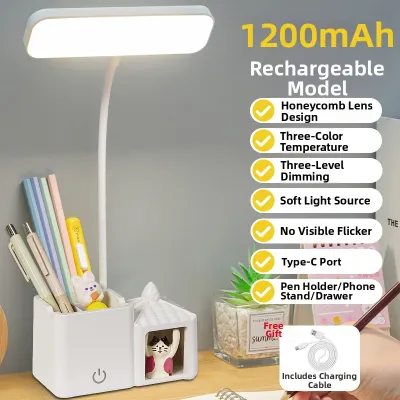
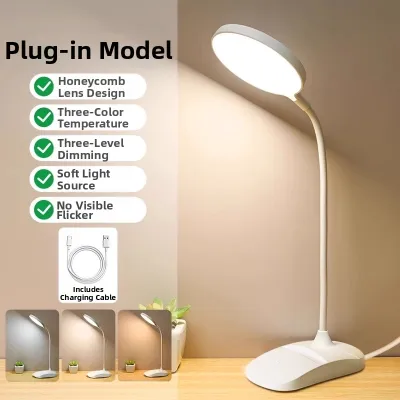
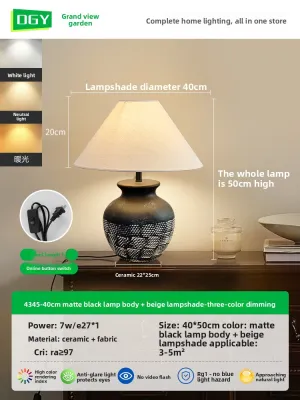
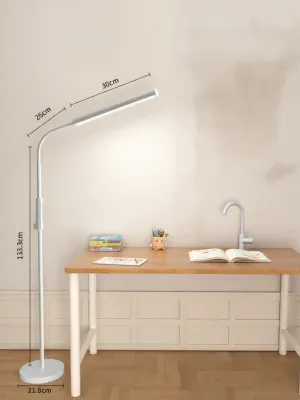
Prices are valid at publication and may change. Please refer to the product page for the latest price.
One of the most practical differences is how each fixture affects someone sharing your bed. Because a reading light features a highly directional beam, you can position it to illuminate only your pages, leaving the other side of the bed in darkness. A bedside lamp, even with a low-wattage bulb, casts a wide glow that will inevitably illuminate the entire sleeping area, which may disrupt a partner who is trying to sleep.
Key Comparison Dimensions for Your Space
Reading lights offer diverse mounting options to suit different bedroom setups. You can find clip-on models that attach directly to your headboard or book, wall-mounted fixtures that save surface space, and flexible gooseneck designs that allow you to adjust the light angle on the fly. Bedside lamps are traditionally freestanding table fixtures that sit on a nightstand, requiring a flat, stable surface to operate safely.

The ability to direct light is a hallmark of a dedicated reading light. Many models feature articulated arms, swivel joints, or flexible silicone necks that let you point the beam with precision. Bedside lamps are typically fixed structural designs; while you can change the bulb or the shade, the direction of the light remains constant, casting illumination upward, downward, and outward in a set pattern.
Modern reading lights often prioritize portability and clean lines, offering rechargeable lithium-ion batteries or USB-powered connections alongside traditional plug-in options. This is particularly convenient if your bed is positioned far from an outlet. Bedside lamps almost exclusively rely on standard AC plug-in cords, which require careful routing behind your nightstand to keep your sleeping area tidy and hazard-free.
If you have a compact bedroom or a small nightstand, a traditional bedside lamp can quickly crowd the surface, leaving little room for your phone, water glass, or books. A wall-mounted or clip-on reading light frees up this valuable real estate entirely. When planning your layout, consider the physical dimensions of the lamp base and shade to ensure it does not overhang the edge of your table or interfere with your movement. In humid tropical climates like the Philippines, choosing fixtures made of rust-resistant materials—such as powder-coated metals or treated wood—is also an important consideration for long-term durability.
Decision Framework: Which Light Lamp Fits Your Routine?
A dedicated reading light is the clear winner if your primary nighttime activity is reading, journaling, or crafting in bed. It is especially beneficial if you share a bed with a partner who sleeps on a different schedule, as the focused beam minimizes sleep disruption. Additionally, if your bedroom has limited floor or table space, a compact, mountable reading light offers a highly functional, low-profile solution.
Opt for a traditional bedside lamp if your evening routine consists of general wind-down activities, such as watching television, meditating, or chatting. The diffused light is ideal for illuminating the entire room safely when you need to get up in the night. Bedside lamps also serve as significant decorative elements, allowing you to express your personal style through unique base designs and fabric shades that complement your bedroom decor.
For many homeowners, a dual-setup provides the ultimate flexibility. You can pair a stylish bedside lamp for general ambient lighting with a small, focused reading light attached to your headboard. This allows you to transition seamlessly from a softly lit room during your evening preparation to a highly focused, low-spill light source when you are ready to read.
Before purchasing, verify whether your specific headboard design, mattress height, or wall structure restricts your options. For instance, thick padded headboards may not accommodate standard clip-on lights, while rental properties may prohibit drilling into walls for permanent sconces. Ensure your mattress height aligns comfortably with your nightstand so that a bedside lamp’s shade sits at eye level when you are seated, preventing direct glare from the bulb.
Setup, Power, and Safety Checks
Always verify the voltage compatibility and plug types of your chosen light lamp before plugging it in. In the Philippines, the standard voltage is 220V at 60Hz, so importing fixtures designed solely for 110V without a transformer can lead to electrical failure or safety hazards. Check the manufacturer’s label for electrical certification marks to ensure the fixture meets local safety standards.
If you select a clip-on or wall-mounted reading light, review the weight limits and clamping mechanisms carefully. A loose clamp can damage a wooden headboard or slip off entirely, potentially causing injury or breaking the bulb. For wall-mounted options, ensure the mounting hardware is rated for your specific wall type, whether it is concrete, drywall, or wood.
While plug-and-play lamps are simple to set up, hardwired wall sconces or integrated reading lights require structural wiring. Always isolate the power at the circuit breaker before attempting any electrical work. If you are unfamiliar with home wiring, stop and consult a qualified electrician to perform the installation safely and in compliance with local building codes.
Bedrooms contain highly flammable materials, including sheets, pillows, and curtains. Ensure your chosen fixture has adequate ventilation and heat dissipation, particularly if you use higher-wattage bulbs. Keep a safe distance of at least several inches between the light source and any fabric. In warm, humid environments, LED bulbs are highly recommended as they run significantly cooler than traditional incandescent bulbs, reducing both fire risks and unnecessary heat buildup in your sleeping space.
Frequently Asked Questions (FAQ)
Can I use a bedside lamp for reading in bed?
While you can use a bedside lamp for reading, it is often not the most comfortable option for extended sessions. Because bedside lamps diffuse light across a wide area, they lack the focused intensity needed to create high contrast on a printed page or e-reader screen. This can force your eyes to work harder, potentially leading to eye strain, headaches, or fatigue. If you do use a bedside lamp, check the shade design to ensure it directs some light downward, and verify that your bulb provides sufficient brightness without creating harsh glare.
Are rechargeable reading lights bright enough for nighttime reading?
Yes, many modern rechargeable reading lights offer excellent brightness levels that are more than adequate for nighttime reading. However, because battery performance varies, you should always check the manufacturer’s lumen specifications and battery life ratings at your preferred brightness setting. Keep in mind that as the battery depletes, the light output may gradually dim. To maintain consistent illumination, establish a regular charging routine or choose a model that can operate while plugged into a USB port.
Community discussion
Share your experience or ask a question. Comments are reviewed before publication.