
Quick Answer: Which Xiaomi Lamp Fits Your Routine?
Choosing between a Xiaomi reading lamp and a Xiaomi bedside lamp comes down to your primary activity. If your priority is focused productivity, studying, or detailed desk work, a reading lamp is your best choice. These models are engineered to deliver targeted, high-clarity light with adjustable cool-to-neutral white tones that help maintain alertness and reduce visual fatigue.
Conversely, if you are looking to wind down, relax, or establish a soothing atmosphere before sleep, a bedside lamp is the appropriate option. These devices focus on warm, heavily diffused, 360-degree ambient light that supports your body’s natural melatonin production. They also frequently incorporate smart sleep routines and gradual dimming features that integrate seamlessly onto a nightstand.
While some smart models in Xiaomi’s ecosystem offer overlapping features—such as app control and adjustable color temperatures—their physical structures and optical designs are built for entirely different purposes. A reading lamp projects a focused beam downward to illuminate a specific workspace, whereas a bedside lamp scatters light softly throughout the room to eliminate harsh shadows. Understanding this distinction ensures you select a lighting solution that matches your daily habits and bedroom layout.
Products mentioned in this guide
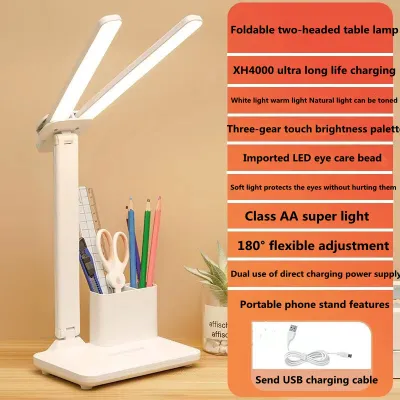
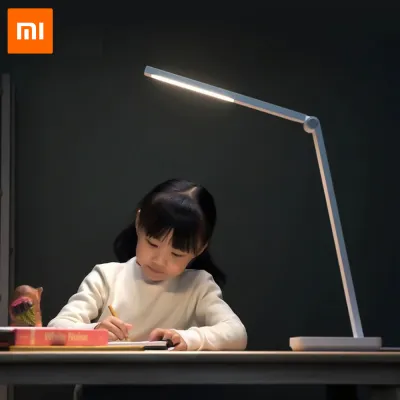
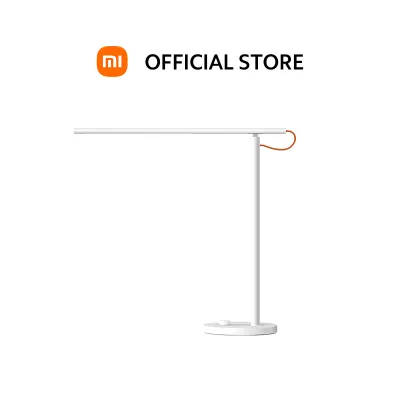
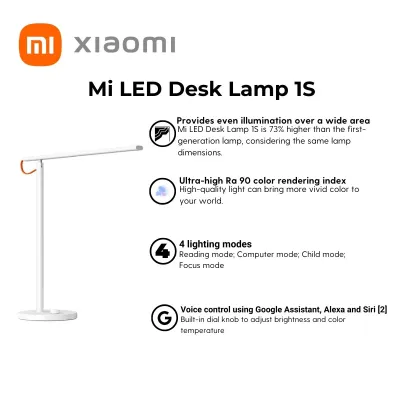
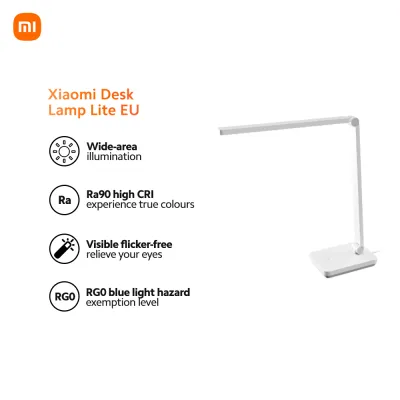
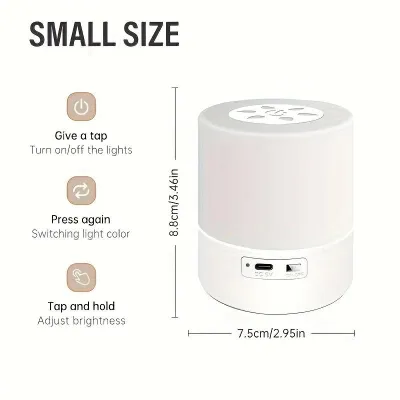
Prices are valid at publication and may change. Please refer to the product page for the latest price.
Task vs. Ambient: The Core Lighting Differences
To make an informed choice, it is essential to understand the fundamental lighting principles of task and ambient illumination. Task lighting supports specific, detail-oriented activities. Reading, writing, and working on a laptop require a concentrated beam of light that provides sufficient illuminance, measured in lux, on the work surface. Higher lux levels are necessary to make small text legible and prevent eye strain. Furthermore, task lighting often utilizes neutral-to-cool color temperatures (ranging from 4000K to 5000K) to mimic natural daylight, which helps keep the mind alert and focused during study or work sessions.

Ambient lighting serves a completely different physiological and psychological purpose. The goal of ambient lighting in a bedroom is to create a soft, glare-free environment that signals to the brain that it is time to rest. Bedside environments benefit from omnidirectional, diffused glows that eliminate sharp contrasts between light and shadow. Physiologically, exposure to warm color temperatures (typically between 1700K and 2700K) with minimal blue light emission is crucial in the evening. Warm, low-intensity light supports natural sleep cycles.
Xiaomi applies these distinct principles to its product designs. A task-oriented desk lamp features a long, adjustable arm and a narrow light source to cast light precisely where it is needed. In contrast, a bedside lamp features a cylindrical or dome-shaped body with a frosted diffuser that scatters light in all directions. When evaluating any lighting product, use these core principles as a baseline. Consider how the physical shape, shade material, and light distribution of the lamp will interact with your space, rather than focusing solely on the smart features or aesthetic appeal.
Key Features to Compare Before You Buy
Before purchasing a Xiaomi table lamp, comparing specific technical specifications and design elements will help you determine which model aligns with your spatial layout and visual needs.
Brightness, Color Temperature, and CRI
The quality of light is defined by several key metrics: brightness (measured in lumens), color temperature (measured in Kelvin), and the Color Rendering Index (CRI, or Ra). For task-focused reading, a high CRI is critical. A CRI rating of 90 or above indicates that the light source renders colors accurately, which is essential for reading physical books, sketching, or working on color-sensitive projects. High brightness is also required to illuminate the entire workspace evenly. However, this high-intensity light must be adjustable so you can reduce the output when the room is dark, preventing excessive contrast that causes eye strain.
For bedside use, maximum brightness is less important than the ability to dim the lamp to very low levels. A good bedside lamp should offer a dedicated nightlight mode that emits just a few lumens, allowing you to navigate the bedroom at night without waking a partner. The color temperature range must also extend down to warm, candle-like tones (around 1700K to 2200K) to create a relaxing atmosphere. When shopping, verify the specific model’s specifications on the product packaging or official listings. Kelvin ranges, lumen outputs, and CRI ratings vary across different Xiaomi product lines, and selecting a model with the correct technical parameters is vital for your comfort.
Glare Reduction and Light Distribution
How a lamp distributes its light is just as important as the light’s quality. Reading lamps are engineered to minimize glare, which occurs when light reflects harshly off pages or digital screens. To combat this, task lamps utilize asymmetric light distribution or precise optical lenses. These components direct the light downward and slightly forward, ensuring the beam covers your work area while remaining out of your direct line of sight. This design prevents hot spots of intense brightness on your desk and keeps direct light from shining into your eyes.
Bedside lamps prioritize soft diffusion over directional precision. They feature heavily diffused shades, frosted glass, or specialized plastics that scatter light evenly in all directions. This omnidirectional distribution creates a gentle, room-filling glow that softens shadows and prevents harsh glares when you are lying down. If you attempt to use a non-diffused, directional lamp on a nightstand, you may experience uncomfortable glare and sharp shadows. Consider the physical structure of the lamp’s shade or lens to ensure it matches the layout of your furniture and your viewing angles.
Smart Controls and Physical Adjustability
The way you interact with your lamp on a daily basis depends heavily on its physical adjustability and smart capabilities. A reading lamp requires physical articulation to be effective. Multi-axis arms, adjustable goosenecks, and precise tilt mechanisms allow you to position the light source at the optimal height and angle for your desk setup. This physical flexibility ensures that you can direct the light to avoid casting shadows onto your reading material.
Bedside lamps rely less on physical articulation and more on smart ecosystem integration and convenient physical interfaces. When you are in bed, you want to be able to turn the light off, dim it, or change its color without having to sit up or adjust a stiff mechanical arm. Features such as touch-sensitive bases, swipe controls for brightness, and seamless integration with the Mi Home app are highly valuable. Smart bedside lamps allow you to set automated sleep timers, configure gradual dimming routines that simulate a sunset, or use voice commands to turn off the light. Before purchasing, evaluate whether you prioritize physical maneuverability for precise tasks or smart, hands-free convenience for relaxation.
Xiaomi Reading Lamps: Built for Focus and Desk Work
Xiaomi’s reading and desk lamps are instantly recognizable by their minimalist, highly functional design language. They typically feature slim profiles, clean lines, and durable aluminum alloy arms that fit neatly onto crowded study desks or home office setups without consuming valuable workspace. The physical footprint of the base is kept compact, while the articulating joints allow the user to extend the light source over a large area. This makes them highly suitable for students, remote workers, and hobbyists who require reliable, high-quality lighting for extended periods.
Technically, these task lamps are engineered with eye care as a primary focus. Many models incorporate flicker-free technology, which uses stable direct current (DC) dimming to eliminate the rapid, invisible flickering common in lower-quality LED lights. This flickering can cause headaches and eye strain during long hours of work. Additionally, these reading lamps often feature dedicated presets within the smart app, such as a “Reading Mode” that automatically adjusts the light to a neutral 4000K and optimal brightness, or a “Focus Mode” that uses pomodoro-style timers to remind you to rest your eyes.
These lamps are best suited for environments where directional, high-clarity light is a necessity. If you have a dedicated home office, a study desk in a bedroom, or a crafting table, a Xiaomi reading lamp will provide the precise illumination you need. The targeted beam ensures that the light is concentrated on your work, which is also beneficial if you share a room and want to work late without illuminating the entire space.
Before finalizing your choice, it is crucial to verify the physical dimensions and installation requirements of the lamp. Ensure that the maximum reach of the articulating arm is sufficient for your desk setup. You should also check the weight and stability of the base. Remember to inspect the power adapter and voltage compatibility; most Xiaomi desk lamps are designed for standard household outlets, but verifying that the model matches the local 220V electrical standard in the Philippines is a necessary safety step.
Xiaomi Bedside Lamps: Designed for Wind-Down and Sleep
Xiaomi’s bedside and ambient lamps blend seamlessly into the relaxing aesthetic of a bedroom. They generally feature compact, cylindrical, or rounded shapes with smooth, frosted outer shells that act as highly efficient diffusers. Unlike the industrial, articulated look of desk lamps, bedside models look like elegant decorative pieces even when turned off. The controls are typically touch-sensitive and located on the base or the top of the lamp, making them easy to locate and operate in a dark room.
The defining feature of Xiaomi’s bedside lamps is their ability to produce a rich spectrum of colors and warm white light. Many models utilize advanced light-mixing technology to offer millions of colors, allowing you to customize the ambiance of your bedroom to match your mood. For evening use, these lamps can be set to ultra-warm temperatures that mimic the gentle glow of a candle, promoting relaxation and preparing your body for sleep. They also feature sophisticated smart integration, allowing you to connect them to your smart home ecosystem. You can program “Wake-up” routines that slowly increase the light intensity in the morning to simulate a natural sunrise, or “Sleep” routines that gradually fade the light out as you drift off.
These lamps are ideal for placement on nightstands, bedroom shelves, or bedside tables where a soft, atmospheric glow is desired. They excel at providing general, room-filling light that makes a space feel warm and inviting. They are also excellent as gentle nightlights for children’s bedrooms or for navigating hallways safely in the middle of the night.
However, it is important to understand the limitations of these ambient lamps. Because their light is heavily diffused and scattered in all directions, they lack the focused intensity and directional control required for detailed tasks. If you attempt to read a book with small print or perform precise handiwork using only a bedside lamp, you may find yourself straining your eyes. They are designed for wind-down activities, such as browsing your phone, watching television, or listening to music, rather than focused study or work.
How to Choose: Matching the Lamp to Your Space and Habits
To determine which Xiaomi table lamp is the right investment for your home, evaluate your daily routines, bedroom layout, and lighting requirements. Use these guidelines to match the lamp to your lifestyle:
Choose a Reading Lamp if:
- You work or study late: You spend hours reading, writing, or typing, and need high-clarity, flicker-free light to prevent eye fatigue.
- You require color accuracy: Your hobbies or profession involve drawing, painting, or reviewing documents where seeing true colors is essential.
- You share a bed but have different schedules: You want to read in bed without disturbing your partner, utilizing a directional beam angled away from their side.
- You have a dedicated workspace: You have a desk where the lamp can remain positioned permanently for task work.
Choose a Bedside Lamp if:
- Your pre-sleep routine is casual: You primarily use your smartphone or tablet in bed and only need a soft, warm background light.
- You prioritize relaxation and smart automation: You want to use automated routines, such as gradual dimming to help you fall asleep or gentle color shifts to wake up naturally.
- You need a safe nightlight: You require a low-lumen, glare-free light source that can be left on overnight or turned on easily in the dark to navigate the room safely.
- You want to enhance room aesthetics: You are looking for a decorative lighting piece that adds warmth and color to your bedroom decor.
Consider Both if:
- Your bedroom is a multi-functional space: If your desk is positioned near your bed, establishing two distinct lighting zones—a focused reading lamp on your desk and a diffused bedside lamp on your nightstand—is the best way to separate working hours from rest hours.
When purchasing a Xiaomi lamp, especially from e-commerce platforms, pay close attention to electrical specifications. Verify that the model’s rated voltage is compatible with the standard 220V, 60Hz electrical grid used in the Philippines. Some imported smart home products may come with non-standard plugs or require voltage adapters. Ensuring compatibility before you buy prevents safety hazards and guarantees that your smart lamp will operate reliably.
Frequently Asked Questions (FAQ)
Can I use a Xiaomi reading lamp as a bedside lamp?
Yes, you can physically place a Xiaomi reading lamp on a nightstand, but there are practical limitations to keep in mind. Because reading lamps are designed to project a focused, directional beam, they do not provide the soft, room-filling ambient light that makes a bedroom feel cozy. If you choose to use a reading lamp by your bed, you should utilize its smart features to adjust the settings for a sleeping environment. Open the Mi Home app, shift the color temperature to its warmest setting (typically around 2700K or lower), and dim the brightness to its lowest percentage. You should also physically angle the lamp’s head toward a wall or corner. This allows the light to bounce off the wall, creating a softer, indirect glow that reduces glare and prevents the harsh beam from shining directly into your eyes while you lie down.
Do Xiaomi smart lamps require a separate hub to work?
Most modern Xiaomi smart table lamps connect directly to your home network via built-in Wi-Fi and do not require a separate proprietary hub to perform basic smart functions. You can easily pair the lamp directly with the Mi Home app on your smartphone to control brightness, adjust color temperatures, and set schedules. However, some specific models use Bluetooth Mesh technology for connectivity. If a model is labeled as a Bluetooth Mesh device, it will require a compatible smart home device that acts as a gateway (such as a Xiaomi smart speaker or certain smart alarm clocks) to enable remote control when you are away from home or to integrate it with other smart devices. Before purchasing, always check the product’s connectivity specifications. Ensure your home router supports the 2.4GHz Wi-Fi frequency band, as most smart home devices operate on this frequency rather than the 5GHz band.
Community discussion
Share your experience or ask a question. Comments are reviewed before publication.