
Selecting the ideal lighting setup for your sleeping space hinges on how you spend your final waking hours. If you are trying to decide between a reading lamp and a night light shade, the choice depends entirely on your primary bedside activity: focused tasks versus winding down. To establish a balanced lamp shade bedroom night light system, it is essential to understand that these two styles are engineered for completely opposite lighting behaviors. Reading shades are designed to direct and contain light to a specific surface, while night light shades are built to diffuse and scatter illumination throughout the space. By matching the physical design and material of your shade to your nightly routine, you can prevent chronic eye strain, avoid waking your sleeping partner, and establish a relaxing environment tailored to your lifestyle.
Core Differences in Design and Light Diffusion: Finding Your Perfect Lamp Shade Bedroom Night Light Setup
The physical geometry of a lamp shade acts as the primary controller of light distribution in your bedroom. To understand how a bedside lamp functions, you must look at how the shade’s shape manipulates the beam angle. The opening sizes at the top and bottom of the shade, along with the angle of the slope, dictate exactly where the light travels and where it is blocked. This structural difference creates two entirely distinct visual environments.
Reading lamp shades typically feature a narrow top opening and a wider bottom opening, often taking the shape of a cone, a coolie, or an empire style. This specific geometry forces the vast majority of the light downward in a concentrated, high-intensity cone. Because the top opening is highly restricted, very little light escapes upward to bounce off the ceiling, and the solid sides prevent horizontal light spill. This focused beam maximizes the localized illumination (measured in lux) on your book or tablet while keeping the surrounding areas of the bedroom relatively dim.
Products mentioned in this guide
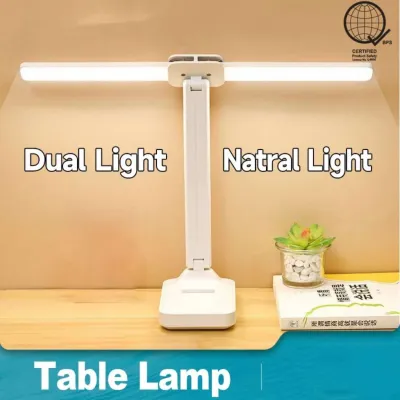
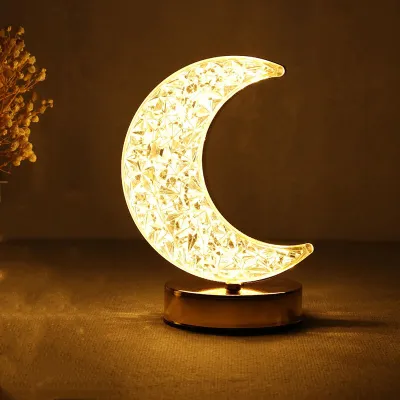
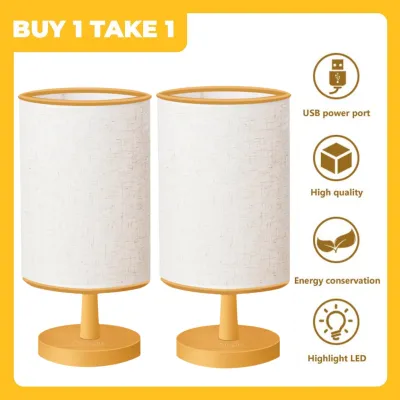
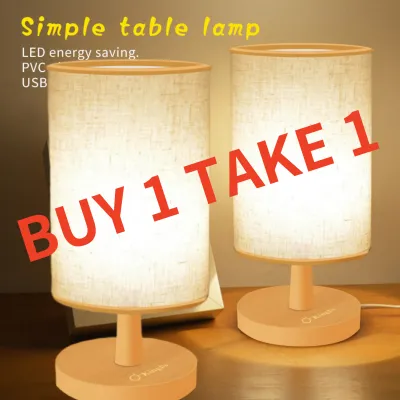
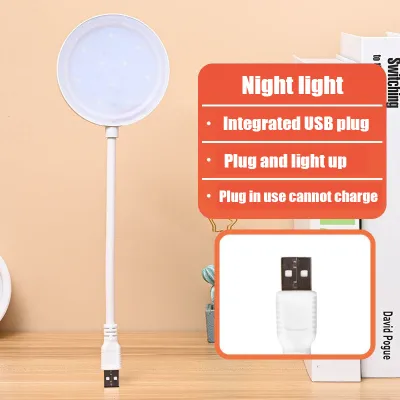
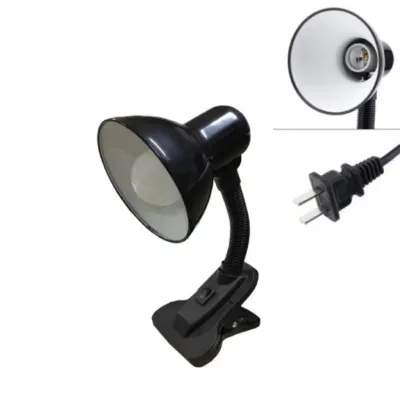
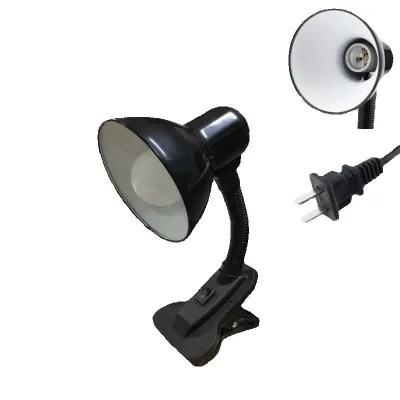
Prices are valid at publication and may change. Please refer to the product page for the latest price.
In contrast, night light shades are designed to scatter light evenly in all directions to provide a soft, ambient glow. Popular shapes for these shades include drums, cylinders, globes, and pleated designs. These styles feature broad openings at both the top and the bottom, or they utilize a completely enclosed translucent structure. By allowing light to escape from both ends and through the sides of the shade, they eliminate harsh, focused beams. Instead of a single bright spot, the illumination is distributed across the walls and ceiling, minimizing dark corners and reducing the contrast that can cause visual fatigue.
Task Lighting vs. Ambient Glow: Matching Your Bedroom Routine
Your bedroom is a multi-functional space where the transition from active wakefulness to deep sleep occurs. Choosing the right light distribution profile requires a close look at your personal nightly habits.

When to Prioritize Focused Task Lighting
If your bedtime routine involves active mental engagement—such as reading physical books, writing in a journal, working on a laptop, or working on intricate handcrafts—focused task lighting is indispensable. These activities require high visual acuity, which can only be achieved with a concentrated light source that delivers sufficient brightness directly onto your workspace.
Using a general, low-light ambient shade for these tasks forces your eyes to work significantly harder to distinguish text or fine details, leading to headaches, dry eyes, and physical fatigue. Furthermore, a focused reading shade is highly beneficial if you share a bed. Because the light is tightly channeled downward, you can illuminate your book without casting a bright glare across the entire room, allowing your partner to sleep undisturbed in the darker sections of the bed.
When to Prioritize Soft Ambient Lighting
If your primary goal when entering the bedroom is to disconnect from the day’s stressors, wind down, and prepare your body for rest, soft ambient lighting is the superior choice. An omnidirectional night light shade provides a gentle wash of light that allows you to navigate the room safely—avoiding stubbed toes on furniture—without exposing your eyes to sudden, jarring brightness.
From an ergonomic perspective, low-glare, scattered light signals to your brain that it is time to relax. High-contrast, focused beams of light can mimic daytime conditions and delay the onset of sleepiness. An ambient shade softens shadows throughout the room, creating a cozy, hotel-like atmosphere that promotes mental calmness. It is also highly practical for late-night wakeups, baby feedings, or dressing in the early morning, as it provides enough visibility to move around without the shocking glare of a direct bulb.
Material and Opacity: How Shades Control the Beam
While the shape of a lamp shade defines the direction of the light, the material and opacity of the shade determine its intensity and quality. The fabric, paper, or metal you choose acts as a filter, transforming the raw output of the bulb into either a sharp, direct beam or a soft, warm glow.
Opaque and Semi-Opaque Materials For dedicated reading lamps, opaque or semi-opaque materials are highly recommended. Shades made from thick parchment, heavy cardstock, dark fabrics with hardback plastic backings, or metals like brass and aluminum are completely impervious to light. When the bulb is turned on, no light can penetrate the sides of the shade. This design completely eliminates side glare, forcing 100% of the light to exit through the bottom opening. This creates a highly efficient, high-contrast task light that is perfect for reading, as it prevents any distracting light from bleeding into your peripheral vision.
Translucent and Sheer Materials If you want a night light effect, translucent and sheer materials are the ideal choice. Materials such as natural linen, lightweight cotton, rice paper, or frosted glass allow a significant portion of the light to pass directly through the shade itself. As the light travels through these semi-transparent barriers, the fibers or frosted textures scatter the rays, neutralizing the harshness of the bulb. This results in a warm, glowing fixture that serves as a decorative focal point while casting a gentle, even wash of light across the entire bedroom.
Lining and Color Considerations The interior lining of the shade plays a critical role in determining both the color temperature and the intensity of the light that escapes. A white or silver interior lining acts as a mirror, reflecting maximum light downward and outward, which is ideal for boosting the efficiency of a reading lamp. Conversely, a gold or brass interior lining absorbs some of the cooler light waves and reflects a warm, amber glow, which is perfect for creating a cozy, relaxing night light ambiance. Dark linings, such as black or charcoal, absorb a large amount of light, drastically reducing the overall output and restricting the light strictly to the top and bottom openings.
In tropical environments like the Philippines, where high humidity is common, material selection also carries practical maintenance implications. Fabric and paper shades can trap moisture, making them susceptible to mold, mildew, and dust accumulation over time. When selecting these materials, ensure your bedroom has adequate ventilation, and perform regular light dusting to maintain cleanliness. Additionally, always check the manufacturer’s maximum wattage and heat output limits, especially when using enclosed or delicate fabric shades, as trapped heat can degrade the materials and create safety hazards.
Decision Framework: Which Shade Should You Choose?
To help you finalize your choice, evaluate your bedroom lighting needs against these clear functional categories.
Choose a reading lamp shade if:
- Task Focus: You spend 30 minutes or more reading physical books or doing detailed work in bed every night.
- Partner Consideration: You share your bed with a partner who sleeps on a different schedule or is highly sensitive to light.
- Aesthetic Preference: You prefer a modern, focused aesthetic with clean lines and minimal ambient light spill.
- Existing Layout: Your bedroom already has sufficient overhead ambient lighting, and you only need a dedicated task light for bedside use.
Choose a night light shade if:
- Relaxation Focus: Your bedside lamp is primarily used for winding down, meditation, watching television, or navigating the room in the dark.
- Solo Sleeping: You sleep alone or have a partner who is not easily disturbed by a soft, room-wide glow.
- Cozy Ambiance: You want to create a warm, inviting, and cozy atmosphere that emphasizes soft textures and gentle shadows.
- Primary Source: Your bedroom lacks general ambient lighting, and you need the bedside lamp to illuminate a larger portion of the room.
Dual-Purpose Alternatives If your bedroom routine requires both focused task lighting and a gentle ambient glow, you do not have to limit yourself to a single style. Consider these highly effective dual-purpose alternatives:
- Adjustable Swing-Arm Lamps: These fixtures allow you to swing a focused reading shade directly over your book when active, and then push it back against the wall or point it upward to act as an indirect ambient light.
- Smart Bulbs with Dimming Controls: Installing a dimmable smart bulb inside a semi-translucent shade allows you to crank up the brightness for reading and then dim it down to 5% to serve as a soft night light.
- Layered Lighting: Use a dedicated, low-wattage reading sconce mounted directly above the headboard for task work, paired with a beautiful, fabric-shaded table lamp on your nightstand to provide general ambient light.
Installation and Safety Checks for Bedside Lamps
Before purchasing a new lamp shade or modifying your current bedroom setup, it is essential to perform several compatibility and safety checks to ensure your lighting is both functional and secure.
Fitter Compatibility Not all lamp shades attach to lamp bases in the same way. Before buying, verify the fitter type of your current lamp base:
- Spider Fitters: These require a metal U-shaped wire called a harp that attaches to the lamp socket; the shade sits on top of the harp and is secured with a finial.
- Uno Fitters: These slide directly onto the lamp socket and are held in place by the bulb itself or a threaded ring.
- Clip-On Fitters: These clip directly onto the glass of a standard light bulb, commonly used for smaller accent shades.
Wattage and Heat Limits Every lamp socket has a maximum wattage rating printed on a label near the switch or socket. Exceeding this limit can cause excessive heat buildup, melting the socket, damaging the shade, or posing a severe fire hazard. This is particularly critical when using paper, fabric, or tightly enclosed shades that restrict airflow. If you require higher brightness for reading, transition to energy-efficient LED bulbs, which produce significantly less heat than traditional incandescent bulbs while delivering high lumen output.
Cord and Switch Safety Ensure that the lamp cord is in pristine condition, with no fraying, exposed wires, or cracked insulation. The bedside switch should be easily reachable from your normal sleeping position without requiring you to stretch or fumble in the dark, which can lead to accidental falls or tipped lamps.
Professional Boundary For standard plug-in table lamps, changing a shade is a simple, low-risk task. However, if you plan to install hardwired bedside sconces, make complex electrical modifications, or mount fixtures near moisture sources (such as an adjacent en-suite bathroom), always isolate the power at the main circuit breaker first. Refer to the manufacturer’s installation instructions, and consult a qualified professional or licensed electrician to handle the installation safely and in compliance with local electrical codes.
Frequently Asked Questions (FAQ)
Can I use a night light shade for reading?
While you can physically read under a night light shade, doing so for extended periods is not recommended. Because these shades diffuse light in all directions, they lack the focused intensity (lux) required to make text stand out sharply against the page. This lack of contrast forces your eyes to strain, which can lead to headaches, fatigue, and dry eyes. If you must use an ambient shade for reading, consider installing a bulb with a higher lumen output (around 800 lumens) in a warm-white spectrum to provide sufficient brightness without creating harsh glare.
What is the best bulb color temperature for bedroom lamp shades?
For a bedroom environment, a warm white color temperature between 2700K and 3000K is highly recommended. This range mimics the warm, relaxing tones of sunset, which promotes relaxation and aligns with your body’s natural circadian rhythm by encouraging the production of melatonin. While cooler light (4000K to 5000K) provides excellent contrast for reading, its high blue-light content can trick your brain into thinking it is daytime, disrupting your sleep cycle if used right before bed. To get the best of both worlds, opt for a warm white LED bulb with high color rendering (CRI) to keep text legible while maintaining a soothing bedroom environment.
Community discussion
Share your experience or ask a question. Comments are reviewed before publication.