
A rechargeable bedside lamp can last anywhere from 3 hours to over 100 hours on a single charge. This wide range depends on several critical factors, including the battery’s capacity, the brightness level you select, and the efficiency of the light source. Understanding how these elements interact allows you to choose a lamp that fits your nightly routine without the frustration of constant, unexpected power drains.
By looking closely at technical specifications and matching them to your personal habits, you can find a balance between light output and battery endurance. Whether you need a reliable reading light or a soft nightlight that stays lit until morning, decoding the battery and power specifications is the first step toward making an informed purchase.
Decoding Battery Capacity and Power Consumption
To estimate how long a rechargeable bedside lamp will run, you must first look at its battery capacity, which is measured in milliampere-hours (mAh). This rating represents the total electrical charge the battery can store. Generally, a higher mAh rating means a larger energy reservoir, allowing the lamp to operate longer before needing a recharge. Common capacities for bedside lamps range from 1,200 mAh to over 4,000 mAh.
Products mentioned in this guide
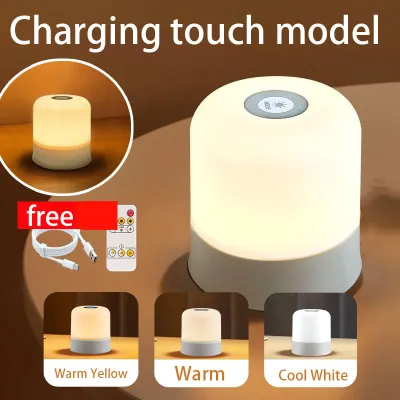
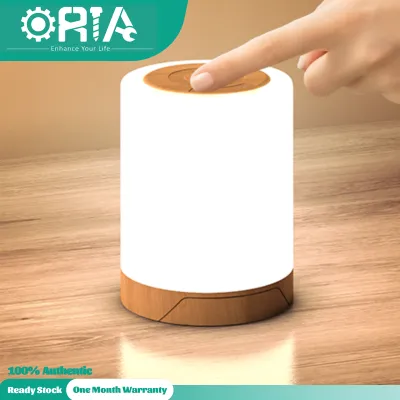
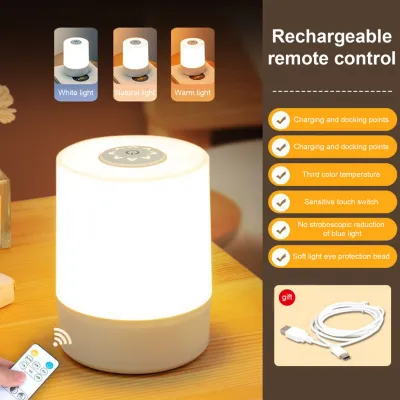
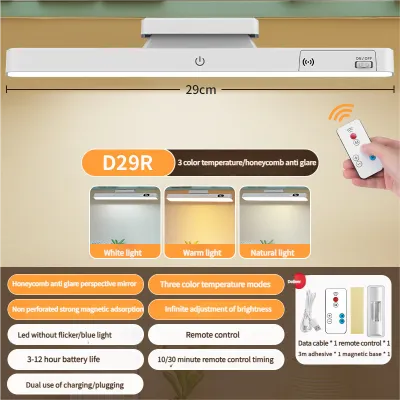
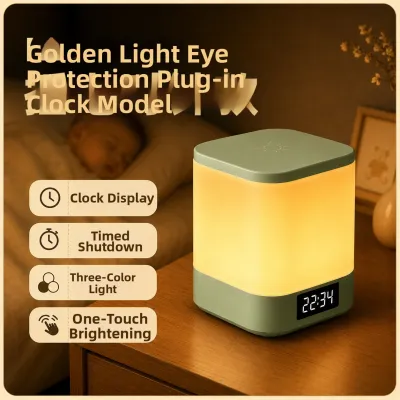
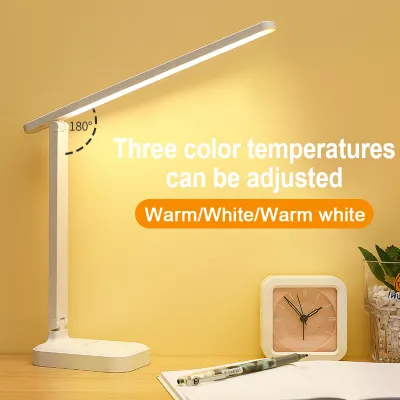
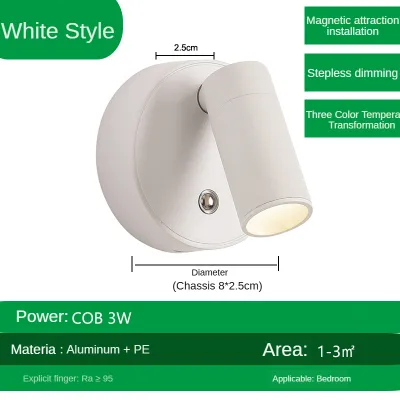

Prices are valid at publication and may change. Please refer to the product page for the latest price.
However, battery capacity is only half of the equation; the rate of power consumption dictates how quickly that capacity is depleted. Power consumption is determined by the wattage of the LED bulb. Even though LEDs are highly efficient compared to traditional incandescent bulbs, a lamp running at a higher wattage will draw more current from the battery, draining the stored energy much faster than a low-wattage model.
It is also important to distinguish between a battery’s rated capacity and its actual usable capacity. Over time, natural battery aging reduces the amount of charge the cells can hold. Additionally, built-in protection circuits prevent the battery from discharging completely to avoid permanent damage, meaning the system will shut down the lamp before the battery is truly at zero percent.
How Brightness Levels Affect Real-World Runtime
The brightness setting you select is the single most influential factor in determining real-world runtime. A lamp that can run for up to 40 hours on its lowest dim setting might only last 4 or 5 hours when turned up to its maximum brightness. This dramatic variance occurs because high-intensity light requires significantly more electrical current to power the LEDs.

When shopping for a lamp, it is helpful to estimate your average daily usage patterns. If you primarily use the lamp as a soft ambient light to wind down before sleep, you will operate it at a lower brightness and enjoy extended battery life. Conversely, if you rely on the lamp for focused tasks like reading or working in bed, you will need to run it at a higher brightness, which will require more frequent charging.
Be aware that manufacturers almost always highlight the maximum possible runtime in their marketing materials. This advertised figure is typically achieved under standard laboratory conditions at the absolute lowest brightness setting. To get a realistic expectation of performance, look for specifications that detail runtime at medium or high brightness levels rather than relying solely on the headline number.
Matching Runtime Specs to Your Bedside Needs
Selecting the right rechargeable bedside lamp requires matching the battery specifications to your specific lifestyle habits. If your routine consists of reading for thirty minutes before sleeping, a compact lamp with a smaller battery capacity will be entirely sufficient. Such a lamp will only need to be plugged in once every week or two, keeping your nightstand uncluttered.
If you prefer to leave a soft light on throughout the night for safety or comfort, your requirements change. For all-night operation, you will need a lamp with a larger battery capacity that can comfortably sustain eight to ten hours of continuous run time at your preferred brightness level. This prevents the lamp from dying mid-sleep and ensures a consistent light source.
In the Philippines, where tropical storms and seasonal weather can lead to sudden power outages or brownouts, a rechargeable bedside lamp serves a vital dual purpose. Having a lamp with a robust battery capacity ensures you have a reliable emergency light source that can keep your bedroom illuminated during extended blackouts. When choosing a lamp for emergency backup, look for models that offer a dedicated low-power mode to maximize runtime when utility power is unavailable.
Additionally, consider how portable you need the lamp to be. If you plan to carry the lamp around your home, to the living room, or even outdoors to a patio, a lightweight design with a balanced battery size is highly practical. However, if the lamp will remain permanently on your bedside table, a heavier model with a larger battery capacity will minimize the frequency of charging cycles.
While features like decorative style and adjustable color temperature (such as warm white or cool daylight) are excellent for setting a room’s mood, they are subjective preferences that do not directly impact the battery’s physical runtime. Focus first on the battery capacity and power draw to ensure the lamp meets your functional needs before selecting a design that matches your bedroom decor.
Checking Charging Specifications and Battery Lifespan
Before making a final decision, it is essential to verify the charging interface and input power specifications of the lamp. Most modern rechargeable lamps utilize a USB-C port, which generally supports faster and more stable power delivery than older Micro-USB connections. Check the product manual for the recommended input voltage and current, such as 5V/1A or 5V/2A, to ensure compatibility with your existing wall adapters and to estimate total recharge times.
The long-term performance of your bedside lamp depends heavily on the quality of its internal lithium battery. Most lithium-ion or lithium-polymer batteries are rated for approximately 300 to 500 full charge-discharge cycles before their capacity begins to degrade noticeably. This means that after a year or two of daily use, you may notice the lamp does not last quite as long on a single charge as it did when brand new.
To protect your investment and ensure safety, always check the manufacturer’s instructions for built-in safety features. Look for lamps that explicitly feature overcharge, over-discharge, and short-circuit protection. In warm, humid tropical climates, keeping electronic devices away from water sources, direct sunlight, and ensuring proper ventilation during charging is crucial to prevent overheating and prolong the overall lifespan of the battery. Finally, verify that the product carries recognized electrical safety certifications to guarantee it meets standard manufacturing guidelines.
Frequently Asked Questions (FAQ)
Can I leave a rechargeable bedside lamp plugged in all the time?
While most modern rechargeable lamps include overcharge protection circuits that stop drawing current once the battery is full, leaving the lamp permanently plugged in can still affect long-term battery health. Keeping a lithium battery at 100% capacity continuously, especially in warm environments, can accelerate chemical aging and reduce its overall lifespan. For optimal battery health, it is generally recommended to unplug the lamp once it is fully charged, or consult the manufacturer’s manual to see if the device is specifically designed for continuous mains power operation.
Why does my lamp's battery drain faster than the advertised runtime?
The most common reason a lamp drains faster than expected is using it at a higher brightness setting than the one used for official manufacturer testing. Other contributing factors include natural battery degradation over time, exposure to high ambient temperatures which can reduce battery efficiency, or inaccurate capacity ratings on unbranded products. To troubleshoot, try charging the lamp completely, setting it to a medium brightness level, and monitoring the runtime to see if it aligns with the manufacturer’s mid-range specifications.
Community discussion
Share your experience or ask a question. Comments are reviewed before publication.