
When choosing between a rechargeable bedside lamp and a dedicated reading lamp, your decision hinges on whether you need a soft, room-filling glow or a sharp, directed beam of light. A rechargeable bedside lamp is designed primarily for ambient lighting, nighttime navigation, and creating a relaxing wind-down atmosphere. In contrast, a dedicated reading lamp focuses on delivering glare-free task lighting directly onto your book or workspace to prevent eye strain during prolonged use.
While many modern rechargeable lamp light options attempt to blend these two functions, they often lean heavily toward one purpose. Verifying specific beam angles, brightness levels, and physical adjustability is essential before making a purchase. Understanding these differences ensures you select a fixture that matches your evening habits, bedroom layout, and personal comfort preferences.
Core Differences: Ambient Comfort vs Focused Task Lighting
Bedside lamps and reading lamps serve entirely different optical purposes, which is reflected in their physical designs and light distribution patterns. A bedside lamp focuses on creating a warm, inviting atmosphere. It utilizes shades made of fabric, frosted glass, or matte plastics to diffuse light in a 360-degree pattern. This diffusion prevents harsh, direct glare from hitting your eyes when you are lying down, making it easier for your body to transition into sleep mode.
Products mentioned in this guide
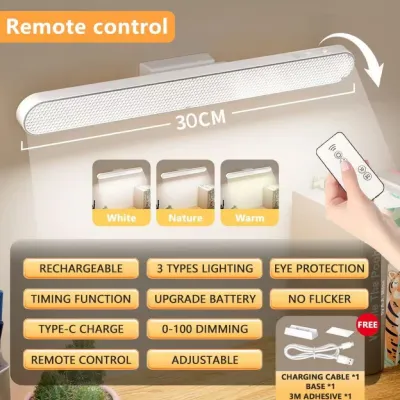
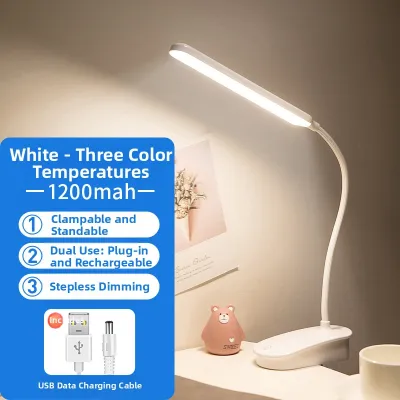
Prices are valid at publication and may change. Please refer to the product page for the latest price.
Reading lamps, on the other hand, prioritize optical control and high-contrast illumination. Instead of scattering light across the entire room, a reading lamp uses reflectors, lenses, or narrow hoods to channel light into a concentrated beam. This targeted illumination ensures that the text on a physical page or e-reader is highly visible without raising the ambient light level of the entire bedroom.
The physical form factor of each lamp type directly supports these lighting goals. Bedside lamps typically feature a stable, decorative base with a fixed shade, designed to sit permanently on a nightstand as part of your room’s decor. Reading lamps often feature highly flexible goosenecks, articulated swing arms, or clamp-on mechanisms. These ergonomic designs allow you to position the light source precisely where you need it, minimizing shadows and glare.
Key Features to Compare Before You Buy
Selecting the right rechargable lamp light requires looking past aesthetic appeal and evaluating technical specifications. When browsing an online marketplace, comparing specific hardware features will help you find a model that delivers both performance and convenience.

Brightness, Color Temperature, and Beam Angle
Brightness is measured in lumens, and the requirements for ambient lighting and task lighting differ significantly. A bedside lamp designed for relaxation typically operates in a lower range, often between 50 and 150 lumens. This gentle output is sufficient for navigating a dark room without shocking your eyes. A dedicated reading lamp requires a higher, more concentrated output, usually ranging from 200 to 500 lumens at the task surface, to ensure text is sharp and legible.
Color temperature, measured in Kelvin (K), plays a critical role in eye comfort and sleep hygiene. Warm light sources, ranging from 2200K to 3000K, mimic the soft glow of sunset and do not disrupt your body’s natural melatonin production, making them ideal for bedside lamps. For active reading, neutral to cool white light ranging from 4000K to 5000K provides higher contrast and reduces visual fatigue, though many readers prefer a warm-white compromise around 3000K to 3500K for nighttime reading.
Beam angle dictates how the light behaves once it leaves the fixture. Bedside lamps feature wide, omnidirectional beam angles of 180 to 360 degrees to wash nearby walls and furniture with a soft glow. Reading lamps utilize narrow beam angles, often between 30 and 60 degrees. This tight focus concentrates the light directly onto your book, keeping the surrounding environment dark and comfortable.
Battery Life, Charging, and Portability
Because these lamps are rechargeable, battery capacity and charging convenience are paramount. Look for the battery capacity rated in milliampere-hours (mAh). A larger capacity, such as 2000mAh to 4000mAh, ensures the lamp can run for several nights on a single charge. Always check the manufacturer’s estimated runtime at different brightness levels, as running a lamp at maximum brightness will deplete the battery much faster than using it on a low, ambient setting.
Modern rechargeable lamps typically charge via standard USB-C ports, which offers excellent compatibility with existing phone chargers and power banks. Consider the charging port location and whether the lamp can operate normally while plugged in. If you plan to keep the lamp plugged in most of the time, verify that the included cable is long enough to reach your nearest wall outlet without creating a tripping hazard.
Weight and base stability are crucial if you plan to move the lamp frequently. In tropical climates where open windows, ceiling fans, or stand fans are common, a lightweight lamp with a narrow base can easily tip over. Look for lamps with weighted bases and non-slip rubber padding on the bottom to ensure they remain secure on your nightstand or headboard.
Adjustability and Ergonomic Design
Physical flexibility determines how effectively a lamp can transition from a static decorative piece to an active task light. Reading lamps rely heavily on adjustable joints, flexible silicone goosenecks, or rotating heads. This adjustability allows you to position the light source close to your reading material, preventing your head or hands from casting shadows on the page.
Bedside lamps generally feature fixed structures or very limited tilt options. While this is perfectly adequate for general room illumination, it makes them poor tools for focused reading. Attempting to read by a fixed bedside lamp often forces you to sit in awkward positions or hold your book at angles that strain your neck and wrists.
When evaluating adjustable models, pay attention to the build quality of the joints and hinges. Loose or poorly constructed joints will degrade over time, causing the lamp head to droop or sag during use. If you share a bed, look for a lamp with a highly directional head that can be angled completely away from your partner’s side of the bed.
Matching the Lamp to Your Specific Use Case
To make the final decision, consider your typical evening routine and how you interact with your bedroom space. Different habits call for distinct lighting solutions.
- Scenario 1: Winding Down and Ambient Relaxation. If your evening routine consists of listening to music, meditating, practicing light stretching, or occasionally checking your phone, a rechargeable bedside lamp is your best option. The diffused, warm glow creates a soothing environment that signals to your brain that it is time to sleep. It also serves as an excellent emergency light source during sudden power outages, providing comfortable, room-filling light.
- Scenario 2: Dedicated Nighttime Reading. If you regularly read physical books, study textbooks, or engage in detailed hobbies like knitting or sketching in bed, you require a dedicated reading lamp. The high-contrast, focused beam ensures you can see fine details without straining your eyes. This setup helps maintain focus and prevents the headaches associated with working in under-illuminated spaces.
- Scenario 3: Shared Sleeping Spaces. In a shared bedroom where one partner sleeps early while the other prefers to stay up and read, a highly adjustable reading lamp with a narrow beam angle is indispensable. By clamping the light directly to your headboard or book and angling it downward, you can illuminate your pages while keeping your partner's side of the bed in complete darkness.
Safety, Placement, and Maintenance Checks
Operating rechargeable electronics near sleeping areas requires basic safety precautions to prevent hazards and prolong the lifespan of your device.
Always place your rechargeable lamp on a flat, stable surface away from flammable materials. Keep the lamp and its charging cable clear of heavy bedding, pillows, and mosquito nets. Lithium-ion batteries generate mild heat during charging and operation; restricting ventilation around the device can lead to overheating, which degrades battery health and poses a safety risk.
Proper battery maintenance will extend the usable life of your lamp. Avoid deep discharges by recharging the lamp before the battery drains completely to zero percent. If your lamp does not feature smart charge management to prevent overcharging, unplug the charging cable once the indicator light shows the battery is full. Avoid leaving the lamp plugged into a charger continuously for weeks at a time.
When cleaning your lamp, always isolate the power by turning the device off and unplugging any charging cables. High humidity can cause dust to cling to the lamp’s surface and accumulate inside charging ports. Clean the exterior using a dry or slightly damp microfiber cloth. Never use liquid chemical cleaners, aerosol sprays, or running water near the charging ports, power switches, or LED housings, as moisture ingress can damage the internal circuitry.
Frequently Asked Questions (FAQ)
Can I use a rechargeable bedside lamp for reading?
You can use a bedside lamp for brief, casual reading, but it is not recommended for prolonged sessions. Bedside lamps diffuse light widely, which reduces the overall brightness reaching your book pages. Reading in dim, scattered light forces your eyes to work harder to distinguish text, which quickly leads to eye strain, dry eyes, and tension headaches. For extended reading, a focused task light is a much healthier choice.
Are rechargeable lamps safe to leave on the nightstand overnight?
Quality rechargeable lamps that carry recognized electrical safety certifications are generally safe to leave on your nightstand overnight. However, you should ensure the lamp is placed on a solid, non-flammable surface with plenty of open space around it. Never leave a lamp turned on or charging if it is covered by blankets, pillows, or curtains, as trapped heat can damage the battery and create a fire hazard.
Community discussion
Share your experience or ask a question. Comments are reviewed before publication.