
Choosing the right light for nighttime reading is essential for protecting your eyes and creating a relaxing bedroom environment. If you have limited space, read in various positions, or live in an area prone to occasional power outages, a rechargeable clip lamp offers unmatched portability and flexibility. Conversely, if you have a dedicated nightstand, prefer a steady, room-filling glow, and want to avoid the hassle of recharging batteries, a traditional bedside lamp remains the most reliable option. Deciding between the two comes down to evaluating your physical bedroom layout, your power access, and your personal reading habits.
To find the perfect match for your nighttime routine, it helps to understand how these two lighting styles differ in their power delivery, mounting requirements, and light distribution patterns.
Core Differences: Power, Placement, and Light Spread
The most fundamental difference between these two lamp categories lies in how they receive power and how they fit into your bedroom layout. A rechargeable clip lamp operates on an internal battery, allowing you to use it completely cordless. This design makes it highly portable, meaning you can easily move it from the headboard to a desk, or even use it as an emergency light source during local power interruptions. However, because it relies on battery power, its runtime is limited, and you must integrate regular charging into your routine.
Products mentioned in this guide
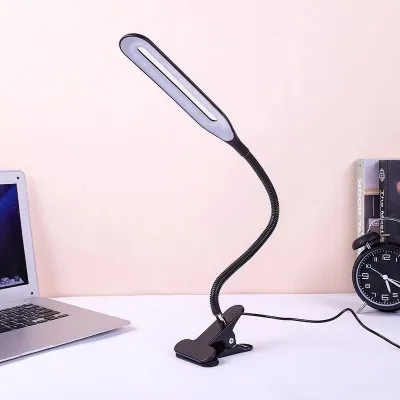
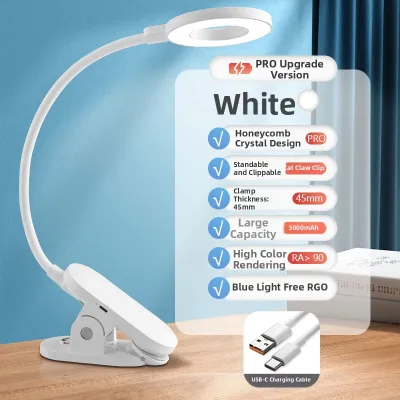
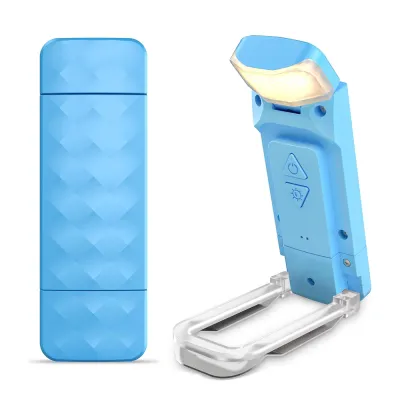
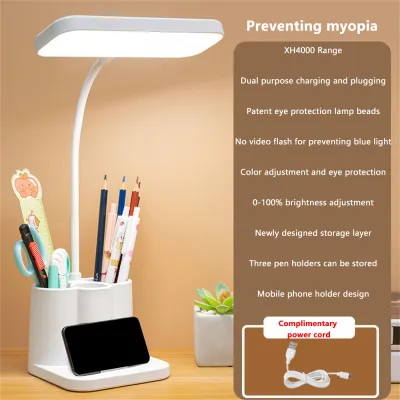
Prices are valid at publication and may change. Please refer to the product page for the latest price.
Traditional bedside lamps rely on a continuous plug-in connection to a wall outlet. In the Philippines, this means ensuring compatibility with standard 220V electrical outlets. While this corded design limits where you can place the lamp, it guarantees uninterrupted illumination. You never have to worry about the light dimming or shutting off in the middle of a compelling chapter because of a dying battery.
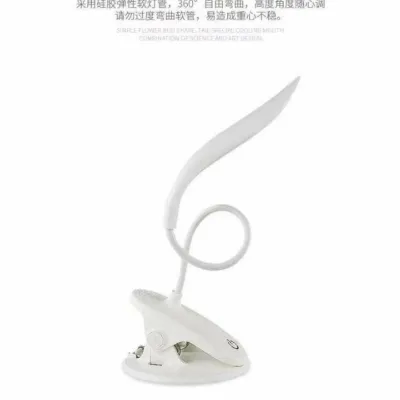
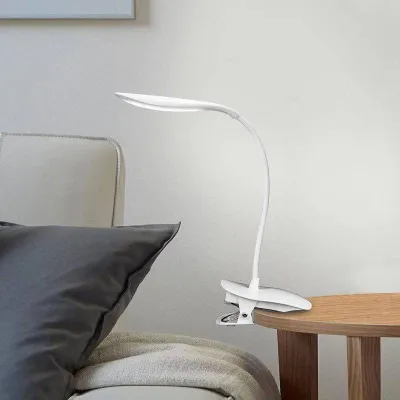
Placement and mounting mechanisms also set these lamps apart. Clip lamps use a spring-loaded clamp to attach directly to flat surfaces, such as a wooden headboard, a bookshelf, or the edge of a bed frame. This eliminates the need for a bedside table entirely, making it an excellent space-saving solution. Traditional lamps require a flat, stable surface to stand on, relying on a weighted base to keep them upright and secure.
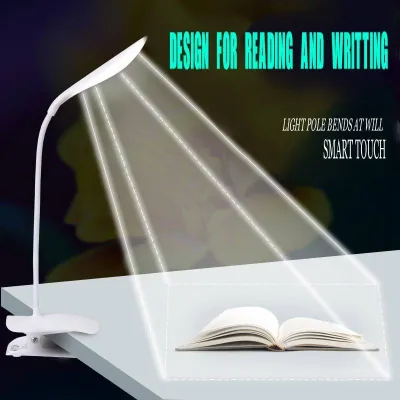
Finally, the way these lamps distribute light affects your reading comfort. Clip lamps typically feature a flexible gooseneck and a compact LED head that projects a focused, directional beam. This concentrated task lighting is ideal for illuminating only your book pages without disturbing a sleeping partner. Traditional bedside lamps use fabric, glass, or plastic shades to diffuse light outward, creating a broader, warmer ambient glow that illuminates both your book and the surrounding room.
Evaluating Rechargeable Clip Lamps for Nighttime Reading
Rechargeable clip lamps are highly practical for modern, compact living spaces. If you live in a studio condominium, share a bunk bed, or enjoy reading in non-traditional spots like a cozy floor cushion or a hammock, a cordless clip lamp adapts easily to your environment. Because they do not require a nearby wall outlet, they eliminate the clutter of tangled cords running across your floor.

When shopping for a rechargeable clip lamp, always verify the technical specifications on the product packaging or manufacturer label:
- Battery Capacity: Look for the battery capacity rating, typically measured in milliampere-hours (mAh). A higher mAh rating generally indicates a longer runtime between charges.
- Charging Port Type: Check if the lamp uses a modern USB-C port or an older Micro-USB connection. USB-C ports generally offer faster, more convenient charging and allow you to use the same cables as your other modern household devices.
- Maximum Clip Width: Measure the thickness of your headboard or bed frame before purchasing. Compare this measurement to the manufacturer's specified maximum clip opening to ensure a secure, slip-free grip.
While highly convenient, clip lamps do have limitations. The internal lithium-ion batteries will gradually degrade over years of use, eventually holding less charge. Additionally, the high tension of a strong metal clamp can leave permanent pressure marks, scratches, or scuffs on delicate materials, such as soft wood veneers, painted surfaces, or upholstered fabric headboards. Placing a small piece of felt or foam padding between the clamp and your furniture can help prevent this damage.
Evaluating Traditional Bedside Lamps for Nighttime Reading
Traditional bedside lamps are the classic choice for spacious bedrooms with dedicated nightstands. They serve a dual purpose, acting as both a functional reading light and a decorative design element that enhances your bedroom’s overall aesthetic. Because they use standard light bulb sockets, they allow you to customize your lighting experience by choosing your preferred bulb type, color temperature, and brightness level.
To ensure a traditional lamp is safe and practical for your bedroom, check the following details on the product label:
- Maximum Wattage Limit: Always verify the maximum allowable wattage printed on the lamp socket. Installing a bulb that exceeds this limit can cause excessive heat buildup, damaging the lamp fixture or creating a fire hazard.
- Switch Location and Accessibility: Consider how easy it is to turn the lamp off from a lying position. Look for models with inline cord switches that sit close to the bed, or base-mounted touch sensors that are easy to locate in the dark.
- Base Weight and Stability: A light, top-heavy lamp can easily tip over if you accidentally bump it while reaching for a glass of water. Look for lamps with heavy ceramic, metal, or solid wood bases that lower the center of gravity.
- Electrical Certification: Ensure the lamp or its power cord carries recognized electrical safety marks, indicating the product has undergone standard safety testing for voltage and insulation.
The primary limitation of a traditional lamp is its lack of mobility. You are entirely dependent on the location of your wall outlets, which can restrict your bedroom layout. If your bed is positioned far from an outlet, you may have to run extension cords along the floor, creating potential tripping hazards. Additionally, because traditional lamps cast a wider pool of light, they are more likely to disturb anyone sharing the bed with you.
Feature Comparison Checklist for Buyers
Before making a purchase, it is helpful to compare the technical specifications of both lamp categories side-by-side. This checklist allows you to evaluate which features align best with your bedroom setup and daily habits.
| Feature | Rechargeable Clip Lamp | Traditional Bedside Lamp |
|---|---|---|
| Power Source | Internal rechargeable battery (USB-charged) | Direct AC wall outlet plug-in (typically 220V) |
| Mounting Style | Spring-loaded clamp / clip mechanism | Flat, weighted tabletop base |
| Light Direction | Focused, adjustable beam via flexible neck | Broad, diffused ambient glow via lamp shade |
| Portability | High (cordless, lightweight, easy to move) | Low (fixed location near a power outlet) |
| Space Required | Zero footprint (attaches to existing furniture) | Requires dedicated nightstand or table surface |
| Adjustability | Often features built-in dimming and color modes | Dependent on bulb choice and dimmable fixtures |
Regardless of which style you choose, always prioritize electrical safety. Read the manufacturer’s instruction manual fully before your first use. For traditional lamps, ensure the plug fits securely into your wall outlet without sparking. For rechargeable models, use only the recommended charging voltage to protect the internal battery from overheating.
Final Decision Framework: Choose the Right Lamp for Your Setup
To make your final decision, assess your bedroom environment and reading preferences against these clear, practical conditions.
Choose a rechargeable clip lamp if:
- You have a small bedroom, a bunk bed, or no space for a bedside table.
- You share a bed and want a highly focused beam of light that will not keep your partner awake.
- You want a portable light source that can double as an emergency lamp during power outages.
- You prefer a clean look without visible power cords running down your walls.
Choose a traditional bedside lamp if:
- You have a dedicated nightstand and want a lamp that contributes to your bedroom decor.
- You prefer a soft, ambient room glow rather than a sharp, focused spotlight on your book.
- You read for long hours and do not want to worry about charging a battery or having the light dim mid-chapter.
- You want the freedom to choose and replace your own light bulbs to customize the brightness and warmth.
Verify first if:
- Your headboard material can withstand the pressure of a tight clamp without scratching or denting.
- Your nearest wall outlet is close enough to your bed to safely plug in a traditional lamp cord without stretching it tight across a walkway.
Frequently Asked Questions (FAQ)
Can a rechargeable clip lamp provide enough light for reading without straining the eyes?
Yes, a rechargeable clip lamp can provide sufficient light for reading, provided you select a model with the appropriate specifications. When shopping, check the product packaging for the stated lumen output or wattage equivalent. For comfortable reading, look for a lamp that offers adjustable brightness levels and color temperature settings. Being able to switch from a cool white light to a warm, amber tone helps reduce eye strain and prepares your mind for sleep. Always position the flexible neck so the light shines directly onto your pages rather than reflecting glare into your eyes.
Is it safe to leave a rechargeable clip lamp plugged in overnight?
To ensure safety and preserve the lifespan of the internal battery, you should always consult the specific device’s user manual for charging guidelines. Many modern rechargeable lamps include built-in overcharge protection that stops drawing power once the battery is full. However, if the manufacturer does not explicitly state that the device has this protection on the packaging or in the manual, you should avoid leaving it plugged in overnight. Unplugging the charger once the battery is fully charged prevents unnecessary heat buildup and helps maintain the battery’s capacity over time.
Community discussion
Share your experience or ask a question. Comments are reviewed before publication.