
Choosing the right rechargeable LED table lamp for studying or working from home requires balancing battery runtime, light quality, and physical adjustability. In tropical environments like the Philippines, where sudden power interruptions can disrupt long study sessions or remote work shifts, a reliable cordless light source is more than a convenience—it is a productivity safeguard. Selecting the ideal lamp involves looking past aesthetic designs and decoding the technical specifications that directly impact your visual comfort and daily workflow.
To find a lamp that supports long hours of focused work, you must evaluate how battery capacity translates to real-world runtime, how brightness levels affect eye strain, and how color temperature influences your concentration. Understanding these technical details ensures you select a device that keeps your workspace illuminated without constant interruptions or physical discomfort.
Battery Capacity vs. Runtime: Matching Power to Your Work Sessions
When evaluating a rechargeable LED table lamp, battery capacity is typically measured in milliampere-hours (mAh). While a higher mAh rating generally indicates a larger energy reservoir, it does not automatically guarantee a longer runtime. The actual operating hours depend heavily on the lamp’s power consumption, which varies based on your chosen brightness level and active features.
Products mentioned in this guide
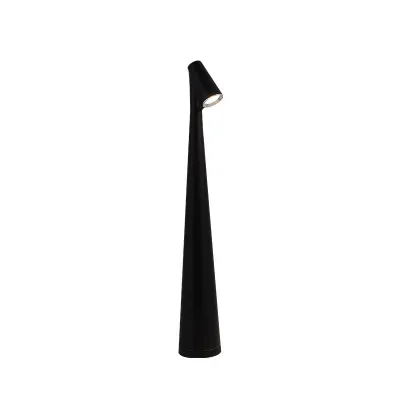
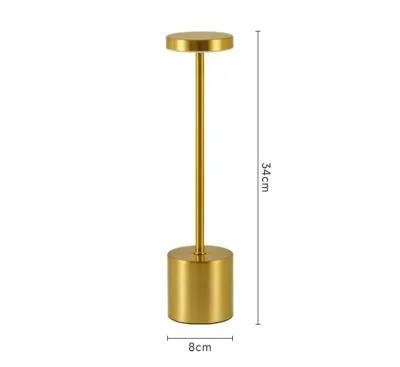
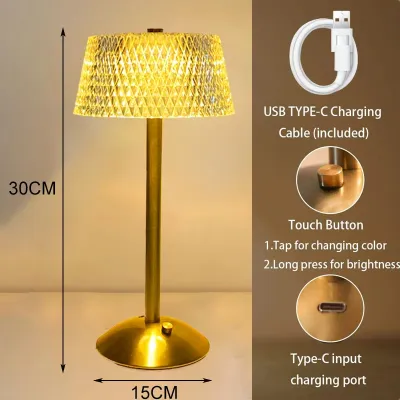
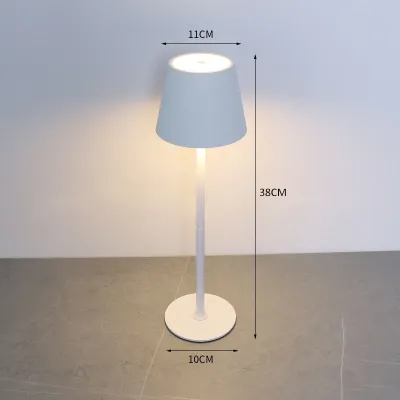
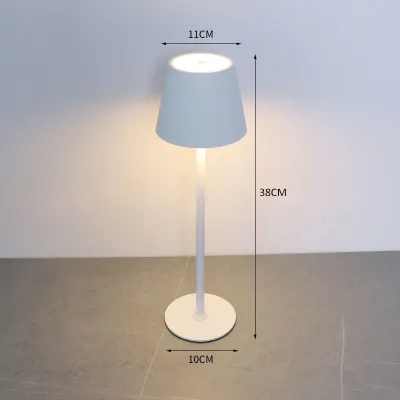
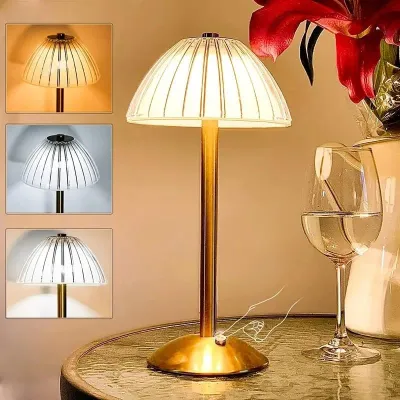
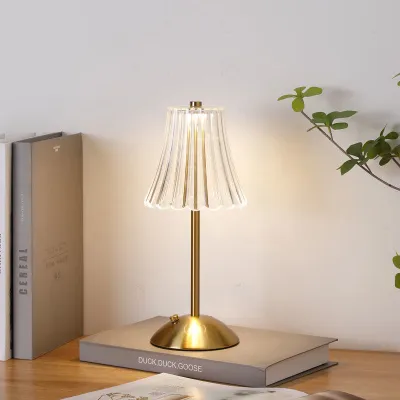
Prices are valid at publication and may change. Please refer to the product page for the latest price.
For instance, a lamp with a 2000mAh battery might run for several dozen hours on its lowest, warmest ambient setting, but deplete within three to four hours when set to maximum cool-white brightness. If the lamp includes secondary features, such as an integrated USB port to charge your smartphone or a built-in digital clock, these additions will drain the battery much faster.
To avoid mid-session blackouts, look closely at the manufacturer’s specifications for rated runtime under specific usage conditions rather than relying solely on peak capacity claims. If your typical study or work sessions last four to six hours, prioritize lamps that explicitly guarantee sufficient runtime at medium-to-high brightness levels. This ensures you will not have to scramble for a charging cable in the middle of a critical task.
Brightness and Beam Angle: Ensuring Adequate Desk Illumination
Brightness is another critical specification, but it is often misunderstood. Manufacturers usually list brightness in lumens, which measures the total amount of light emitted by the source in all directions. However, for studying and desk work, the more relevant metric is lux, which measures the intensity of light falling on a specific surface area.

The actual illumination on your desk depends on the lamp’s height, the design of its head, and the beam angle. A narrow beam angle concentrates light in a small spot, which can create harsh contrasts and intense glare on your books or laptop screen. A wider beam angle distributes light more evenly across your entire workspace, reducing the strain on your eyes as they move between your screen and physical notes.
To maintain visual comfort, look for lamps that offer stepless dimming or multiple brightness presets. This flexibility allows you to adjust the light output to complement the changing ambient light in your room throughout the day. Additionally, check for models equipped with built-in diffusers or frosted covers over the LED panel. These components soften the light, eliminate harsh shadows, and prevent direct glare from the individual LED diodes.
Color Temperature and CRI: Optimizing Visual Comfort for Long Hours
Color temperature, measured in Kelvin (K), dictates the color appearance of the light and plays a significant role in your focus and energy levels. Cool white light, typically ranging from 5000K to 6500K, mimics daylight and is highly effective for high-concentration tasks, detailed reading, and staying alert during late-night work. Conversely, warm white light, ranging from 2700K to 3000K, creates a relaxing atmosphere that is gentler on the eyes during evening study sessions or wind-down periods.
Another vital specification is the Color Rendering Index (CRI), which measures how accurately a light source reveals the true colors of objects compared to natural sunlight. For reading and detailed desk work, a high CRI (typically 80 or above) is essential. It ensures that text contrast remains sharp and colors are rendered accurately, which prevents your eyes from working harder to distinguish letters and details.
When shopping, prioritize lamps that offer adjustable color temperature settings. This feature allows you to transition from cool light during the day to warm light at night, supporting your natural circadian rhythm. Furthermore, look for flicker-free technology, as invisible high-frequency flickering in low-quality LEDs is a common cause of eye fatigue, dry eyes, and headaches during extended use.
Charging Speed and Connectivity: Minimizing Downtime Between Sessions
A rechargeable lamp is only useful if it can be powered up quickly and conveniently. Standard charging times can vary from two to six hours depending on the battery size and the charging technology used. Choosing a lamp with a modern USB-C interface ensures compatibility with the standard cables, wall adapters, power banks, and laptop ports you already use, reducing the need for dedicated chargers.
Some lamps support pass-through charging, which allows you to use the light while it is plugged into a power source. While this is highly convenient, it can generate additional heat within the device. In warm and humid tropical climates, managing heat is crucial for preserving battery health.
To protect the internal lithium-ion battery from premature degradation, check the manufacturer’s guidelines regarding pass-through charging. If you plan to keep the lamp plugged in frequently, verify if the model has built-in safety features that manage power routing to prevent overheating.
Physical Design and Safety Checks: Beyond the Electrical Specifications
The physical build of the lamp is just as important as its internal electronics. A highly adjustable arm—such as a flexible silicone gooseneck or a multi-jointed folding arm—allows you to position the light source precisely where you need it, helping you avoid direct glare on your computer screen. The base must be heavy and stable enough to support the lamp when the arm is fully extended, preventing accidental tips that could damage the unit.
Safety should always be a primary consideration when purchasing battery-powered electronics. Look for basic electrical safety certifications, such as CE, RoHS, or local quality assurance marks, printed clearly on the product packaging or the lamp itself. These certifications indicate that the product has undergone testing for electrical safety and environmental standards.
Additionally, consider the materials used in the lamp’s construction. High-quality plastics or aluminum components help dissipate heat more effectively than cheap, thin plastics. Proper heat dissipation not only extends the lifespan of the LED diodes but also ensures the battery compartment remains at a safe operating temperature during long, high-brightness study sessions.
Frequently Asked Questions (FAQ)
Can I leave my rechargeable LED desk lamp plugged in all the time?
Most modern rechargeable LED lamps feature basic battery management systems that prevent overcharging by stopping the current once the battery is full. However, keeping a lithium-ion battery constantly at 100% capacity while exposed to the heat generated by continuous charging can accelerate battery degradation over time. To maximize the lifespan of your lamp, it is best to unplug it once fully charged, or refer to the user manual to see if the manufacturer recommends continuous plug-in use.
How do I know if a rechargeable lamp is bright enough for reading?
To ensure a lamp is bright enough for comfortable reading, look for a light output of at least 200 to 300 lumens. However, brightness is also about how the light is distributed. A lamp with adjustable brightness levels and a flexible arm allows you to bring the light source closer to your book or document, effectively increasing the lux (intensity) on the page without requiring an excessively high lumen output that drains the battery quickly.
Community discussion
Share your experience or ask a question. Comments are reviewed before publication.