
Condo living in the Philippines presents unique design challenges, from concrete walls that resist drilling to strict rental agreements that forbid permanent alterations. Rechargeable magnetic lights offer an elegant, damage-free solution to these limitations, allowing you to introduce layered, functional illumination exactly where you need it. To select the best magnetic light for your space, you must evaluate how its form factor, battery performance, and mounting mechanism align with your specific daily routines. By matching the right light to the right corner, you can elevate your home’s ambiance while maintaining complete flexibility.
Whether you want to brighten a dark kitchen counter, highlight a collection of books, or create a relaxing bedside retreat, these versatile fixtures bypass the need for professional electrical work. Understanding the technical specifications and installation requirements of these devices ensures you achieve both aesthetic appeal and long-term safety.
Key Specs to Check Before Buying a Magnetic Light
Evaluating the technical specifications of rechargeable magnetic lights before making a purchase prevents common frustrations, such as premature battery depletion or inadequate brightness. Because these lights operate independently of your condo’s main electrical grid, their utility depends entirely on their internal components and build quality.
Products mentioned in this guide
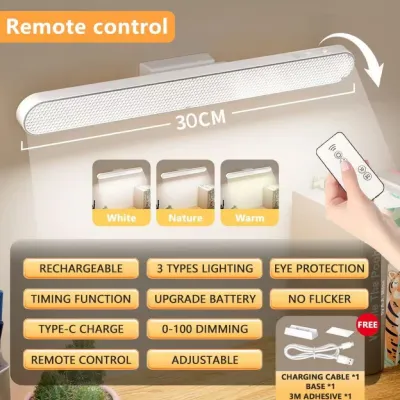
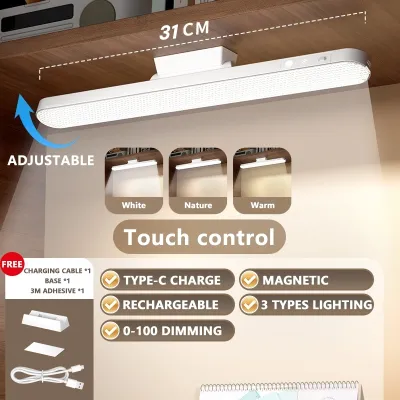
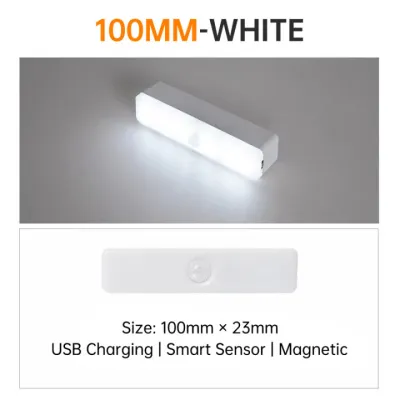
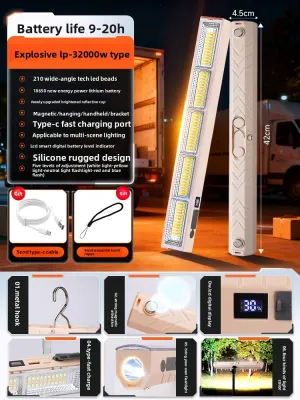
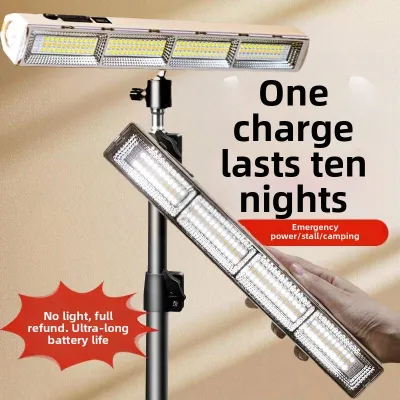
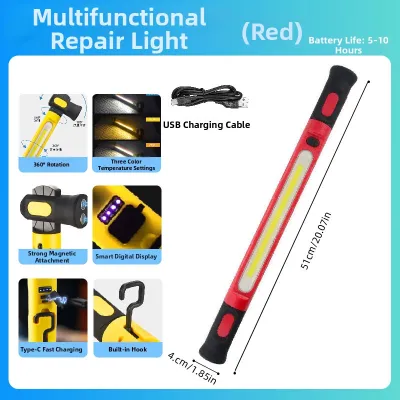
Prices are valid at publication and may change. Please refer to the product page for the latest price.
Battery Capacity and Charging Interfaces
When browsing options on your preferred ecommerce platform, prioritize fixtures that utilize a standard USB-C charging interface. USB-C ports offer faster, more reliable power delivery compared to older micro-USB connections, and they allow you to use the same cables you use for your smartphone or tablet.
Check the manufacturer’s stated battery capacity, which is measured in milliampere-hours (mAh). A larger battery capacity generally translates to longer runtimes, but this is highly dependent on the light’s brightness setting. For instance, a light with a 2,000 mAh battery might run for several hours at maximum brightness, but can last for days when dimmed to a soft ambient glow. In the tropical climate of the Philippines, where high humidity and ambient temperatures can accelerate battery self-discharge, choosing high-quality lithium-ion batteries with built-in overcharge protection and recognized electrical safety certifications is essential for longevity.
Brightness, Dimming, and Color Temperature
Brightness in LED fixtures is measured in lumens, not watts. For ambient or accent lighting, a range of 50 to 150 lumens is typically sufficient, while task-oriented areas like reading desks or kitchen prep stations may require 200 lumens or more. Look for lights that feature step-less dimming, which allows you to adjust the brightness smoothly by holding down a touch sensor rather than cycling through fixed presets.
Color temperature, measured in Kelvin (K), significantly influences the mood and perceived spatial volume of your condo. Warm white light (2700K to 3000K) creates a cozy, intimate atmosphere that is ideal for relaxation, whereas neutral white (4000K) or cool white (5000K) light enhances focus and clarity. Opt for magnetic lights that offer adjustable color temperatures, giving you the flexibility to transition a single space from a productive daytime workspace to a serene evening retreat.
Mounting Systems and Magnetic Pull Force
The mounting system is the foundation of any magnetic light. Most packages include a magnetic base that adheres to your wall or furniture, along with the light bar or puck itself, which contains the matching magnet or metal plate. Verify the type of magnet used; neodymium magnets offer superior pull force relative to their size, ensuring the light remains securely in place even if accidentally bumped.
Since many condo surfaces are non-magnetic—such as drywall, wooden shelves, or laminate cabinets—the quality of the included adhesive backing is critical. Look for packages that supply double-sided adhesive pads from reputable manufacturers. These pads must be strong enough to support the weight of the light and battery pack, yet formulated to peel away cleanly when it is time to move or redecorate.
Matching Light Types to Specific Condo Scenes
Different areas of your condo serve distinct purposes, meaning a light that works perfectly for reading may be entirely unsuitable for highlighting a display shelf. By understanding the physical form factors and beam characteristics of various magnetic lights, you can curate a balanced lighting scheme tailored to your daily habits.

Reading Corners and Task Lighting
A dedicated reading nook or a compact work-from-home desk requires focused, glare-free illumination that minimizes eye strain. For these setups, prioritize magnetic light bars with pivoting heads or adjustable ball joints. This physical flexibility allows you to direct the light beam precisely onto your book or keyboard, preventing the light from reflecting directly off computer screens or polished tabletops.
Task lighting demands higher brightness levels and a neutral-to-cool color temperature, typically around 4000K. This crisp, clear light mimics natural daylight, which helps maintain alertness and improves text contrast. When installing a task light above a desk, position the magnetic mount slightly forward and to the side of your dominant hand to prevent casting shadows over your work area.
Shelf Accents and Display Lighting
Floating shelves and display cabinets are excellent features for personalizing a condo, but they often cast deep shadows on the items below them. To highlight books, indoor plants, or decorative art pieces, low-profile magnetic puck lights or ultra-slim light bars are the ideal choice. These compact form factors can be easily hidden behind cabinet valances or under shelf lips, keeping the source of the light invisible while beautifully illuminating your display.
For accent lighting, a warm color temperature of 2700K to 3000K is highly recommended, as it adds depth and richness to wood grains and decorative objects. Utilize dimmable settings to keep the illumination subtle; overly bright accent lights can create harsh, distracting reflections on glass cabinet doors or glossy ceramic finishes. If your shelves house delicate items like vinyl records or artwork, ensure the LED lights emit minimal heat to prevent warping or discoloration over time.
Bedside Mood and Ambient Glow
Your bedroom should be a sanctuary for winding down at the end of a busy day. Traditional bedside lamps can take up valuable space on small nightstands, making wall-mounted magnetic lights an excellent space-saving alternative. For bedside applications, select lights equipped with frosted diffusers, which scatter the light evenly and eliminate harsh glare when you are lying down.
Look for fixtures that offer warm, amber, or sunset-like tones (around 2200K to 2700K) to signal to your body that it is time to sleep. Convenient control options are also paramount; a magnetic light with a wireless remote control or a highly responsive touch sensor allows you to turn off the light or adjust its brightness without having to get out of bed. Additionally, choosing a lightweight design ensures that if you need to navigate your condo in the dark, you can easily detach the light from its magnetic base and use it as a temporary flashlight.
Condo-Specific Installation and Safety Checks
While rechargeable magnetic lights are incredibly user-friendly, installing them in a condo environment requires careful attention to surface compatibility, thermal safety, and weight limits to prevent damage or accidents.
Surface Compatibility and Adhesive Care
Before applying any adhesive metal plates to your condo walls, clean the target surface thoroughly with isopropyl alcohol to remove dust, grease, and moisture. In the humid tropical climate of the Philippines, moisture on walls can prevent adhesives from bonding correctly, leading to premature failure. Avoid applying heavy-duty adhesives directly to delicate wallpaper or cheap laminates, as the bond may be stronger than the surface material itself, causing tearing when removed.
If you are renting, consider applying a strip of painter’s tape to the wall first, then sticking the adhesive plate onto the tape. This creates a protective barrier that makes eventual removal much safer for the underlying paint. Always allow the adhesive pad to cure for at least 24 hours before attaching the heavy magnetic light to the base, ensuring the bond has reached its maximum strength.
Thermal Management and Battery Safety
Although LED lights generate significantly less heat than traditional incandescent bulbs, their internal rechargeable batteries and driver circuits still produce warmth during operation and charging. Avoid mounting these lights inside tightly sealed, unventilated cabinets or drawers where heat can accumulate. Excessive heat buildup can degrade the lithium-ion battery, reducing its overall lifespan and posing a potential safety hazard.
Always use the charging cable provided by the manufacturer or a certified equivalent, and connect it to a reliable power source that matches the recommended input voltage (typically 5V). Never leave rechargeable lights plugged in indefinitely after they have reached full charge, especially if you plan to leave your condo unoccupied for an extended period. If a light feels unusually hot to the touch during use or charging, discontinue its use immediately and inspect it for damage.
Weight Limits and Environmental Factors
The holding power of a magnetic mount is highly dependent on the angle of installation. When a magnetic light is mounted horizontally (such as under a shelf), gravity pulls the light directly against the magnet, which is its strongest holding position. However, when mounted vertically on a wall, gravity exerts a shearing force that can cause the light to slide downward if the magnet or adhesive is insufficient.
Take extra precautions when installing magnetic lights in high-humidity areas like kitchens or bathrooms. Moisture can compromise the adhesive backing over time, and steam can penetrate non-waterproof light housings, causing internal short circuits. For these environments, verify that the light has an appropriate ingress protection (IP) rating or stick to secure mechanical mounting options where possible. If you must work at heights to install a light near a high ceiling, always use a stable step ladder, isolate any nearby electrical hazards, and consider consulting a professional if the installation requires complex wiring or structural modifications.
Frequently Asked Questions (FAQ)
How do I know if a magnetic light is bright enough for my space?
To determine if a magnetic light is bright enough, look at its lumen rating rather than its wattage. For general ambient lighting or accenting a shelf, a light output of 50 to 100 lumens is perfectly adequate to create a warm glow. For reading, studying, or food preparation, you will want a more focused light source that delivers at least 150 to 250 lumens to ensure comfortable visibility without straining your eyes.
What should I do if the adhesive metal plate damages my condo wall?
If you need to remove an adhesive metal plate and find that it is stuck fast, do not pry it off forcefully, as this will likely tear the drywall paper or pull off the paint. Instead, apply gentle heat to the plate using a hairdryer for a minute or two to soften the adhesive backing. Once warmed, slide a piece of dental floss or thin fishing line behind the plate and use a sawing motion to cut through the softened adhesive. Any remaining sticky residue can be gently rubbed away with an adhesive remover or a small amount of cooking oil, followed by a quick wipe with soapy water. For renters who want to avoid adhesives entirely, look for magnetic lights that feature freestanding weighted bases or integrated clamp mounts.
Community discussion
Share your experience or ask a question. Comments are reviewed before publication.