
Flexible lighting has become a cornerstone of modern interior design, especially in the Philippines where homes often serve multi-functional roles. Choosing modern lampshades chargeable via USB or wireless bases allows you to bypass the constraints of fixed wall outlets, offering both daily convenience and a reliable backup light source during seasonal power interruptions. However, selecting the right rechargeable table lamp requires a clear understanding of where the fixture will live and how it will be used. Bedside spaces and living rooms have fundamentally different environmental and functional demands, meaning a lamp that excels in one area may fall short in the other.
In a bedroom, the primary goal of lighting is to foster relaxation and support the body’s natural transition into sleep. This environment demands low-glare, highly localized illumination that allows you to read or wind down without disturbing a partner or overstimulating your eyes. Conversely, living room ambient lighting is designed to layer with other light sources, softening shadows, highlighting architectural features, and creating a warm, welcoming atmosphere for socializing, watching television, or relaxing after a long day. Because the scale, traffic patterns, and visual requirements of these two rooms differ so significantly, finding the ideal portable lamp is not about searching for a single universal standard, but rather about matching specific technical features to your spatial needs.
Key Features for Bedside Rechargeable Lamps
When selecting a rechargeable lamp for a nightstand, the optical specifications and physical design should directly support your sleep hygiene and nighttime routines. The color temperature of the light source is one of the most critical factors to verify on the product label. For bedside environments, opt for warm light sources, typically ranging between 2700K and 3000K. Warm light minimizes blue light exposure, which is known to interfere with melatonin production and disrupt sleep cycles.
Products mentioned in this guide
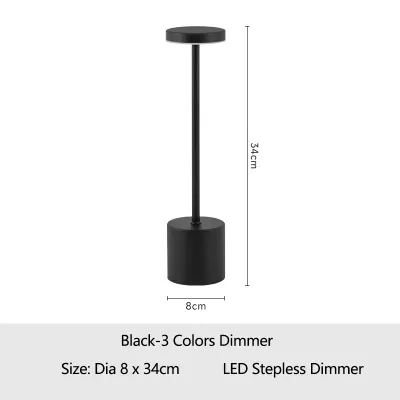
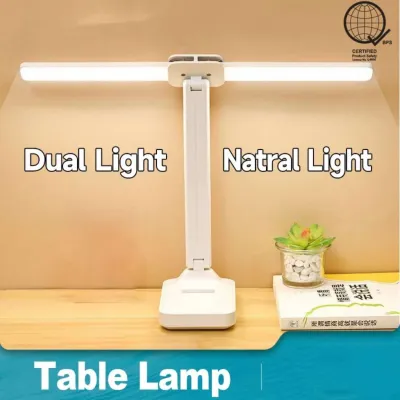
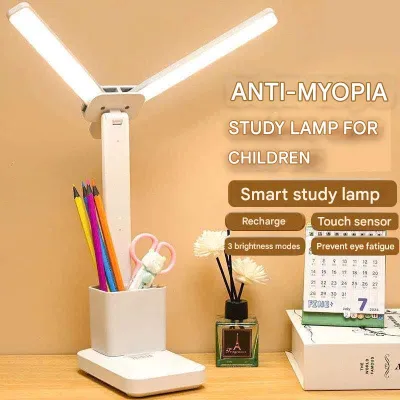
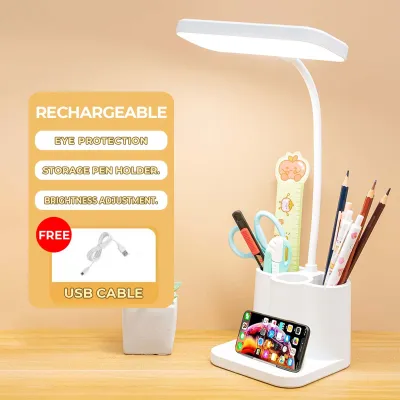
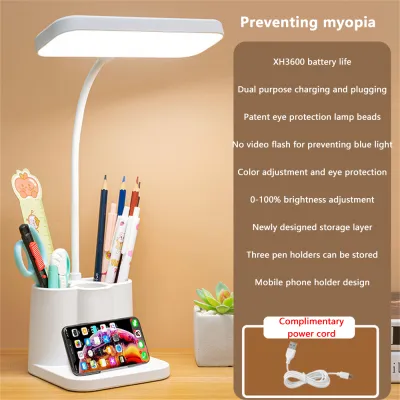
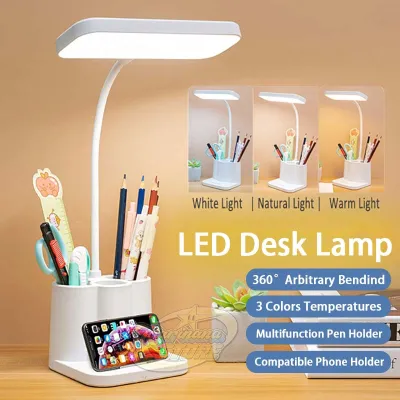
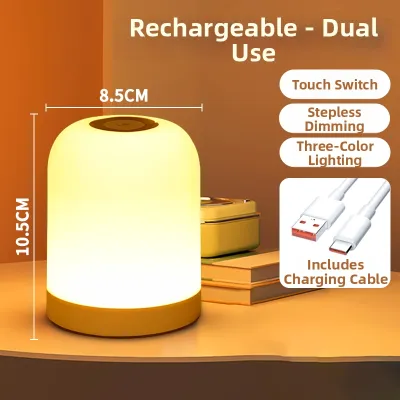
Prices are valid at publication and may change. Please refer to the product page for the latest price.
Alongside color temperature, the dimming capability of the lamp determines its versatility throughout the night. Look for fixtures that offer stepless touch dimming or multiple distinct brightness levels. A gentle tap on the base should allow you to lower the light output to a soft, candle-like glow for winding down, or raise it slightly for reading. Touch-sensitive controls are highly recommended for bedside use, as they eliminate the need to fumble for a physical switch along a cord or on the underside of a shade in complete darkness.
Physical dimensions and shade design also play a major role in bedside comfort. Nightstands in Filipino bedrooms are often compact, sharing space with smartphones, water glasses, books, and personal items. A bedside lamp should feature a small footprint, ideally with a base diameter of under 12 centimeters, to preserve valuable surface area. Furthermore, look for lampshades that completely shield the light source from direct view. Frosted glass, fabric, or matte acrylic shades are excellent choices because they diffuse light evenly, preventing harsh glare from striking your eyes when you are lying down. Always cross-reference the physical dimensions and dimming specifications on the manufacturer’s packaging to ensure the lamp fits your space and lighting preferences.
Aesthetic Criteria for Lampshades Chargeable via USB
In the living room, a rechargeable table lamp serves a dual purpose: it must provide an inviting layer of ambient light while acting as a cohesive decorative element within your interior design. Because these spaces are highly visible to guests, the materials and aesthetics of your chosen lampshades chargeable via USB or wireless docks carry significant weight. High-quality materials such as brushed metals, hand-blown glass, ceramic, or textured fabrics can elevate a side table or console, serving as visual anchors even when the lamp is switched off.

Unlike the highly localized light required for a bedside table, living room ambient lighting benefits from broader light distribution. Look for lamps with omnidirectional shades that cast a wide, even glow outward, or upward-facing designs that wash adjacent walls with soft light to make the room feel more spacious. Because living room lamps are often left on for extended periods during family evenings or social gatherings, battery capacity is a paramount consideration. Opt for models equipped with larger batteries—typically 4000mAh or higher—which can sustain several hours of continuous operation without needing a recharge.
Safety and stability are equally important in high-traffic living areas, particularly in active households with children or pets. Portable lamps are vulnerable to being knocked over, so prioritize designs with weighted bases and low centers of gravity. If the lamp is placed on an end table near a pathway, a sturdy metal or heavy ceramic base provides essential resistance against accidental bumps. Before purchasing, carefully review the manufacturer’s specified runtime across different brightness levels, keeping in mind that running a lamp at its maximum setting will deplete the battery much faster than using it in a low-power ambient mode.
Cross-Scenario Compatibility: Can One Lamp Do Both?
For homeowners seeking maximum versatility, the prospect of using a single rechargeable lamp in both the bedroom and the living room is highly appealing. Certain hybrid lamps are designed with this flexibility in mind, featuring adjustable correlated color temperature (CCT) settings that allow you to switch between warm white (2700K), neutral white (4000K), and cool white (6500K) light, as well as wide dimming ranges. In theory, such a lamp can serve as a bright task light on a living room desk during the day and be carried to the nightstand to provide a warm, dim glow at night.
However, relying on a single lamp for both spaces involves practical trade-offs that you must carefully evaluate. A lamp styled to match the bold, structured decor of a modern living room—such as a large, metallic dome lamp—can easily overwhelm a delicate bedside table both visually and physically. Conversely, a compact, lightweight lamp designed specifically for a nightstand may look conspicuously out of place on a large living room console and fail to emit enough light to make a meaningful contribution to the room’s overall ambiance.
To determine whether to invest in one versatile hybrid lamp or two specialized, purpose-built fixtures, consider your daily habits and the physical layout of your home. If you live in a studio apartment or frequently rearrange your living spaces, a single high-quality, adjustable portable lamp offers excellent utility and saves space. However, if you maintain distinct, dedicated rooms with established decor styles, purchasing separate lamps tailored to the unique physical scale and lighting requirements of each space will yield a much more cohesive and satisfying result.
Battery Care, Safety, and Placement Tips
To ensure the longevity and safe operation of your rechargeable table lamps, proper maintenance and placement are essential, especially under the tropical conditions of the Philippines. High ambient temperatures and elevated humidity levels can accelerate the degradation of lithium-ion batteries. Avoid placing your rechargeable lamps in unventilated corners, near heat-generating appliances, or in direct afternoon sunlight, as excessive heat can permanently reduce battery capacity and pose safety risks.
Placement safety also extends to protecting your lamps from moisture and physical hazards. Keep portable lamps away from open windows where sudden tropical downpours could expose the internal electronics to rainwater. On bedside tables, position the lamp a safe distance away from water glasses to prevent accidental spills from entering the charging port. When charging the device, always use a high-quality adapter that matches the manufacturer’s specified voltage—typically 5V DC—and current requirements. Look for recognized electrical safety certifications, such as the Philippine Standard (PS) or Import Commodity Clearance (ICC) marks, or international equivalents like CE, FCC, and RoHS, on both the lamp and the charging adapter.
While these portable lamps are designed for user-friendly operation, any fixed charging stations or wall-mounted docks that connect directly to your home’s electrical mains must be handled with care. For any hardwired installations or modifications to your home’s electrical wiring, always isolate the power at the circuit breaker and consult a qualified professional. Finally, if you plan to store your rechargeable lamp for an extended period, charge the battery to approximately 50% rather than leaving it completely full or empty, and store it in a cool, dry place according to the manufacturer’s care instructions to preserve battery health.
Frequently Asked Questions (FAQ)
How long do rechargeable table lamps typically last on a single charge?
The runtime of a rechargeable table lamp varies widely depending on its battery capacity, the efficiency of its LED light source, and the brightness level you select. On average, a lamp with a standard 2000mAh to 4000mAh battery can last anywhere from 3 to 6 hours when operated at maximum brightness. However, when switched to a low-power ambient or nightlight mode, the same lamp can often provide continuous illumination for 20 to 40 hours or more. To get an accurate estimate, always check the manufacturer’s product specifications, which typically detail the expected runtime for each brightness setting.
Is it safe to leave a rechargeable lamp plugged in continuously?
Most modern rechargeable lamps are equipped with built-in overcharge protection circuits designed to stop drawing power once the battery is fully charged. However, leaving any battery-powered device continuously plugged into a live outlet can still generate excess heat, which may gradually degrade the overall lifespan of the lithium-ion battery over time. To maintain optimal battery health, it is best practice to unplug the lamp once it reaches a full charge. Always consult your specific product’s user manual for the manufacturer’s recommended charging guidelines and safety warnings.
Community discussion
Share your experience or ask a question. Comments are reviewed before publication.