
Choosing the right bedroom lighting involves balancing functional performance with personal comfort. The decision between a rechargeable cordless bedside lamp and a traditional plug-in reading light shapes how you interact with your space every night. Your choice ultimately depends on your bedroom’s physical layout, your nightly reading habits, and your aesthetic preferences, alongside practical considerations like local power stability.
Rechargeable cordless lamps offer unparalleled placement flexibility and a clean, cable-free aesthetic, making them highly adaptable to modern, minimalist spaces. Conversely, traditional plug-in reading lights deliver uninterrupted, high-brightness illumination without the need for routine battery maintenance. This guide compares both lighting types across power delivery, light quality, design integration, and long-term maintenance to help you select the ideal fixture for your sleeping sanctuary.
Power and Placement: Cordless Freedom vs Reliable Plug-in
Rechargeable bedside lamps eliminate the constraints of power cords, allowing you to position your light source exactly where it is needed. You can place these cordless fixtures on minimalist nightstands, floating wall shelves, or deep window sills without worrying about the proximity of a wall outlet or the unsightliness of dangling cables. This cordless freedom is particularly advantageous in rented apartments or older homes where electrical outlets are often poorly positioned or limited in number. Furthermore, removing cords from your bedside setup eliminates potential tripping hazards in the dark, creating a safer, more streamlined environment.
Products mentioned in this guide
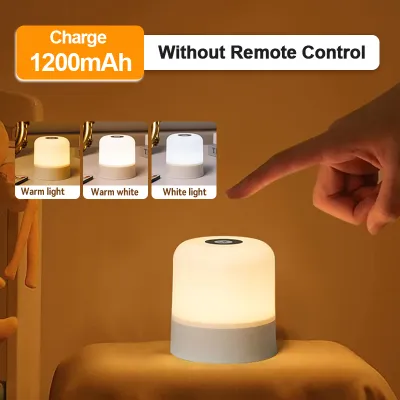
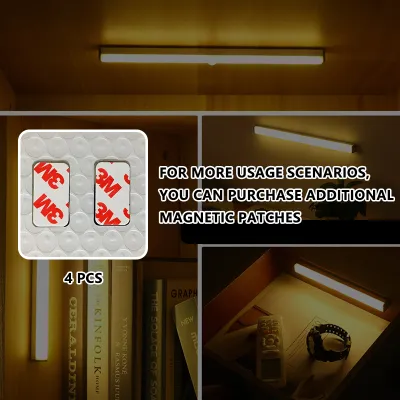
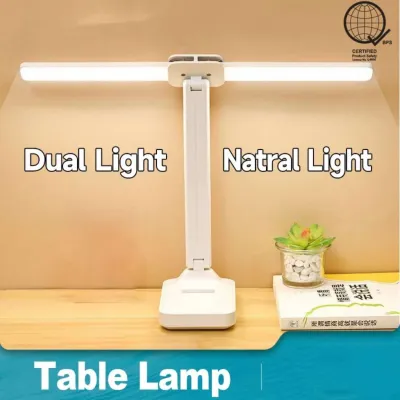
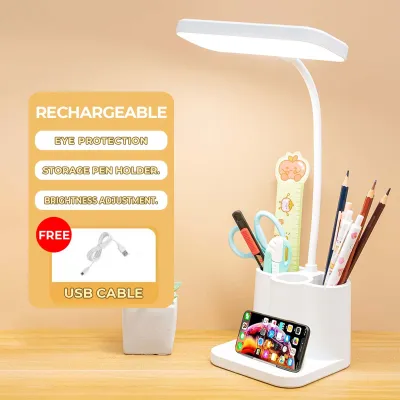
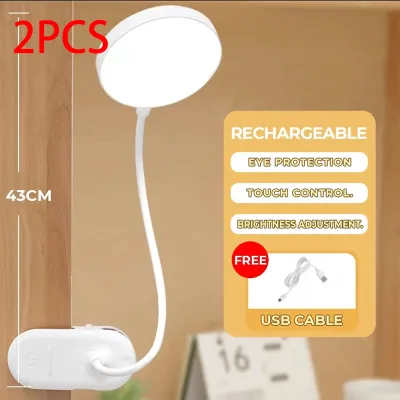
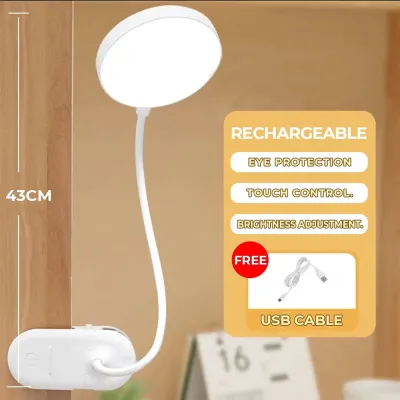
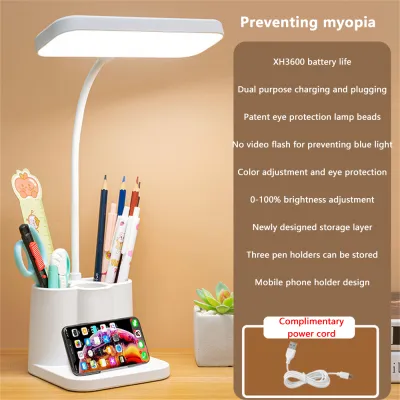
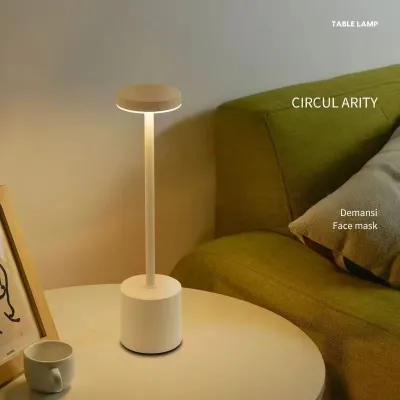
Prices are valid at publication and may change. Please refer to the product page for the latest price.
Plug-in reading lights, on the other hand, require a continuous connection to a nearby wall outlet. In the Philippines, household electrical systems standardly operate on a 220V tension at a 60Hz frequency, utilizing Type A or Type B plugs. When planning a plug-in setup, you must ensure that your nightstand or headboard is positioned close enough to an outlet to avoid stretching cords tightly across walls or floors. If an outlet is not immediately accessible, you may need to implement cable management solutions, such as adhesive cord clips, decorative conduits, or low-profile extension blocks, to keep the wires organized and hidden from view.
Before purchasing either lighting type, take a few minutes to evaluate your bedroom layout. Measure the distance from your bedside table to the nearest wall outlet, and note whether existing furniture blocks access to power sources. If you frequently rearrange your bedroom furniture to refresh your space, a cordless rechargeable lamp offers the flexibility to adapt to new layouts instantly. If your bedroom furniture is permanently fixed and you have accessible wall sockets, a plug-in reading light provides a stable, permanent installation that never needs to be relocated for charging.
Brightness, Runtime, and Reading Comfort
For dedicated readers, light quality and consistency are critical factors in preventing eye strain during late-night reading sessions. Plug-in reading lights excel in delivering a continuous, high-lumen output because they draw power directly from the electrical grid. This steady power supply ensures that the light remains at a constant brightness level, regardless of how many hours you spend reading. Many plug-in models feature focused, narrow beam angles that direct light precisely onto your book pages, minimizing light spill across the bed so you do not disturb a sleeping partner.

Rechargeable bedside lamps rely on internal battery power, which introduces a gradual decline in brightness as the battery charge depletes. To ensure a rechargeable model meets your reading needs, you must carefully evaluate its technical specifications before buying. Look for the maximum lumen output on the manufacturer’s packaging, and check the estimated runtime when the lamp is operated at its highest brightness setting. Many rechargeable models utilize energy-efficient light-emitting diode (LED) technology, which allows them to offer adjustable color temperatures, such as a warm 2700K light to encourage melatonin production before sleep, or a cooler 4000K light for focused reading.
When evaluating any light fixture for safety and performance, use this verification checklist to inspect the product specifications:
- Voltage Compatibility: Verify that plug-in models are rated for 220V/60Hz to prevent electrical damage or overheating when connected to local grids.
- Electrical Certification: Look for official safety marks, such as the Philippine Standard (PS) quality mark or the Import Commodity Clearance (ICC) sticker on the product packaging.
- Wattage Limits: Check the maximum allowable wattage for plug-in fixtures with replaceable bulbs to prevent heat buildup within the lamp shade.
- Battery Capacity: For rechargeable models, check the battery capacity rated in milliampere-hours (mAh) to understand its potential runtime.
- Dimming Method: Confirm whether the lamp uses step-dimming (fixed brightness levels) or continuous touch-dimming for precise light control.
Design and Lamp Shades: Matching Your Bedroom Aesthetics
Visual appeal plays a major role in bedroom design, and both lighting types offer distinct aesthetic advantages. Rechargeable bedside lamps typically feature modern, minimalist, and highly integrated designs. Because portability is a primary design goal, these fixtures often incorporate specialized lamp shades for bedroom rechargeable configurations. These shades are frequently integrated directly into the body of the lamp, utilizing lightweight, durable materials like polycarbonate, aluminum, or shatter-resistant acrylic. This integrated construction protects the internal lithium-ion batteries and delicate circuit boards from shifting or sustaining damage if the lamp is accidentally knocked over or moved around the room.
Traditional plug-in lamps offer a much wider array of classic designs and customizable options. Because they remain stationary, plug-in fixtures can support heavier, more delicate lamp shades crafted from linen, cotton, stained glass, or heavy metals. This variety allows you to easily swap out the lamp shade over time to match seasonal decor updates, change the color palette of your bedroom, or alter the way light diffuses throughout the space. For example, a woven fabric shade diffuses light softly in all directions to create a cozy, ambient glow, while an adjustable metal shade directs a concentrated beam downward for precise task lighting.
Your choice between these two styles should align with your long-term decorating habits. If you prefer a sleek, all-in-one portable accent that blends seamlessly into a contemporary, clutter-free bedroom, an integrated rechargeable lamp is an excellent fit. If you enjoy customizing your decor, mixing textures, and updating your bedroom’s visual style by changing individual lamp components, a traditional plug-in lamp with an interchangeable shade system provides the creative flexibility you need.
Maintenance, Charging, and Long-Term Use
Understanding the long-term upkeep of your bedside lighting prevents unexpected performance issues down the road. Rechargeable lamps require a consistent charging routine to remain functional. Most modern cordless models utilize standardized USB-C charging ports, while older or budget-friendly models may rely on micro-USB connections or proprietary magnetic charging docks. Over several years of regular use, the internal lithium-ion batteries in rechargeable lamps will naturally degrade, gradually reducing the maximum runtime between charges. When selecting a rechargeable lamp, check the manufacturer’s documentation to see if the internal battery is user-replaceable, or if the entire fixture must be replaced once the battery reaches the end of its lifespan.
Environmental factors also play a significant role in the longevity of rechargeable devices, particularly in tropical climates characterized by high ambient temperatures and elevated humidity levels. In the Philippines, prolonged exposure to humid air can accelerate the oxidation and corrosion of exposed metal charging ports and internal battery contacts. To protect your investment, avoid placing rechargeable lamps in damp areas or directly in front of open windows where moisture can collect. It is best to operate and store these devices in dry, well-ventilated spaces, and periodically inspect the charging port for any signs of dust buildup or discoloration.
Plug-in reading lights offer a highly reliable, low-maintenance alternative. Once plugged in, they are ready for immediate use at any time, requiring no battery management or charging cables. The primary maintenance tasks for plug-in fixtures are limited to periodic dusting and occasional bulb replacement. For safety, always isolate the power supply by unplugging the fixture from the wall outlet before cleaning the frame, wiping down the shade, or replacing a burnt-out bulb. If your plug-in light features a fixed, integrated LED panel rather than a replaceable bulb, verify the manufacturer’s rated lifespan of the LED array to ensure long-term durability.
Final Verdict: How to Decide Based on Your Habits
To make your final decision, evaluate how your daily habits and bedroom environment align with the unique characteristics of each lamp type. There is no single universal winner; instead, the ideal choice depends on your specific lifestyle needs.
Choose a Rechargeable Bedside Lamp if:
- Your bedroom has limited wall outlets, or the existing outlets are blocked by heavy furniture.
- You prefer a clean, minimalist nightstand completely free of tangled cords and cables.
- You want a portable light source that can easily transition from your bedside table to a reading nook, a balcony, or even serve as emergency backup lighting during seasonal power interruptions.
- You appreciate modern, integrated designs that prioritize lightweight durability and sleek, compact profiles.
Choose a Plug-in Reading Light if:
- You are an avid reader who spends hours reading in bed and requires consistent, high-intensity brightness that never dims.
- You prefer a "set it and forget it" appliance that is always ready for use without the chore of regular recharging.
- You want the freedom to customize your bedroom decor by swapping out traditional fabric, glass, or metal lamp shades over time.
- You want a long-lasting fixture that is immune to battery degradation and tropical humidity wear on charging ports.
If neither option seems to fit your bedroom requirements—for instance, if you need high-powered, wide-coverage illumination for a large bedside workspace, a home office desk, or detailed crafting—consider bypassing standard bedside fixtures entirely. In those scenarios, a dedicated, adjustable desk lamp or a tall, directional floor lamp will provide the structural support and heavy-duty task lighting necessary to keep your eyes comfortable and your workspace properly illuminated.
Frequently Asked Questions (FAQ)
Can I use a rechargeable lamp while it is charging?
Whether you can operate a rechargeable lamp during its charging cycle depends entirely on the manufacturer’s internal circuit design. Many modern rechargeable lamps support pass-through charging, allowing you to use the light normally while it is connected to a USB power source. However, some manufacturers disable the lighting function during charging, or restrict the lamp to its lowest brightness setting, to prevent the internal lithium-ion battery from overheating. Always consult the user manual for your specific model to verify its thermal guidelines, as operating a battery-powered device at high brightness while charging in warm, tropical environments can accelerate battery degradation.
Do plug-in reading lights consume a lot of electricity?
Modern plug-in reading lights are highly energy-efficient, especially when compared to older fixtures that relied on traditional incandescent or halogen bulbs. Most contemporary plug-in reading lights utilize advanced LED technology, which typically draws very low power, often ranging between 3 watts and 9 watts while delivering ample brightness for reading. To estimate your energy consumption, check the wattage rating printed on the product label or the bulb itself. Operating a low-wattage LED reading light for several hours every evening has a virtually negligible impact on your monthly household electricity bill, making it an exceptionally cost-effective option for long-term daily use.
Community discussion
Share your experience or ask a question. Comments are reviewed before publication.