
The Short Answer: Which Bedside Lamp Should You Choose?
Choosing between a rechargeable bedside lamp and a traditional plug-in model depends on your bedroom layout, proximity to wall outlets, and daily usage habits. If you want a clean, cord-free aesthetic, value the flexibility to move your light around, or need a reliable backup during power outages, a rechargeable bedside lamp is your ideal choice. However, you must be willing to manage a regular charging routine.
Conversely, if you are an avid reader who requires bright, consistent illumination for hours at a time and prefer a set-and-forget fixture with zero battery maintenance, a traditional plug-in lamp is the superior option. To make the right decision, you should evaluate how you use your bedside space, the physical dimensions of your nightstand, and your tolerance for cable clutter.
Key Trade-Offs: Rechargeable vs Plug-In Bedside Lamps
Understanding the fundamental differences in power delivery, physical design, and operational lifespans will help you choose the right fixture. While both options serve the basic purpose of illuminating your nighttime space, they operate on entirely different mechanical and electronic principles.
Products mentioned in this guide
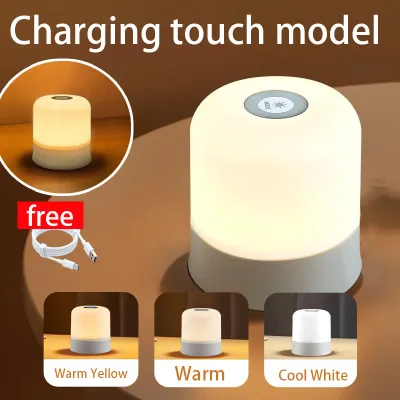
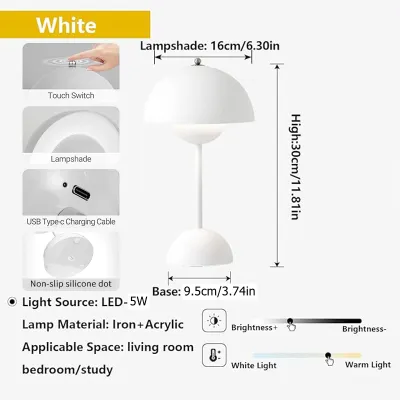
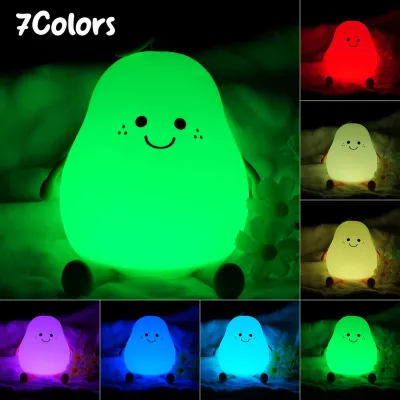
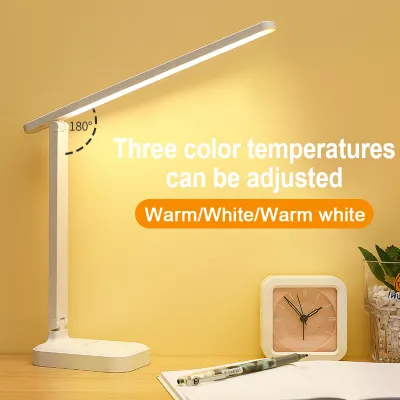
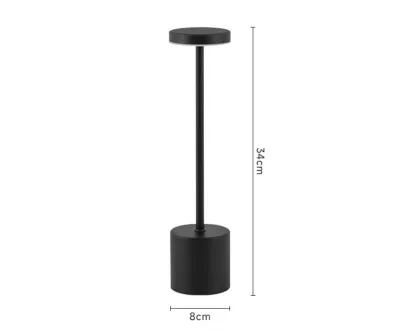
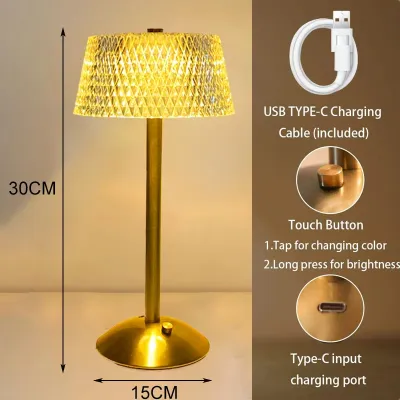
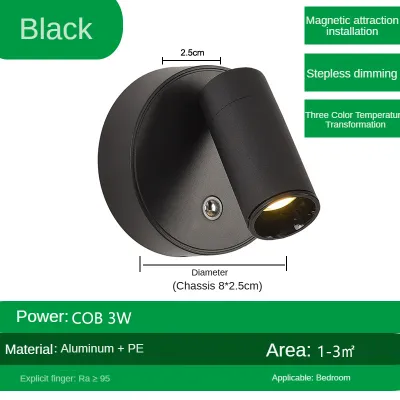
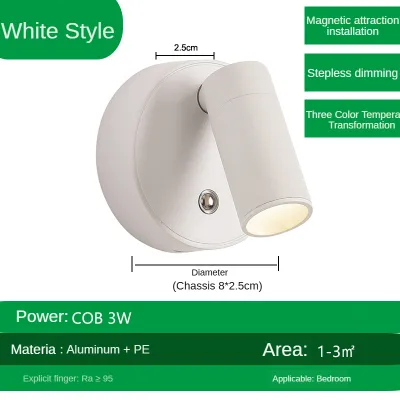
Prices are valid at publication and may change. Please refer to the product page for the latest price.

Portability and Cord Management
One of the most immediate differences you will notice is how each lamp type affects your bedroom’s visual clutter and physical layout. A rechargeable bedside lamp completely eliminates the need for a permanent cord during use, allowing you to achieve a highly minimalist, modern aesthetic on your nightstand. Without a trailing cable, you are free to position the lamp on floating shelves, narrow ledges, or the exact center of a large table without worrying about reaching the nearest wall outlet.
This portability also means you can easily lift the lamp to illuminate other areas, such as carrying it to a dark closet, using it as a temporary reading light on a lounge chair, or moving it to a terrace. In many homes, wall outlets are placed in inconvenient locations, often blocked by heavy wooden bed frames or headboards. A cordless lamp bypasses this architectural limitation entirely.
Traditional plug-in lamps, on the other hand, are physically anchored by their power cords. This restriction forces you to position your nightstand close to an outlet or rely on extension cords, which can create safety hazards and unsightly cable tangles. To maintain a clean look with a plug-in model, you will often need to invest in cable management accessories, such as adhesive cord clips, cable sleeves, or specialized nightstands with built-in wire routing channels.
However, the trade-off for this lack of movement is permanence. A plug-in lamp stays exactly where you put it, ensuring it will never be misplaced or accidentally knocked over while being carried from room to room. It acts as a stable, reliable anchor for your bedroom’s overall interior design.
Brightness, Color Temperature, and Runtime
When evaluating lighting performance, the power source directly impacts the quality and consistency of the light emitted. Plug-in lamps draw continuous alternating current (AC) directly from your home’s electrical grid. This unrestricted power supply allows them to support high-lumen bulbs, ranging from 400 to over 800 lumens, without any drop in performance over time.
This stable power source also means plug-in fixtures can easily maintain a high Color Rendering Index (CRI) and a consistent color temperature, whether you prefer a warm 2700K amber glow for winding down or a crisp 4000K neutral white for focused reading. You can leave a plug-in lamp on for hours, and the light output will remain completely uniform from the moment you flip the switch until you turn it off.
In contrast, a rechargeable bedside lamp relies on direct current (DC) supplied by an internal battery. Because battery conservation is critical, these lamps generally offer lower maximum brightness levels, often topping out between 150 and 300 lumens. While this is highly sufficient for casual reading and ambient lighting, it may feel dim if you try to illuminate an entire master bedroom.
Furthermore, rechargeable models are subject to voltage decay. As the internal lithium-ion battery depletes, the light output may gradually dim, changing the perceived color temperature or causing the light to flicker slightly before turning off completely. When shopping, you should look past vague marketing terms and closely examine the manufacturer’s technical specifications:
- Battery Capacity (mAh): Look for capacities between 2000mAh and 4000mAh for a balanced runtime.
- Lumen Output: Verify the maximum lumens on the highest setting to ensure it meets your reading needs.
- Runtime Estimates: Check the rated hours of operation at both the highest and lowest brightness settings.
Long-Term Maintenance and Battery Degradation
The long-term cost and upkeep of your bedside lighting are heavily influenced by the internal components of each lamp type. Traditional plug-in lamps are incredibly durable and require almost zero maintenance. If the light source fails, you simply unscrew the old bulb—typically an E27 or E14 base—and screw in a replacement. The physical lamp base, switch, and internal wiring can easily last for decades without degrading.
Rechargeable lamps carry a more complex maintenance profile due to their reliance on lithium-ion or lithium-polymer battery chemistry. All rechargeable batteries naturally degrade over time, losing their capacity to hold a charge after a certain number of charge-discharge cycles. In the warm and highly humid tropical climate of the Philippines, ambient indoor temperatures can regularly exceed 30°C, which accelerates the chemical aging process inside the battery.
Over two to three years of daily use, you may find that a cordless lamp that once lasted twelve hours on a single charge now only lasts four. Because many modern rechargeable lamps feature sealed, non-replaceable integrated battery compartments, battery failure often means you must discard and replace the entire fixture. To maximize the lifespan of a rechargeable model, you should seek out designs that allow for battery replacement or feature high-quality battery management systems (BMS) that protect against overcharging and excessive heat generation.
Matching the Lamp to Your Bedroom Habits
To determine which lighting style will integrate seamlessly into your daily life, it helps to look at your personal routines, spatial constraints, and aesthetic preferences. Your habits should dictate the technology you choose, rather than forcing yourself to adapt to a lamp’s limitations.
When a Rechargeable Bedside Lamp Makes Sense
A rechargeable bedside lamp is an excellent fit for modern, dynamic living spaces and specific structural layouts. You should choose a rechargeable model if your bedroom matches the following scenarios:
- Limited Wall Outlets: Your nightstand is positioned far from the nearest wall outlet, and you want to avoid running long, dangerous extension cords across the floor.
- Minimalist Design Preferences: You want a clean, uncluttered bedroom aesthetic with zero visible wires on your bedside table.
- Frequent Power Outages: You live in an area prone to seasonal brownouts or electrical storms, where a battery-powered lamp can instantly double as emergency lighting.
- Multi-Zone Reading: You enjoy shifting your reading positions, sometimes sitting up in bed, moving to a nearby floor cushion, or reading in a child's bedroom, and want to carry your light source with you.
- Rental Home Constraints: You are renting an apartment or condominium where you cannot drill holes to mount hardwired wall sconces or install new electrical outlets near the bed.
If you choose this path, you must establish a reliable charging routine. This might involve plugging the lamp into a USB charger every few mornings or keeping a dedicated charging station nearby so you are never left in the dark at bedtime.
When a Traditional Plug-In Lamp Is the Better Choice
For many homeowners, the absolute reliability of a corded fixture outweighs the benefits of wireless portability. You should choose a traditional plug-in bedside lamp if your lifestyle aligns with these conditions:
- Extended Nighttime Reading: You read or study in bed for hours at a time and require bright, high-quality, non-dimming illumination that will never shut off mid-chapter.
- Smart Home Integration: You want to connect your bedside lighting to smart plugs, voice assistants, or automated home routines, which require a continuous, uninterrupted power connection.
- Low-Maintenance Lifestyle: You frequently forget to charge your portable electronics and prefer a fixture that is always ready to use at the flip of a physical switch.
- Heirloom or Long-Term Decor Goals: You view your bedside lamps as permanent design investments and want high-quality ceramic, glass, or brass fixtures that will last for decades.
- High-Output Lighting Needs: You rely on your bedside lamp to provide significant ambient light for the entire room, requiring a high-wattage LED bulb that battery-powered units cannot support.
By opting for a plug-in model, you trade away mobility in exchange for dependable, high-performance light and complete freedom from battery-health worries.
Safety, Voltage, and Electrical Considerations
When installing any electrical fixture in your home, safety must be your primary consideration. In the Philippines, the standard household electrical grid operates at 220V AC at 60Hz. Before purchasing a plug-in bedside lamp, especially one imported from overseas, you must verify that the lamp’s transformer, driver, or included bulb is rated for this specific voltage and frequency. Operating a 110V rated lamp on a 220V system without a proper step-down transformer can cause immediate electrical failure, ruin the bulb, or pose a serious fire hazard.
For rechargeable bedside lamps, the primary electrical concern shifts to the charging interface and battery safety. Most modern rechargeable models charge via a USB-C or Micro-USB port, requiring a 5V DC input at 1A or 2A. You should always use a high-quality, certified charging adapter from a reputable manufacturer to power your lamp. Cheap, uncertified USB wall chargers can deliver unstable current, which can damage the lamp’s internal battery protection circuit and lead to overheating.
To ensure safety and protect your investment, keep the following guidelines in mind:
- Surge Protection: Plug your corded lamps or USB charging bricks into a high-quality surge protector to shield sensitive LED drivers and battery charging circuits from local power fluctuations.
- Thermal Management: Never place a rechargeable lamp in direct sunlight, near hot sunny windows, or close to air conditioning exhaust vents. High ambient heat can cause lithium-ion batteries to swell, leak, or fail prematurely.
- Safety Certifications: Always check the product packaging or the lamp's base plate for official safety marks, such as the Philippine Standard (PS) quality mark, the Import Commodity Clearance (ICC) sticker, or international certifications like CE, FCC, or UL.
- Fixed Wiring Installation: If you decide to install a wall-mounted bedside sconce that requires fixed electrical wiring, you must turn off the power at the main circuit breaker panel first. Always follow the manufacturer’s step-by-step installation instructions, and consult a qualified, licensed electrician if you are not fully comfortable handling electrical wiring.
If you ever notice a rechargeable lamp becoming unusually hot to the touch while charging, swelling in shape, or emitting an unusual chemical odor, immediately disconnect it from the power source, stop using it, and contact the manufacturer for assistance.
Quick Comparison: Rechargeable vs Plug-In Specs
| Feature | Rechargeable Bedside Lamp | Plug-In Bedside Lamp |
|---|---|---|
| Primary Power Source | Internal Lithium-Ion Battery (DC) | Wall Outlet (220V/60Hz AC) |
| Placement Flexibility | High; place anywhere without cord limits | Restricted; must be near a wall outlet |
| Brightness Stability | May dim as battery power depletes | Completely stable; zero dimming over time |
| Lifespan & Maintenance | 2 to 5 years (limited by battery degradation) | Decades (requires simple bulb replacements) |
| Smart Home Integration | Rare; limited by power-saving sleep modes | Excellent; compatible with smart plugs & bulbs |
| Ideal User | Minimalists, renters, and those in brownout areas | Heavy readers, smart home users, and low-maintenance seekers |
Frequently Asked Questions (FAQ)
Can I leave a rechargeable bedside lamp plugged in all the time?
While many modern rechargeable bedside lamps are equipped with built-in battery management systems (BMS) designed to stop charging once the battery reaches 100%, leaving the lamp permanently plugged in is generally not recommended. Continuous connection to a live charger can keep the battery at its maximum voltage state, which generates low-level heat and accelerates chemical wear over time.
To maximize the overall lifespan of your rechargeable bedside lamp, you should refer to your product’s specific manufacturer manual. The best practice is to charge the lamp fully, use it cord-free until the battery level drops to around 20%, and then plug it back in. If you want a lamp that remains plugged in permanently, a traditional plug-in model is a safer and more efficient choice.
Are plug-in bedside lamps safer than rechargeable ones?
Both plug-in and rechargeable bedside lamps are completely safe for daily bedroom use, provided they are manufactured by reputable brands and used in accordance with their safety instructions. However, each type carries distinct, manageable risks that you should keep in mind.
Traditional plug-in lamps carry minor physical and electrical risks, such as tripping over exposed cords, pets chewing on cables, or electrical shorts from damaged wire insulation. Rechargeable lamps eliminate these tripping hazards but introduce chemical and thermal risks associated with lithium-ion batteries. To ensure safety with a rechargeable model, avoid exposing the lamp to extreme heat, never cover it with blankets or clothing while it is turned on, and always use certified charging equipment. If you notice any signs of battery swelling or casing damage, stop using the device immediately.
Community discussion
Share your experience or ask a question. Comments are reviewed before publication.