
Choosing between a rechargeable bedside lamp and a traditional plug-in model comes down to a balance between your bedroom’s physical layout and your personal nighttime habits. If your bedside table sits far from a wall outlet, or if you prefer a clean, minimalist aesthetic free of tangled cords, a rechargeable lamp offers unmatched placement flexibility. Conversely, if you read for hours every night and want a reliable light source that never needs recharging, a classic plug-in lamp remains the most practical choice. Understanding how these two power systems interact with your daily routine, room layout, and local electrical conditions will help you select the ideal lighting setup for your space.
Core Differences in Power and Placement
To make an informed decision, it is essential to understand how each lamp type operates and how its power source affects your nightstand space. Traditional plug-in bedside lamps rely on a continuous connection to alternating current (AC) power. They must remain tethered to a wall outlet via an electrical cord, which limits their placement to the immediate vicinity of your power sources. This constant connection ensures that the lamp is always ready to illuminate your room at its maximum brightness, without any drop in performance over time.
Rechargeable bedside lamps, on the other hand, utilize built-in lithium-ion or lithium-polymer batteries to operate without a direct connection to a wall outlet. These lamps are charged using a separate cable—typically a USB-C or Micro-USB connection—and can run independently for several hours or even days, depending on the brightness setting. This cord-free operation allows you to place the lamp anywhere on your nightstand, or even move it to other parts of the room, without worrying about cord length or outlet proximity.
Products mentioned in this guide
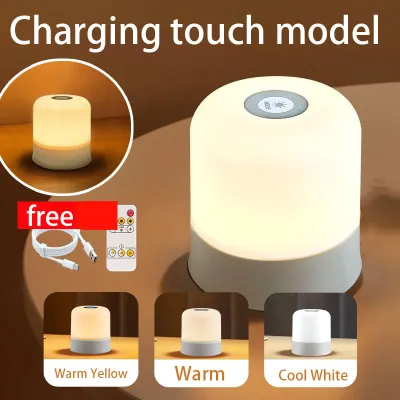
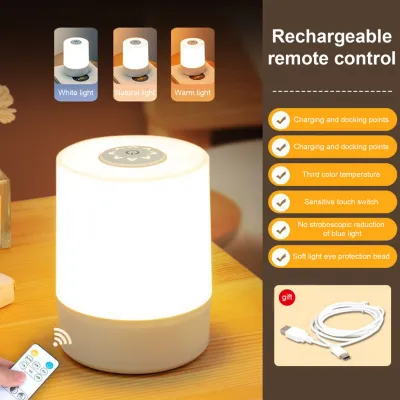
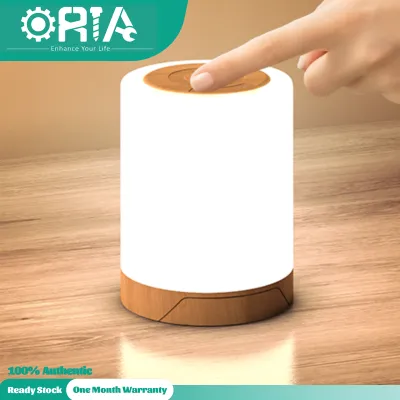
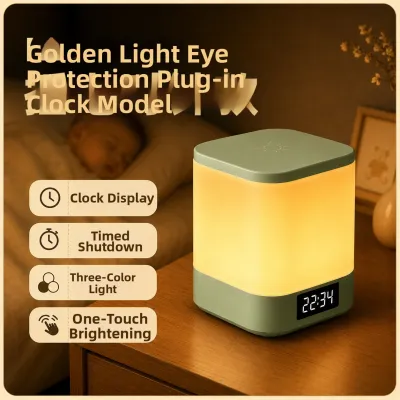
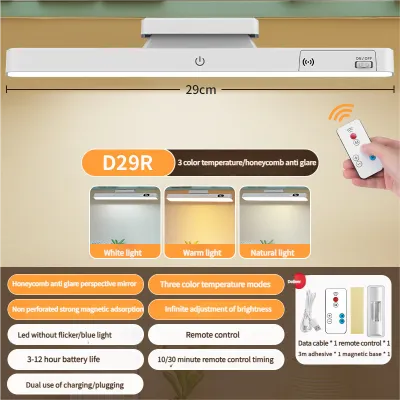

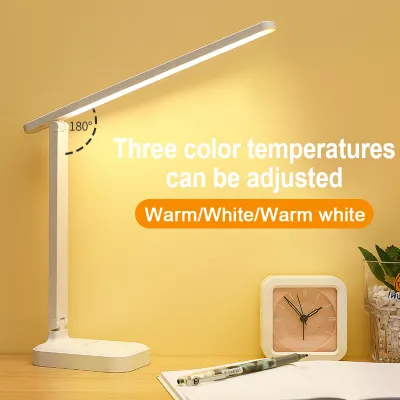
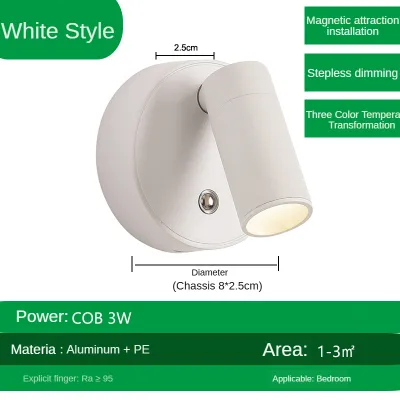
Prices are valid at publication and may change. Please refer to the product page for the latest price.
The visual and spatial impact of these two designs on a bedside table is significant. A plug-in lamp requires you to manage a dangling power cord, which can clutter a small nightstand and collect dust, especially in humid tropical environments where dust tends to cling to cables. A rechargeable lamp provides a clean, streamlined look that enhances minimalist bedroom decor. However, the absence of a permanent cord means you must establish a charging routine, turning a static decorative piece into a device that requires regular maintenance.
Evaluating Your Bedroom Layout and Outlet Access
Before purchasing any bedside lighting, take a close look at your bedroom’s physical layout and the location of your electrical outlets. In many homes in the Philippines, wall outlets are not always positioned conveniently next to the bed. If your bed is positioned in the center of a wall and the nearest outlet is several meters away, running an extension cord to a plug-in lamp can create both an eyesore and a tripping hazard. This is particularly true in compact bedrooms where walkways are narrow and space is at a premium.

Cable management becomes a major consideration when dealing with plug-in lamps. Cords running behind heavy wooden headboards or under mattresses can become pinched, which poses a serious electrical safety risk. In high-humidity environments, cables pressed tightly against walls or furniture can also trap moisture, potentially leading to mold growth or degradation of the cord’s protective insulation. If your nightstand does not have a built-in cable pass-through or if your outlets are blocked by heavy wardrobes, a plug-in lamp may force you into awkward furniture arrangements.
Rechargeable lamps solve these layout challenges by eliminating the need for immediate outlet access. However, they introduce a different logistical consideration: the charging routine. You must decide whether you will bring a charging cable to the nightstand periodically or move the lamp to a dedicated charging station in another part of the room, such as a study desk or living room console. If you choose to charge the lamp on your nightstand, you will still need an accessible outlet or a multi-port USB charger nearby, meaning the cord-free aesthetic is only temporary during charging cycles.
Usage Habits: Mobility vs. Continuous Reliability
Your nighttime routine and how you interact with your bedside light should heavily influence your choice. If you are someone who likes to adjust the position of your light frequently—perhaps pulling it closer for detailed reading or angling it away to create a soft ambiance—a lightweight, rechargeable lamp offers excellent mobility. Some users even use rechargeable lamps as portable lanterns, carrying them safely during late-night trips to the kitchen or bathroom without needing to turn on bright overhead lights that might disrupt sleep.
However, this mobility comes with the responsibility of monitoring battery life. There is few things more frustrating than settling down with a book only to have your light dim and die mid-chapter. For heavy readers who keep their bedside lights on for hours at a time, the continuous reliability of a plug-in lamp is unmatched. A plug-in model guarantees consistent, flicker-free illumination from the moment you turn it on until you switch it off, with no risk of sudden power loss.
Modern bedside lamps of both types often feature touch-sensitive controls, step-less dimming, or remote operations. Touch controls are particularly convenient on rechargeable models, as you can tap anywhere on the base to adjust the brightness without accidentally pulling a cord or shifting the lamp’s position. When selecting a lamp, consider how easily you can operate these controls in the dark. A lamp with a physical switch on the cord (common in plug-in models) might require you to fumble behind the nightstand, whereas a touch-sensitive rechargeable lamp is often easier to locate and operate with a simple tap.
Key Specifications to Verify Before Buying
When shopping for a bedside lamp, you must verify several technical and safety specifications to ensure the product is safe, compatible, and functional for your specific bedroom setup.
For rechargeable lamps, pay close attention to the battery capacity, which is typically measured in milliampere-hours (mAh). A larger battery capacity generally translates to longer run times, but this also depends on the lamp’s power consumption and brightness levels. Look for models that provide clear battery capacity indicators, such as small LED lights that show the remaining charge, so you are never caught off guard by a dead battery. Additionally, verify the charging port type; USB-C is highly recommended as it offers faster charging speeds and matches the cables used by most modern smartphones, reducing the number of cords you need to keep on hand.
For plug-in lamps, electrical compatibility is paramount. In the Philippines, the standard voltage is 220V at 60Hz. You must verify that any plug-in lamp you purchase is rated for this voltage to prevent electrical hazards or damage to the lamp. Check the plug type to ensure it matches your wall outlets (typically Type A or Type B flat-prong plugs). Furthermore, always verify the maximum wattage limit specified for the lamp’s socket. Installing a bulb that exceeds this wattage limit can cause excessive heat buildup, melting the socket or creating a fire hazard, especially in enclosed or poorly ventilated bedroom corners.
For both lamp types, evaluate the light quality and physical dimensions. Look for adjustable color temperature options, allowing you to switch between a cool white light for reading and a warm, amber glow for winding down before sleep. Dimming capabilities are also crucial for bedside use, enabling you to lower the light level so as to not disturb a sleeping partner. Finally, measure your nightstand’s height and surface area. A lamp that is too tall may cast light directly into your eyes when you are lying down, while a base that is too wide will leave little room for your phone, glasses, or a glass of water. Always look for standard electrical safety marks, such as the Philippine Standard (PS) mark or the Import Commodity Clearance (ICC) sticker, on the product packaging or label to ensure the device has undergone proper safety testing.
Decision Framework: Which Bedside Lamp Should You Choose?
To help you make the final decision, use this straightforward framework based on your bedroom layout, usage habits, and physical space.
Choose Rechargeable if:
- Your outlets are out of reach: Your nightstand is positioned far from wall outlets, and you want to avoid running unsightly or hazardous extension cords across the floor.
- You value a clean aesthetic: You prefer a minimalist, clutter-free bedside table without visible wires or cable management accessories.
- You need portable light: You want a versatile light source that you can easily move around the room, carry during power outages, or use as a gentle guide during nighttime trips.
Choose Plug-in if:
- You want zero-maintenance lighting: You prefer a "set-and-forget" setup where you never have to worry about battery degradation, charging cycles, or sudden power loss.
- You are an avid nighttime reader: You keep your bedside light on for extended periods every night and require maximum, consistent brightness that does not drain a battery.
- Outlets are readily available: Your nightstand is located directly next to an open wall outlet, making cable management simple and unobtrusive.
Verify First if:
- Check your nightstand dimensions: Ensure the lamp's height aligns with your mattress level so the light source is shielded from your direct line of sight when lying down.
- Assess existing room lighting: Determine if the bedside lamp will serve as the primary light source for reading or merely as a decorative accent, which will dictate the required lumen output and dimming range.
Frequently Asked Questions (FAQ)
Can I leave a rechargeable bedside lamp plugged in all the time?
Whether you can leave a rechargeable lamp plugged in continuously depends entirely on the manufacturer’s specific battery management system (BMS). High-quality rechargeable lamps often feature a built-in BMS that prevents overcharging by cutting off power once the battery is full, allowing you to use them like a standard plug-in lamp. However, cheaper models without this protection can suffer from accelerated battery degradation or overheating if left plugged in indefinitely. Always consult the user manual for exact charging instructions and safety guidelines before leaving any battery-powered device connected to a charger permanently.
Do rechargeable bedside lamps provide enough light for reading?
Yes, many rechargeable bedside lamps provide sufficient light for reading, but their performance depends heavily on the model’s maximum lumen output and your brightness settings. While a plug-in lamp can draw continuous power to maintain high brightness, a rechargeable lamp will drain its battery much faster when operated at its highest setting. If you plan to use a rechargeable lamp primarily for reading, check the product specifications for the lumen rating—aim for at least 150 to 300 lumens for comfortable reading—and verify the estimated battery run time at that specific brightness level.
Community discussion
Share your experience or ask a question. Comments are reviewed before publication.