
Quick Answer: Which Mood Lamp Should You Choose?
Choosing between a rechargeable and a plug-in mood lamp for your condo depends on your layout, mobility needs, and daily habits. A rechargeable lamp is the ideal choice if you require portable, cable-free ambient lighting for rented spaces, dining tables, or areas without nearby wall outlets. It allows you to shift the light source freely without dealing with messy cords.
Conversely, a plug-in lamp is better suited for fixed spots where you need continuous, high-brightness illumination without worrying about battery degradation or daily charging routines. Before making a purchase, verify if your condo association has strict rules against drilling or visible cable routing along walls, as these structural limitations strongly favor cordless options.
Key Differences That Matter for Condo Living
Living in a modern condominium requires a smart approach to space utilization and interior design. Every square meter counts, and lighting plays a pivotal role in making compact layouts feel spacious and inviting. The choice of power source for your ambient lighting dictates not just where you can place your fixtures, but also how you interact with your living space on a daily basis.
Products mentioned in this guide
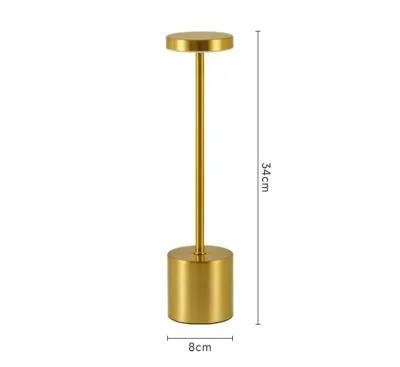
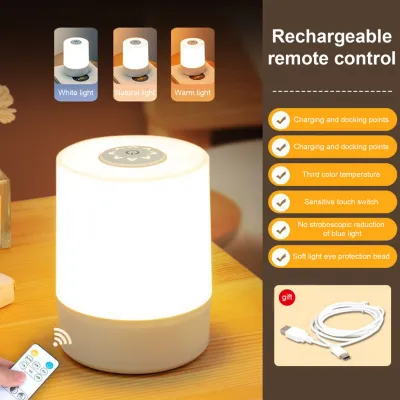
Prices are valid at publication and may change. Please refer to the product page for the latest price.

Placement Flexibility and Cable Management
Rechargeable lamps offer complete freedom of placement, allowing you to position them on floating shelves, kitchen islands, or window sills without worrying about the nearest wall outlet. This cordless nature is particularly beneficial in open-plan condo layouts where a dining table or a room divider sits far from perimeter walls.
Plug-in lamps require close proximity to electrical outlets, which can limit your layout options or force you to rely on extension cords. In a minimalist condo aesthetic, visible wires running down walls or across floors can create visual clutter and present tripping hazards. For specialized fixtures like sunset projection lamps, achieving the perfect angle often requires placing the light source in the middle of a room, where a trailing cord would be highly impractical.
Runtime, Charging, and Continuous Use
Operating a rechargeable lamp introduces a new routine into your household management, as you must regularly monitor battery levels and connect the device to a charger. Most modern cordless lamps utilize standard USB interfaces, allowing you to charge them using your existing smartphone adapters or power banks.
If you prefer a set-and-forget lighting setup, plug-in models provide continuous, uninterrupted illumination throughout the evening. This continuous power supply makes corded lamps the ideal choice for integration with smart home plugs, timers, or automated evening routines. When evaluating cordless options, always check the manufacturer’s specifications for estimated runtime at different brightness levels, as high-intensity settings will deplete the battery much faster than low-intensity ambient glows.
Long-Term Maintenance and Battery Degradation
The long-term cost and lifespan of your mood lighting are heavily influenced by the underlying power technology. Rechargeable lamps rely on internal lithium-ion or lithium-polymer batteries, which naturally degrade over time and lose their charge capacity after several hundred charge cycles. As the battery degrades, you may find yourself needing to charge the lamp more frequently, eventually turning a portable lamp into a semi-permanent plug-in fixture.
Plug-in lamps, lacking these degradable chemical batteries, generally offer a much longer operational lifespan that is limited only by the rated hours of the LED light source itself. Before purchasing, consider whether the light source or the battery can be easily serviced, or if the entire unit must be replaced once the power source reaches the end of its functional life.
Matching the Lamp to Your Condo Spaces
Different zones within a condominium serve distinct purposes, from high-traffic social areas to quiet personal sanctuaries. Matching the power type of your mood lamp to the specific demands of each room ensures both optimal functionality and safety.
Best Uses for Rechargeable Mood Lamps
Dining tables and kitchen islands are prime locations for rechargeable lamps, as they provide intimate dining light without unsightly cords draped across eating surfaces. They are also highly suited for transitional spaces like entryways or narrow hallways where wall outlets are rarely installed.
If you enjoy spending evenings on a condo balcony, a portable lamp can easily transition outdoors to create a cozy atmosphere, provided you bring it back inside after use. Always verify the ingress protection (IP) rating of any lamp you intend to use in damp environments like bathrooms or semi-outdoor balconies to prevent moisture damage. The ability to easily move a cordless lamp makes it a versatile tool for temporary styling, allowing you to shift the light to follow your activities from reading in an armchair to relaxing in bed.
Best Uses for Plug-In Mood Lamps
For dedicated workspaces, home offices, or media centers, plug-in lamps are the superior choice to ensure steady, flicker-free illumination during long hours of use. Large living room corners often require high-wattage floor lamps or powerful sunset projection lights to wash entire walls with color, a task that would rapidly drain a portable battery.
Bedrooms also benefit from plug-in bedside lamps, especially if you rely on them for reading every night or want them integrated into a smart home ecosystem. Smart home integration, such as voice control or mobile app scheduling, requires the lamp to maintain a constant standby wireless connection, which is only practical with a continuous plug-in power source.
Pre-Purchase Checklist: What to Verify on the Label
Before purchasing any mood lamp, carefully review the product packaging, user manual, or online specification sheet to ensure compatibility with your condo setup. Focus on the following technical details:
- Power Input and Charging Interface: For rechargeable models, check if the port is a standard USB-C or a proprietary connector. USB-C offers maximum convenience as you can share chargers with other devices.
- Cord Length and Plug Configuration: For plug-in models, measure the distance from your planned placement spot to the nearest outlet. Ensure the cord is long enough to prevent tension, and verify that the plug type matches your wall outlets without requiring bulky adapters.
- Voltage and Electrical Compatibility: Verify that plug-in lamps are rated for the standard local voltage (typically 220V in the Philippines) to prevent electrical hazards or device damage.
- Brightness Controls and Dimming: Look for lamps with adjustable brightness levels (stepless dimming or preset steps) to customize the mood, and check if the dimming mechanism is compatible with your existing smart switches if applicable.
- Safety Certifications and IP Ratings: Ensure the product carries recognized safety certifications. If you plan to use the lamp on a balcony or in a bathroom, verify a suitable IP rating (such as IP44 or higher) to protect against dust and moisture.
Frequently Asked Questions (FAQ)
Can I leave a rechargeable mood lamp plugged in all the time?
While most modern rechargeable lamps feature built-in overcharge protection circuits that stop drawing power once fully charged, leaving them permanently plugged in can still accelerate battery degradation. Keeping a lithium battery constantly at 100% capacity and exposed to minor standby heat can reduce its overall lifespan over time. For optimal battery health, it is best to unplug the lamp once fully charged and allow it to discharge periodically, or consult the manufacturer’s user manual for specific battery care guidelines.
Are plug-in sunset lamps safe to leave on overnight?
LED-based sunset lamps generally operate at low temperatures, making them significantly safer than traditional incandescent bulbs, but they still require proper ventilation. Ensure there is adequate airflow around the lamp body and its power adapter, as heat buildup can shorten the lifespan of the internal electronics. Always check the manufacturer’s maximum wattage rating, use the correct power adapter, and position the lamp a safe distance away from flammable materials such as curtains, bedding, or paper decorations.
Community discussion
Share your experience or ask a question. Comments are reviewed before publication.