
Choosing the right led light strip for your condo depends on whether you want to create a relaxing sanctuary or a dynamic, customizable entertainment space. For most residents, the decision comes down to a choice between warm white and RGB (Red, Green, Blue) LED strips. Warm white is the ideal option for creating a cozy, inviting, and visually comfortable atmosphere for daily living. In contrast, RGB strips excel at producing vibrant, colorful accent lighting and dynamic scenes perfect for hosting gatherings or setting up a dedicated gaming zone. Your final choice will ultimately depend on the specific function of each room, your existing interior decor, and your personal lifestyle preferences.
How RGB and Warm White Change Your Condo's Ambiance
Warm white lighting mimics the soft, golden glow of traditional incandescent bulbs. This color temperature, typically ranging from 2700K to 3000K, promotes relaxation by signaling to your brain that it is time to wind down. It softens the hard angles of modern condo interiors, making compact spaces feel more intimate and welcoming. Treating this soft glow as a conditional preference rather than a universal rule helps you design spaces tailored to rest.
RGB LED strips offer a completely different visual experience by utilizing color-mixing technology. By combining red, green, and blue light at varying intensities, these strips can produce millions of color combinations. This allows you to shift the mood of your space instantly, transitioning from an energetic purple for movie nights to a calming blue for late-night reading. The energetic impact of these colors is highly customizable, making them a favorite for modern, high-tech aesthetics.
Products mentioned in this guide
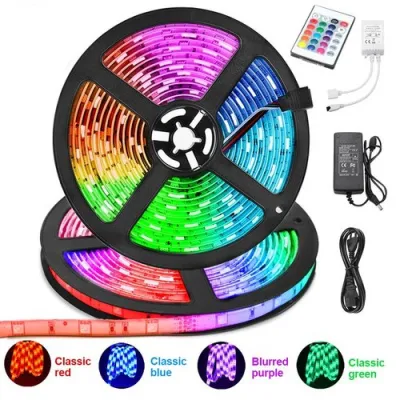
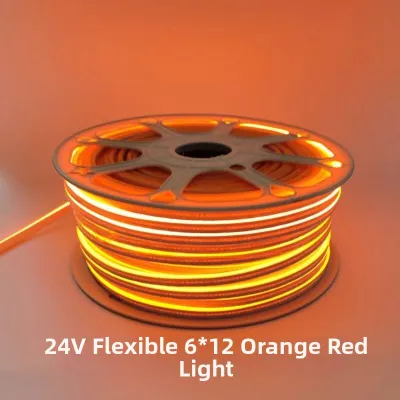
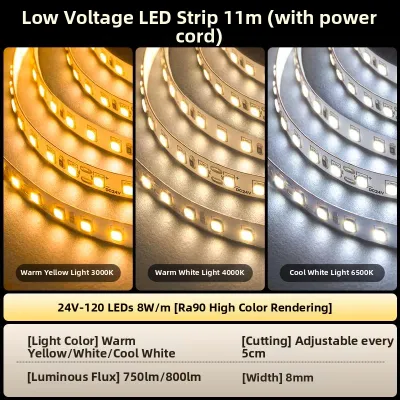
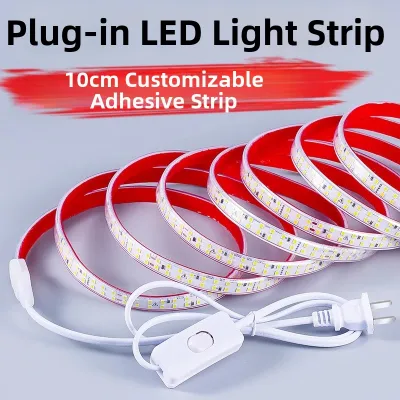
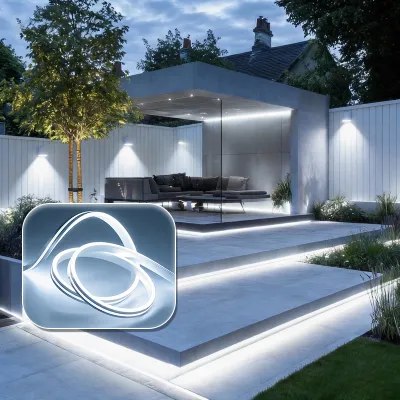
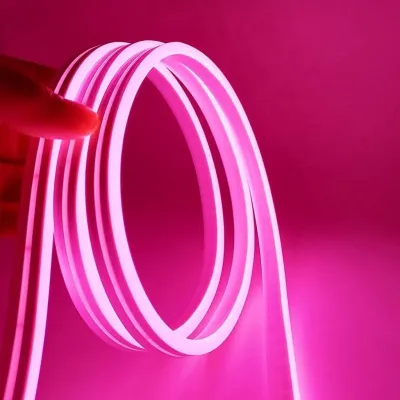
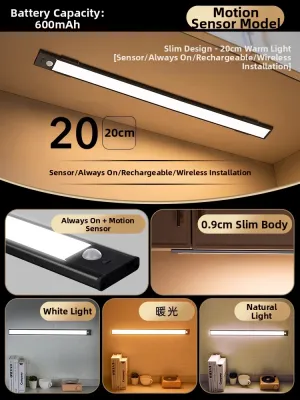
Prices are valid at publication and may change. Please refer to the product page for the latest price.
Your condo’s interior design style should also influence your choice. Minimalist and Scandinavian designs, which rely heavily on natural wood textures and neutral tones, pair beautifully with the organic feel of warm white lighting. On the other hand, modern, industrial, or futuristic interior styles can easily accommodate the bold, clean lines and dramatic contrasts created by RGB accent lighting. Matching the light source to your decor style ensures a cohesive visual flow throughout your home.
Room-by-Room Guide: Where Each Strip Light Works Best
In the living room and bedroom, comfort is usually the top priority. Installing warm white strips behind a headboard, under a bed frame, or along a ceiling cove provides soft, indirect illumination that reduces eye strain. However, if your living room doubles as a home theater, adding an RGB strip behind your television as a bias light can enhance on-screen contrast while adding a modern touch.

Kitchens and workspaces require a careful balance between functional visibility and aesthetic appeal. Under-cabinet lighting in the kitchen is highly functional; while cool white is often preferred for food preparation, warm white strips offer a softer look that transitions beautifully into evening dining. RGB strips are rarely suitable as primary task lighting in these areas, but they can serve as playful accent lights along the kickplates of kitchen islands or under bar counters.
For gaming rooms, home offices, or hobby spaces, RGB strips are highly popular. They allow you to create immersive, thematic environments that match your computer setup or console lighting. Many modern RGB systems can even sync with your PC or TV screen, projecting the colors of your game or movie onto the wall behind your desk to expand your visual field.
Key Specifications to Check Before Buying
Before purchasing any led light strip, you must verify its voltage and power supply requirements. Most LED strips operate on low-voltage direct current (typically 12V or 24V DC) and require an external transformer or driver to connect to standard 220V AC electrical outlets. Ensure the driver you choose is rated for 220V input and has a wattage capacity that exceeds the total wattage of your connected LED strips by at least 20 percent to prevent overheating.
Dimming capabilities and smart control compatibility are also critical factors. If you want to adjust the brightness of your warm white strips or change the colors of your RGB setup, you must verify that the controller matches your preferred interface. Some strips use simple infrared remotes, while others connect to Wi-Fi or Bluetooth, allowing you to integrate them with smart home ecosystems, mobile apps, or voice assistants.
The installation environment in your condo dictates the physical specifications of the strip. For damp areas like bathrooms or kitchen backsplashes, look for strips with an Ingress Protection (IP) rating of IP65 or higher to protect against moisture. Additionally, tropical humidity can weaken standard adhesive backings over time; preparing the surface by cleaning it thoroughly with isopropyl alcohol is essential, and using mounting clips or aluminum profiles can prevent the strips from sagging.
Always prioritize safety when planning your lighting layout. For complex installations, such as hardwired setups integrated into your condo’s main light switches, high-ceiling cove lighting, or runs that require cutting and soldering, isolate the power supply before starting. If you are uncomfortable working with electrical wiring or working at heights, consult a qualified professional to handle the installation safely.
Decision Framework: Which LED Strip Should You Choose?
Choose Warm White If:
- Your primary goal is to create a calm, cozy, and relaxing home environment.
- You prefer consistent, set-and-forget lighting that blends seamlessly with traditional, rustic, or minimalist decor.
- You want straightforward installation with fewer controllers, apps, or programming steps.
Choose RGB If:
- You enjoy hosting social gatherings, movie nights, or themed events that benefit from dynamic color changes.
- You want to build an immersive gaming station or a highly personalized entertainment center.
- You appreciate the flexibility of changing your room's color scheme on a whim using smart controls.
Verify First If:
- Your condo association has strict rules regarding visible exterior lighting or structural modifications.
- Your desired installation location has accessible power outlets without creating tripping hazards.
- Your existing smart home devices are compatible with the communication protocol (Wi-Fi, Zigbee, or Bluetooth) of the new light strip.
Frequently Asked Questions (FAQ)
Can I use both RGB and warm white LED strips in the same room?
Yes, combining both types of lighting is an excellent way to maximize the versatility of your condo. You can install warm white strips in your ceiling coves to serve as the primary ambient light source for daily activities, while placing RGB strips under shelves, behind media consoles, or along floorboards for accent lighting during social gatherings. To avoid visual clutter and operational confusion, it is best to use a unified smart home controller or keep their respective power adapters and remotes clearly labeled and organized.
Do LED light strips damage condo walls or ceilings when removed?
LED light strips use strong adhesive backings that can peel paint, drywall paper, or wallpaper if removed carelessly. To minimize the risk of damage, always test a small, hidden section of the wall before applying the strip along its entire length. When it is time to remove the lights, use a hair dryer on a low-heat setting to gently warm and soften the adhesive before slowly peeling the strip away at a shallow angle. If you are renting your condo, check your lease agreement and condo management guidelines regarding wall modifications to ensure you do not forfeit your security deposit over minor paint damage.
Community discussion
Share your experience or ask a question. Comments are reviewed before publication.