
Quick Answer: Which LED Neon Light Strip Fits Your Condo?
Choosing between an RGB and a warm white led neon light strip for your condo depends entirely on the primary function of the room and the daily atmosphere you want to create. There is no single option that fits every space, as these two lighting styles serve fundamentally different purposes in a home.
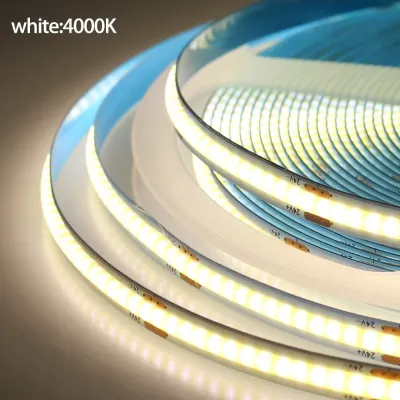
Warm white is the ideal choice for creating a relaxing, everyday ambient glow in living rooms, bedrooms, and hallways. It emits a soft, golden light that makes compact condo spaces feel cozy, premium, and visually spacious. This classic tone seamlessly integrates with standard home decor and mimics the natural warmth of traditional incandescent lighting.
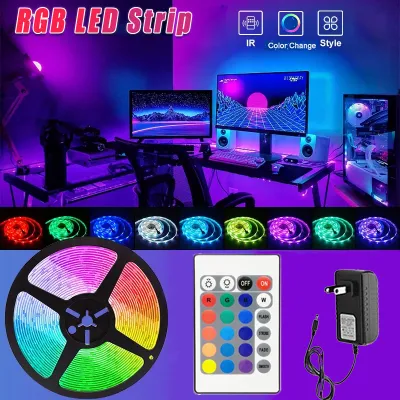
In contrast, RGB is best reserved for dynamic, mood-altering accents in dedicated entertainment zones, gaming setups, or home theaters. It offers millions of color combinations, letting you customize your environment for parties, movie nights, or creative projects. However, it is less practical as a primary light source for daily tasks.
Products mentioned in this guide
![[Support Lalamove Bulk Order] LED Strip Light High Quality Neon Strip Light Outdoor Waterproof Light Strip Flexible Light Strip Cuttable Every 1Meters Home Ceiling Cove Decoration](https://img.lazcdn.com/g/p/688c50e93f15cf6129b2bd2890c4a90c.jpg_400x400q80.jpg_.webp)
Prices are valid at publication and may change. Please refer to the product page for the latest price.
Before purchasing, evaluate your specific room layout, design style, and daily routines. Many condo owners find that a combination of both types—using warm white for general living areas and RGB for specific accent zones—delivers the most balanced and functional lighting design.
Understanding RGB and Warm White LED Neon Light Strips
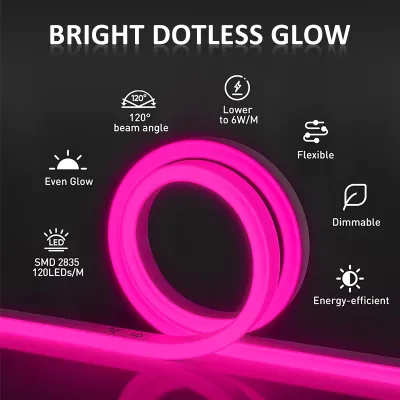
To make an informed decision, it is essential to understand what makes a “neon” style light strip different from a standard LED tape light. Traditional LED strips feature exposed, spaced-out light-emitting diodes that can create harsh, visible dots of light on nearby surfaces. A led neon light strip solves this aesthetic issue by encasing the flexible circuit board inside a thick, diffuse silicone or PVC sleeve.

This protective casing acts as a continuous lens, blending the light from the individual diodes into a smooth, seamless glow that closely mimics traditional glass neon tubing. This dot-free illumination is particularly beneficial in compact condo interiors, where light fixtures are often installed in close proximity to reflective surfaces like polished concrete, glass, or glossy laminate cabinets.
Warm white LED neon strips are engineered to emit a single, fixed color temperature, typically ranging from 2700K to 3000K. This spectrum delivers a rich, yellowish-gold light that feels comforting to the human eye. Because they focus on a single color profile, these strips are highly efficient and optimized to produce a clean, consistent glow without color shifting.
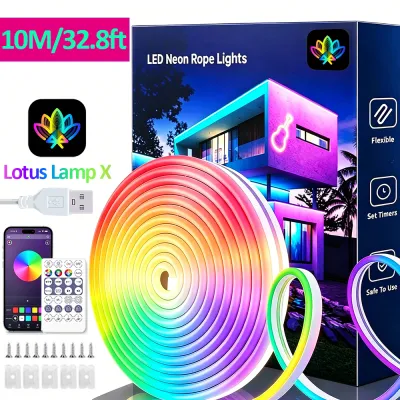
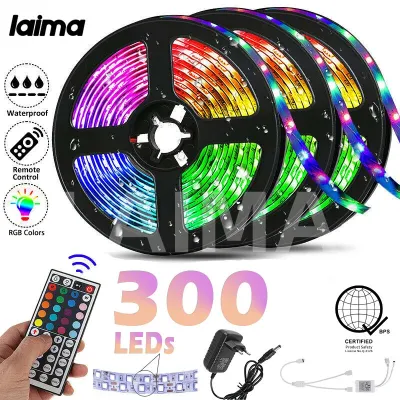
RGB LED neon strips contain red, green, and blue diodes placed closely together inside the casing. By adjusting the power sent to each of these three primary channels, an external controller can blend them to produce virtually any color in the visible spectrum. This versatility makes RGB strips highly customizable, though they require more complex control hardware to operate effectively.
Key Comparison Dimensions for Condo Lighting
When planning your condo’s interior design, comparing these two lighting options across practical daily dimensions will help you avoid costly mistakes and ensure your space remains highly livable.
Ambiance and Aesthetic Impact
Warm white lighting is highly valued for its ability to create a sophisticated, inviting, and visually calming environment. It complements modern, minimalist, Scandinavian, and Japandi interior design styles, which are incredibly popular in modern urban condos. The soft golden hue enhances natural wood textures, warm textiles, and neutral paint colors, making even the smallest studio unit feel like a high-end sanctuary.
RGB lighting offers an entirely different aesthetic, focusing on high energy, personalization, and visual drama. It allows you to transform your living room into a futuristic lounge, a deep-blue home theater, or a vibrant gaming zone at the touch of a button. However, highly saturated colors can easily clash with standard furniture and make a small room feel visually cluttered or artificial if they are not balanced with neutral ambient light.
It is also worth noting how the physical construction of neon strips affects their visual output. The thick silicone diffuser softens the light beautifully, but it can also slightly mute the saturation of RGB colors compared to bare LED strips. This softening effect actually works to your advantage in a condo, as it prevents the vibrant colors from becoming overly harsh or distracting in a confined space.
Functionality and Everyday Usability
For daily tasks, warm white is the superior and more practical option. It provides excellent visibility for functional areas such as under kitchen cabinets, inside wardrobes, or along hallway baseboards. The golden-hour color temperature reduces eye strain and supports your body’s natural circadian rhythm, making it easier to wind down in the evening after working under bright office lights.
RGB strips have significant limitations when it comes to daily utility. Performing routine tasks like cooking, reading, or grooming under pure red, green, or blue light is highly impractical and can cause rapid visual fatigue. While you can turn all three RGB channels to maximum brightness to create a white light, this mixed white often has a cold, bluish, or unnatural purple tint that lacks the cozy quality of a dedicated warm white diode.
If you plan to use your light strips as primary background lighting for several hours a day, warm white is the more reliable choice for long-term comfort. RGB is best treated as an occasional decorative accent, turned on during social gatherings, weekend movie sessions, or dedicated gaming hours rather than left running during your normal evening routine.
Smart Home Integration and Control
Operating an RGB led neon light strip requires a dedicated controller, which can range from a simple infrared (IR) remote to advanced smart controllers utilizing Bluetooth, Wi-Fi, or Zigbee protocols. These smart systems allow you to sync your lighting with music, program custom color-changing scenes, or integrate the strips into broader smart home ecosystems like Google Home, Amazon Alexa, or Apple Home.
Warm white strips offer much simpler control options, making them highly appealing if you prefer straightforward, low-maintenance setups. They can be operated via a basic wall switch, a simple inline physical dimmer, or a standard smart plug. This simplicity reduces the number of potential points of failure, ensuring your daily ambient lighting works reliably without relying on app updates or local network stability.
For those who want smart features without the complexity of color management, a warm white strip paired with a smart dimmer plug offers the perfect middle ground. You can schedule your lights to dim gradually as bedtime approaches, enjoying the convenience of automation while keeping your physical setup clean and uncomplicated.
Energy Consumption and Heat Output
Both RGB and warm white LED neon strips are incredibly energy-efficient compared to traditional glass neon or older incandescent accent lights. They convert the vast majority of their electrical energy into light rather than heat, which is a major advantage when cooling a compact condo in a warm, tropical climate.
However, there are slight differences in power consumption patterns. A warm white strip draws a consistent, predictable amount of power based on its brightness setting. An RGB strip’s power draw fluctuates depending on the color displayed; displaying a single color like red or green uses only a fraction of its capacity, while running all three channels at full brightness to simulate white light maximizes its power consumption.
Heat management is another critical factor to consider in enclosed condo environments. The thick silicone or PVC sleeve that gives neon strips their beautiful, dot-free glow also acts as an insulator, trapping a small amount of heat around the internal LEDs. To prevent premature dimming or diode failure, ensure your light strips have a high-quality thermal design and are installed in areas with adequate air circulation, avoiding tight, completely unventilated recesses.
Decision Framework: When to Choose RGB vs Warm White
To help you finalize your purchase, use this structured decision framework to match each lighting style to your specific living situation, aesthetic goals, and functional needs.
- Choose Warm White If:
- Your primary goal is to create a relaxing, cozy, and sophisticated atmosphere in your living room, bedroom, or main hallway.
- You want permanent accent lighting that enhances your existing furniture, wood finishes, and neutral decor.
- You prefer a simple, reliable installation that does not require managing complex mobile apps, wireless controllers, or smart home hubs.
- You need functional, glare-free task lighting for high-use areas like kitchen countertops, vanity mirrors, or study desks.
- Choose RGB If:
- You are designing a dedicated entertainment space, gaming room, home bar, or creative studio where dynamic visual impact is a priority.
- You enjoy hosting social gatherings, parties, or themed movie nights and want the ability to change the room's mood instantly.
- You already have an established smart home ecosystem and want to program custom lighting scenes, schedules, or music-syncing routines.
- You want to add a playful, highly personalized touch of color to a specific architectural feature, such as a floating shelf or a bed headboard.
- Consider RGBW or Dual-Controller Options If:
- You want the absolute best of both worlds: the vibrant, creative colors of RGB alongside a dedicated, high-quality warm white diode.
- You have a flexible budget and are willing to invest in slightly more expensive strips, complex multi-channel controllers, and additional wiring.
- You want to use the same physical light strip for bright, clean ambient lighting during the day and colorful accent lighting at night.
- Verify First If:
- You are renting your condo, as aggressive adhesive backings on neon light strips can easily peel paint or damage plaster upon removal.
- Your homeowner association or building administration has strict guidelines regarding visible exterior lighting, as bright or flashing RGB lights shining through windows or on balconies can sometimes violate community rules.
Essential Specs to Verify Before Buying
Before purchasing any led neon light strip, you must verify several technical specifications to ensure compatibility with your condo’s electrical layout and to guarantee a safe, long-lasting installation.
First, check the operating voltage of the light strip and its matching power supply. Most high-quality low-voltage strips operate on 12V or 24V direct current (DC). You must use a compatible transformer or driver to step down your condo’s standard mains voltage, which is 220V to 240V at 60Hz in the Philippines. Connecting a low-voltage strip directly to a wall outlet without a transformer will instantly destroy the diodes and create a serious electrical hazard.
Second, pay close attention to the Ingress Protection (IP) rating of the strip, especially if you plan to install it in areas prone to moisture. For dry indoor areas like bedrooms and living room coves, an IP20-rated strip is perfectly adequate. However, if you are installing accent lighting under kitchen cabinets near the sink, inside a bathroom, or on a covered balcony exposed to high tropical humidity, choose a strip rated at IP65 or IP67 to protect the electrical components from moisture damage.
Third, verify the maximum run length specified by the manufacturer. Low-voltage LED strips experience a phenomenon known as voltage drop, where the electrical current weakens as it travels further from the power source. This causes the far end of the strip to appear noticeably dimmer or shift in color. If you need to cover a long distance, such as a large living room ceiling cove, you may need to inject power at both ends of the strip or use a higher-voltage 24V system.
Finally, prioritize electrical safety and proper installation practices. Always isolate the power at your circuit breaker before attempting any fixed wiring modifications. If your installation involves complex routing, work at significant heights, high-voltage systems, or integration into your condo’s main electrical panel, do not attempt a DIY installation. Always consult a qualified professional or a licensed electrician to ensure the work complies with local electrical codes and building safety regulations.
Frequently Asked Questions (FAQ)
Can I use RGB LED neon strips to create pure warm white light?
Standard RGB LED neon strips cannot produce a true, high-quality warm white light. When you attempt to create white light on an RGB strip, the controller turns on the red, green, and blue diodes at full capacity. Because this white is created by mixing colored light, it typically results in a harsh, cool, or bluish-purple tone that lacks the soft, comforting golden glow of dedicated warm white diodes.
If you want both vibrant colors and a high-quality, cozy white light from a single fixture, look for RGBW or RGB+CCT neon strips. These advanced models feature dedicated white light-emitting chips alongside the standard RGB diodes, allowing you to switch between rich colors and a true, comfortable warm white.
Do LED neon light strips damage condo walls when removed?
Yes, cheap or overly aggressive adhesives can easily damage condo walls by peeling off paint, tearing drywall paper, or leaving a stubborn, sticky residue. This is a common issue in humid, tropical climates, where the moisture in the air can cause adhesives to degrade, bond unevenly, or fuse aggressively to painted concrete plaster.
To protect your walls, especially if you are renting, avoid applying high-strength double-sided tape directly to painted surfaces. Instead, use damage-free mounting clips secured with removable adhesive strips, or install slim aluminum mounting channels that can be mounted with small, easily patchable screws. Always test any adhesive on a small, hidden area of the wall before proceeding with the full installation.
Community discussion
Share your experience or ask a question. Comments are reviewed before publication.