
Condo living in urban centers across the Philippines presents unique design opportunities. With compact layouts, high-rise concrete structures, and varying access to natural light, creating a comfortable home requires thoughtful interior planning. Among the most effective ways to transform a condo’s atmosphere is through strategic lighting. LED strip lights have become a staple for modern homes, offering a sleek, low-profile way to add depth, highlight architectural features, and set the mood without taking up valuable floor space.
When planning your lighting design, the primary decision often comes down to choosing between RGB (Red, Green, Blue) and warm white LED strip lights. Both options bring distinct visual characteristics and functional advantages to a living space. While warm white lights offer a classic, cozy, and grounding glow, RGB strips provide a dynamic, highly customizable spectrum of colors that can shift to match any occasion. Choosing the right option is not about finding a universally superior light, but rather understanding how each type interacts with your daily routines, your condo’s layout, and the specific mood you want to cultivate.
How RGB and Warm White LED Strips Transform Condo Spaces
Warm white LED strip lights emit a soft, yellowish glow, typically ranging from 2700K to 3000K on the color temperature scale. This range closely mimics the gentle, warm light of the setting sun, which naturally signals to our bodies that it is time to rest and unwind. In a condo setting, where concrete walls and minimalist furniture can sometimes feel stark, the addition of warm lights softens these hard edges. The gentle illumination creates an immediate sense of intimacy and comfort, making even a compact studio unit feel like a welcoming sanctuary after a long day navigating the bustling city.
Products mentioned in this guide
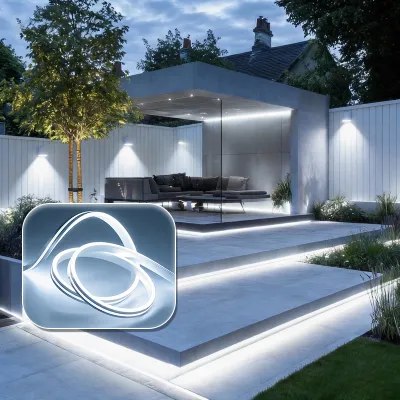
Prices are valid at publication and may change. Please refer to the product page for the latest price.
On the other hand, RGB LED strip lights utilize red, green, and blue diodes to produce millions of different color combinations. This dynamic capability allows you to completely alter the visual character of a room at the touch of a button. Psychologically, different colors evoke distinct emotional responses: cool blues and greens can promote a sense of calm and focus, while vibrant purples, reds, and oranges inject energy and excitement into the space. RGB lighting turns your condo into a versatile canvas, allowing you to transition the environment from a quiet reading nook to a lively social space or an immersive home theater.
Ultimately, the choice depends on your desired baseline atmosphere. If your condo is primarily a place of quiet retreat where you want to maximize relaxation, warm white is the natural choice. If you view your home as a multi-functional hub for work, entertainment, and socializing, the versatility of RGB strips offers the creative freedom to match your lighting to your shifting daily schedule.
Comparing Ambiance, Functionality, and Control
To make an informed decision, compare how these two lighting options perform across daily living scenarios, focusing on ambiance, functionality, and control. Warm white lighting provides a static, predictable environment. This consistency is grounding, offering reliable visual comfort without constant adjustment. In contrast, RGB lighting is customizable and high-energy. While it offers novelty, maintaining the right color balance requires active engagement, and poorly configured color schemes can feel distracting or visually fatiguing over long periods.

When it comes to functional visibility and color rendering, warm white strip lights hold a significant advantage. High-quality warm white LEDs render colors accurately, making them excellent for general ambient lighting. They enhance the natural grain of wooden furniture, rich textures, and decor colors. Standard RGB strips, however, often struggle with color rendering. Because they create white light by mixing red, green, and blue wavelengths rather than utilizing a dedicated white phosphor diode, the resulting light can have a low Color Rendering Index (CRI). This can make everyday objects, food, and skin tones look slightly unnatural or washed out.
Control mechanisms also differ greatly between the two systems. Warm white LED strips are straightforward to operate, integrating easily with simple physical dimmers, inline rotary switches, or basic smart plugs. This simplicity ensures a flat learning curve and high reliability. RGB strips require more sophisticated control systems, usually involving infrared remotes, smartphone apps, or smart home integrations. While these digital controls unlock features like color-syncing or custom scenes, they also introduce a setup learning curve and depend heavily on a stable home wireless network to function seamlessly.
Room-by-Room Guide for Condo Lighting
Every zone in a condo serves a different purpose, and mapping your LED strip lights to these specific areas ensures both aesthetic appeal and practical utility. In living rooms and bedrooms, the primary goal is usually relaxation and winding down. Warm white lights are highly recommended for these spaces. Installing them as indirect lighting—such as inside ceiling coves, behind headboards, or underneath floating bed frames—creates a soft, glare-free glow that minimizes eye strain and prepares your mind for sleep. This gentle illumination complements the cozy textiles and warm wood finishes commonly found in comfortable sleeping quarters.
For entertainment zones, media rooms, or dedicated gaming setups, RGB strip lights are the ideal choice. Placing RGB strips as bias lighting directly behind your television screen or computer monitor helps reduce eye fatigue by neutralizing the harsh contrast between a bright display and a dark wall. Furthermore, using deep blues, purples, or custom color profiles that match the content on your screen creates an immersive, cinematic experience that elevates movie nights and gaming sessions.
Kitchens and workspaces demand high-quality task lighting where clear visibility is paramount. Under-cabinet lighting in a condo kitchen is crucial for safe food preparation, while desk lighting keeps you focused during work hours. While warm white LED strips can serve as excellent accent lighting to highlight countertops or shelving, neither decorative warm white nor RGB strips should be relied upon as the primary light source in these active zones. Ensure that any decorative strip installation is paired with bright, high-CRI overhead fixtures or dedicated task lamps to maintain a safe and productive environment.
Pre-Purchase Installation and Compatibility Checks
Before purchasing your LED strip lights, perform physical and electrical checks to ensure a safe, durable, and clean installation that complies with condo regulations. First, verify the voltage requirements of your chosen LED strip. Most residential strips operate on 12V or 24V DC power, requiring a compatible step-down transformer or power adapter to connect safely to the standard 220V electrical outlets in the Philippines. Always check the wattage limit of the power supply to ensure it can handle the total length of the strip light without overheating.
Next, consider the installation environment and surface compatibility. High humidity in tropical climates can weaken standard double-sided adhesive backings over time, causing strips to sag or peel. Before mounting, thoroughly clean the surface to remove dust and oils. Verify that the adhesive is suitable for your specific wall finish, whether painted concrete, wallpaper, or laminated cabinetry. For long-term durability in humid conditions, consider mounting the LED strips inside aluminum profiles with plastic diffusers, which protect the diodes from dust and moisture while helping to dissipate heat.
Finally, establish clear safety boundaries. If your lighting plan involves fixed wiring, connecting strips directly to wall switches, mounting in damp areas like bathrooms, or working at heights, prioritize safety. Always isolate the power supply at the circuit breaker before handling any electrical components. Read the manufacturer’s instructions carefully, and if you encounter complex wiring or structural challenges, stop and consult a qualified professional electrician to complete the installation safely.
Final Decision Framework
To finalize your choice, use this conditional framework to determine which lighting style aligns best with your lifestyle, condo layout, and daily habits.
Choose warm white LED strip lights if:
- Your main priority is creating a cozy, timeless, and deeply relaxing home environment.
- You prefer simple, reliable physical controls or basic dimmers without dealing with smartphone apps.
- Your condo features natural wood elements, warm paint tones, and classic decor that benefit from accurate color rendering.
Choose RGB LED strip lights if:
- You want a highly customizable space that can instantly transition to suit parties, movie nights, or gaming.
- You enjoy integrating smart home technology, scheduling custom color scenes, and controlling your home via voice commands or mobile apps.
- You want the creative freedom to experiment with bold, modern aesthetics and vibrant accent colors.
Verify first if:
- Your chosen LED strip is fully compatible with your existing smart home ecosystem (such as Google Home or Apple Home) to avoid connectivity issues.
- Your condo's wall switches and dimmers are rated for LED compatibility to prevent annoying flickering or buzzing sounds.
If your budget and space allow, you can mix both styles across different zones of your condo. You can install warm white strips in ceiling coves for daily, elegant ambient light, while reserving RGB strips for low-level accent areas, such as behind the living room media console or under floating shelves, giving you complete control over your home’s visual identity.
Frequently Asked Questions (FAQ)
Can I use both RGB and warm white strips in the same room?
Yes, layering different types of lighting is an excellent way to add depth and sophistication to a condo. To prevent visual clutter and color clashing, use a clear zoning strategy. For example, you can use warm white strips in high-level ceiling coves to provide a consistent, warm ambient glow for the entire room, while reserving RGB strips for low-level accent lighting behind a television or under shelving. Keep in mind that running both systems independently will require separate power supplies or a specialized multi-channel controller (such as an RGBW controller) if you want to manage both light sources from a single remote or smart app.
Do LED strip lights consume a lot of electricity in a condo?
LED strip lights are highly energy-efficient, especially when compared to traditional incandescent or halogen accent lights. To understand the exact energy footprint of your setup, check the wattage per meter printed on the product label or packaging. You can easily estimate your monthly operating cost by multiplying the total wattage of your installed strips by the number of hours they run each day, converting that figure to kilowatt-hours, and applying the current electricity rates of your local utility provider. Because they run on low voltage and generate minimal heat, they are a highly cost-effective way to enhance your condo’s ambiance.
Community discussion
Share your experience or ask a question. Comments are reviewed before publication.