
Finding the perfect led light for room ambiance involves balancing daily functionality with personal style. The choice between RGB and warm white LED strip lights ultimately depends on how you intend to use your space. Warm white strips deliver a steady, comforting glow that helps you unwind after a busy day, making them excellent for cozy bedrooms and quiet reading corners. On the other hand, RGB strips offer a vibrant spectrum of colors that can instantly transform a room into an entertainment hub, gaming zone, or creative studio.
Rather than searching for a single superior option, the key is to evaluate your room’s primary activities, your preferred control methods, and the physical layout of your space. In modern homes and compact condo units, lighting must often serve multiple purposes, from daytime productivity to evening relaxation. Understanding the distinct characteristics of each light type ensures you select a setup that enhances both your daily comfort and your home’s overall aesthetic.
Understanding the Core Differences in Light Output
The primary distinction between these two lighting options lies in their color capabilities and how they project light into a room. Warm white LED strips are designed to emit a single, consistent color temperature, typically mimicking the soft, golden glow of traditional incandescent bulbs. This steady output provides excellent visual clarity and high color rendering, meaning the colors of your furniture, decor, and indoor plants will look natural and accurate under this light.
Products mentioned in this guide
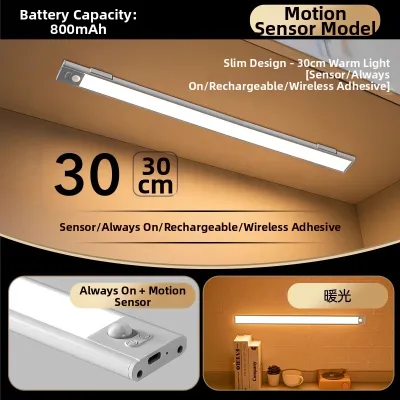
Prices are valid at publication and may change. Please refer to the product page for the latest price.
RGB LED strips utilize red, green, and blue light-emitting diodes to produce a vast array of colors. By mixing these three primary colors at varying intensities, the strip can display almost any hue on the spectrum. However, because standard RGB strips rely on color mixing, they do not produce a true, high-quality white light. The “white” light generated by mixing red, green, and blue often has a cool, slightly blue or purple tint, which may not feel as comfortable or natural for daily tasks.
Control mechanisms also differ significantly between the two types. Warm white strips are straightforward, often requiring only a simple inline switch or a basic dimmer to adjust the brightness level. RGB strips require a dedicated controller to manage the color channels, cycle through pre-programmed patterns, or sync the lights with music and media. This added control complexity allows for high customization but requires a bit more planning during setup.
Matching Light Types to Room Functions and Ambiance
To choose the right led light for room installations, start by analyzing how you spend time in that specific space. A room’s primary function should dictate its lighting style, as different light colors and intensities directly influence visual comfort and mood.

Consider the time of day the room is most active. Spaces used primarily in the evening for winding down require soft, low-glare illumination that signals the body it is time to rest. Conversely, multi-purpose rooms used for socializing, gaming, or creative projects benefit from dynamic lighting that can adapt to different energy levels and activities.
Best Uses for Warm White LED Strips
Warm white LED strips excel in spaces dedicated to rest, relaxation, and focused tasks. In bedrooms, installing these strips behind a headboard or along the underside of a bed frame creates a soft, indirect glow that minimizes harsh glare and helps prepare your mind for sleep. This gentle illumination is particularly beneficial in tropical climates, where creating a cool, calm indoor sanctuary away from the bright daytime sun is essential for comfort.
These strips are also highly effective for task lighting in specific zones. Under-cabinet mounting in kitchens provides clear, consistent illumination over countertops, making food preparation safer and easier. In living rooms, placing warm white strips inside ceiling coves or behind media consoles adds depth and warmth to the space without distracting from conversations or television viewing.
Best Uses for RGB LED Strips
RGB LED strips are the ideal choice for spaces centered around entertainment, creativity, and personalization. In gaming setups and home theaters, backlighting monitors and screens with deep blues, purples, or reds reduces eye strain while creating an immersive, high-energy atmosphere. The ability to change colors on demand allows you to match the lighting to the genre of the game you are playing or the movie you are watching.
These colorful strips also serve as excellent accent lighting to highlight architectural features or collections. You can run them along the edges of floating shelves, inside display cabinets, or under bar counters to draw attention to specific design elements. For social gatherings or holiday celebrations, the dynamic color-changing modes can instantly shift the room’s energy to match the festive mood.
Key Specifications to Verify Before Buying
Before purchasing any led light for room upgrades, it is crucial to verify several technical specifications to ensure safety, compatibility, and longevity. Always check the product packaging and manufacturer labels for electrical certifications and clear safety instructions.
First, verify the voltage and power supply requirements. LED strips typically operate on 12V or 24V DC power, meaning they cannot be plugged directly into a standard wall outlet without a compatible power adapter. Ensure the adapter you choose matches the strip’s voltage exactly and has a wattage rating that exceeds the total wattage of the strip length you plan to install. Using an underpowered adapter can lead to dim lighting, flickering, or dangerous overheating.
Next, measure the physical dimensions of the installation area. Compare the width of the LED strip with the internal width of any aluminum mounting channels or decorative coves you plan to use. Standard strips are often 8mm or 10mm wide, but high-density or hybrid strips may be wider, requiring specific channels for a flush fit.
Pay close attention to the Ingress Protection (IP) rating, especially in humid environments. For standard bedrooms and living areas, an IP20-rated strip is sufficient as it offers basic dust protection. However, if you are installing lights in kitchens, bathrooms, or semi-outdoor patio spaces where moisture and condensation are common, look for strips rated IP65 or higher, which feature a protective silicone coating to shield the electronics from water damage.
Finally, confirm controller compatibility. If you choose an RGB strip, ensure the controller matches the pin configuration of the strip (typically 4-pin for standard RGB). For warm white strips, verify that any dimmer switch you plan to use is compatible with dimmable LED drivers to prevent buzzing or unstable light output.
Installation and Control Considerations
A successful installation requires proper surface preparation and a clear understanding of how you want to interact with your lights daily. The adhesive backing on LED strips adheres best to smooth, clean, and dry surfaces. In warm or humid climates, dust and moisture on walls or furniture can cause the adhesive to fail over time. Cleaning the mounting surface thoroughly with rubbing alcohol and allowing it to dry completely before application is a simple step that prevents peeling.
Consider how you prefer to control your lighting setup. Basic installations can be managed with a simple physical remote or an inline switch, which is highly reliable and straightforward. If you prefer smart home integration, look for strips that support wireless protocols compatible with your existing smart assistants or smartphone apps. This allows you to set schedules, adjust brightness, or change colors using voice commands or automated routines.
While many LED strip projects are highly suitable for DIY enthusiasts, it is important to recognize professional boundaries. If your project involves hardwiring the power supply directly into your home’s electrical system, running cables through solid walls, or installing heavy fixtures at heights, always isolate the power source and consult a qualified electrician. A professional ensures the installation complies with local electrical codes and safety standards, protecting your home from potential hazards.
Decision Framework: Which One Should You Choose?
To finalize your decision, use this straightforward framework to match your needs with the right lighting type:
Choose Warm White if your primary goal is to create a calm, inviting, and highly functional space. This option is perfect for bedrooms, reading areas, and kitchens where consistent, high-quality light is needed for daily tasks and relaxation.
Choose RGB if you want to build an interactive, high-energy environment focused on entertainment, gaming, or creative expression. This option gives you the flexibility to change the room’s character at the touch of a button.
Verify your setup first if your installation involves high-humidity areas, complex dimming systems, or exceptionally long runs. In these scenarios, checking IP ratings, controller compatibility, and power supply limits before buying will save time and ensure a safe, durable installation.
Frequently Asked Questions (FAQ)
Can I get both warm white and RGB colors in one LED strip?
Yes, you can find hybrid options known as RGBW or RGB+CCT LED strips. These specialized strips feature both multi-color RGB diodes and dedicated white light diodes on the same circuit board. This design allows you to enjoy vibrant colors for entertainment and high-quality, warm white light for daily tasks without installing two separate strips. Keep in mind that hybrid strips generally require more advanced controllers, wider mounting channels, and a slightly higher initial investment.
Do RGB LED strips use more electricity than warm white ones?
Power consumption is determined by the strip’s total wattage, length, and brightness settings rather than the color type itself. However, because an RGB strip must light up its red, green, and blue diodes simultaneously to approximate a white light, it can sometimes draw more power when displaying white than a dedicated warm white strip of equivalent brightness. To manage energy use effectively, always check the rated wattage per meter on the product label and utilize dimming features when full brightness is not required.
Community discussion
Share your experience or ask a question. Comments are reviewed before publication.