
Choosing the right ambient lighting can transform a compact condominium from a standard concrete unit into a highly personalized, spacious-feeling sanctuary. Modern condo dwellers frequently face a choice between two popular options: multi-colored RGB strips and classic warm white strips. Both options utilize flexible tape light technology to fit into tight spaces like ceiling coves, under cabinets, and behind headboards, but they serve entirely different aesthetic and functional purposes.
There is no single superior option for every condo. The ideal choice depends on whether your priority is dynamic entertainment and thematic flexibility or a consistent, cozy baseline ambiance. For spaces dedicated to relaxation, study, or dining, a dedicated warm white strip offers superior visual comfort and timeless appeal. Conversely, for entertainment zones, gaming setups, or residents who love to host social gatherings, RGB strips provide unmatched versatility. For those who want the best of both worlds, hybrid options like RGBW strips—which feature a dedicated warm white diode alongside the colored ones—or tunable white strips offer an excellent compromise, allowing you to switch between high-quality ambient white and vibrant color effects.
The Basics: How RGB and Warm White LED Strips Differ
Understanding the physical and operational differences between these two types of LED lights strip light options is essential before making a purchase. An RGB LED strip relies on the additive color mixing of three primary colors: red, green, and blue. By adjusting the intensity of these three colored diodes within a single chip or placed closely together along the tape, the system can produce millions of distinct color combinations. Because of this complexity, RGB strips cannot operate by simply plugging them directly into a wall outlet; they require an external controller to translate user inputs into specific voltage levels for each color channel.
Products mentioned in this guide
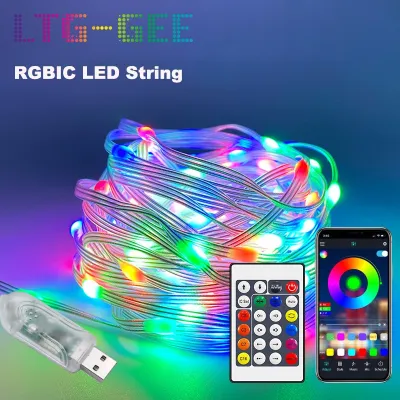
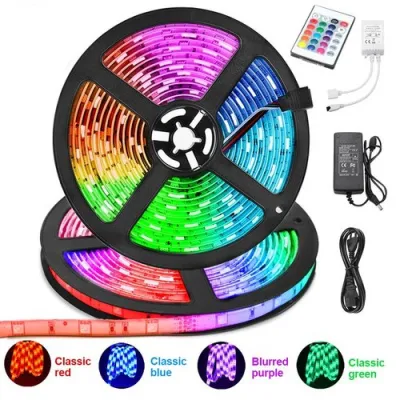
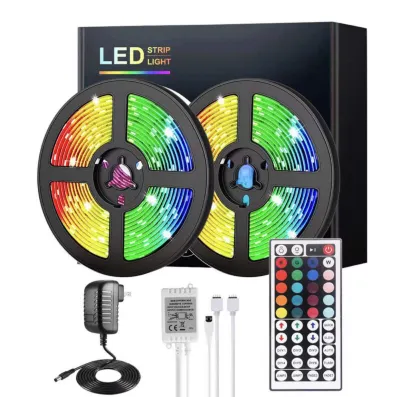
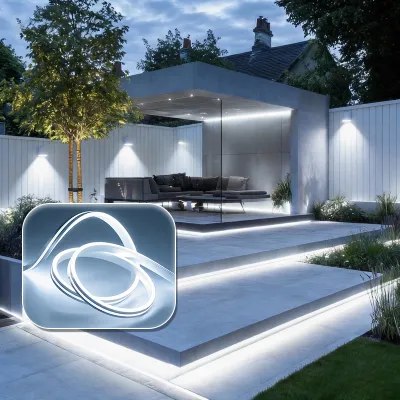

Prices are valid at publication and may change. Please refer to the product page for the latest price.
Warm white LED strips operate on a simpler, more direct mechanism. Instead of mixing colors, they utilize blue LED chips coated with a specialized yellow phosphor layer. This coating absorbs the blue light and re-emits a steady, warm glow, typically ranging from 2700K to 3000K on the Kelvin color temperature scale. This range closely mimics the soft, yellowish-white light of traditional incandescent bulbs, which humans naturally associate with cozy, indoor environments.
In a condominium context, ambient lighting refers to indirect, low-glare illumination designed to enhance the mood and define the spatial boundaries of a room. It is not meant to replace high-intensity task lighting, such as reading lamps or kitchen prep lights. Instead, ambient strips are concealed within architectural features like drop ceilings, curtain pelmets, or toe-kicks. Because they are designed to run for extended periods, selecting the right type involves assessing how the light interacts with your condo’s materials, layout, and daily routines.
Key Comparison Factors for Condo Ambient Lighting
To determine which lighting style fits your daily life, it is helpful to evaluate how each option performs across three essential categories: aesthetic flexibility, eye comfort, and control complexity. Condos present unique architectural challenges, such as lower ceiling heights and close-quarters living, which make the quality and control of indirect light incredibly important.

Mood, Atmosphere, and Aesthetic Flexibility
Warm white LED strips excel at creating a sophisticated, inviting, and cohesive interior. The soft golden undertones of a 2700K to 3000K light naturally complement organic materials commonly found in Filipino condo designs, such as local hardwood veneers, woven rattan, and warm-toned fabrics. This creates a visually grounding effect that makes small rooms feel more intimate and relaxing. However, warm white is statically bound to its color temperature; while you can dim it, you cannot change its color to match a high-energy event.
RGB strips offer ultimate thematic flexibility, allowing you to instantly shift the room’s character from a calm blue oasis to a vibrant purple lounge. This is highly appealing for hosting parties, celebrating holidays, or creating an immersive media environment. The primary limitation of standard RGB strips is their inability to produce a clean, high-quality white light. When an RGB strip attempts to create white, it lights up the red, green, and blue diodes simultaneously. This mixed light often has a cold, artificial quality, frequently casting a distracting greenish or bluish tint on your walls. If your design calls for premium, everyday ambient white, a standard RGB strip may disappoint.
Functional Lighting and Eye Comfort
Visual comfort is a critical consideration for spaces where you spend your evenings. Warm white light is highly gentle on the eyes because it contains lower levels of high-energy blue wavelengths. This makes it ideal for unwinding after a long day of work or school, as it supports a natural transition into a restful state. Using warm white in cove ceilings or behind a television helps reduce eye strain by minimizing the harsh contrast between bright screens and dark walls without introducing distracting color spikes.
In contrast, saturated colors from an RGB strip can cause visual fatigue if used as the primary ambient source for long periods. Saturated blue, green, or red light can distort depth perception and make reading or moving around the condo uncomfortable. While these colors are excellent for short-term accent effects or gaming sessions, they are less suited for continuous, everyday ambient use. If you choose RGB, it is best to use it as a secondary accent rather than the sole source of evening illumination.
Control, Smart Features, and Usability
Operating an RGB LED lights strip light setup always requires some form of control interface. This can range from simple infrared (IR) line-of-sight remotes to radio-frequency (RF) controllers, smartphone applications, or smart home integration via Wi-Fi or Bluetooth. While this allows for fun features like music synchronization, scheduling, and custom color scenes, it also introduces more points of potential technical failure. If your home Wi-Fi network experiences downtime, or if the remote control is misplaced, adjusting your lights can become frustrating.
Warm white strips offer a much wider range of control simplicity. They can be integrated into standard wall switches, operated via simple inline rotary dimmers, or connected to smart plugs for basic scheduling. For those who prefer a smart home setup, warm white strips can also be paired with smart controllers to adjust brightness via voice commands. When planning your control system, always verify the voltage compatibility of your components. Most LED strips operate on 12V or 24V direct current (DC), requiring a compatible LED driver (transformer) to convert your condo’s 220V alternating current (AC) mains power. Mixing incompatible voltages can permanently damage your strips or create safety hazards.
Room-by-Room Guide: Where to Use Each Light Type
Because different zones of a condominium serve distinct purposes, a hybrid approach often yields the best results. Mapping your lighting choices to the specific activities of each room ensures that your lighting is both practical and atmospheric.
Living Room and Entertainment Areas
The living room is typically the most versatile space in a condo, serving as a relaxation zone, a social hub, and an entertainment center. For general ambient lighting, warm white is highly recommended for main ceiling coves or under floating shelves. This establishes a clean, high-end baseline that enhances your decor without distracting your guests.
If you have a dedicated gaming desk, a home theater setup, or a media console, RGB lighting can be applied as localized bias lighting. Placing RGB strips behind your TV or monitor can enhance your gaming or viewing experience by matching the colors on the screen. For a multi-use living room, investing in an RGBW strip is often the best choice, as it provides crisp, high-CRI warm white for daily living and vibrant colors for movie nights or weekend gatherings.
Bedroom and Relaxation Zones
Bedrooms should prioritize rest, recovery, and visual calm. Warm white is the undisputed favorite for this space. Installing a dimmable warm white strip behind your headboard, inside a curtain valance, or under the bed frame creates a soft, floating aesthetic. Under-bed lighting is particularly useful as a low-intensity nightlight, illuminating the floor path during the night without shining directly into your eyes or disrupting your sleep cycle.
Saturated RGB colors are generally too stimulating for a bedroom environment. If you do choose to install RGB lights in the bedroom, it is best to keep them at a very low brightness level and stick to warmer hues, such as deep amber or soft orange, during the late evening. Avoid bright, saturated blues or greens before bedtime, as these colors can make it harder to wind down.
Kitchen, Dining, and Workspaces
Kitchens and dining areas require lighting that makes food look appealing and tasks easy to perform. While food preparation areas need bright, neutral white task lighting, ambient accents in the dining area benefit greatly from warm white. Running a warm white strip under your kitchen cabinets or along the toe-kick of a kitchen island adds a layer of depth to the room and makes the dining space feel cozy and inviting during dinner.
RGB lighting is rarely practical in a kitchen or dining zone, as colored light can distort the natural colors of food, making meals look unappetizing. The exception to this rule is a dedicated home bar or a glass-front display cabinet, where a subtle pop of color can highlight glassware or collectible bottles for a modern, lounge-like feel.
Decision Framework: Which LED Strip Should You Buy?
To finalize your purchasing decision, it is helpful to look at a direct, condition-based framework that matches your lifestyle, design preferences, and condo rules.
Choose Warm White if:
- You want to create a classic, cozy, and high-end residential atmosphere.
- Your interior design features natural wood, warm colors, or tropical elements.
- You prioritize eye comfort, easy evening relaxation, and simple, reliable operation.
- You prefer a straightforward installation with minimal components and no reliance on smartphone apps or Wi-Fi networks.
Choose RGB if:
- You have a dedicated gaming room, home theater, or entertainment zone.
- You frequently host social gatherings, parties, or themed events.
- You enjoy customizing your living space with dynamic color scenes and smart home automation.
- You do not mind managing a dedicated controller, remote, or mobile app to operate your lights.
Consider RGBW or Tunable White if:
- You want the flexibility of millions of colors without sacrificing the high-quality, cozy feel of a dedicated warm white diode.
- You want to adjust your white light from a cool, energizing daylight during the afternoon to a warm, relaxing amber in the evening.
- You are willing to invest a bit more in a higher-quality strip and a slightly more complex controller setup.
Verify first if:
- Your condo's Property Management Office (PMO) has strict guidelines regarding lighting visible from the exterior of the building, especially on balconies or street-facing windows.
- Your existing wall dimmers are compatible with the specific LED driver you plan to purchase, as standard triac dimmers can cause LED strips to flicker if they are not rated for LED loads.
Safe Installation and Condo-Specific Considerations
Installing LED lights strip light options in a condo requires careful planning, particularly regarding heat management, surface preparation, and electrical safety. Because condominiums often feature concrete walls and enclosed gypsum board ceilings, heat can easily become trapped. LED strips generate heat during operation, and if this heat cannot dissipate, it can degrade the double-sided adhesive backing, causing the strip to sag or peel off over time. More importantly, excessive heat can shorten the lifespan of the LED chips themselves. To prevent this, consider mounting your strips inside aluminum channels, which act as highly effective heat sinks while diffusing the light for a smoother glow.
Proper surface preparation is key to a lasting installation. Before peeling off the adhesive backing, thoroughly clean the mounting surface with isopropyl alcohol to remove dust, grease, and moisture. This is especially important in humid tropical climates, where ambient moisture can interfere with the adhesive bond. Allow the surface to dry completely before pressing the strip firmly into place.
For any installation involving fixed wiring, connection to your condo’s main electrical panel, or running wires through concrete walls, always isolate the power at the circuit breaker before starting work. Follow all manufacturer installation instructions carefully, and ensure that your power supply wattage matches or exceeds the total wattage requirements of your strip run, leaving a 20% safety headroom. If you are working at heights to install cove lighting, or if you are installing strips in damp areas like bathrooms or near kitchen sinks, safety is paramount. In these scenarios, or if you are unsure about load calculations and wiring compliance, always consult a qualified professional electrician to ensure your installation meets local safety standards and your building’s electrical codes.
Community discussion
Share your experience or ask a question. Comments are reviewed before publication.