
When planning the perfect lighting setup for your home—a search that often begins with finding the right ilaw sa bahay led maliwanag—the choice between RGB and warm white LED strip lights is one of the most critical decisions you will make. For pure brightness, visual comfort, and consistent ambient illumination, warm white LED strip lights generally outperform standard RGB strips of the same wattage. This difference in performance comes down to how each strip is engineered to emit light.
Warm white strips dedicate 100% of their light-emitting diodes (LEDs) to a single, focused color spectrum. This design maximizes the lumen output per watt, ensuring that every bit of electricity is converted into usable, bright light. In contrast, standard RGB (Red, Green, Blue) strips must split their power and physical space among three separate diodes to mix colors. When you attempt to create a “white” light with an RGB strip, it must turn on all three channels at once, resulting in a less efficient, lower-intensity, and often bluish-white light.
If your primary goal is vibrant, color-changing effects for entertainment areas, gaming setups, or parties, RGB is the correct choice. However, it should not be relied upon as the primary bright light source for a room. For homeowners who refuse to compromise on either high brightness or color versatility, RGBW (RGB + dedicated White diode) strips serve as a premium alternative, combining the best of both worlds in a single tape light.
Products mentioned in this guide
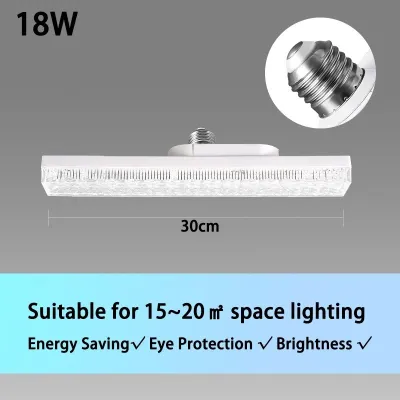
Prices are valid at publication and may change. Please refer to the product page for the latest price.
Understanding Brightness: Lumens vs. Wattage in LED Strips
To make an informed decision, you must first understand how to accurately evaluate brightness when shopping. Many buyers mistakenly look at wattage as the primary indicator of how bright a light will be. Wattage only measures the amount of electrical power a strip consumes, not the actual amount of visible light it emits.
To compare brightness accurately across different strip types, you should check the product packaging or specification sheet for “lumens per meter” (lm/m) or “lumens per foot”. Lumens represent the true measure of visible light output. A highly efficient LED strip can produce more lumens while drawing fewer watts, saving you money on your monthly electricity bill while delivering superior brightness.
It is also important to recognize how the human eye perceives brightness based on color temperature. Warm white LED strips typically fall within the 2700K to 3000K range, mimicking the soft, amber glow of traditional incandescent bulbs. While some people initially perceive cool white (6000K+) as “brighter” because of its crisp, blue-toned contrast, a high-lumen warm white strip provides ample illumination for living spaces without causing the harsh glare or eye strain associated with cooler temperatures.
Before purchasing, calculate the total lumens needed for your specific space. For subtle, indirect cove lighting in a living room, a strip producing 400 to 600 lumens per meter is usually sufficient. For task-oriented areas, such as under-cabinet kitchen lighting where you need clear visibility for food preparation, look for high-output strips that deliver 800 to 1,200 lumens per meter.
Warm White LED Strips: Maximizing "Ilaw sa Bahay" with Bright, Cozy LED Maliwanag Output
Single-color warm white LED strips utilize a highly efficient diode structure. Because every single chip on the flexible circuit board is coated with a yellow phosphor layer designed to emit a warm white glow, there is no wasted energy. This dedicated design allows warm white strips to achieve a much higher luminous efficacy—meaning they produce more lumens per watt—compared to multi-chip RGB diodes.

These characteristics make warm white strips ideal for creating a bright yet relaxing home environment. In typical residential layouts, warm white strips excel in bedroom cove lighting, living room ceiling perimeters, and under-cabinet kitchen installations. The warm tone softens the hard angles of concrete walls and modern furniture, creating a cozy, inviting sanctuary that is highly valued in tropical homes.
When shopping for warm white strips, always check the Color Rendering Index (CRI) on the product label. CRI measures how accurately a light source reveals the true colors of objects, furniture, and skin tones compared to natural sunlight. For standard home use, recommend looking for a CRI of 80 or higher; for premium spaces where decor and natural wood finishes are featured, a CRI of 90 or above is ideal to prevent your interior from looking dull or washed out.
Additionally, warm white LED strips offer the benefit of simpler installation and control systems. Because they only require a basic two-wire connection (positive and negative), they are highly compatible with standard LED drivers. Adjusting the brightness is straightforward, often requiring only a compatible inline dimmer switch, a wireless remote, or a wall-mounted TRIAC dimming system that integrates with your existing wall switches.
RGB LED Strips: Color Versatility vs. Light Output
RGB LED strips are built with multi-color chips containing three distinct diodes: red, green, and blue. By modulating the intensity of each diode, the strip can produce over 16 million color combinations. However, this versatility comes with a significant trade-off in raw light output and quality when you need standard white illumination.
Because standard RGB strips lack a dedicated white diode, they must turn on the red, green, and blue channels at 100% capacity to simulate white light. This mixing process results in a “cool white” that often carries a harsh, bluish, or purple tint. This simulated white light has a very low Color Rendering Index, meaning it will distort the colors of your furniture, paint, and food, while also causing visual fatigue over extended periods of use.
Despite these limitations, RGB strips are highly effective when used for their intended purpose: decorative and accent lighting. They are perfect for adding bias lighting behind a television screen to reduce eye strain, illuminating gaming desks, highlighting decorative shelving, or setting a festive mood in bar areas. In these scenarios, the focus is on color saturation and visual impact rather than high-intensity task lighting.
Operating an RGB strip requires a dedicated controller and receiver to manage the color mixing. Whether you use an infrared remote, a radio-frequency controller, or a smart app via Wi-Fi, this extra hardware adds to the overall setup complexity. If the controller fails or loses its connection, you may lose the ability to adjust the lights entirely until the system is reset.
For these reasons, you should avoid using standard RGB strips as the primary light source in areas where high-quality, bright illumination is necessary. Kitchens, home offices, reading nooks, and vanity mirrors require the stable, high-CRI output that only dedicated white light sources can provide.
Key Comparison Dimensions for Home Lighting
Light Quality and Color Rendering
Warm white LED strips provide a continuous, balanced light spectrum that yields excellent color rendering. This makes them superior for daily tasks and creating a comfortable, high-end aesthetic in your living spaces. Standard RGB strips, when forced to simulate white light, produce distinct spectral peaks with significant gaps. This leads to poor color rendering and can cause noticeable color-banding, where shadows cast by objects show distracting red, green, or blue fringes along their edges.
Energy Efficiency and Heat Management
While both options utilize energy-efficient LED technology, they manage power and heat differently. Driving all three channels of an RGB strip at maximum capacity to simulate white light draws more power and generates more heat than a single-color warm white strip of equivalent brightness.
Excess heat is the primary enemy of LED longevity; in warm, humid climates, high operating temperatures can degrade the diodes and cause the double-sided adhesive backing to fail. To ensure safety and durability, high-brightness strips should be mounted in aluminum extrusion channels, which act as heat sinks to dissipate thermal energy effectively.
Control Systems and Setup Complexity
Warm white strips offer a highly reliable, plug-and-play installation experience. They easily connect to standard power adapters and can be dimmed using simple, robust analog or digital dimmers. RGB systems require matching the strip to a compatible multi-channel controller and receiver. While smart RGB setups offer convenient app and voice controls, they introduce more potential failure points, dependency on stable home wireless networks, and a steeper learning curve during the initial configuration.
How to Choose the Right LED Strip for Your Space
To select the ideal lighting solution for your home, consider this structured decision-making framework based on your specific goals:
- Choose Warm White LED Strips if: You need primary or ambient lighting that is bright, comfortable, and reliable; you want to create a cozy, relaxing atmosphere in bedrooms or living areas; you prefer simple, long-lasting controls; and you prioritize high color rendering for your interior decor.
- Choose RGB LED Strips if: Your primary goal is dynamic mood lighting, color-changing effects for entertainment spaces, or decorative accents where raw brightness and color accuracy are secondary to visual impact.
- Consider RGBW (RGB + Warm White) Strips if: You want the ultimate flexibility without compromising on brightness. These premium strips feature a dedicated warm white diode alongside the RGB chips, allowing you to enjoy true, high-brightness white light for daily tasks and vibrant colors for special occasions.
Before finalizing your purchase, verify the Ingress Protection (IP) rating of the strip to match your installation environment. For dry indoor areas like bedroom coves, living room ceilings, or display cabinets, an IP20-rated strip is sufficient. For kitchens (especially near sinks or cooking ranges) or bathrooms where steam, humidity, and water splashes occur, opt for at least an IP65-rated strip, which features a protective silicone coating to shield the delicate electronics.
Installation and Safety Checks for Condo Lighting
When installing LED strip lights in residential spaces, safety must be your top priority. Always verify that the voltage of your LED strip (typically 12V or 24V DC) matches the output voltage of your power adapter. Connecting a 12V strip to a 24V power supply will instantly destroy the diodes and create a fire hazard, while connecting a 24V strip to a 12V supply will result in extremely dim, non-functional lighting.
Next, calculate the total wattage of your planned strip run to ensure your power supply has adequate capacity. If your high-brightness strip draws 12 watts per meter and you are installing a 5-meter run, the total power draw is 60 watts. To prevent overheating and ensure system stability, apply the “80% rule” by choosing a power supply rated at least 20% higher than the maximum draw—in this case, a driver rated for 75 watts or more.
For long continuous runs, be aware of voltage drop, which causes the light to become visibly dimmer toward the end of the strip. While 12V systems are generally limited to 5-meter runs before experiencing voltage drop, 24V systems can often run up to 10 meters continuously with uniform brightness. Mounting your strips inside aluminum extrusion channels is highly recommended; these channels protect the strip from dust, dissipate heat to prolong diode life, and provide a professional, finished look.
Finally, clearly define your installation boundaries. While plugging a pre-assembled power adapter into a wall outlet is a safe DIY project, any work involving fixed wiring, hardwiring a driver into your home’s electrical panel, working at heights, or installing fixtures in damp areas must be performed by a licensed electrician. Always isolate the power at the main circuit breaker before touching any electrical connections to ensure compliance with local safety standards and protect your home.
Frequently Asked Questions (FAQ)
Can RGB LED strips produce true warm white light?
No, standard RGB strips cannot produce true warm white light. Because they lack a dedicated white diode with a phosphor coating, they must mix red, green, and blue light to simulate white. This results in a cold, bluish-purple light with a very low Color Rendering Index (CRI) that can cause eye strain. If you want authentic warm white light alongside color options, you should choose an RGBW strip instead.
Do brighter LED strip lights consume more electricity?
Yes, higher lumen output generally requires more electrical power (wattage). However, modern high-efficiency LED strips produce significantly more lumens per watt than older models. To find a bright option that remains energy-efficient, compare the luminous efficacy (lumens per watt) on the manufacturer’s specification sheet rather than looking at wattage alone.
Community discussion
Share your experience or ask a question. Comments are reviewed before publication.