
When deciding between RGB and warm white LED strip lights for your condo, the choice comes down to how you intend to use each space. If your primary goal is to create a relaxing, cozy sanctuary with functional illumination for daily tasks, warm white LED strips are an excellent choice. On the other hand, if you want to design an energetic entertainment hub, a vibrant gaming zone, or a space with customizable color accents, RGB strips offer the dynamic flexibility you need. For condo owners who want a balance of both, hybrid options like RGBW (which feature dedicated white diodes alongside color-changing ones) or tunable white strips provide a highly versatile alternative.
Understanding the Core Differences
To make an informed decision, it is essential to understand how these two lighting technologies operate. Warm white LED strips are designed to emit a single, consistent color temperature, typically ranging from 2700K to 3000K. This range produces a soft, golden-yellow glow that mimics traditional incandescent bulbs, creating a sense of warmth and comfort. Because they focus on a single spectrum, these strips are highly efficient at delivering clean, high-quality white light that makes indoor spaces feel inviting.
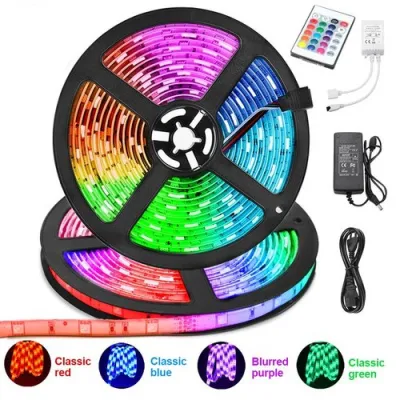
In contrast, RGB LED strips utilize three primary color diodes: Red, Green, and Blue. By adjusting the intensity of these three colors through a controller, the strip can produce millions of different color combinations. However, because RGB strips rely on mixing these primary colors to simulate white light, they do not have a true color temperature. The resulting white light often has a noticeable blue or purple cast, which can feel harsh and unnatural in a residential setting. Understanding this technical distinction is key: warm white is engineered for visual comfort and accurate color representation, while RGB is built for creative expression and dynamic visual effects.
Products mentioned in this guide
Prices are valid at publication and may change. Please refer to the product page for the latest price.
Comparing RGB and Warm White for Condo Living
Selecting the right lighting for a condominium requires balancing aesthetic preferences with the practical realities of compact urban living. To determine which option suits your home, you must evaluate how each type performs across three critical areas: ambiance, daily functionality, and control integration.

Ambiance and Visual Comfort
The visual atmosphere of your condo significantly impacts how you feel and relax, especially after a busy day in a bustling tropical city. Warm white LED strips excel at creating a visually restful environment. The soft, warm glow helps lower visual stimulation, making it an excellent choice for areas where you want to wind down, such as bedrooms and living rooms. This type of light also offers excellent color rendering, meaning it brings out the natural textures of wood furniture, fabrics, and indoor plants without distorting their appearance.
RGB LED strips, conversely, are designed to alter the mood of a room entirely through color. They are highly effective for setting a specific theme, hosting social gatherings, or creating an immersive media room. However, prolonged exposure to saturated colored light can lead to visual fatigue. Additionally, because colored light does not render everyday objects in their natural tones, using RGB as a primary light source can make your living space feel less comfortable over time. For most condo owners, decorative style and color preferences are highly subjective, meaning RGB is most effectively utilized as a localized accent rather than a dominant ambient light source.
Functional and Task Lighting Capabilities
Beyond aesthetics, your condo lighting must support daily activities like cooking, reading, and working. Warm white LED strips are highly functional, providing bright, focused illumination that is well-suited for task-heavy zones. Installing them under kitchen cabinets, inside wardrobes, or along study desks ensures you have clear visibility without harsh shadows.
Standard RGB strips are generally unsuitable for task lighting. Because they lack a dedicated white diode, they cannot produce the clean, high-contrast light needed for reading or precise kitchen prep. Attempting to use mixed RGB white light for tasks can cause eye strain and make it difficult to judge colors accurately, which is a significant drawback when preparing food or working. If you require functional brightness, always verify the lumen output on the product packaging; warm white strips typically offer much higher functional brightness per meter compared to standard RGB options.
Control Systems and Smart Integration
The way you interact with your lighting determines its daily convenience. Warm white LED strips offer straightforward control options. They can be wired into standard wall switches, connected to simple inline dimmers, or integrated into smart plugs. This simplicity makes them highly reliable and easy for anyone in the household to operate.
RGB strips require more sophisticated control systems to manage color mixing, brightness, and dynamic patterns. These systems typically include infrared remotes, radio-frequency controllers, or dedicated mobile applications. Many modern RGB setups can also connect to smart home hubs via Wi-Fi or Bluetooth, allowing you to sync your lights with music or control them via voice commands. Before purchasing, it is crucial to verify that the strip’s controller is fully compatible with your existing condo smart home ecosystem to avoid connectivity issues.
Essential Installation and Compatibility Checks
Before purchasing any LED strip lights, performing a few technical and safety checks will ensure a smooth installation. First, verify the voltage requirements of your chosen strip. Most residential LED strips operate on low-voltage direct current (typically 12V or 24V DC), which requires a compatible external power supply or driver to convert the local 220V alternating current (AC) power standard. Connecting a low-voltage strip directly to mains power will cause immediate and irreversible damage.
Second, if you plan to dim your warm white strips, you must verify dimmer compatibility. Standard wall dimmers designed for incandescent bulbs often cause LED lights to flicker or buzz; you will need an LED-compatible dimmer switch and a dimmable power supply.
Third, consider the installation environment. In tropical climates where humidity is high, heat dissipation is critical for extending the lifespan of your LEDs. Installing strips inside aluminum profiles not only protects them from dust and moisture but also acts as a heatsink to draw damaging heat away from the diodes. If you are installing strips in damp areas like bathrooms, near kitchen sinks, or around indoor plant setups, ensure the product has an appropriate Ingress Protection (IP) rating, such as IP65, to resist moisture.
Finaly, establish clear safety boundaries. While plug-and-play kits are safe for DIY installation, any project involving fixed wiring, connecting directly to your condo’s electrical panel, working at height, or mounting heavy suspended profiles requires professional handling. Always isolate the power source before touching any wiring, follow the manufacturer’s instructions explicitly, and consult a licensed electrician for all hardwired installations.
Room-by-Room Lighting Guide for Your Condo
To maximize both comfort and utility, a room-by-room approach is the most effective way to plan your condo’s lighting layout.
Living Room and Bedroom In these spaces, the primary goal is relaxation and visual comfort. Warm white LED strips are highly recommended for architectural features like ceiling coves, drop ceilings, or behind headboards. This indirect lighting approach bounces soft light off the walls and ceiling, minimizing glare and creating a serene environment that supports your natural sleep cycle.
Kitchen and Home Office These areas demand high visibility and task accuracy. Install warm white LED strips under kitchen wall cabinets to illuminate countertops safely. In a home office, placing warm white strips behind your monitor or under shelving reduces eye strain during long working hours by providing balanced background illumination.
Entertainment and Gaming Zones This is where RGB strips truly shine. Placing RGB strips behind your television or gaming monitor creates an immersive bias lighting effect that enhances on-screen contrast while adding a modern, high-tech aesthetic. You can easily adjust the colors to match the movie you are watching or the game you are playing.
Open-Plan Layouts Many modern condos feature open-plan living and dining areas. To maintain a cohesive look, use warm white strips as your primary architectural lighting to tie the spaces together. You can then layer in RGB strips in specific zones, such as inside a glass display cabinet or under a bar counter, to serve as playful accent lighting that can be turned on for special occasions.
Frequently Asked Questions (FAQ)
Can I use RGB and warm white LED strips together in the same room?
Yes, combining both types is an excellent way to create a layered lighting design. You can use warm white strips for your main ambient lighting, such as ceiling coves, to keep the room feeling cozy and bright. Then, install RGB strips in localized areas like bookshelves or media consoles for accent lighting. To manage this setup safely, ensure each system uses its own compatible power supply and controller, or use a unified smart home system to control them independently.
Do RGB LED strips produce a true warm white light?
No, standard RGB strips cannot produce a true, high-quality warm white light. Because they lack a dedicated white diode, they must mix red, green, and blue light to approximate white, which often results in a cool, bluish, or purple-tinted glow with poor color rendering. If you want both vibrant colors and high-quality warm white light, look for RGBW strips, which feature a dedicated warm white diode alongside the RGB diodes.
How do I calculate the right power supply size for my LED strips?
To calculate the correct power supply size, multiply the wattage per meter of your LED strip by the total length you plan to install. For example, if a strip uses 9 watts per meter and you are installing a 5-meter run, the total power draw is 45 watts. Always add a 20% safety buffer to this total (multiply by 1.2) to prevent the power supply from running at maximum capacity, which helps prevent overheating and extends the system’s lifespan.
Community discussion
Share your experience or ask a question. Comments are reviewed before publication.