
Deciding between RGB and warm white LED strips for your condo comes down to how you intend to use your living space. Modern condominiums, especially those with compact or open-plan layouts, require thoughtful lighting to define different zones without creating visual clutter. While one option offers a dynamic, colorful environment suitable for entertainment, the other provides a classic, soothing glow that transforms your home into a relaxing sanctuary after a long day.
By understanding the practical differences in light quality, installation requirements, and control methods, you can make an informed decision that enhances both the functionality and aesthetic appeal of your condo. Whether you are looking to highlight architectural features, illuminate under-cabinet workspaces, or set the mood for movie nights, selecting the right led strip is the key to achieving your design goals.
Defining Your Ambiance: Dynamic Scenes vs. Consistent Warmth
RGB LED strips utilize red, green, and blue diodes to produce a vast spectrum of colors, making them highly versatile for active, multi-purpose spaces. If your condo features a dedicated gaming corner, a home theater setup, or an area where you frequently host social gatherings, these color-changing strips allow you to alter the room’s mood instantly. You can transition from a deep blue for immersive movie viewing to vibrant, energetic hues for parties, creating a highly personalized and modern aesthetic.
Products mentioned in this guide
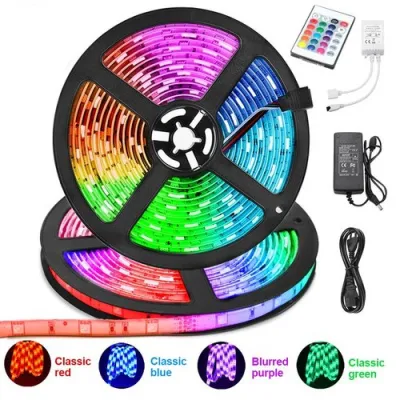
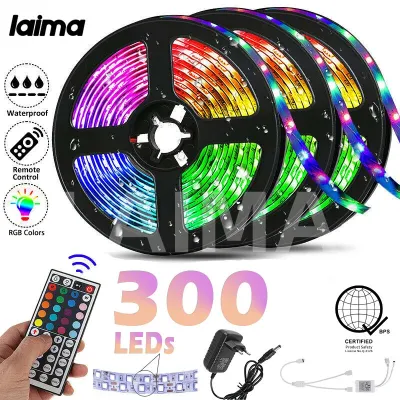
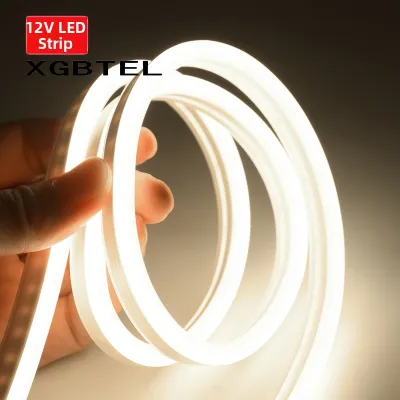
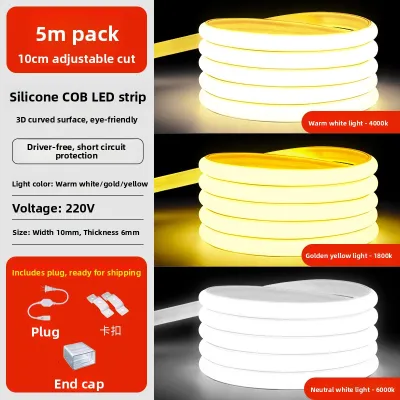
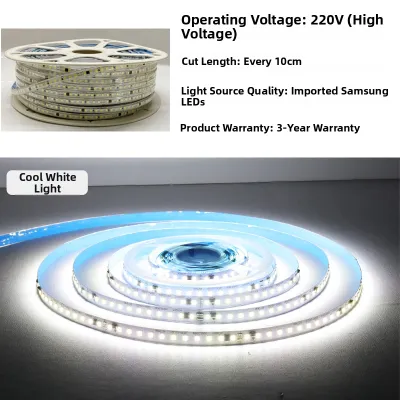
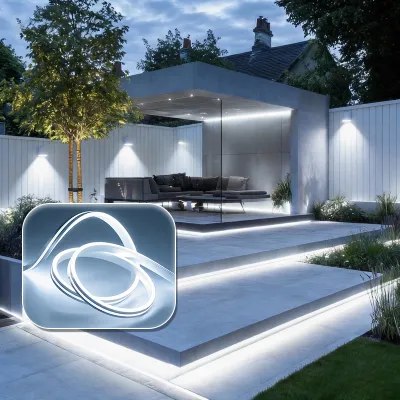
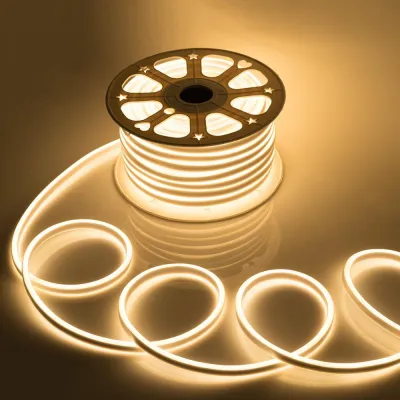
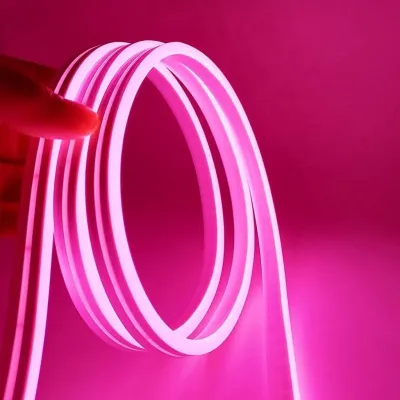
Prices are valid at publication and may change. Please refer to the product page for the latest price.
However, the visual impact of RGB lighting requires careful management. When RGB strips mix their primary colors to approximate white light, the resulting illumination often has a low Color Rendering Index (CRI). This can make interior finishes, furniture, and even food look dull or unnaturally tinted. If your condo relies heavily on natural wood textures, warm paint tones, or earth-colored fabrics, pure RGB lighting may clash with these materials rather than complement them.
Warm white LED strips, typically rated between 2700K and 3000K on the Kelvin scale, are designed to deliver a consistent, cozy, and inviting atmosphere. This soft, golden glow mimics traditional incandescent bulbs, which naturally signals the body to relax and unwind. It is highly effective for living rooms, bedrooms, and general cove lighting where the primary goal is comfort and visual warmth.
In tropical climates where humidity and warmth are constant, lighting choices also influence how cool or cozy an indoor space feels. Warm white lighting provides a high-end, hotel-like sophistication that elevates standard condo finishes. Because quality warm white strips generally offer a high CRI, they enhance the natural beauty of your decor, making your living space feel more cohesive, spacious, and grounded.
Navigating Condo Space Constraints and Installation Rules
Condo living introduces specific physical and structural constraints that dictate how you install your led strip. Many units feature concrete walls and ceilings, which make routing new electrical wires behind plasterboard highly challenging. Consequently, most installations rely on existing drop ceilings, gypsum coves, or the undersides of cabinetry. Before purchasing, measure the depth of your coves and shelf clearances; if a cove is too shallow, the individual light diodes will project harsh, visible dots onto the adjacent wall instead of a smooth, blended glow.

To resolve visibility and diffusion issues, housing your LED strips inside aluminum profiles with frosted diffusers is highly recommended. These profiles not only create a professional, dot-free look but also serve a critical functional purpose: heat dissipation. Although LEDs are highly efficient, they still generate localized heat. In warm, humid environments, excessive heat can degrade the LED chips and cause the adhesive backing to fail, leading to sagging strips. Aluminum channels protect your investment by keeping the strips cool and securely in place.
Electrical safety and building regulations are equally important when planning your layout. Many condominium associations have strict guidelines regarding permanent electrical modifications. If hardwiring a new driver into your ceiling joint is prohibited, you must plan for a plug-in installation. This requires locating nearby wall outlets and utilizing paintable cord covers or slim trunking to keep visible cables neat and out of sight.
Always verify the voltage requirements of your chosen system, which typically runs on 12V or 24V DC. A 24V system is generally more efficient for longer runs because it experiences less voltage drop, ensuring the light remains consistently bright from the beginning of the strip to the end. Additionally, ensure your power supply, or driver, is rated to handle the total wattage of your strip plus a 20% safety margin, and place it in a well-ventilated area to prevent overheating.
Comparing Control Systems and Smart Home Integration
Managing your lighting setup should align with your daily habits and technical comfort level. RGB LED strips require a dedicated controller to translate signals into color changes and brightness adjustments. These systems can be operated via infrared (IR) remotes, radio frequency (RF) controllers, or smartphone applications. Integrating your strips into smart home ecosystems allows you to automate schedules, sync lights with media, or use voice commands.
While smart RGB setups offer incredible flexibility, they also introduce operational complexity. If your condo’s Wi-Fi router is already heavily loaded with smart TVs, laptops, and mobile phones, adding multiple smart LED controllers can occasionally lead to network congestion or connectivity drops. If you share your living space with family members or guests who prefer straightforward controls, relying solely on a smartphone app to turn on the lights can lead to daily frustration.
Warm white LED strips offer much simpler control configurations. They can be easily paired with standard wall switches, physical rotary dimmers, or basic smart plugs for quick integration. For those who want a balance between simplicity and versatility, tunable white (CCT) LED strips are an excellent alternative. These allow you to adjust the color temperature from a crisp, cool white for daytime productivity to a soft, warm white for evening relaxation, all without the complexity of full color-changing systems.
If you choose a dimmable warm white setup, compatibility is key. You must ensure that your wall dimmer switch, the LED driver, and the led strip itself are all explicitly rated as compatible. Using a non-dimmable driver with a traditional wall dimmer will cause persistent flickering, buzzing, and potential long-term damage to the electrical components of your lighting system.
Decision Framework: Which LED Strip Fits Your Condo?
To finalize your decision, evaluate your specific living conditions, aesthetic preferences, and installation limitations against this practical framework:
Choose RGB LED strips if:
- Your primary goal is to enhance an entertainment zone, gaming setup, or home bar.
- You enjoy changing the visual theme of your home frequently to match different activities or hosting events.
- You are comfortable using smartphone apps, managing smart home hubs, and troubleshooting network settings.
- Your interior decor leans toward a modern, minimalist, or high-tech aesthetic that handles colorful accents well.
Choose warm white LED strips if:
- You want to create a calm, cozy, and sophisticated sanctuary designed primarily for relaxation and rest.
- Your condo features natural wood, stone, or warm-toned fabrics that require high-quality color rendering to look their best.
- You prefer simple, reliable, and instantaneous physical controls that anyone in the household can operate without an app.
- You are installing primary ambient lighting, such as main ceiling coves or under-cabinet task lighting, where consistent light quality is essential.
Before making any purchase, always check your condo’s building rules regarding electrical modifications and ensure you have a safe, ventilated location to house the power supply. If your installation area lacks proper ventilation, or if the surface material is highly textured and dusty, standard adhesive strips may not hold, and you may need to explore alternative mounting hardware or consult a professional installer.
Frequently Asked Questions (FAQ)
Can I use both RGB and warm white LED strips in the same condo room?
Yes, layering different types of lighting is an excellent way to balance functionality and atmosphere. You can use warm white LED strips for your primary architectural lighting, such as main ceiling coves or kitchen under-cabinets, to maintain a clean, sophisticated look for daily tasks. Meanwhile, you can install RGB strips in localized accent areas, such as behind your television console, inside open display shelves, or under floating furniture. To ensure smooth operation and prevent electrical issues, run these systems on separate power supplies and independent controllers.
Do RGB LED strips consume more electricity than warm white ones?
Power consumption is determined by the wattage rating of the product and how you use it, rather than the color type alone. To find the exact power draw, check the wattage per meter on the product label and multiply it by the total length of your installation. When an RGB strip displays a single color like red or green, it only powers one set of diodes, which often consumes less electricity than a warm white strip at full brightness. However, if you set an RGB strip to display white light, it must illuminate the red, green, and blue diodes simultaneously at maximum power, which can draw more electricity than a dedicated warm white strip of equivalent brightness.
Community discussion
Share your experience or ask a question. Comments are reviewed before publication.