
Choosing between RGB and warm white outdoor LED strip lights comes down to a fundamental decision: do you want to create a vibrant, dynamic entertainment hub, or a serene, sophisticated retreat? Warm white light provides a steady, relaxing glow that enhances architectural features, pathways, and landscaping. In contrast, RGB (Red, Green, Blue) strip lights offer customizable color combinations, making them highly suitable for festive celebrations, pool areas, and lively social gatherings.
In tropical climates where outdoor living spaces like balconies, patios, and gardens serve as natural extensions of the home, lighting plays a crucial role in setting the evening mood. Selecting the wrong type of lighting can either leave your space feeling sterile and overly bright, or limit your ability to host dynamic gatherings. By understanding the functional differences, verifying critical hardware specifications, and establishing a clear installation plan, you can select the ideal lighting setup that matches your lifestyle and withstands the elements.
Core Differences in Outdoor Ambiance and Functionality
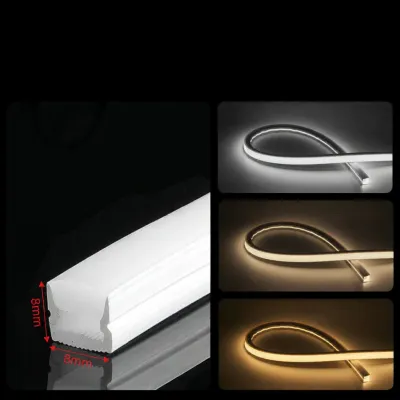
The visual impact of your outdoor lighting shapes how you and your guests experience the space after sunset. Warm white LED strip lights typically operate within a color temperature range of 2700K to 3000K. This range emits a soft, golden hue that mimics traditional incandescent bulbs, creating an inviting and cozy atmosphere. It is highly effective for illuminating dining areas, highlighting the natural textures of stone walls, or casting gentle shadows through garden foliage. Because warm white light is visually comforting and does not strain the eyes, it is a preferred choice for areas dedicated to relaxation, quiet conversations, and daily outdoor living.
Products mentioned in this guide
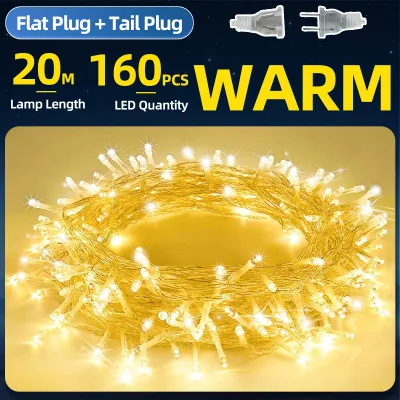
![AceDeal [Support Lalamove Bulk Orders] Double Row LED Light Strip High Bright Included Power Plug Outdoor Waterproof Strip Light Flexible LED Light Indoor Xmas Home Decoration First Choice](https://img.lazcdn.com/g/p/bc5a5f52e0b9c72f25ae24e68e92f736.jpg_400x400q80.jpg_.webp)
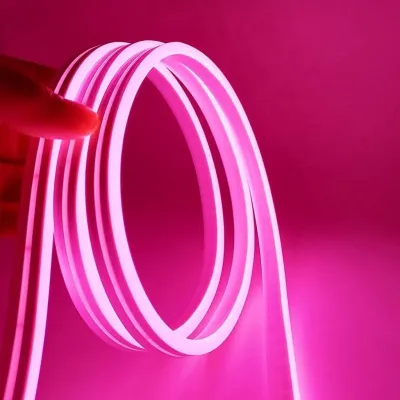
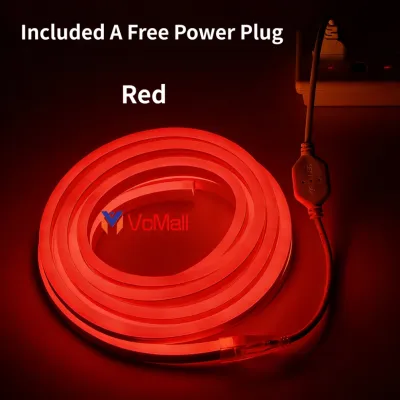
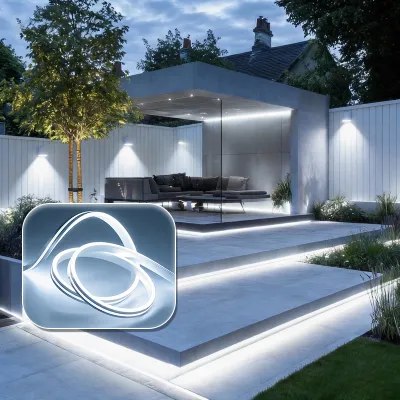
Prices are valid at publication and may change. Please refer to the product page for the latest price.
RGB LED strip lights utilize red, green, and blue diodes to produce a vast spectrum of colors. This capability allows you to transform the mood of your outdoor space at the touch of a button. You can wash your patio in cool blues for a summer pool party, vibrant greens and reds for holiday celebrations, or deep purples for a modern lounge vibe. While RGB lighting excels at creating high-energy, festive environments, it is important to note that saturated colors can alter your depth perception and reduce overall visual clarity at night compared to steady white light.
The choice between these two options also affects how spacious your outdoor area feels. Warm white light tends to make spaces feel grounded, expansive, and integrated with the surrounding landscape. It highlights natural elements without overpowering them. RGB lighting draws immediate attention to the light source itself, making it a focal point of the design. If your goal is to showcase your garden’s natural beauty, warm white is highly effective; if you want the lighting itself to be the main entertainment feature, RGB is a compelling choice.
Key Specifications to Verify Before Buying
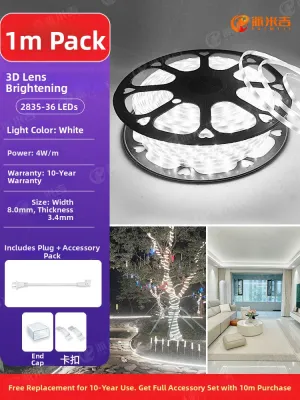
Outdoor environments present harsh conditions, including intense sun, high humidity, and heavy seasonal rains. Before purchasing any led strip light for outdoor use, you must verify its Ingress Protection (IP) rating on the product label. An IP rating consists of two digits: the first measures protection against solid objects, and the second measures protection against liquids. For covered outdoor areas like balconies or lanais that are protected from direct downpours, an IP65 rating is generally sufficient to handle ambient moisture and occasional splashes.

For fully exposed installations, such as along garden pathways, fences, or pergolas, you should look for a minimum rating of IP67, which protects against temporary immersion in water. If you plan to install the strip lights near a pool, water feature, or any area prone to standing water, an IP68 rating is required, as it ensures the product can withstand continuous submersion. Never rely on generic marketing terms like “waterproof” or “weather-resistant” without verifying the exact IP rating printed on the packaging.
Voltage and power supply requirements are equally critical safety factors to check. Outdoor LED strips are commonly available in low-voltage (12V or 24V) and high-voltage (220V) configurations. Low-voltage systems are inherently safer for residential outdoor areas because they carry a lower risk of severe electrical shock if the cable is accidentally damaged. However, low-voltage systems require an external transformer to convert your home’s standard voltage. You must ensure that this transformer is housed in a dedicated, weatherproof enclosure rated for outdoor use (typically IP66 or higher) and installed away from low-lying areas prone to flooding.
High-voltage 220V LED strips can run much longer distances without experiencing voltage drop—a phenomenon where the light dims toward the end of the strip. However, they carry a higher safety risk and require robust, professional-grade insulation. Regardless of the voltage you choose, always check the product specifications for recognized electrical safety certifications to ensure the components have been tested for safe operation under load.
Finally, examine the physical construction of the LED strip. The tropical sun can rapidly degrade cheap plastics, causing them to yellow, become brittle, and crack, which allows moisture to penetrate the electrical components. Look for strips encased in UV-resistant silicone sleeves rather than standard PVC. Silicone remains flexible over a wider temperature range and resists UV degradation much more effectively, ensuring the strip remains clear and waterproof over years of exposure.
Installation and Safety Boundaries for Outdoor Spaces
Installing electrical fixtures outdoors requires strict adherence to safety protocols to prevent short circuits, electrical fires, or shock hazards. Before beginning any installation work, always isolate the power supply at the main circuit breaker. Working on live outdoor circuits, especially in damp conditions, is extremely dangerous. When connecting multiple sections of LED strips, use outdoor-rated waterproof connectors, heat-shrink tubing, and silicone sealant to seal every joint. Standard electrical tape is not sufficient for outdoor moisture protection and will quickly unravel.
Mounting LED strips on outdoor surfaces presents unique challenges. The rough textures of concrete, brick, and unpainted wood do not bond well with the standard double-sided adhesive backing found on most light strips, especially when subjected to high humidity and heat. To ensure a permanent and secure installation, use mounting clips, brackets, or aluminum channels secured with stainless steel screws. Aluminum channels not only provide a clean, professional appearance but also act as heat sinks, drawing heat away from the LEDs and extending their operational lifespan.
For elevated installations, such as along rooflines, high eaves, or tall pergolas, you must assess the wind load and ensure the mounting method can withstand strong gusts during tropical storms. Secure the cabling at regular intervals to prevent it from flapping or pulling on the connections. If your installation requires tapping directly into your home’s fixed electrical wiring, installing a new outdoor Ground Fault Circuit Interrupter (GFCI) outlet, or running conduit through concrete walls, you must stop and consult a qualified professional. Attempting complex electrical modifications without the proper training and tools can compromise your home’s electrical safety and void product warranties.
Decision Framework: Which LED Strip Light Fits Your Needs?
To make the right choice for your outdoor space, evaluate how you intend to use the area on a daily basis. If your primary goal is to create a peaceful sanctuary for evening relaxation, highlight architectural details, or provide safe, clear illumination along pathways and stairs, warm white LED strip lights are the ideal choice. They offer a timeless, sophisticated look that enhances the natural beauty of your home without requiring complex controls or constant adjustments.
If you frequently host social gatherings, themed parties, or want to create a festive atmosphere during holidays, RGB LED strip lights provide the versatility you need. They allow you to match the lighting to the theme of your event and keep the environment dynamic and engaging. However, if you find yourself torn between the two, you should consider RGBW or adjustable color-temperature options. RGBW strips feature a dedicated warm white diode alongside the red, green, and blue diodes, allowing you to enjoy high-quality, comfortable warm white light for daily use, while retaining the ability to switch to vibrant colors for special occasions. Note that RGBW systems require compatible multi-channel controllers and 5-pin wiring, which increases the initial setup complexity and the overall budget in ₱.
The following comparison table outlines the key decision factors to help you choose the right configuration for your specific outdoor project:
| Feature / Scenario | Warm White LED Strip | RGB LED Strip | RGBW LED Strip |
|---|---|---|---|
| Primary Ambiance | Relaxing, cozy, sophisticated | Dynamic, festive, high-energy | Versatile (both cozy and festive) |
| Best Application Areas | Pathways, dining patios, gardens | Pool decks, bar areas, party zones | Multi-use balconies, outdoor lounges |
| Control Complexity | Low (simple on/off or basic dimmer) | Medium to High (requires color controller) | High (requires multi-channel controller) |
| Visual Acuity | High (excellent for tasks and safety) | Moderate to Low (saturated colors reduce clarity) | High (when using the dedicated white channel) |
| Holiday Versatility | Low (static warm glow) | High (customizable holiday themes) | High (full color spectrum plus warm white) |
Maintenance and Longevity Checks
To protect your investment and ensure your outdoor LED strip lights operate safely for years, establish a routine maintenance schedule. Perform a visual inspection of the entire installation at least twice a year, and immediately following severe weather events like heavy rainstorms or typhoons. Look for signs of physical damage, such as cracking or yellowing of the protective sleeve, loose mounting clips, or moisture accumulation inside the casing. If you notice water droplets trapped inside the sleeve, disconnect the power immediately, as this indicates a breach in the waterproof seal.
Cleaning your outdoor light strips helps maintain their brightness and prevents dirt buildup from trapping heat. Before cleaning, ensure the power is completely turned off at the breaker. Gently wipe the exterior of the strip with a soft, damp cloth to remove dust, pollen, and grime. Avoid using harsh chemical solvents, abrasive scrubbers, or high-pressure water sprays, as these can damage the protective silicone coating and force water into the connections. Allow the entire assembly to dry completely before restoring power.
If you experience issues such as flickering, dimming, or sections of the strip failing to light up, avoid the temptation to cut open the waterproof sleeve to inspect individual diodes. Puncturing the sleeve destroys the weatherproofing and creates a safety hazard. Instead, focus your troubleshooting on the external connections, the controller, and the power supply. Loose wire nuts, corroded terminals in the junction box, or a failing transformer are the most common causes of outdoor lighting malfunctions. If the issue persists after verifying all external connections are secure and dry, consult the manufacturer’s troubleshooting guide or contact a professional.
Frequently Asked Questions (FAQ)
Can I use indoor LED strip lights outside if they are under a roof?
No, you should never use indoor-rated LED strip lights outdoors, even if they are installed under a solid roof, ceiling, or covered patio. Indoor strips typically carry an IP20 rating, meaning they have no protection against moisture, humidity, or temperature fluctuations. Outdoor environments, even when covered, expose the lights to high ambient humidity, wind-blown rain, and condensation. Over time, this moisture will penetrate the unprotected circuitry of an indoor strip, leading to rapid corrosion, short circuits, and potential electrical hazards. Always select strips specifically rated IP65 or higher for any outdoor application.
Do RGB LED strip lights consume more electricity than warm white?
Power consumption is determined by the total wattage of the strip, its length, and the brightness level, rather than the color mode itself. However, the way the colors are produced does affect efficiency. To create a white light, an RGB strip must power on the red, green, and blue diodes simultaneously at full strength, which can consume more electricity than a dedicated warm white strip producing the same level of brightness. A dedicated warm white LED strip is optimized to produce white light efficiently using a single diode type. To manage energy consumption, always check the manufacturer’s wattage-per-meter specification and utilize dimming functions when full brightness is not required.
How do I control outdoor LED strip lights from my phone?
To control your outdoor LED strip lights using a smartphone, you must install a compatible smart controller between the power supply and the light strip. These controllers connect to your phone via Wi-Fi or Bluetooth. If you choose a Wi-Fi-enabled controller, ensure that your home wireless network has a strong, stable signal in the outdoor installation area, keeping in mind that thick concrete exterior walls can significantly block wireless signals. Bluetooth controllers do not require an active internet connection but have a limited range, typically requiring you to be within ten meters of the controller. Always ensure the smart controller itself is housed in an outdoor-rated, weatherproof enclosure.
Community discussion
Share your experience or ask a question. Comments are reviewed before publication.