
Selecting the perfect flower lights lamp for a condominium involves balancing aesthetic charm with the practical realities of compact urban living. Unlike spacious houses, condos require highly efficient use of space, where every decorative element must justify its footprint. A flower lights lamp serves as both a sculptural art piece by day and a source of soft, atmospheric illumination by night. To find the best option for each room, you must evaluate how the lamp’s size, material, and light output interact with the specific function of the space—whether you are looking to create a relaxing sanctuary in the bedroom, a welcoming social hub in the living room, or a glare-free workspace in the study.
Core Criteria for Matching Flower Lamps to Condo Rooms
When integrating a flower lights lamp into a condo, three foundational dimensions dictate its suitability: physical footprint, light diffusion, and adjustability.
Physical Footprint and Proportion
Products mentioned in this guide
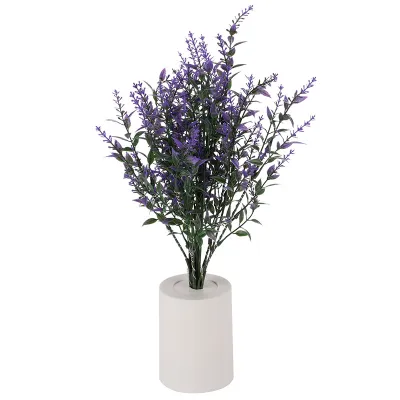
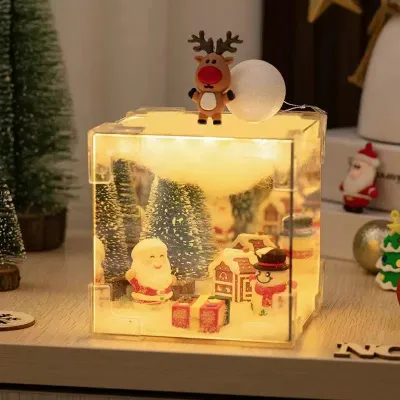
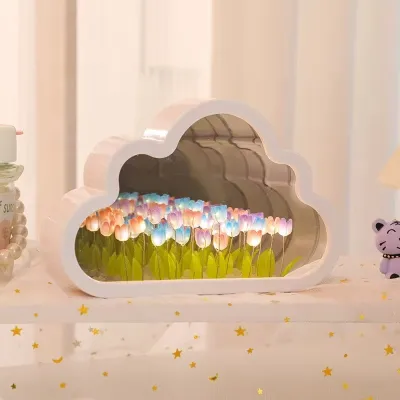
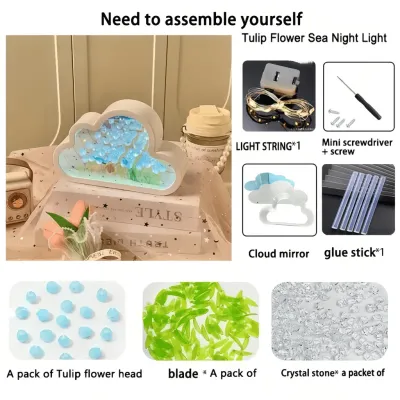
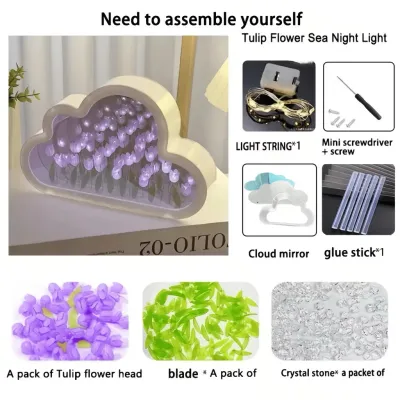
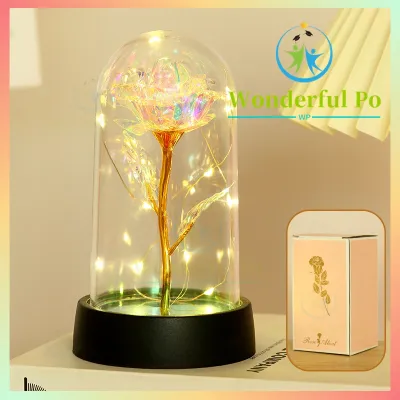
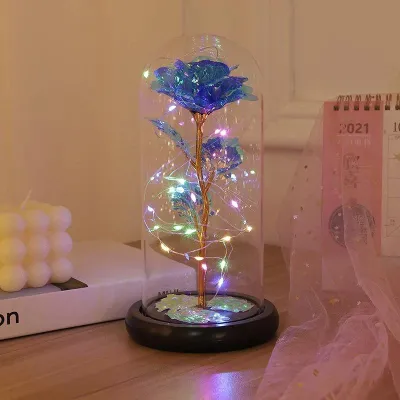

Prices are valid at publication and may change. Please refer to the product page for the latest price.
Condo rooms often feature multi-functional layouts where furniture is scaled down to maximize floor area. A lamp that is too large can make a room feel cluttered, while one that is too small will fail to make a visual impact. Before purchasing, measure the surface area of your tables or the designated floor corner. A good rule of thumb is that the lamp’s base should not occupy more than one-third of the surface it sits on, and its height should remain proportional to adjacent furniture, such as sofas or bed frames.
Light Diffusion and Shade Materials
The material of the flower petals or shade directly influences how light spreads across the room. Acrylic and glass shades offer high clarity and can project vibrant, defined patterns, making them excellent for accent lighting. Fabric, paper, or frosted matte materials diffuse light more softly, reducing harsh shadows and creating a warm, gentle glow. In tropical environments where humidity can be high, material choice also affects longevity. Fabric and paper shades may absorb moisture and attract dust more readily than non-porous acrylic or glass, requiring more frequent maintenance to prevent discoloration.
Adjustability and Multi-Purpose Utility
Because condo spaces often transition from daytime work areas to nighttime relaxation zones, versatility is highly valuable. Look for flower lamps that offer adjustable brightness levels or flexible stems. A lamp with a bendable neck allows you to redirect the light to highlight a specific decor piece or shield your eyes from direct glare. Dimming capabilities, whether through a built-in touch sensor or an inline switch, enable you to customize the light intensity to match the time of day and your current activity.
Living Room: Sizing and Placement for Ambient Glow
The living room is the heart of a condo, serving as a social space, entertainment hub, and sometimes a quiet reading nook. Choosing a flower lights lamp for this area requires a focus on scale, placement, and adaptability to create an inviting ambient glow.

Proportional Sizing and Strategic Placement
For shared living spaces, larger statement lamps work exceptionally well. A tall, floor-standing flower lamp with cascading petal shades can fill an empty corner next to an armchair, turning an unused nook into a cozy reading spot. If you prefer table-top options, a medium-sized flower lamp placed on a console table or a sideboard can frame the room beautifully. Avoid placing wide-spreading flower lamps on low coffee tables where they might block sightlines between seated guests or interfere with the placement of drinks and media remotes.
Cord Management in Open-Plan Layouts
Many modern condos feature open-plan living and dining areas. When placing a flower lights lamp away from walls—such as on a side table next to a floating sofa—managing the power cord is essential. Loose cords running across walkways present a significant tripping hazard and disrupt the clean lines of your interior design. Use low-profile cord covers that match your flooring, or secure cords along furniture legs using discreet cable ties. If possible, position the lamp close to wall outlets to minimize the length of exposed wiring.
Transitioning Ambiance with Dimming Features
A living room experiences various lighting needs throughout the day. During bright afternoons, a flower lamp functions primarily as a decorative sculpture. As evening approaches, it should transition into a warm, low-intensity light source that complements your television viewing or hosting activities. Opt for lamps compatible with dimmable LED bulbs or those featuring integrated multi-level dimming. This allows you to lower the brightness to a soft, golden glow that reduces screen glare and fosters a relaxed, intimate atmosphere.
Bedroom: Choosing Low-Glare and Relaxing Designs
In the bedroom, the primary goal of lighting is to promote rest and facilitate a smooth transition into sleep. The ideal flower lights lamp for this private sanctuary must prioritize low-glare designs, warm color temperatures, and a compact footprint.
Evaluating Shade Opacity to Prevent Glare
When you are lying in bed, your eyes are highly sensitive to direct light sources. A flower lamp with exposed bulbs or highly transparent glass petals can cause uncomfortable glare when viewed from a reclined position. To prevent this, select lamps with opaque, frosted, or layered petal designs that completely shield the light source. Petals made of frosted glass, thick acrylic, or layered fabric bend and scatter the light, ensuring that only a soft, indirect glow reaches your eyes.
Warm Color Temperatures for Relaxation
The color of the light plays a critical role in your body’s natural sleep-wake cycle. Cool, blue-toned light can suppress melatonin production, making it harder to wind down. When selecting bulbs or integrated LED flower lamps for the bedroom, check the product specifications for warm color temperatures, ideally between 2700K and 3000K. This warm, amber-hued light mimics the natural sunset, creating a soothing environment that signals to your brain that it is time to rest.
Compact Base Footprints for Small Nightstands
Condo bedrooms frequently feature compact nightstands to maximize bed size and wardrobe space. A lamp with a wide, sprawling base can crowd out bedtime essentials like a phone, water glass, or book. Measure your nightstand surface before choosing a lamp. Look for designs with heavy, narrow bases that provide excellent stability without occupying excessive surface area. A weighted metal or ceramic base ensures the lamp remains secure and won’t easily tip over if you reach for something in the dark.
Study Area: Balancing Mood Lighting with Visual Comfort
Using a decorative flower lights lamp in a study or home office requires a careful balance between aesthetic appeal and visual comfort. While these lamps excel at creating a pleasant atmosphere, they must be positioned and selected carefully to avoid interfering with your productivity.
Distinguishing Task Lighting from Mood Lighting
It is important to recognize that most flower lamps are designed for decorative or ambient purposes rather than high-intensity task work. Attempting to use a soft, diffused flower lamp as your primary light source for reading fine print or typing can lead to eye strain. Instead, treat the flower lamp as secondary mood lighting. It should work in tandem with a dedicated, high-CRI task light. The flower lamp softens the stark contrast between a bright desk lamp and a dark room, reducing overall eye fatigue during long working hours.
Adjustable Necks to Prevent Screen Glare
When placing a decorative lamp near a computer monitor or laptop, reflections can become a major distraction. A flower lights lamp with a flexible stem or an adjustable head is highly beneficial in a study area. This feature allows you to angle the light downward or away from your screens, preventing annoying reflections while still casting a warm glow onto your desk surface or adjacent wall.
Verifying Brightness Levels for Secondary Roles
If you intend to use the flower lamp for light reading or note-taking, verify that its maximum brightness is sufficient for these secondary tasks. Check the lumen output or maximum wattage rating on the product label. A lamp that supports adjustable brightness levels is ideal here, as it allows you to turn up the light when reviewing physical documents and dim it down when you are focusing entirely on your computer screen.
Pre-Purchase Checklist: Electrical and Safety Verification
Before finalizing your purchase from an online marketplace or local retailer, verifying technical compatibility and safety standards is crucial to protect your condo’s electrical system and ensure long-term reliability.
Voltage and Plug Compatibility
Always verify that the lamp’s electrical specifications match the local standard. In the Philippines, the standard household voltage is 220V at 60Hz. Importing lamps designed for 110V systems without a proper transformer can damage the lamp or pose a fire hazard. Additionally, check the plug type. Most local outlets accommodate flat two-pin plugs (Type A) or three-pin plugs (Type B). Ensuring the lamp comes with a compatible plug or a certified adapter prevents installation headaches.
Safety Certification Marks
Look for recognized safety certification marks on the product packaging, base, or user manual. These marks indicate that the lamp has undergone rigorous testing for electrical safety, insulation quality, and fire resistance. Avoid unbranded, extremely cheap lighting products that lack clear certification labels, as they may use substandard wiring that cannot handle continuous use or voltage fluctuations.
Immediate Delivery Inspection
When your lamp arrives, perform a thorough physical inspection before plugging it in. Check the entire length of the power cord for any cuts, frays, or exposed wires that may have occurred during shipping. Inspect the plug prongs to ensure they are straight and firmly attached. Finally, examine the bulb socket for any debris or loose connections. If you notice any defects, contact the seller immediately for a replacement rather than risking an electrical short.
Frequently Asked Questions (FAQ)
Can I use a battery-operated flower lamp in a condo without nearby outlets?
Battery-operated flower lamps offer excellent placement flexibility, allowing you to decorate floating shelves, dining tables, or corners without worrying about cord management. However, they come with trade-offs. Rechargeable or battery-powered models generally have lower maximum light output compared to plug-in versions, making them strictly suitable for low-intensity accent lighting. You will also need to manage a charging routine, as continuous use typically requires recharging every few hours. For high-traffic areas where the lamp remains on for long periods, a plug-in model is usually more practical.
How do I clean fabric or delicate petal materials on flower lamps?
Keeping your flower lamp clean preserves its aesthetic appeal and ensures optimal light transmission. For routine maintenance, use a soft-bristled brush, a clean makeup brush, or a dry microfiber cloth to gently sweep away dust from the delicate petals. Avoid using wet cloths or liquid chemical cleaners on fabric, paper, or intricate resin components, as moisture can warp the materials, cause staining, or penetrate the electrical housing. Always unplug the lamp and allow the bulb to cool completely before cleaning, and refer to the manufacturer’s care label for material-specific instructions.
Community discussion
Share your experience or ask a question. Comments are reviewed before publication.