
When designing a compact condominium, choosing the right scone wall lamp is one of the most effective ways to maximize floor space while creating a warm, inviting atmosphere. Unlike bulky floor lamps or table lamps that occupy valuable surface area, wall-mounted fixtures keep your pathways clear and your bedside tables organized. However, a fixture that works beautifully in a high-traffic transition zone may fail miserably in an intimate sleeping area.
Selecting the perfect wall lighting requires a clear understanding of how physical space, visual comfort, and functional needs interact. By matching the right fixture style, beam direction, and brightness level to each specific zone, you can transform a dark, cramped corridor into an elegant entryway and a simple bedroom into a cozy, functional reading retreat.
Achieving this balance involves navigating the unique structural realities of modern condo living, such as solid concrete walls and tight layouts. Understanding these factors beforehand will help you make an informed purchase that enhances both the utility and the aesthetic appeal of your home.
Products mentioned in this guide

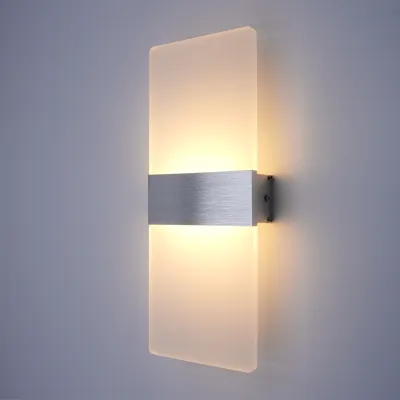
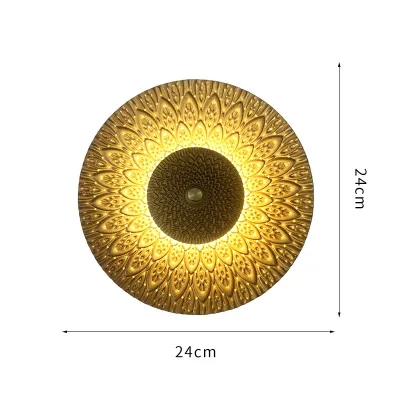
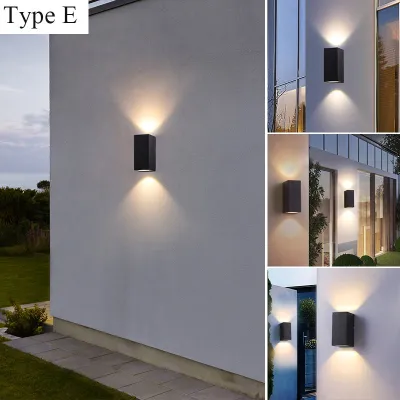
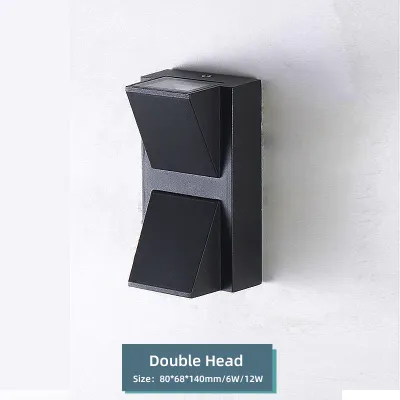
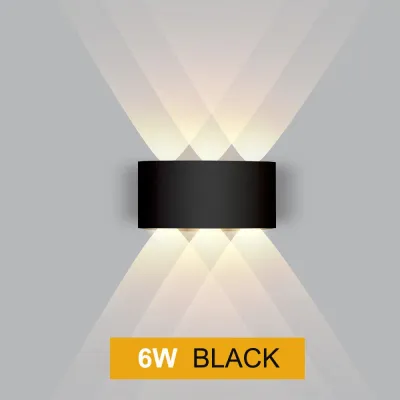
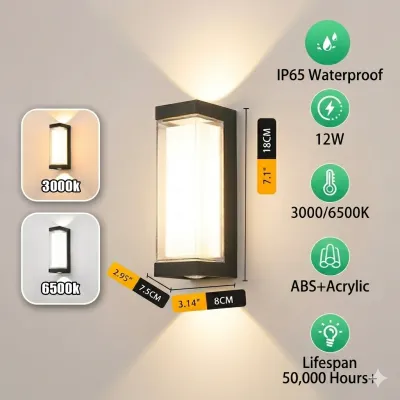
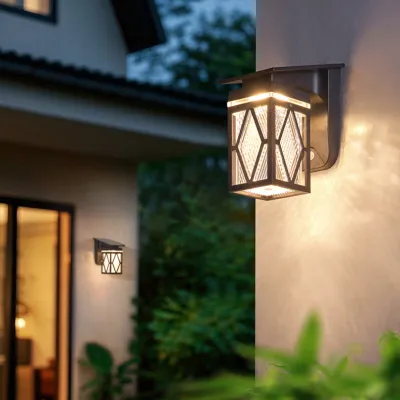
Prices are valid at publication and may change. Please refer to the product page for the latest price.
Understanding the Core Lighting Needs of Each Space
Hallways and bedrooms serve entirely different purposes, and their lighting schemes must reflect these differences. A narrow condo hallway is primarily a high-traffic transition zone where safety, navigation, and spatial openness are the main priorities. Because these spaces are often windowless and tight, the lighting must guide your steps clearly without creating dark corners or casting harsh, distracting shadows.
In contrast, a bedside reading area is a highly personal sanctuary designed for rest, recovery, and focused tasks. The lighting here must serve a dual purpose: providing enough concentrated illumination to read comfortably without straining your eyes, while remaining soft and localized enough to keep from waking a sleeping partner. It must also contribute to the overall relaxing ambiance of the bedroom decor.
Living in a high-density condominium, particularly in urban areas across the Philippines, introduces specific physical constraints that dictate your lighting choices. Standard condo layouts often feature narrow entryways and bedrooms with limited wall depth. Furthermore, many modern developments utilize solid concrete shear walls (locally known as “buhos”), which make drilling, routing new electrical conduits, or recessing fixtures highly challenging. These structural realities mean you must carefully consider fixture depth, mounting styles, and power access before making a decision.
Ideal Scone Wall Lamp Styles for a Narrow Condo Hallway
In a tight corridor, physical clearance is the single most important structural factor to consider. When walking through a hallway, especially when carrying groceries, laundry baskets, or moving furniture, protruding fixtures can easily be bumped or damaged. To prevent these accidents, look for slim-profile, low-profile, or flush-mount scone wall lamp designs that hug the wall closely.

As a general rule of thumb, select fixtures that project no more than 10 centimeters (approximately 4 inches) from the wall surface. Many flush-mount sconces are specifically designed with this flat profile in mind, offering a sleek, integrated look that keeps the walking path entirely unobstructed. Recessed sconces, which sit partially inside the wall cavity, are another excellent option if your condo features drywall partitions or drop ceilings that allow for recessed installation.
Light direction plays a massive role in how spacious or cramped a narrow hallway feels. Uplighting is highly effective for visual expansion; by directing light upward to wash the ceiling, it creates the illusion of higher ceilings and a more open, airy corridor. Downlighting, on the other hand, is excellent for highlighting floor textures, baseboards, and the physical path ahead. For the best of both worlds, double-emission sconces (up-and-down lights) provide balanced, glare-free ambient illumination. To prevent harsh glare in your direct line of sight, always choose fixtures with enclosed, frosted, or shielded diffusers that soften the light output.
Material and finish selections also influence the perceived size and atmosphere of a hallway. In tropical climates where humidity can be high, choosing durable, low-maintenance materials is essential. Powder-coated aluminum, solid brass, and high-grade polycarbonate resist corrosion and are easy to dust clean. Visually, reflective finishes like polished chrome or brushed brass can help bounce light around a dark corridor, while translucent glass or acrylic shades diffuse light gently to soften the hard lines of a narrow space.
Best Sconce Designs for Bedside Reading Areas
Bedside lighting requires a high degree of functional flexibility to accommodate different reading positions and daily routines. Fixed wall sconces can look beautiful, but they often lack the precision needed for focused reading. For an optimal reading experience, highly adjustable fixtures such as swing-arm, gooseneck, or articulating-joint sconces are the superior choice.
These adjustable designs allow you to pull the light source closer to your book or device, angle the head to eliminate shadows cast by your body, and push the fixture back flat against the wall when it is not in use. This precise control ensures that the light goes exactly where you need it, keeping the rest of the bed in relative darkness so your partner can sleep undisturbed.
Convenience is another critical factor in a bedside setup; you should never have to get out of bed or stretch uncomfortably to turn off your light. When selecting a bedside sconce, prioritize models with highly accessible switching mechanisms. Fixtures featuring built-in toggle switches on the wall plate, rotary dimmers on the base, or inline switches on a hanging cord are incredibly user-friendly. Additionally, selecting a fixture that is compatible with smart LED bulbs allows you to control the light, adjust brightness, and set sleep timers directly from your smartphone or via voice commands.
From an aesthetic standpoint, your bedside sconces should harmonize with the bedroom’s existing design elements. Consider the scale of your headboard and the proportions of your nightstands when choosing a fixture. A large, dramatic swing-arm sconce pairs beautifully with a tall, upholstered headboard and a spacious master bed. For smaller studio apartments or compact rooms with minimalist platform beds, a compact, clean-lined geometric sconce keeps the bedside area looking neat, uncluttered, and perfectly balanced.
Matching Brightness and Bulb Specifications to Your Scene
To ensure your wall lights perform beautifully, you must look beyond the design of the fixture and carefully evaluate the bulb specifications. Modern LED technology means we can no longer rely on wattage to judge brightness; instead, you must check the product packaging or online specifications for the lumen output, which measures the actual amount of visible light produced.
For a narrow condo hallway, the goal is soft, uniform ambient wayfinding rather than intense illumination. A lower light output of approximately 200 to 400 lumens per fixture is generally sufficient to guide your steps safely without shocking your eyes when you step out of a dark room at night. For bedside reading, you require a more concentrated, functional light source. A bulb outputting 350 to 500 lumens is ideal, providing enough clarity for reading print or screens without causing eye strain.
Color temperature, measured in Kelvin (K), dictates the color appearance of the light and heavily influences the mood of a space. For bedroom environments, warmer tones ranging from 2700K to 3000K are highly recommended. Warm white light mimics the cozy, relaxing glow of traditional incandescent bulbs and does not interfere with your body’s natural melatonin production, helping you wind down for sleep. For hallways, the choice between warm white and neutral white (3500K to 4000K) depends on personal preference and your condo’s color scheme. Neutral white light can make a narrow corridor feel cleaner, brighter, and more modern, while warm white maintains a cohesive, cozy flow throughout the entire home.
Beam angle is another crucial factor that determines how light is distributed across your walls. Bedside reading sconces benefit from a narrow beam angle, typically between 15 and 40 degrees, which focuses a tight spotlight directly onto your reading material. This prevents light spill from illuminating the entire bedroom. Hallway sconces, conversely, require a wide beam angle of 120 degrees or more, or an omnidirectional diffused shade, to wash the walls evenly and eliminate dark spots between fixtures.
Before finalizing your bulb or fixture purchase, always verify hardware compatibility to avoid installation headaches. Check the fixture’s maximum wattage limit to ensure safe operation, especially if you plan to use halogen or incandescent bulbs. Confirm the bulb base type required by the fixture; E27 screw-type bases are the most common and easiest to source in the Philippines, while compact fixtures may utilize smaller E14 screw bases or GU10 bi-pin connectors. Finally, if you plan to use a wall dimmer switch, ensure both the fixture and the LED bulb are explicitly labeled as dimmable.
Installation, Safety, and Condo Modification Rules
Before purchasing any wall-mounted fixture, you must decide between a hardwired or a plug-in installation. Hardwired sconces offer a flawless, professional look with all electrical wiring hidden completely behind the wall surface. However, because most high-rise condominiums in the Philippines are constructed with solid concrete walls, routing new electrical lines requires heavy drilling, plastering, and painting. This process is noisy, disruptive, and almost always requires formal approval and permits from your building’s Property Management Office (PMO).
Plug-in wall sconces provide an incredibly practical, renter-friendly alternative for condo dwellers. These fixtures mount easily to the concrete surface using standard plastic wall anchors and screws, and they feature an external power cord that plugs directly into any standard wall outlet. You can easily hide the exposed cord using paintable plastic cord covers that blend seamlessly into your wall color. This option bypasses strict condo modification rules and allows you to take your fixtures with you if you relocate.
Electrical safety must always be your top priority when installing new lighting fixtures. Ensure that any sconce you purchase is compatible with the local electrical grid standards in the Philippines, which operates on a nominal voltage of 220V at a frequency of 60Hz. To guarantee the fixture has undergone rigorous safety and quality testing, check the product packaging or manufacturer documentation for recognized electrical safety certifications, such as the Philippine Standard (PS) quality mark or the Import Commodity Clearance (ICC) sticker.
While mounting a plug-in sconce is a straightforward DIY task, any work involving hardwiring, installing new electrical junction boxes, or altering your condo’s existing electrical circuits must be handled by a licensed electrician or qualified professional. Working with electrical wiring carries inherent risks of shock, fire, or damage to your building’s electrical system. Before inspecting, installing, or replacing any light fixture, always isolate the power by turning off the main circuit breaker at your condo’s electrical panel, and verify that the power is completely off using a reliable voltage tester.
Community discussion
Share your experience or ask a question. Comments are reviewed before publication.