
Integrating crystal stone ornaments into your outdoor space in the Philippines is an excellent way to elevate your garden’s visual appeal, bringing natural sparkle, texture, and color to your landscape. Whether you want to complement a lush tropical sanctuary, establish a serene Zen corner, or add a striking focal point to a contemporary courtyard, choosing the right crystal stone requires balancing aesthetics with the realities of the local climate. The intense tropical sun, heavy monsoon rains, and high humidity levels mean that not every mineral is suited for permanent outdoor display. By understanding how different stones react to weathering and how to pair them with your existing landscape design, you can create a durable, beautiful outdoor retreat that stands the test of time.
Understanding Crystal Stone for Outdoor Use
When selecting crystal stone ornaments for outdoor use, it is essential to understand the differences in durability between natural crystals, polished minerals, and resin replicas. Natural crystals, such as raw quartz clusters, offer rugged, organic beauty but feature natural crevices where moisture and dirt can easily accumulate. Polished minerals have smoother surfaces that shed water more efficiently, though their glossy finish can gradually dull when exposed to abrasive outdoor elements. Resin replicas are lightweight and can mimic the appearance of rare minerals, but they are highly susceptible to yellowing, cracking, and degrading under intense ultraviolet (UV) exposure unless they are specifically formulated with high-grade UV stabilizers.
Sun sensitivity is a critical factor to consider in the tropical climate of the Philippines. Many popular crystals, including amethyst, rose quartz, fluorite, and citrine, are highly sensitive to direct sunlight. Prolonged exposure to harsh midday UV rays will cause their vibrant colors to fade, eventually turning these beautiful specimens dull or completely white. To preserve their natural hues, these sun-sensitive stones must be placed in deeply shaded areas of your garden, such as under a dense canopy of broadleaf plants, beneath a pergola, or on a covered patio.
Products mentioned in this guide
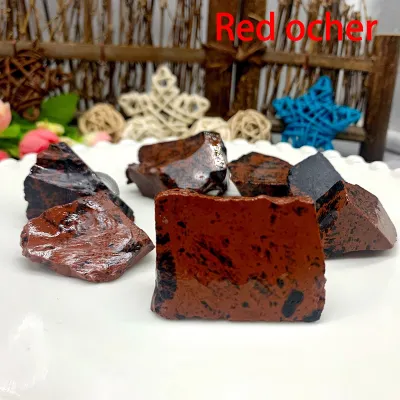
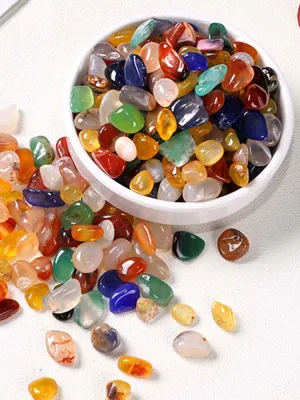
Prices are valid at publication and may change. Please refer to the product page for the latest price.
Porosity and tropical weathering also play a significant role in the longevity of your outdoor ornaments. Highly porous stones, such as sandstone-based minerals or unpolished geodes, easily absorb moisture during the rainy season. In high-humidity environments, this constant dampness creates an ideal breeding ground for moss, algae, and mold. While some gardeners appreciate the weathered, rustic look of moss-covered stones, excessive biological growth can eventually weaken the structural integrity of softer minerals. Understanding these physical properties helps you select the right stone for the specific microclimate of your garden.
Matching Ornaments to Your Garden Aesthetic
The lush, vibrant foliage of a classic Philippine tropical garden—filled with large-leafed monsteras, colorful heliconias, and dramatic ferns—pairs beautifully with raw, unpolished crystal stones. Large geodes with exposed crystalline interiors or massive raw quartz chunks look as though they were discovered right in the rainforest. Placing these rugged specimens near natural water features, such as koi ponds or garden streams, enhances the organic feel of the space. The play of water splashing against the rough stone surfaces highlights the natural variations in color and texture, creating a dynamic visual element.

For gardens that emphasize tranquility, clean lines, and negative space, the choice of crystal stone should reflect simplicity and order. Geometrically cut stones, such as polished obsidian spheres, clear quartz points, or structured basalt columns, serve as excellent focal points without overwhelming the senses. Monochromatic stones work best in these settings, maintaining a calm and cohesive color palette. You can also use smooth, tumbled crystal gravel—such as white quartz or dark river stones—to create clean pathways or defined borders around a central stone lantern or a single, well-placed specimen tree.
Contemporary landscapes thrive on contrast, making them the perfect backdrop for showcasing the unique textures of crystal ornaments. You can create a striking visual statement by pairing organic, rough-textured crystal clusters with sleek, man-made materials. Placing a vibrant mineral specimen on a structured powder-coated metal stand or a minimalist concrete pedestal elevates the stone, turning it into a gallery-worthy sculpture. This contrast between the raw, chaotic beauty of nature and the clean, geometric lines of modern architecture highlights the unique form and color of the crystal stone.
Key Selection Criteria for Durability and Placement
When selecting a crystal stone ornament, it is crucial to consider the scale of your garden. A tiny crystal cluster that looks stunning on an indoor shelf will easily get lost when placed in a spacious outdoor garden bed. Conversely, an oversized geode can overwhelm a small courtyard or balcony garden. Walk around your garden and observe the primary sightlines from your patio, windows, and walkways. Choose a stone whose proportions harmonize with the surrounding plants and hardscaping, ensuring it acts as an intentional design element rather than an afterthought.
The physical stability of your garden ornaments is a critical safety consideration, especially during the typhoon season in the Philippines. Heavy geodes, tall mineral obelisks, and large crystal clusters possess significant physical weight. Placing them on uneven soil or soft grass increases the risk of them tipping over during heavy downpours or strong winds, which can damage the stone or cause injury. Ensure that large ornaments are set on a stable, level foundation, such as a compacted gravel bed, a concrete paver, or a secure pedestal. For tall or top-heavy specimens, consider using outdoor-grade adhesives or mechanical brackets to anchor them firmly to their bases.
Before placing any crystal stone ornament outdoors, verify whether the material has been treated or sealed. Some polished stones are coated with wax or synthetic sealants to enhance their shine, but these coatings can quickly degrade, peel, or turn cloudy when exposed to outdoor moisture and UV rays. Check the manufacturer’s specifications or product labels to confirm if the stone is naturally weather-resistant or if it has been treated with an outdoor-grade, UV-resistant, and waterproof sealant. If the stone is untreated and porous, applying a breathable, penetrating stone sealer designed for outdoor use can help repel water and reduce stain absorption without trapping moisture inside the mineral.
If your crystal stone ornament features integrated lighting—such as a hollow geode with an internal LED bulb to create a glowing night-time effect—you must prioritize electrical safety. Verify that all electrical components, including cables, connectors, and light sources, carry an appropriate outdoor ingress protection rating, such as IP65 or higher, to withstand heavy tropical rains. Ensure that the system operates on a safe low-voltage limit or is connected to a ground-fault circuit interrupter (GFCI) outlet. For any fixed outdoor wiring or complex installations, always consult a qualified professional and ensure the power supply is completely isolated before performing any maintenance or adjustments.
Care and Maintenance in a Tropical Climate
Regular maintenance is key to keeping your crystal stone ornaments looking their best in a humid environment. Dust, pollen, and wind-blown soil can quickly accumulate on the textured surfaces of raw crystals, dulling their natural sparkle. To clean them, use a soft-bristled brush and plain, clean water to gently dislodge dirt from crevices. Avoid using acidic cleaners, vinegar, bleach, or highly alkaline chemical detergents, as these substances can chemically react with certain minerals, causing irreversible etching, discoloration, or structural weakening.
In the damp, shaded corners of a tropical garden, algae and moss can rapidly colonize porous stone surfaces. If you prefer to keep your crystals clean and free of biological growth, establish a gentle cleaning routine. For stubborn algae buildup, scrub the affected areas gently with a soft brush and a mild, diluted dish soap, then rinse thoroughly with clean water. Avoid using high-pressure washers directly on delicate crystal clusters or highly polished surfaces, as the intense water pressure can fracture fragile mineral structures or strip away protective sealants.
The Philippines experiences severe weather events, including intense tropical storms and typhoons. Preparing your garden ornaments for these conditions is essential to prevent damage. Before a storm arrives, temporarily move smaller, fragile, or highly polished crystal pieces indoors or store them in a secure garden shed. For larger, immovable stone ornaments, ensure they are securely anchored and cover them with heavy-duty, waterproof tarpaulins if they are susceptible to damage from flying debris or extreme water exposure. Taking these proactive steps preserves the longevity and beauty of your investment.
Frequently Asked Questions (FAQ)
Can all types of natural crystal stones be left outside year-round?
No, not all natural crystal stones are suitable for year-round outdoor placement. Water-soluble minerals, such as selenite, halite, and calcite, will gradually dissolve, erode, or lose their structural integrity when exposed to rain and high humidity. Additionally, UV-sensitive stones like amethyst and fluorite will fade significantly if left in direct sunlight. Always verify the specific mineral properties and hardness of your crystal stone before deciding on its permanent outdoor placement, and opt for highly durable, non-porous stones like quartz, jasper, or obsidian for exposed areas.
How do I prevent polished crystal stones from becoming slippery when wet?
Polished crystal stones have incredibly smooth surfaces that become highly slippery when wet, posing a safety hazard if placed in high-traffic areas. To prevent slips and falls, avoid placing highly polished stones directly on primary garden walkways, steps, or stepping stones. Instead, restrict these decorative pieces to non-tread ornamental garden beds, rockeries, or raised planters. If you wish to use crystal stones near pathways, opt for raw, unpolished, or textured varieties, or secure polished specimens onto stable, textured anti-slip bases that keep them safely out of the direct walking path.
What should I look for when buying crystal stone ornaments online?
When shopping for crystal stone ornaments on online marketplaces, careful verification is essential to ensure you receive a genuine, high-quality product suitable for outdoor use. Carefully review the product description for material certification details and precise dimensions, as photos can often make items appear larger than they are. Look for listings that include photos of the stone next to a common reference object. Read customer reviews to assess the seller’s packaging quality, as heavy or fragile stones require robust protection to survive transit without damage. Finally, verify the seller’s return and refund policies regarding items damaged during shipping.
Community discussion
Share your experience or ask a question. Comments are reviewed before publication.