
Achieving a clean, modern minimalist aesthetic in a Filipino home requires lighting that integrates seamlessly into the architecture rather than competing with it. Modern design pin lights—commonly known as recessed downlights or slim panel lights—serve as the backbone of this design philosophy by providing high-quality illumination without the visual clutter of traditional protruding fixtures. Selecting suitable pin lights involves evaluating physical profiles, optical performance, and electrical compatibility with local residential grids. By focusing on clean lines, low-glare designs, and robust build quality, homeowners can create bright, airy spaces that feel both expansive and warm.
Defining Modern Minimalist Lighting Requirements
Minimalist design prioritizes the concept of “less is more,” where the light source itself becomes nearly invisible, leaving only the illuminated effect. To achieve this, the physical design of the pin light fixture must be carefully considered. Traditional recessed lights often feature thick, glossy plastic trims that draw the eye upward and disrupt the clean plane of a gypsum ceiling. Modern minimalist alternatives utilize ultra-thin bezels or entirely trimless (plaster-in) designs. Trimless fixtures are mudded directly into the ceiling plaster during installation, creating a completely flush finish where the light aperture appears as a clean, sharp cutout in the ceiling. For homes where plaster-in fixtures are impractical, micro-bezel designs with a matte white finish offer a highly discreet alternative that closely matches standard ceiling paint.
Color temperature plays an equally critical role in defining the atmosphere of a minimalist home. While ultra-modern spaces sometimes lean toward cool white tones, these can feel clinical and harsh in a residential setting. A neutral white color temperature of 4000K strikes a balanced middle ground, offering a clean, crisp light that enhances natural wood tones, concrete finishes, and neutral paint palettes without looking yellow or blue. For areas dedicated to relaxation, a warm white temperature of 3000K provides a cozy, inviting glow while maintaining the clarity required for modern interiors.
Products mentioned in this guide
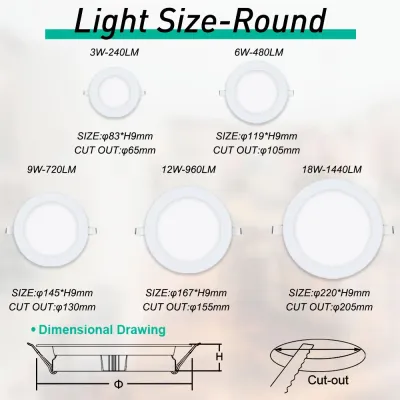
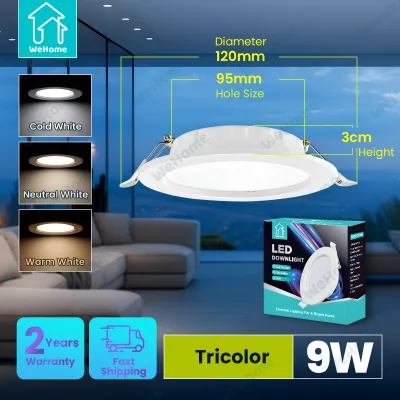
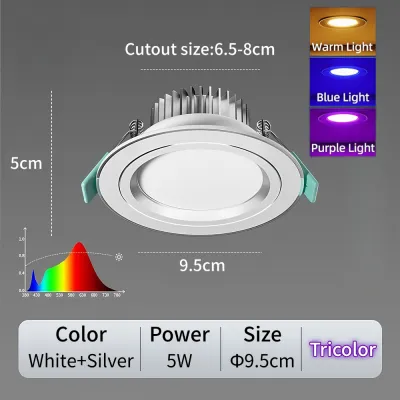
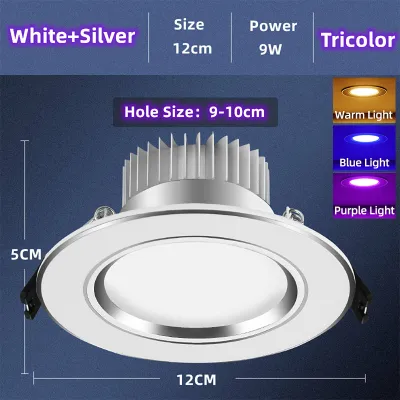
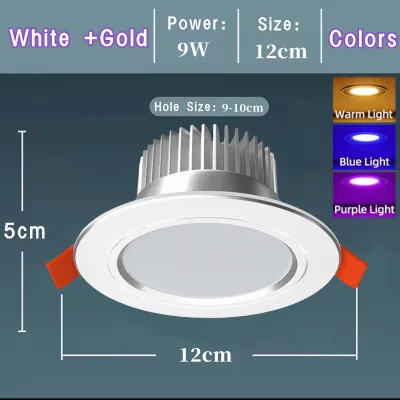
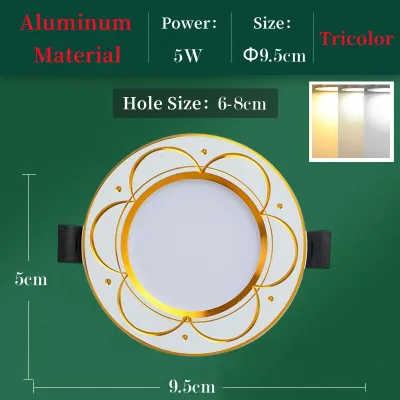
Prices are valid at publication and may change. Please refer to the product page for the latest price.
The distribution of light, governed by the beam angle, determines how spaces are defined. Wide beam angles of 60 degrees or more provide diffuse, uniform ambient lighting, which is excellent for general illumination but can sometimes wash out architectural details. Conversely, narrow beam angles of 15 to 24 degrees create dramatic pools of light, perfect for highlighting artwork, textured walls, or specific furniture pieces. A balanced minimalist lighting plan typically combines medium beam angles of 36 to 45 degrees for general walkways with targeted narrow beams to add depth and visual interest without cluttering the ceiling with excessive fixtures.
Key Specifications to Check Before Buying
Before purchasing any lighting fixtures, verifying technical compatibility with the electrical infrastructure of the Philippines is paramount. The standard residential electrical grid operates at 220V to 240V AC at a frequency of 60Hz. Many imported pin lights are designed for 50Hz grids or different voltage standards; using incompatible drivers can lead to premature component failure, persistent flickering, or safety hazards. Always inspect the product label or technical datasheet to confirm that the integrated LED driver is rated explicitly for 220V-240V at 60Hz to ensure stable, long-term operation.

Physical dimensions require precise measurement before any ceiling cutouts are made. The cut-out diameter refers to the actual hole size needed in the ceiling board, which is always smaller than the overall outer diameter of the fixture’s trim. Equally important is the recess depth, which is the vertical space required inside the ceiling cavity. In many Filipino homes, concrete slab ceilings are fitted with shallow drop ceilings made of gypsum or fiber cement boards to hide utility pipes and wiring. If your ceiling cavity is shallow, ultra-slim LED panel lights with a depth of less than 20 millimeters are often necessary, whereas deeper architectural downlights may require 70 millimeters or more of vertical clearance.
Lumen output, rather than wattage, should guide your brightness calculations. Wattage indicates power consumption, while lumens measure the actual amount of visible light emitted. For standard residential ceiling heights of 2.7 to 3 meters, pin lights emitting 500 to 800 lumens per fixture are generally sufficient for ambient lighting when spaced approximately 1.2 to 1.5 meters apart. Opting for high-efficiency fixtures that deliver at least 80 to 100 lumens per watt ensures that your home remains brightly lit without unnecessarily inflating your monthly electricity bills.
If you plan to adjust light levels to suit different times of day, dimming compatibility must be verified at the point of purchase. Not all LED pin lights are dimmable, and attempting to dim a non-dimmable driver will cause severe flickering and damage the circuitry. You must match the dimming protocol of the fixture’s driver—such as Triac (leading or trailing edge), 0-10V, or digital smart protocols—with a compatible wall dimmer switch. For a seamless minimalist look, smart wireless dimming systems can eliminate the need for complex multi-gang wall switches, allowing control via mobile applications or integrated sensors.
Matching Pin Light Types to Room Functions
Different rooms serve distinct purposes, and your choice of pin lights should reflect these functional needs while maintaining a cohesive design language throughout the home. In living areas, the primary goal is to create a comfortable, relaxing environment free from harsh glare. Deep-recessed pin lights, where the light source is positioned several centimeters back inside the fixture body, are highly effective here. This design restricts the physical line of sight to the LED chip, ensuring that the light is directed downward onto living spaces rather than shining directly into the eyes of occupants sitting on a sofa.
Kitchens and home workspaces demand high-performance task lighting where visual accuracy is critical. When selecting fixtures for these areas, pay close attention to the Color Rendering Index (CRI), which measures how accurately a light source reveals the true colors of objects compared to natural daylight. Standard LED fixtures often have a CRI of 80, but kitchens and workspaces benefit significantly from fixtures with a CRI of 90 or higher. A high CRI ensures that food preparation is safer, ingredients look fresh and appetizing, and work materials are rendered with high fidelity, reducing eye strain during extended tasks.
Bathrooms, laundry areas, and semi-outdoor spaces like balconies or patios present unique environmental challenges due to high humidity and potential exposure to water splashes. Standard indoor pin lights will quickly degrade, corrode, or short-circuit in these conditions. To ensure safety and durability, look for fixtures with an appropriate Ingress Protection (IP) rating. An IP44 rating provides protection against solid objects larger than 1 millimeter and splashes of water from any direction, making it suitable for general bathroom zones. For fixtures installed directly above showers or in open outdoor eaves exposed to wind-driven rain, an IP65 rating is recommended to provide a complete seal against dust and low-pressure water jets.
Installation and Electrical Safety Boundaries
Installing recessed lighting involves working with live electrical circuits and altering structural ceiling elements, which introduces distinct safety risks. While replacing an existing, identical plug-and-play fixture can sometimes be managed as a careful DIY task, installing new pin lights, running new wiring, or modifying circuit breakers must be handled by a licensed electrician. Professional installation ensures compliance with the Philippine Electrical Code, minimizes the risk of electrical fires, and guarantees that the load on your home’s electrical panel is balanced correctly.
During installation, physical clearance within the ceiling cavity must be carefully managed to prevent heat buildup. LED fixtures, while far cooler than legacy halogen bulbs, still generate significant heat at the driver and heat sink levels. If your ceiling contains thermal or acoustic insulation, you must verify whether your chosen pin lights are Insulation Contact (IC) rated. IC-rated fixtures are designed to be in direct contact with insulation materials without risking combustion. Non-IC-rated fixtures require a minimum clearance of 75 millimeters on all sides to allow adequate air circulation and heat dissipation, which is particularly critical in the tropical climate of the Philippines where ambient ceiling temperatures can rise significantly.
Before any installation or maintenance work begins, complete power isolation is mandatory. Simply turning off the wall switch is insufficient, as neutral wires can still carry residual current. Always switch off the corresponding circuit breaker at the main distribution panel and verify that the line is dead using a reliable, non-contact voltage tester. Additionally, ensure that the existing wiring is in good condition; older homes may have degraded copper wiring or lack proper grounding, which must be rectified before connecting modern, sensitive LED drivers.
Sourcing and Verifying Product Quality
Navigating the market for modern pin lights requires a discerning eye, especially when sourcing products from online marketplaces or local hardware suppliers. To verify safety and performance, prioritize fixtures that carry official certification marks. In the Philippines, look for the Philippine Standard (PS) quality mark or the Import Commodity Clearance (ICC) sticker on the packaging. For imported architectural lighting, verify international certifications such as CE (Conformité Européenne), RoHS (Restriction of Hazardous Substances), or UL (Underwriters Laboratories). These marks indicate that the product has undergone rigorous testing for electrical safety, thermal management, and environmental compliance.
When purchasing through online platforms, buy exclusively from official brand stores or authorized distributors rather than unverified third-party sellers. Official channels are much more likely to provide genuine warranties—typically ranging from one to three years—and reliable after-sales support if a driver fails prematurely. Be sure to read the warranty terms carefully, noting whether the manufacturer covers replacement shipping costs or requires you to bring the fixture to a physical service center.
Be highly skeptical of product listings that exhibit common red flags. These include missing technical specifications, such as a failure to list the CRI, power factor, or operating voltage range. Unrealistic performance claims are another major warning sign; for instance, a cheap 5-watt pin light claiming to emit 1,500 lumens is physically impossible with current LED technology. Reliable manufacturers provide detailed photometric data, clear installation diagrams, and realistic performance specifications, allowing you to make an informed decision based on verifiable facts rather than marketing hype.
Frequently Asked Questions (FAQ)
Can I install modern pin lights in an existing concrete ceiling?
Installing standard recessed pin lights directly into a solid concrete ceiling slab is generally not possible without constructing a secondary drop ceiling. Recessed fixtures require a hollow cavity to house the driver, wiring connections, and the body of the light itself. Chipping away structural concrete to create these cavities is highly discouraged as it can compromise the structural integrity of the building. If you have solid concrete ceilings and want to avoid building a gypsum drop ceiling, the most practical minimalist alternative is to use surface-mounted pin lights or track lighting systems designed to mount directly onto flat concrete surfaces.
How do I prevent glare from minimalist recessed lights?
To minimize glare and maintain a clean, comfortable visual environment, select pin lights designed with deep-set optics or physical shielding accessories. Look for fixtures featuring deep baffles, which position the LED light source deep within the housing to block direct lateral glare. Additionally, fixtures equipped with anti-glare rings, frosted diffusers, or honeycomb louvers can soften the light output and direct it precisely where needed without creating harsh, blinding hotspots. Choosing fixtures with a low Unified Glare Rating (UGR)—ideally below 19—ensures improved visual comfort in minimalist living and working spaces.
Community discussion
Share your experience or ask a question. Comments are reviewed before publication.