
Selecting the right light for wall outdoor installations in covered corridors and walkways of Filipino homes requires balancing weather protection, glare control, and structural compatibility. While these transitional spaces are shielded from direct downpours by roofs or overhangs, they remain exposed to high tropical humidity, driving monsoon rains, wind-blown dust, and ambient heat. Choosing the correct fixture ensures your walkways are safe, inviting, and durable enough to withstand the local climate.
To make an informed decision, you must look beyond aesthetic appeal. A successful lighting plan for a covered corridor evaluates the physical dimensions of the space, the durability of the fixture materials, the specific light distribution pattern, and the safety of the electrical installation. By focusing on these practical factors, you can find a lighting solution that enhances your home’s exterior while operating safely for years to come.
Assessing Illumination Needs for Covered Walkways
Before purchasing any outdoor wall lights, evaluate the physical layout of your covered corridor or walkway. The width of the path and the height of the ceiling directly dictate how light will spread across the ground. Narrow walkways, which are common along the sides of Filipino homes, require low-profile fixtures that do not protrude too far from the wall. A bulky light fixture in a tight space can become a physical hazard, easily bumped into by family members carrying items or navigating the path.
Products mentioned in this guide
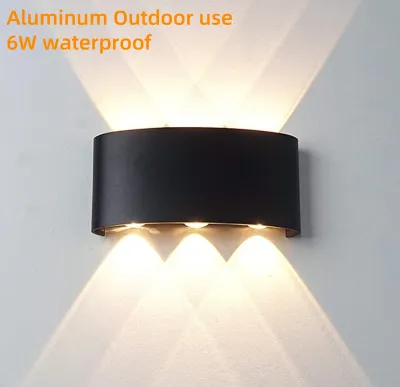
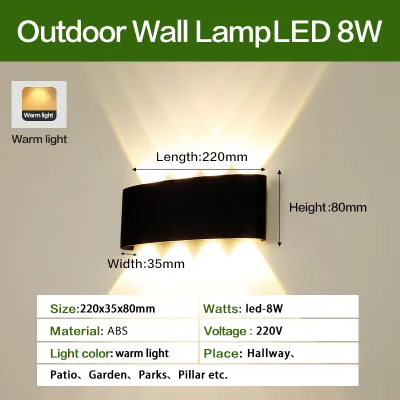
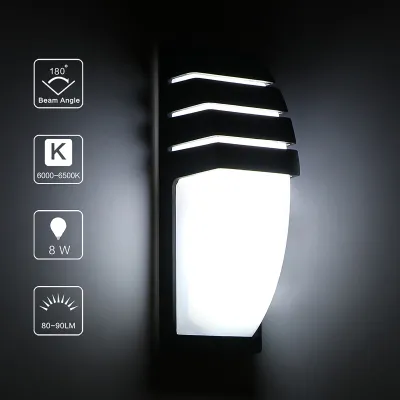
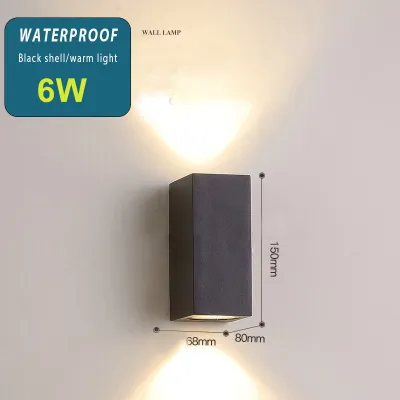
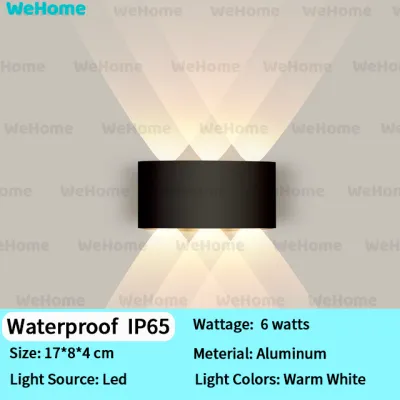
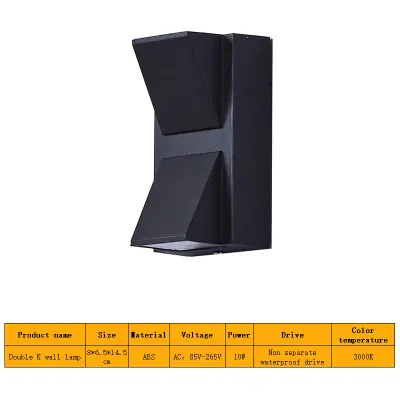
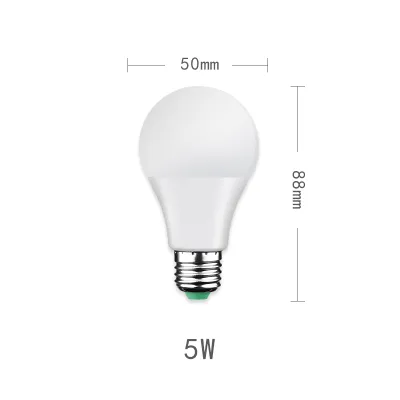
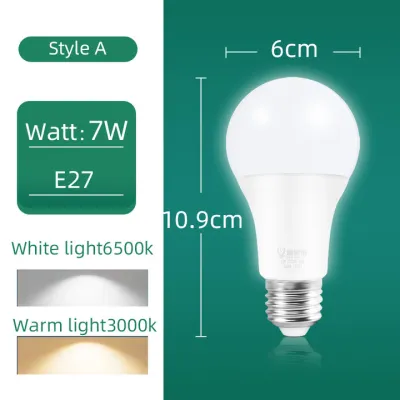
Prices are valid at publication and may change. Please refer to the product page for the latest price.
The surface materials of your walls and floors also play a major role in how bright the space will feel. Light-colored concrete, smooth plaster, or white-painted walls reflect a significant amount of light, allowing you to use lower-wattage bulbs while still achieving excellent visibility. Conversely, if your corridor features dark stone cladding, textured wood panels, or terracotta tiles, these surfaces will absorb light. In such cases, you will need fixtures with higher lumen outputs or more strategic placement to prevent the walkway from feeling dim and gloomy.
Achieving the right balance between ambient visibility and targeted pathway illumination is key to preventing dark spots. Ambient light fills the general space, making it easy to identify faces and navigate the corridor comfortably. However, you also need targeted illumination directed downward to highlight potential hazards, such as steps, thresholds, or changes in floor level. Properly distributed light eliminates deep shadows where pests, insects, or tripping hazards might otherwise go unnoticed.
Verifying Weather Resistance and Material Durability
Even though a corridor is covered, outdoor fixtures in the Philippines must endure intense environmental stress. High humidity, salt-laden air in coastal regions, and seasonal monsoon winds mean that indoor fixtures are entirely unsuitable. When shopping, always locate and interpret the Ingress Protection (IP) rating label on the product packaging. For covered or semi-outdoor walkways, a minimum rating of IP44 is recommended, which indicates protection against splashing water from any direction. If your corridor is highly exposed to wind-driven rain, upgrading to an IP65-rated fixture provides superior protection against dust and low-pressure water jets.

Material selection is equally critical for long-term durability. The high humidity levels typical of tropical climates can cause low-quality metals to rust and degrade rapidly. Look for fixtures constructed from corrosion-resistant materials such as heavy-duty polycarbonate, ABS plastic, powder-coated aluminum, or marine-grade stainless steel. Avoid untreated ferrous metals, which can rust within a single rainy season, leaving unsightly stains on your exterior walls and compromising the structural integrity of the light.
Finally, verify the electrical specifications of the fixture to ensure compatibility with your home’s electrical system. In the Philippines, standard residential voltage is 220V to 240V at 60Hz. Ensure the fixture is rated for this voltage and check the manufacturer’s specifications for bulb compatibility, including the maximum wattage limit and the base type (such as standard E27 screw bases). Look for official safety certifications, such as the Philippine Standard (PS) mark or the Import Commodity Clearance (ICC) sticker, to verify that the product has undergone rigorous safety testing for exterior use.
Choosing Sconce Designs for Corridor Layouts
The design of your wall sconce determines how light is distributed and how comfortable the space is to walk through. Up-light fixtures project light upward, creating a dramatic wall-washing effect that highlights architectural textures. However, they can attract nocturnal insects and do little to illuminate the ground. Down-light fixtures focus their entire output downward, making them highly efficient for pathway safety. Full-cut-off or hooded designs are excellent for narrow corridors because they shield the bulb from direct view, directing all light toward the floor and preventing uncomfortable glare.
Planning the spacing of your fixtures requires looking at the manufacturer’s stated beam angle and light distribution. Placing lights too far apart creates harsh pools of bright light separated by deep, dark shadows, which can strain the eyes and compromise safety. For a standard residential walkway, spacing fixtures approximately 1.8 to 2.4 meters apart generally ensures a continuous, overlapping path of light. Adjust this spacing based on the specific lumen output and beam spread of your chosen fixtures.
You must also position the lights carefully to avoid glare and light trespass. Mounting fixtures at approximately 1.5 to 1.7 meters above the floor—or roughly at eye level—usually keeps the direct glare of the bulb out of your line of sight while illuminating the path. Additionally, ensure that the light distribution does not shine directly into adjacent bedroom or living area windows, which can disrupt sleep. Choosing between warm white (typically 2700K to 3000K) for a cozy, welcoming ambiance or cool white (4000K to 5000K) for enhanced security visibility is a matter of personal preference, as long as the bulbs meet the fixture’s wattage limits.
Pre-Installation and Electrical Safety Checks
Before mounting any new fixtures on your exterior walls, perform a thorough pre-installation inspection. Examine the existing junction boxes to ensure they are rated for exterior use and are structurally sound. A loose or damaged junction box cannot support the weight of a heavy outdoor fixture and may allow moisture to seep into the wall cavity, leading to electrical faults.
Because working with fixed wiring in damp, outdoor environments carries serious safety risks, always isolate the power at the main circuit breaker before starting any work. If your installation requires running new electrical conduits through solid concrete, hollow blocks, or exterior masonry, do not attempt to do this yourself. These tasks require specialized tools and expertise; always hire a licensed electrician to ensure the wiring complies with local electrical codes.
When mounting the fixture, carefully follow the manufacturer’s instructions regarding weatherproofing. Use outdoor-rated silicone sealant to seal the backplate against the wall. A common professional practice is to apply the sealant around the top and sides of the fixture base while leaving the bottom edge unsealed. This allows any condensation or moisture that manages to get behind the fixture to drain out safely, preventing water from pooling around the electrical connections.
Frequently Asked Questions (FAQ)
Can I use indoor wall sconces in a fully covered corridor?
No, you should not use indoor-rated wall sconces in a covered corridor. Even if the area is completely shielded from direct rain, outdoor spaces in the Philippines experience high humidity, temperature fluctuations, and airborne dust. Indoor fixtures lack the rubber gaskets, sealed wire compartments, and corrosion-resistant finishes required to withstand these conditions. Over time, moisture will accumulate inside an indoor fixture, leading to rapid corrosion, short circuits, or electrical hazards. Always verify that the product packaging features an outdoor-rated IP label before installing a fixture in any semi-outdoor space.
How do I clean outdoor wall lights exposed to dust and humidity?
To clean your outdoor wall lights safely, first isolate the power at the main circuit breaker and ensure the bulbs have cooled completely. Use a dry microfiber cloth or a soft-bristled brush to gently sweep away loose dust, cobwebs, and insect debris from the fixture’s exterior. For stubborn dirt or grime buildup caused by humidity, wipe the surface with a soft cloth slightly dampened with a mild, highly diluted mixture of water and gentle dish soap. Avoid using harsh chemical solvents, abrasive scrubbing pads, or high-pressure water sprays, as these can strip away protective powder coatings, scratch polycarbonate covers, or damage the weather seals. Allow all components to dry completely before restoring power.
Community discussion
Share your experience or ask a question. Comments are reviewed before publication.