
Selecting outdoor decor for a tropical garden requires a realistic look at local weather patterns. In the Philippines, the annual cycle of intense solar heat followed by torrential monsoon rains creates an incredibly harsh environment for outdoor ornaments. To ensure your garden bells and chimes survive these extreme shifts without rusting, cracking, or losing their acoustic clarity, you must prioritize materials engineered to resist moisture absorption, oxidation, and ultraviolet degradation.
Understanding Weather Resistance in Garden Bells and Chimes
When shopping for outdoor decor, the label “outdoor-rated” is often used as a broad marketing term rather than a technical guarantee. In tropical climates, generic outdoor ratings rarely account for the combination of near-constant high relative humidity and intense UV exposure. True weather resistance requires materials that do not rely solely on a thin, temporary surface paint to keep moisture out.
Beyond the main chime tubes or bell bodies, several critical failure points often degrade long before the primary components. The top cap, the internal clapper, and the wind sail are constantly exposed to physical stress and moisture accumulation. If the top cap is made of untreated wood, it can warp and split, causing the entire assembly to collapse even if the metal tubes remain pristine.
Products mentioned in this guide
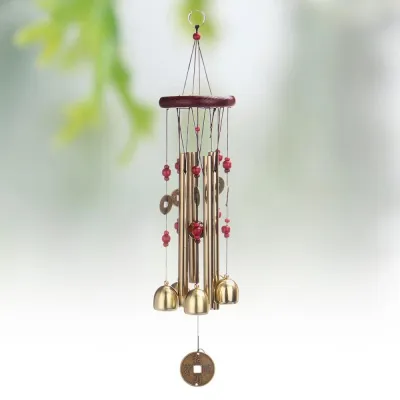
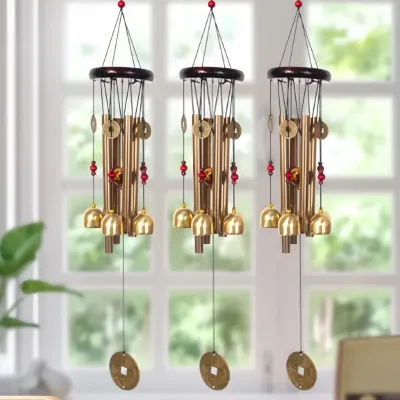

![[LIXIAOJU] Brass Handicraft die-casting Drop Wind Bell Tibetan Bronze Bell Creative](https://img.lazcdn.com/g/p/3d9a05a3401995f7c124aac345aeb1a0.jpg_400x400q80.jpg_.webp)
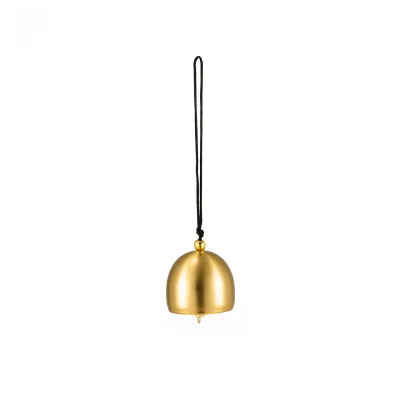
Prices are valid at publication and may change. Please refer to the product page for the latest price.
Balancing your acoustic preferences with durability is the first step in making a lasting purchase. Metal chimes, particularly those made of treated aluminum, offer bright, long-lasting resonance and exceptional resistance to wet climates. Bamboo and wood chimes provide a deeper, more organic tone but require regular maintenance to prevent mold and splitting. Understanding these trade-offs allows you to select a piece that matches both your garden’s soundscape and your willingness to perform seasonal upkeep.
Verifying Material Specifications for High Humidity and Rain
To find chimes that can withstand heavy downpours, look closely at the manufacturer’s technical specifications. High-quality metal chimes often feature anodized aluminum or marine-grade stainless steel. Anodizing is an electrochemical process that converts the metal surface into a decorative, durable, corrosion-resistant anodic oxide finish. This layer is integrated with the underlying aluminum, meaning it cannot peel or rust like paint.

When inspecting physical samples or detailed product photos, look for seamless joints and uniform surface treatments. Powder-coated finishes are highly effective because the protective dry powder is electrostatically applied and cured under heat, creating a skin that is much tougher than conventional liquid paint. Check that the coating covers every edge, especially around the drilled holes where the suspension cords pass through, as these raw edges are prime spots for corrosion to take hold.
Do not overlook the hidden fasteners, eyelets, and internal pins. Manufacturers of premium garden ornaments use stainless steel or brass hardware to secure the internal components. If a chime uses cheap carbon steel screws or staples to hold the cords inside the tubes, those small parts will rust rapidly in humid air. This rust can bleed onto the main body, staining the finish and eventually causing the structural failure of the entire chime.
Evaluating Suspension Hardware and Moving Parts
The longevity of any hanging garden ornament depends heavily on the strength of its suspension system. Strong monsoon winds put immense physical strain on the cords, making the choice of stringing material vital. Natural ropes like jute, cotton, or untreated hemp absorb rainwater, dry slowly in high humidity, and quickly become breeding grounds for rot and mold. Within a single rainy season, these natural fibers can degrade to the point of snapping.
Instead, look for suspension cords made from UV-stabilized synthetic fibers, such as braided nylon, polyester, or high-performance Dacron. These materials do not absorb water, resist rot, and maintain their tensile strength even after months of exposure to direct tropical sunlight. The cord should also be thick enough to resist chafing against the edges of the chime tubes during windy conditions.
The clapper (the center piece that strikes the tubes) and the wind sail (the hanging piece at the bottom that catches the breeze) must also be evaluated for waterlogging risks. Wooden clappers should be crafted from dense hardwoods like teak or redwood, which naturally resist moisture, or from durable synthetic polymers. A waterlogged clapper becomes heavy and sluggish, dulling the sound of the chime, while a warped wind sail will fail to catch the wind efficiently.
Finally, inspect the hardware used to hang the chime from a branch, bracket, or ceiling hook. The top ring, S-hook, or swivel should be made of heavy-duty, rust-proof metal. Swivels are particularly beneficial in windy areas because they allow the chime to rotate freely 360 degrees, preventing the main suspension cord from twisting, binding, and wearing out prematurely under mechanical stress.
Strategic Placement to Extend Material Lifespan
Where you hang your bells and chimes plays a massive role in how long they last. While it is tempting to place them in the center of an open lawn or hanging from an exposed tree branch, full exposure to the elements accelerates material wear. The combination of direct midday sun and sudden tropical downpours can cause rapid thermal expansion and contraction, which degrades protective coatings over time.
A semi-sheltered location offers an excellent compromise between sound projection and weather protection. Hanging your chimes under deep roof eaves, on a covered patio, or within a well-ventilated lanai shields them from direct rainfall while still allowing local breezes to activate the sound. This placement also protects the chime from the direct impact of falling debris, such as heavy leaves or twigs, during sudden afternoon thunderstorms.
Consider local environmental factors unique to your property. If you live near coastal areas, the salt-laden air acts as a powerful corrosive agent that can degrade even standard stainless steel; in these zones, marine-grade materials are essential. Similarly, hanging chimes directly over automated garden sprinklers or deep within dense, unpruned foliage keeps the ornament in a constant state of dampness, preventing it from drying out and encouraging algae growth.
When mounting heavy bells or large chimes, always prioritize safety and structural integrity. Ensure the mounting bracket, hook, or branch can easily support the weight of the ornament when it is wet and subjected to wind loads. For heavy or high-altitude installations, consult a qualified professional to ensure the anchors are securely fastened to a solid structural member rather than thin fascia boards or weak plaster ceilings.
Wet Season Maintenance and Safe Cleaning Practices
A proactive maintenance routine during the wet months can add years to the lifespan of your garden decor. At least once a month during the rainy season, perform a quick visual inspection of your chimes. Look closely for early signs of surface oxidation, mineral buildup, or mold growth. Check the suspension cords for any signs of fraying, especially where they contact metal or wood surfaces, and replace them before they fail completely.
Cleaning your chimes does not require harsh chemicals, which can strip away protective UV coatings or anodized layers. Use a soft cloth or sponge dampened with a mild mixture of warm water and gentle dish soap to wipe away mud splashes, bird droppings, and accumulated pollen. Avoid using abrasive scrubbing pads, steel wool, or strong solvents like acetone, as these will scratch the metal surfaces and leave them vulnerable to rust.
For wooden components, applying a thin layer of protective wood oil or outdoor varnish once a year can help maintain their water resistance. Ensure the wood is completely dry before application to avoid trapping moisture inside the fibers. If your chimes feature intricate metal filigree or deep crevices, use a soft-bristled brush to gently clear out trapped dirt and debris that could hold moisture against the metal.
During severe weather events, such as typhoons or tropical depressions, the safest course of action is to temporarily take down your bells and chimes. High-velocity winds can turn even heavy metal chimes into dangerous projectiles, risking damage to your home, your plants, or the ornament itself. Store them in a dry, indoor space until the storm passes, and inspect the mounting hardware thoroughly before rehanging them.
Frequently Asked Questions (FAQ)
Can I apply aftermarket waterproof sealants to my existing garden chimes?
Before applying any aftermarket sprays, waxes, or sealants, always check the manufacturer’s care instructions and warranty guidelines. Some third-party coatings can react poorly with the factory-applied UV stabilizers or anodized finishes, causing them to peel or discolor. Additionally, heavy or unevenly applied sealants can alter the weight and acoustic resonance of the chime tubes, resulting in a dull or distorted sound. If permitted, use only light, clear, non-yellowing polyurethane sprays designed specifically for outdoor metals or woods.
How do I know if the suspension cord needs replacing before a storm?
Inspect the cord physically and visually for signs of degradation. Look for noticeable fraying, fuzzy fibers, discoloration from mold, or stiffness caused by UV damage. Gently pinch and pull the cord; if it feels brittle, dry, or crumbles slightly under pressure, its load-bearing capacity is compromised. If you observe any of these warning signs, consult the manufacturer’s specifications for the correct replacement cord type and weight limit to ensure your chime remains securely suspended during high winds.
Community discussion
Share your experience or ask a question. Comments are reviewed before publication.