
Selecting the right lighting for a bathroom requires a careful balance of safety, durability, and style. In the Philippines, where high relative humidity and tropical temperatures are constant, choosing the correct waterproof shower lamps is essential to prevent premature fixture failure and ensure electrical safety. The ideal lighting setup not only illuminates the space but also transforms a standard bathroom into a relaxing, spa-like sanctuary.
To achieve a successful installation, homeowners must look beyond aesthetic appeal and focus on technical specifications. Understanding how water resistance is measured, selecting materials that resist corrosion in damp environments, and adhering to strict electrical safety standards are all critical steps in the planning process. By taking a systematic approach to selection and placement, you can create a beautifully lit bathroom that remains safe and functional for years to come.
Decoding IP Ratings for Shower and Bathroom Zones
When shopping for bathroom lighting, the most critical technical specification to verify is the Ingress Protection (IP) rating. This international standard classifies the degrees of protection provided against the intrusion of solid objects and liquids into electrical enclosures. An IP rating is always expressed as a two-digit number. The first digit, ranging from zero to six, indicates protection against solid particles like dust and fingers. The second digit, ranging from zero to nine, measures protection against liquids, which is the primary concern in a shower environment.
Products mentioned in this guide
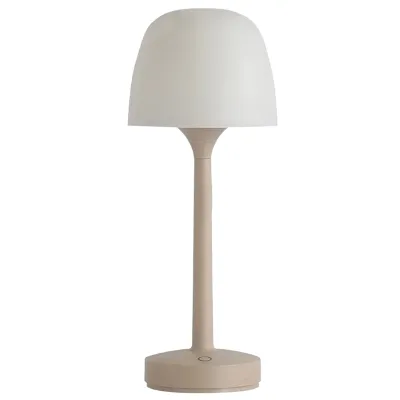
Prices are valid at publication and may change. Please refer to the product page for the latest price.
For safety purposes, a bathroom is divided into distinct moisture zones based on the proximity to water sources. Zone 0 refers to the interior of the shower basin or bathtub itself, where fixtures are subject to total immersion. Zone 1 is the area directly above the shower or bath, extending up to a height of 2.25 meters from the floor. Zone 2 covers the area stretching 0.6 meters horizontally outward from Zone 1, as well as the space immediately surrounding washbasins.
Each of these zones requires a specific minimum IP rating to ensure safe operation. Fixtures installed in Zone 0 must be low-voltage and carry a minimum rating of IP67, meaning they are fully watertight and capable of withstanding temporary submersion. For Zone 1, where fixtures are exposed to direct water spray and heavy steam, a minimum rating of IP65 is required to protect against water jets. Zone 2 fixtures require at least an IP44 rating, which provides protection against multi-directional water splashes.
Understanding the distinction between water-resistant and fully waterproof fixtures is vital when planning your layout. Water-resistant fixtures, typically rated IP44, are designed to handle ambient moisture, steam, and minor splashes, making them suitable for general bathroom ceilings and vanity areas. Fully waterproof fixtures, rated IP65 or higher, feature specialized rubber gaskets and sealed housings that prevent any water entry, making them the only safe choice for direct installation inside a shower stall.
Balancing Aesthetics and Durability in Humid Environments
The tropical climate of the Philippines introduces high levels of ambient moisture that can rapidly degrade inferior materials. Standard metal fixtures made of untreated steel or iron will quickly rust, blister, and corrode when exposed to daily shower steam. To ensure long-term durability, prioritize fixtures constructed from corrosion-resistant materials such as marine-grade stainless steel, solid brass, copper, or anodized aluminum. High-quality polycarbonate and acrylic housings are also excellent non-metallic alternatives that will never rust.

In addition to the metal housing, the material of the lamp shade or diffuser plays a significant role in both durability and light quality. Sealed glass shades offer classic elegance and do not degrade over time, but they must be securely fitted with silicone gaskets to keep moisture out. If you opt for plastic diffusers, ensure they are made of UV-stabilized materials to prevent yellowing and cracking caused by heat and exposure to cleaning chemicals. Fully enclosed designs are essential to protect the internal bulb and wiring from condensation.
Color temperature is a conditional preference that dramatically influences the mood and functionality of your bathroom. Warm white light, ranging from 2700K to 3000K, mimics the soft glow of candlelight and is ideal for creating a relaxing, spa-like atmosphere during evening baths. Neutral white light, around 4000K, offers a clean and modern look that closely resembles natural daylight, making it highly suitable for grooming tasks. Cool white light, at 5000K or higher, provides high visibility but can sometimes feel clinical in a residential setting.
Achieving the perfect decorative effect also depends on managing brightness levels and beam angles. For accent lighting in shower niches or tiled feature walls, a narrow beam angle of 15 to 30 degrees creates dramatic, focused pools of light that highlight textures. For general illumination, a wider beam angle of 60 to 120 degrees ensures even light distribution across the space. Utilizing dimmable fixtures allows you to adjust the brightness to suit different times of day, though you must verify that both the bulb and the dimming switch are fully compatible.
Navigating Electrical Safety and Installation Boundaries
Electrical safety must always take precedence over decorative choices when installing lighting in wet environments. In the Philippines, the standard residential electrical supply operates at 220 volts and 60 hertz. Before purchasing any lighting fixture, you must verify that its voltage rating matches this local standard to prevent overheating, flickering, or electrical failure. Additionally, look for recognized safety certifications, such as the Philippine Standard (PS) mark, the Import Commodity Clearance (ICC) sticker, or international equivalents like CE and UL wet-location listings.
To protect household members from electrical shocks, all bathroom lighting circuits must be integrated with a Residual Current Device (RCD) or a Ground Fault Circuit Interrupter (GFCI). These safety devices constantly monitor the electrical current flowing through the circuit. If they detect even a minor leakage of current—such as electricity escaping through water or a human body—they instantly cut off the power supply. Ensuring your bathroom circuits are protected by a properly rated RCD is a non-negotiable safety requirement.
While some home improvement projects are suitable for DIY enthusiasts, installing fixed wiring in a bathroom is a task that should be reserved for a licensed professional. Running new electrical lines, cutting into concrete ceilings, and mounting fixtures within Zone 0 or Zone 1 require specialized knowledge of local electrical codes and waterproofing techniques. Hiring a qualified electrician ensures that all connections are perfectly sealed, grounded, and compliant with safety regulations, minimizing the risk of electrical fires or short circuits.
Before undertaking any physical handling, maintenance, or inspection of your bathroom light fixtures, you must isolate the power supply. Locate your home’s main electrical panel and turn off the specific circuit breaker dedicated to the bathroom. Do not rely solely on the wall switch to cut the power. Always use a reliable, non-contact voltage tester at the fixture itself to verify that the wires are completely dead before proceeding with any work.
Planning Placement and Design Integration
Integrating decorative waterproof lamps into your bathroom layout requires strategic planning to maximize visual impact while maintaining safety clearances. One popular design trend is the illumination of recessed shower niches. By installing a low-voltage, IP67-rated LED strip light along the top inside lip of the niche, you can cast a soft, downward glow that highlights your bath products and tile work without exposing the light source directly to water spray.
If you wish to install a statement pendant lamp over a bathtub, height clearance is the most critical factor to consider. To comply with safety standards, the lowest point of the hanging fixture must be at least 2.25 meters above the maximum water level of the tub, keeping it well out of reach of a standing person. If your ceiling height does not allow for this clearance, opt for flush-mount or semi-flush-mount ceiling fixtures rated IP44 or higher to maintain a clean look and safe distance.
Wall-mounted sconces are highly effective for flanking vanity mirrors, providing even, shadow-free illumination for daily grooming. To ensure these decorative fixtures last, position them outside the direct spray zone of the shower and choose designs with sealed glass globes. Coordinating the metal finishes of your light fixtures—such as matte black, brushed brass, or polished chrome—with your existing faucets, showerheads, and towel racks creates a cohesive and polished interior design theme.
Before finalizing your purchase, always check the physical dimensions, hanging lengths, and projection of the fixtures. Ensure that wall sconces do not protrude so far into walkways that they obstruct movement, and verify that ceiling-mounted lamps do not interfere with the swing of glass shower doors or medicine cabinet mirrors. Reviewing the manufacturer’s detailed specification sheet will help you avoid costly installation errors and ensure a seamless fit within your bathroom layout.
Frequently Asked Questions (FAQ)
Can standard decorative lamps be used outside the shower zone?
Standard indoor decorative lamps that lack an IP rating should not be used in a bathroom, even if they are positioned outside the direct shower zone. Enclosed bathrooms in the Philippines experience high levels of humidity and steam, which naturally rise and condense on all surfaces. Over time, this airborne moisture will penetrate unsealed fixtures, leading to internal corrosion of the electrical contacts, mold growth inside the shade, and a significantly increased risk of short circuits. If you choose to install a decorative fixture in a dry zone of the bathroom, ensure the room has excellent ventilation, such as a high-capacity exhaust fan, and verify that the fixture is explicitly rated for damp locations by the manufacturer.
How should shower lamps be cleaned to preserve waterproof seals?
To clean your shower lamps safely without damaging their protective properties, always begin by turning off the power at the circuit breaker and allowing the fixture to cool completely. Wipe the exterior surfaces gently using a soft, clean microfiber cloth dampened with warm water and a mild, non-abrasive dish soap. Never use harsh chemical cleaners, bleach, ammonia, or abrasive scrubbing pads, as these substances can degrade the silicone gaskets, rubber seals, and anti-corrosive coatings that keep the fixture watertight. After wiping down the fixture, use a dry microfiber cloth to remove any remaining moisture, ensuring the unit is completely dry before restoring power.
What specifications must be verified before purchasing online?
When browsing online marketplaces for waterproof shower lamps, you must carefully scrutinize the product description rather than relying solely on promotional images. Verify that the listing explicitly states a certified IP rating suitable for your intended zone, such as IP65 for direct shower ceilings. Check that the operating voltage is rated for 220V/60Hz to ensure compatibility with the electrical grid in the Philippines, and confirm the maximum allowable wattage and bulb base type, such as GU10 or E27. Finally, review the seller’s warranty terms and return policy, paying close attention to whether the warranty covers electrical items installed in wet or high-humidity environments.
Community discussion
Share your experience or ask a question. Comments are reviewed before publication.