
Upgrading from old christmas lights to LED neon decorative lights is highly worth it if you prioritize safety, long-term energy savings, and modern design flexibility. While traditional incandescent bulbs offer a classic, nostalgic glow, they carry higher operational costs and safety risks that make them less practical for modern home displays. Deciding between the two depends on your budget, safety standards, and the specific aesthetic you want to achieve for your space.
Whether you are preparing a festive holiday display or designing a year-round accent wall, understanding the technical differences between these two lighting styles is essential. Modern lighting technology has evolved rapidly, offering alternatives that change not only how we decorate but also how we manage household energy consumption and home safety.
The Core Differences: Incandescent Strings vs. LED Neon Flex
To make an informed decision, you must first understand the fundamental technological differences between traditional incandescent string lights and modern LED neon flex. Traditional old christmas lights rely on miniature glass bulbs containing a delicate tungsten filament. When electricity passes through the filament, it heats up to extreme temperatures to produce a glowing point-source light, leaving noticeable dark gaps along the wire between each bulb.
Products mentioned in this guide
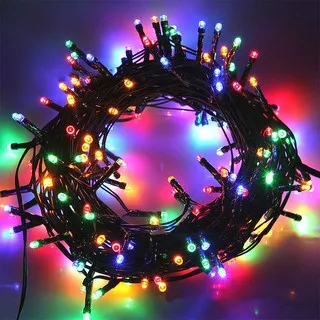
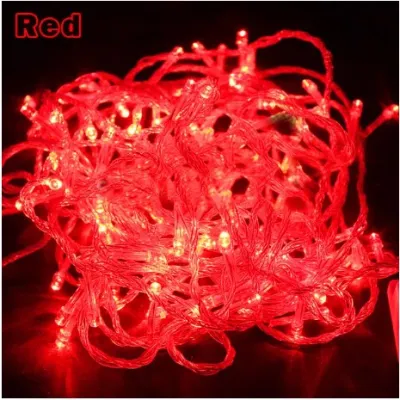
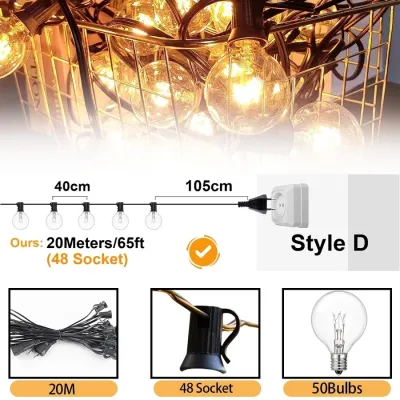
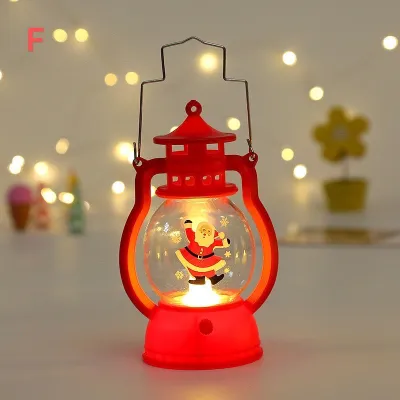
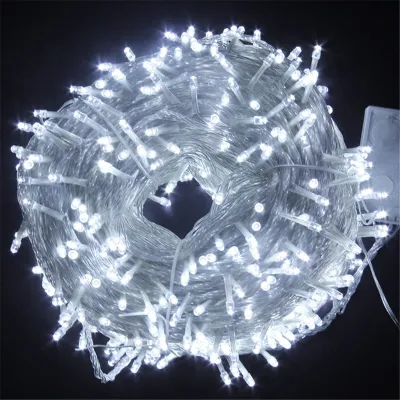
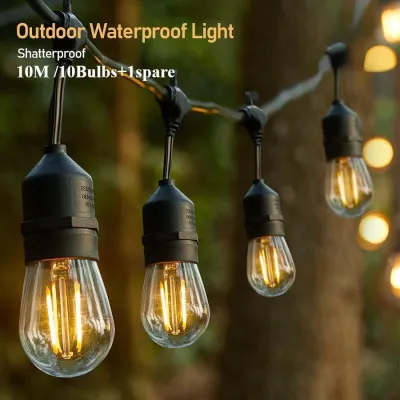
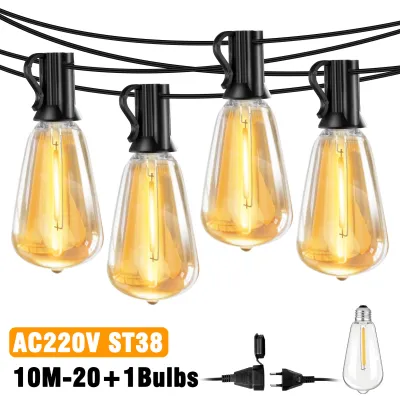
Prices are valid at publication and may change. Please refer to the product page for the latest price.
In contrast, modern LED neon flex consists of closely spaced light-emitting diode (LED) chips mounted on a flexible circuit board. This assembly is entirely encased within a thick, light-diffusing jacket made of high-grade silicone or polyvinyl chloride (PVC). Instead of individual points of light, the diffuser blends the output of the LED chips into a continuous, seamless, and uniform glow that mimics classic gas-discharge neon tubes.
This structural difference directly impacts how you can manipulate the lights. Traditional string lights are highly flexible for draping over tree branches, wrapping around stair railings, or hanging loosely along rooflines, but they cannot hold a rigid shape. LED neon flex can be bent laterally to outline crisp geometric designs, form custom letters, or create distinct wall-art shapes, though it has specific bending-radius limits that must be verified in the manufacturer’s manual.
It is also important to clarify that “neon” in this modern context refers strictly to LED neon flex, not traditional glass neon signs. Classic neon signs use fragile, hand-blown glass tubes filled with neon or argon gas and require high-voltage transformers. LED neon flex is entirely solid-state, runs on low voltage, and is virtually shatterproof, making it far safer and easier to handle for residential DIY projects.
Energy Savings and Long-Term Running Costs
Evaluating the financial impact of upgrading requires a look at energy consumption. LED technology inherently draws significantly less wattage than incandescent filaments to produce a comparable level of brightness. Because incandescent bulbs waste up to 90 percent of their energy as heat, they require much more electricity to run, which can noticeably inflate your monthly household utility bills.

To verify the potential savings in your own home, inspect the physical tags or molded plugs on your existing old christmas lights to find the total wattage rating. A single traditional string of 100 incandescent bulbs can easily draw 40 to 100 watts of power. Compare this directly with the packaging specifications of a comparable length of LED neon flex, which typically operates on a fraction of that power, often ranging from 5 to 12 watts per meter.
In the Philippines, where electricity rates are relatively high, these wattage differences quickly translate into real currency. During the extended holiday season—which often spans from September through January—decorative lights may run for six to eight hours every single night. By multiplying the wattage difference by your daily operating hours and local utility rates, you can calculate the monthly savings in PHP and determine how quickly you will break even on the initial purchase.
Furthermore, the operational lifespan of the light source plays a major role in long-term costs. Incandescent filaments are highly sensitive to physical vibrations, thermal stress, and voltage fluctuations, leading to frequent burnouts that require you to purchase replacement bulbs or entirely new strings every few seasons. The solid-state design of LEDs lasts significantly longer, drastically reducing replacement frequency and saving you money over time.
Safety, Heat Output, and Durability in Tropical Climates
Safety is a critical consideration when comparing these two lighting technologies, particularly in tropical environments. Because incandescent bulbs generate high temperatures, they pose a constant fire hazard when placed in close contact with dry artificial foliage, paper ornaments, curtains, or delicate fabrics. LED neon flex remains cool to the touch even after hours of continuous operation, virtually eliminating the risk of heat-induced combustion.
Our local climate also introduces high humidity, salt-laden air in coastal areas, and sudden heavy downpours. Before installing any decorative lighting in outdoor or semi-outdoor spaces like balconies, patios, or eaves, you must verify the product’s Ingress Protection (IP) rating. For outdoor exposure, look for a minimum rating of IP65 or IP67 on the packaging, and ensure that all low-voltage adapters, plugs, and controllers are housed in a fully waterproof enclosure or kept safely indoors.
Physical durability is another area where LED neon flex outperforms traditional glass bulbs. The fragile glass envelopes of old christmas lights are prone to shattering during installation, storage, or high winds, exposing live electrical components. LED neon flex is encased in impact-resistant, flexible silicone or PVC, which easily tolerates accidental drops, physical impacts, and the mechanical stresses of outdoor installation.
Before deciding to reuse your existing lights for another season, perform a strict electrical safety audit. Unplug the lights and inspect the entire length of the wire for brittle or cracked insulation, exposed copper strands, loose sockets, or signs of scorching around the plug. If you identify any of these defects, do not attempt a temporary repair; instead, isolate the power and replace the set immediately to protect your home from electrical fires or short circuits.
Visual Appeal and Design Flexibility
The visual outcome of your display is largely a matter of personal preference, but the two technologies offer distinctly different design possibilities. Traditional incandescent bulbs provide a warm, nostalgic, and slightly flickering glow that many associate with classic holiday memories. This soft, golden light creates a cozy, traditional ambiance that can be difficult to replicate perfectly with standard digital lighting.
On the other hand, LED neon flex delivers a modern, vibrant, and highly saturated color output that makes a bold visual statement. It is highly suited for contemporary design styles, architectural highlighting, and creating custom wall art or commercial-style signage. While traditional strings excel at wrapping organic shapes like tree trunks, LED neon flex is the superior choice for clean, continuous linear borders and sharp geometric patterns.
Color control and consistency are also major advantages of modern LED systems. Unlike traditional strings, which can suffer from uneven brightness or individual dead bulbs that darken entire sections, LED neon flex provides uniform light distribution across its entire length. Many modern LED neon products also feature advanced control options, allowing you to dim the light, change colors via remote control, or program dynamic chasing effects—features that must be verified on the product packaging before purchase.
To achieve a premium look with LED neon flex, you should use dedicated mounting accessories such as aluminum channels, rigid backing guides, or silicone mounting clips. These tools keep the lines perfectly straight and professional, preventing the sagging or drooping that can make a DIY installation look messy. Bare incandescent strings, by contrast, rely on sheer volume, layering, and strategic draping to create a lush, impactful visual effect.
The Verdict: When to Upgrade, Keep, or Wait
Deciding whether to upgrade immediately, keep your existing setup, or wait depends on several practical factors. You should upgrade immediately if your old christmas lights show any signs of physical degradation, such as frayed wires, cracked plastic sockets, or scorched plugs, or if they repeatedly trip your home’s circuit breakers. Upgrading is also highly recommended if you plan to run a large, high-density display for many hours a day, where the energy savings and heat reduction are most beneficial.
It is perfectly reasonable to keep your old incandescent lights if they are in pristine physical condition, pass a thorough safety inspection, and are used only for short, supervised intervals. If your holiday display relies heavily on a specific vintage, warm-toned aesthetic that modern LED neon cannot easily replicate, maintaining your existing, well-cared-for strings is a valid choice.
You should wait to upgrade if your current lights are fully functional and safe, but your budget does not yet allow for high-quality, certified LED neon flex and its proper mounting hardware. Avoid the temptation to buy ultra-cheap, unbranded LED alternatives from online marketplaces that lack official safety certifications, as these products often feature poor wiring and inadequate voltage protection.
If you choose to keep your existing lights, proper handling and storage are vital to prolonging their safe operating life. Avoid wrapping the wires tightly around sharp corners or your arm, which can damage the internal copper conductors and break delicate bulb filaments. Instead, coil them loosely around a sturdy cardboard spool and store them in a dry, sealed plastic container with silica gel packets to protect the metal sockets from tropical humidity and rust.
Frequently Asked Questions (FAQ)
Can I cut LED neon flex lights to fit specific shapes?
Yes, most LED neon flex lights can be cut to your desired length, but you must only make cuts at the designated intervals marked by the manufacturer. These cutting points are usually indicated by a small dotted line, copper pad, or scissor icon printed on the side or bottom of the silicone jacket. Cutting outside these specified zones will sever the internal electrical circuit, rendering that entire segment inoperable and voiding the product warranty. Always disconnect the power supply before cutting, and seal any exposed ends with outdoor-grade silicone sealant and compatible end caps to prevent moisture from entering the tube.
Will LED neon lights work with my old incandescent dimmers?
No, traditional wall dimmers designed for incandescent bulbs are generally incompatible with the electronic drivers used to power LED neon lights. Attempting to use an incompatible dimmer can result in severe flickering, loud buzzing noises, or permanent damage to both the LED driver and the light strip itself. Before attempting to dim your lights, check the product packaging or manufacturer specifications to confirm if the LED neon flex is labeled as dimmable. If it is dimmable, you must use a compatible low-voltage LED dimmer, a dedicated remote control, or an integrated smart controller provided by the manufacturer.
How do I safely store old Christmas lights if I choose not to upgrade?
To safely store traditional incandescent lights, avoid winding the wires tightly, as this puts mechanical stress on the copper strands and delicate filaments inside the bulbs. Instead, wrap the light strings loosely around a clean piece of heavy cardboard or a dedicated plastic storage spool. Place the spools inside a sturdy, airtight plastic bin to shield them from dust, pests, and physical impact. To combat the high humidity of tropical climates, place several moisture-absorbing silica gel packets inside the container before sealing it, which helps prevent the metal bulb sockets and plugs from developing rust and corrosion during the off-season.
Community discussion
Share your experience or ask a question. Comments are reviewed before publication.