
Choosing the right wattage and lumen output for a powerhouse flood light in your garden depends on your specific lighting goals—whether you are highlighting a small pocket garden, illuminating a wide driveway, or securing a large perimeter. Instead of relying on wattage, which only measures energy consumption, you must look at the actual lumen output and the physical dimensions of your outdoor space to avoid blinding glare or dim, ineffective coverage. In the tropical climate of the Philippines, where heavy rains and high humidity are constant, selecting the right fixture also requires balancing brightness with robust weatherproofing and electrical safety.
By understanding how these measurements translate to real-world performance, you can design an outdoor lighting scheme that enhances your home’s security and aesthetic appeal. Taking the time to calculate your needs prevents the common mistakes of over-illumination and unnecessary energy expenditures.
Understanding Lumens vs. Wattage for Outdoor Fixtures
To select the right outdoor lighting, you must first understand the distinction between energy consumption and actual light output. Wattage indicates how much electrical power a fixture draws from your home’s electrical system. Historically, when incandescent and halogen bulbs dominated the market, consumers used wattage as a shorthand for brightness because higher-wattage bulbs consistently produced more light.
Products mentioned in this guide
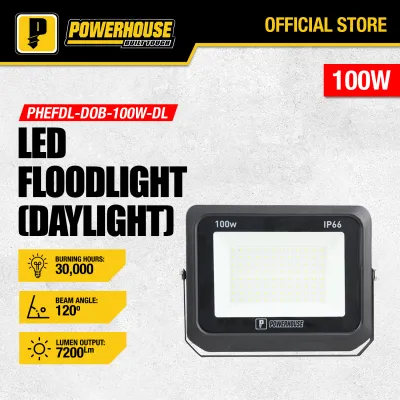
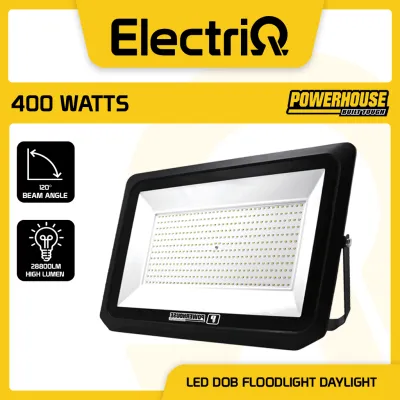
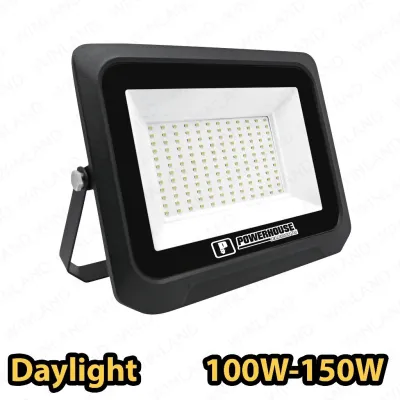
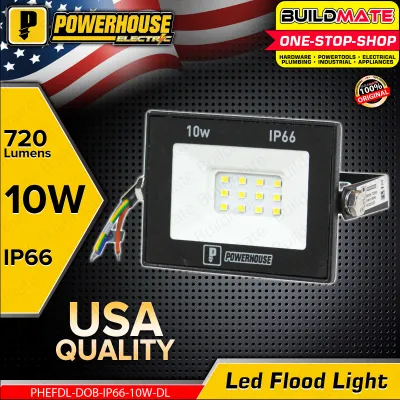
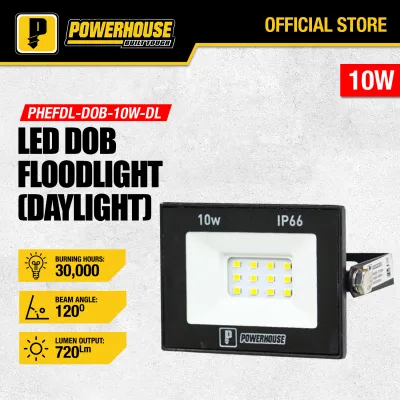
Prices are valid at publication and may change. Please refer to the product page for the latest price.
Modern lighting technology, particularly light-emitting diode (LED) systems, has decoupled power consumption from brightness. Lumens measure the total amount of visible light emitted by a source in all directions. This means a modern LED powerhouse flood light can produce the same volume of light as an older halogen fixture while drawing only a fraction of the electrical wattage.
This relationship is known as luminous efficacy, which is measured in lumens per watt. Different bulb technologies and manufacturers achieve varying levels of efficacy based on their internal components and thermal management systems. Because of these variations, relying solely on wattage to estimate brightness is no longer reliable.
When evaluating fixtures, always check the product packaging or the manufacturer’s official specification sheet for the rated lumen output. This rating gives you an accurate representation of the fixture’s true brightness. Comparing lumen ratings across different products ensures you select a light that meets your visibility requirements without overpaying for excess energy consumption.
Matching Lumen Output to Garden Size and Purpose
Selecting the appropriate lumen output requires a clear understanding of what you want to accomplish in each zone of your garden. Accent lighting for landscape features, such as highlighting a mature tree, a stone pathway, or a water feature, requires a softer touch. For these decorative applications, fixtures delivering 100 to 300 lumens are generally sufficient to create visual depth without washing out natural textures.

Task lighting for functional areas, such as outdoor kitchens, patio dining spaces, or active garden pathways, demands moderate, focused brightness. In these zones, aim for fixtures that provide 300 to 800 lumens. This level of illumination ensures safe foot traffic and clear visibility for evening tasks without creating an uncomfortably harsh environment.
For security, perimeter monitoring, or illuminating large open spaces like driveways and expansive lawns, you will need a true powerhouse flood light. These applications typically require 1,000 to 3,000 lumens or more, depending on the physical scale of the area. High-output lights help eliminate blind spots and ensure that security cameras can capture clear footage at night.
To determine the exact lumen range for your space, assess your garden’s physical square footage and the intended mounting height of the fixture. A flood light mounted high on an exterior wall or pole will distribute its light over a wider area, but the intensity of the light will decrease by the time it reaches the ground. Conversely, a lower mounting height concentrates the light in a smaller, brighter footprint.
Always consult lighting design guidelines or manufacturer-provided coverage calculators to estimate the light spread and intensity at various mounting heights. Additionally, adjust your expectations based on the existing ambient light in your neighborhood. If your property receives significant light spill from streetlamps or neighboring homes, you may need fewer lumens to achieve your desired contrast and visibility.
Preventing Over-Illumination and Light Trespass
Installing an excessively bright flood light can create more problems than it solves. High-intensity glare can temporarily blind homeowners and visitors, making it difficult for eyes to adjust when moving between lit and unlit areas of the yard. This extreme contrast can actually compromise security by creating deep, pitch-black shadows where intruders can easily remain unseen.
To prevent these issues, you must carefully consider the beam angle and physical shielding of your powerhouse flood light. A narrow beam angle concentrates light on a specific focal point, while a wide beam angle disperses light across a broader plane. Utilizing fixtures with adjustable hoods, shields, or louvers allows you to direct the light precisely where it is needed, keeping the beam focused downward and within your property boundaries.
Controlling the direction of your light is essential for preventing light trespass, which occurs when your outdoor illumination spills into neighboring properties or windows. Light trespass can cause sleep disruption for neighbors and negatively impact local nocturnal wildlife. Designing your lighting layout with directional control in mind fosters a more comfortable community environment.
Before purchasing and installing high-output fixtures, check your local municipal regulations or subdivision homeowner association (HOA) rules regarding outdoor light pollution. Many residential areas enforce specific guidelines concerning maximum allowable brightness, light spill, and evening curfews. Adhering to these rules prevents potential disputes and costly modifications down the road.
To maintain flexibility, consider choosing dimmable fixtures, motion sensors, or smart controls for your outdoor setup. These systems allow your powerhouse flood light to operate at a low, energy-saving ambient level during quiet hours, instantly switching to full brightness only when motion is detected. This dynamic control enhances security while minimizing overall light pollution.
Verifying Electrical Safety and Weather Resistance
Outdoor electrical installations require careful preparation to prevent hazards, especially in the tropical environment of the Philippines. High humidity, intense summer heat, and heavy monsoon rains can quickly degrade substandard electrical components. When selecting a powerhouse flood light, your first step must be verifying the fixture’s Ingress Protection (IP) rating on the product label.
For open garden spaces fully exposed to the elements, look for a minimum rating of IP65. This rating indicates that the fixture is completely dust-tight and protected against water jets from any direction. Using a fixture with an inadequate IP rating in an outdoor environment can lead to water intrusion, short circuits, and premature product failure.
Next, verify that your existing electrical circuit can support the voltage and load capacity of your chosen flood light. Standard residential voltage in the Philippines is 230V at a frequency of 60Hz. Ensure the fixture’s electrical specifications match this standard, and check that the circuit breaker has sufficient headroom to handle the additional load without tripping.
Because working with electrical wiring carries inherent risks of shock and fire, safety boundaries must be strictly respected. Any tasks involving fixed electrical wiring, high-altitude mounting, or structural modifications to your home’s exterior must be performed by a qualified professional electrician. Professional installation ensures compliance with the Philippine Electrical Code and guarantees that all conduits, junction boxes, and connections are properly sealed against moisture.
If you discover that your installation environment conflicts with the product’s specified operating conditions—such as extreme ambient heat exposure or lack of proper grounding—stop immediately. Consult the manufacturer’s technical support or a licensed professional to resolve the issue before proceeding with the installation.
Frequently Asked Questions (FAQ)
Upgrading from Halogen to LED Powerhouse Flood Lights
Upgrading your older halogen garden lights to modern LED powerhouse flood lights is a highly effective way to reduce your monthly electricity bills in ₱ while maintaining or improving your garden’s brightness. LEDs deliver equivalent or superior lumen output at a fraction of the wattage consumed by halogens. When choosing an LED replacement, do not look for a matching wattage; instead, find an LED fixture that matches or slightly exceeds the lumen output of your old halogen bulb. Additionally, always check the physical dimensions and mounting bracket compatibility of the new LED fixture, as they often differ in shape and size from traditional halogen housings, requiring adjustments to your existing mounting surfaces.
Cleaning and Maintaining Outdoor Flood Light Lenses
Regular maintenance is essential to preserve the brightness and efficiency of your outdoor flood lights, especially in dusty or humid environments. Before performing any cleaning, always isolate the power supply at the circuit breaker and allow the fixture to cool down completely to avoid thermal shock or electrical hazards. Use a soft, lint-free microfiber cloth and a mild mixture of soapy water to gently wipe away dirt, pollen, and insect debris from the lens. Avoid using abrasive scrubbing pads, harsh chemical solvents, or high-pressure washers, as these can scratch the lens surface or degrade the weather-resistant seals. Always refer to the manufacturer’s specific care instructions to ensure your cleaning methods do not void the product warranty or compromise its IP rating.
Community discussion
Share your experience or ask a question. Comments are reviewed before publication.