
Displaying cherished memories and art in a compact condominium or a small urban home often feels like a balancing act. Traditional wall mounting requires drilling holes—a practice frequently restricted by condo association rules or tenancy agreements. Utilizing a versatile frame stand offers an elegant, damage-free alternative, allowing you to showcase photos, art prints, and postcards on existing flat surfaces.
To make the most of limited square footage, your styling choices must be highly intentional. By selecting the right layouts, you can transform ordinary tabletops, shelves, and ledges into curated gallery spaces without making your rooms feel cramped. The key lies in understanding how to balance visual weight, maximize vertical dimensions, and secure your displays against daily foot traffic.
Assessing Your Space for Frame Stand Placements
Before arranging your frame stands, conduct a thorough walkthrough of your living space to identify stable surfaces. In compact layouts, every centimeter counts, making it essential to measure the depth of potential display areas. Console tables in narrow entryways, study desks, bookshelves, and even wide window sills are excellent candidates. However, window sills in tropical climates require caution; check that the surface is not exposed to direct rainwater or intense afternoon sun, which can warp wooden stands and fade printed photographs over time.
Products mentioned in this guide
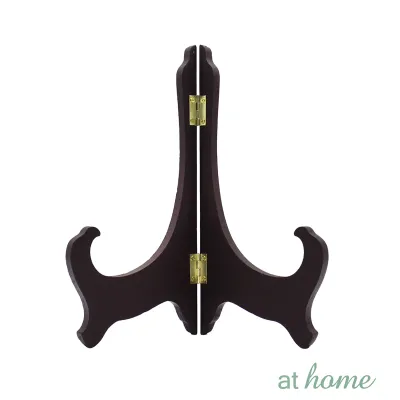
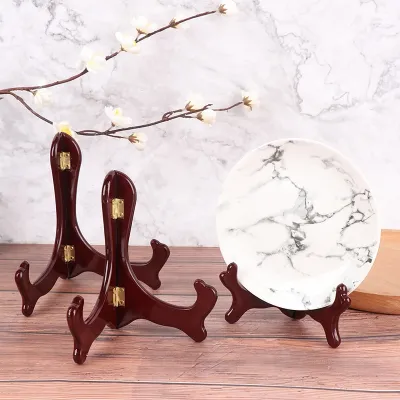
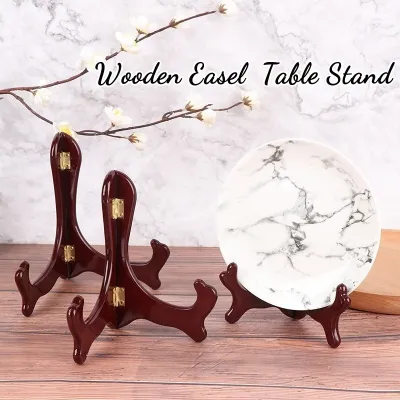
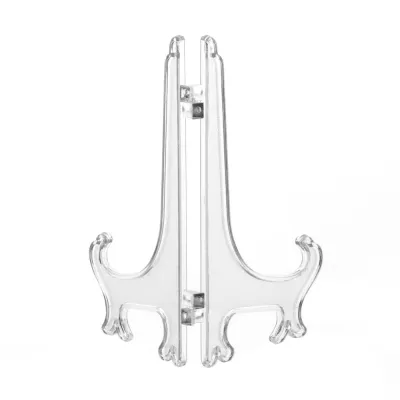
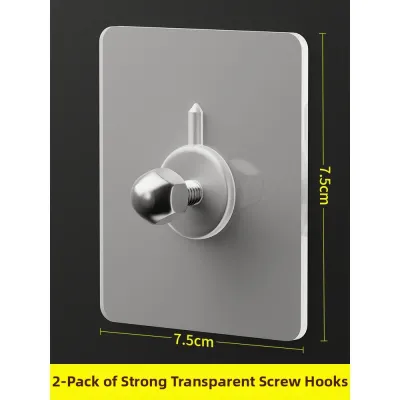

Prices are valid at publication and may change. Please refer to the product page for the latest price.
Look beyond obvious tabletops and seek out underutilized vertical corners or transitional zones. The empty space beside a television console, the top of a low shoe cabinet, or a small corner shelf in a dining nook can easily accommodate a frame stand. These areas naturally draw the eye, turning dead space into a focal point while keeping your main dining and coffee tables completely clear for daily use.
Safety and accessibility must guide your placement decisions. Open drawers, swinging cabinet doors, and high-traffic pathways present constant tipping hazards for unsecured decor. Ensure that any surface chosen for a frame stand has sufficient clearance so that passing family members or guests do not accidentally brush against the display. If a surface is prone to vibration—such as a shelf near a frequently slammed main door—it is highly recommended to reserve it for lower-profile, highly stable stands.
Space-Efficient Layout Strategies for Compact Rooms
When surface area is at a premium, standard side-by-side frame arrangements can quickly look cluttered and consume valuable space. Instead, employ a layering technique by overlapping frames of different sizes. Place your largest frame at the back to serve as an anchor, and position a medium or small frame slightly to the front and side, partially obscuring the background piece. This overlapping method creates a sense of depth and dimension while occupying a fraction of the horizontal footprint.

To keep a small room from feeling visually heavy, guide the viewer’s gaze upward by grouping stands of varying heights. Mixing a tall, vertical portrait frame with a shorter, horizontal landscape frame encourages vertical eye movement, which tricks the brain into perceiving more vertical space. You can achieve this height variation by using stands with built-in height adjustments or by elevating smaller stands on a neat stack of hardbound books.
Anchoring your displays in corners is another highly effective way to preserve open space. A corner cluster utilizes the natural boundaries of two intersecting walls, providing a cozy, structured backdrop for your frames. By keeping the center of your tables and countertops open, you maintain a clean line of sight across the room. This layout strategy ensures that your decor feels integrated into the architecture of the condo rather than scattered haphazardly across functional surfaces.
Choosing the Right Frame Stands for Small Areas
Selecting the appropriate frame stand requires a careful look at the relationship between the stand’s base footprint and the size of the frame it supports. A stand with an excessively wide or deep base will limit your placement options on narrow shelves. Conversely, a base that is too small or lightweight will fail to support a heavy frame, leading to instability. Always verify the manufacturer’s dimensions and weight recommendations to ensure a secure balance.
The material of your frame stand plays a significant role in the overall visual weight of a room. Clear acrylic stands are highly recommended for tight spaces because they are virtually invisible, allowing the focus to remain entirely on the artwork while keeping the surrounding area looking light and airy. Slender metal stands, such as those made of thin black iron or brass, offer a sleek, minimalist profile that complements modern interiors. If you prefer a warmer, tropical aesthetic, light wood stands made of pine or bamboo provide natural warmth without the visual heaviness of dark, bulky timber.
For maximum versatility, look for stands that feature adjustable angles or foldable designs. Foldable stands are incredibly easy to store when not in use and allow you to fine-tune the tilt of your frame to minimize glare from overhead lighting. This adjustability is particularly useful in small condos where light sources are often fixed and space must be reconfigured frequently for different activities.
Styling Tips to Avoid Visual Clutter
A common mistake in small-space decorating is displaying too many contrasting elements at once. To maintain a clean, cohesive look, limit the color palette of both your frames and their matting. Sticking to a unified color scheme—such as classic black, clean white, or natural wood tones—harmonizes the display and significantly reduces visual noise. This consistency allows different frame sizes and stand styles to sit together peacefully.
Embrace the concept of negative space by leaving intentional gaps between your frame clusters and adjacent decor. Not every empty surface needs to be filled; leaving open space around your frame stands gives the eyes a place to rest and prevents the room from feeling claustrophobic. Balance your frame arrangements with simple, low-profile items like a small potted succulent or a single candle.
Instead of continuously adding more stands to your surfaces when you acquire new photos or art, establish a seasonal rotation system. Store extra prints in an album and swap them into your existing frames every few months. This practice keeps your home decor feeling fresh and dynamic without contributing to physical clutter or overcrowding your limited living space.
Frequently Asked Questions (FAQ)
Can I use frame stands on narrow floating shelves?
Yes, you can use frame stands on narrow floating shelves, provided you take a few safety precautions. First, measure the shelf depth to ensure the stand’s base sits entirely on the flat surface without hanging over the edge. Because floating shelves are susceptible to vibrations from nearby doors or footsteps, it is highly recommended to apply non-slip silicone pads or a small amount of removable museum wax to the bottom of the stand to prevent sliding. Finally, always verify the weight capacity of your shelf hardware before loading it with multiple frames and stands.
How do I secure frame stands in high-traffic condo areas?
Securing your frame stands in busy areas is essential to prevent accidental damage. The most effective method is applying removable adhesive putty or clear gel pads to the underside of the stand’s base, which grips the tabletop securely without leaving a sticky residue or damaging the finish. Additionally, place your tallest or heaviest frame stands toward the back of console tables or media units, away from the immediate edge. Avoid placing any stands near high-traffic zones, such as right next to swinging doors, narrow hallways, or active seating areas where bags or elbows might easily knock them over.
Community discussion
Share your experience or ask a question. Comments are reviewed before publication.