
Solar-powered lights offer an energy-efficient, versatile, and highly effective way to transform a condo balcony into a cozy, inviting outdoor retreat. By capturing daytime sunlight and converting it into a warm evening glow, these fixtures eliminate the need for outdoor electrical outlets or complex wiring. However, achieving the perfect ambient setting on a high-rise balcony requires more than simply picking the first set of lights you find online. Because balconies present unique structural layouts, shading challenges, and exposure to harsh weather, selecting the right solar lighting system involves understanding how these fixtures operate in a confined, elevated environment.
To build a successful outdoor lighting setup, you must evaluate your balcony’s specific microclimate, understand the technical features that produce a relaxing atmosphere, and choose mounting methods that comply with building regulations. This guide provides a comprehensive framework to help you assess your space, compare the most reliable solar light types, and select durable fixtures that will withstand tropical conditions while delivering a beautiful, warm ambiance.
Assessing Your Condo Balcony for Solar Lighting
Before purchasing any solar lighting, you must evaluate how much direct sunlight your balcony actually receives. Solar panels require direct exposure to UV rays to charge their internal batteries efficiently. If your balcony is north-facing, heavily covered by an overhanging concrete slab, or shaded by neighboring high-rise towers, standard solar fixtures with integrated panels may struggle to charge. Observing the sun’s path across your balcony over the course of a full day will help you identify the exact spots that receive uninterrupted sunlight, which is where your solar panels must be positioned.
Products mentioned in this guide
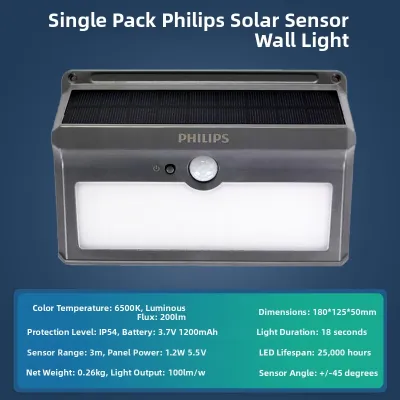
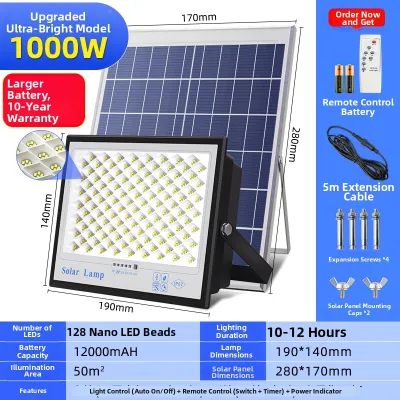
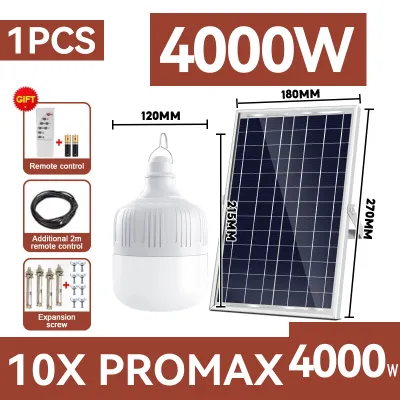
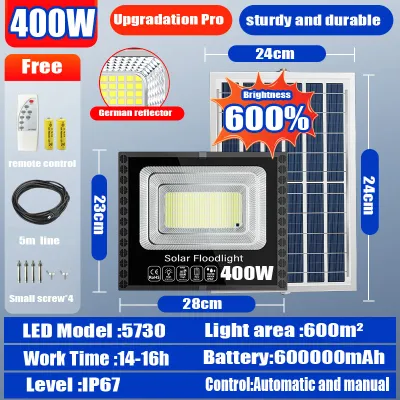
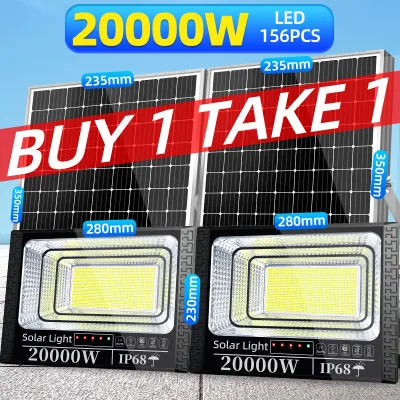
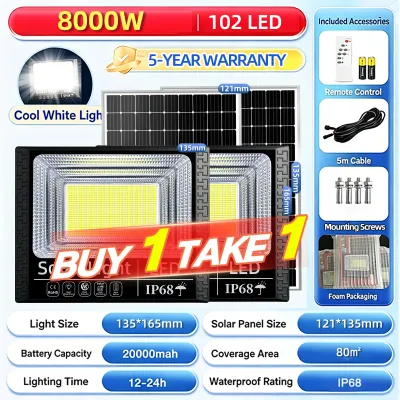
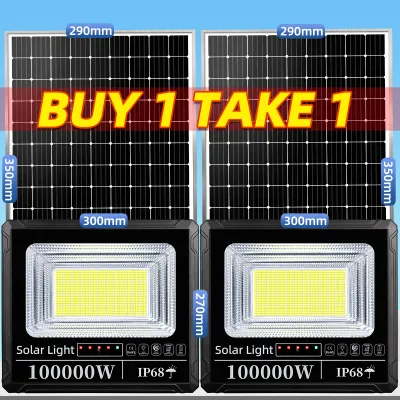
Prices are valid at publication and may change. Please refer to the product page for the latest price.
Space constraints and condo corporation rules are equally critical factors when planning your layout. Most condominium developments have strict homeowners association (HOA) guidelines regarding the building’s exterior appearance and structural modifications. Drilling holes into exterior walls or concrete ceilings is almost always prohibited to prevent structural damage and maintain waterproofing integrity. Additionally, hanging heavy items over railings poses a severe safety hazard in high-density residential areas. You must focus on non-destructive, temporary mounting solutions that keep all fixtures securely within the perimeter of your balcony.
Finally, elevated balconies are highly exposed to environmental elements, including intense tropical heat, high humidity, and driving rain. Wind speeds increase significantly on higher floors, meaning any light fixture you install must be heavy enough or securely fastened to prevent it from blowing away. Water resistance is non-negotiable; fixtures must be capable of enduring sudden downpours without short-circuiting. Assessing these environmental and regulatory factors beforehand ensures you select a lighting system that is both functional and compliant with your building’s safety standards.
Popular Types of Solar Ambient Lights
Selecting the right form factor for your solar lights depends on your balcony’s layout, your preferred decor style, and how you want to distribute light across the space. Solar lights generally fall into three main categories: flexible hanging options, freestanding floor or tabletop fixtures, and mounted perimeter lights. Each type serves a distinct design purpose and creates a different visual effect.

By combining different styles, you can create layers of light that make a small balcony feel larger and more dynamic. For instance, using a soft overhead light source in tandem with low-level floor lanterns prevents harsh shadows and establishes a balanced, relaxing environment. Understanding the strengths and limitations of each light type will help you design a cohesive layout tailored to your specific outdoor space.
String and Fairy Lights
String and fairy lights are highly popular for balcony decoration because they are incredibly flexible and can be draped, wrapped, or hung in various configurations. Draping these lights along the inside of your balcony railing or weaving them through artificial green walls or potted plants instantly softens the hard edges of concrete and metal. Because they distribute small points of light across a wide area, they create a whimsical, relaxed atmosphere that is perfect for lounging or entertaining.
One of the main challenges with solar string lights is positioning the solar panel so it receives enough sunlight while keeping the actual lights in your shaded seating area. To solve this, look for string lights that feature a separate solar panel connected by a long lead cable. This design allows you to mount the panel on the sunniest corner of your outer railing while running the decorative string of lights deep into the covered portion of your balcony.
Wind resistance is a major consideration for string lights installed on elevated balconies. Loose, dangling wires can easily whip around in strong winds, leading to tangled cords, broken bulbs, or damage to your plants. To secure string lights safely, use UV-resistant nylon zip ties or heavy-duty outdoor adhesive clips to fasten the wires tightly along the structural bars of your railing, ensuring there is minimal slack for the wind to catch.
Lanterns and Floor Lamps
Freestanding solar lanterns and floor lamps are excellent options for condo renters because they require absolutely no mounting, drilling, or permanent installation. These fixtures can be placed directly on balcony floors, side tables, or outdoor shelving units, allowing you to rearrange your lighting layout whenever you wish. They add visual weight and structural interest to the lower half of your balcony, grounding the space and making it feel more like an indoor living room.
Because high-rise balconies are prone to sudden, strong gusts of wind, stability is a primary concern for any freestanding fixture. Lightweight plastic lanterns can easily tip over or blow off tables, creating a safety hazard for those below. To mitigate this risk, choose lanterns with heavy metal, ceramic, or thick composite bases, or place lighter fixtures inside heavy decorative planters to anchor them securely.
To achieve a soft, ambient glow rather than a harsh glare, pay close attention to the shade material of your lanterns. Fixtures with frosted glass, woven synthetic rattan, or patterned metal cutouts are ideal because they diffuse the light source. These materials scatter the light gently across the balcony floor and walls, casting beautiful patterns and preventing the direct, piercing glare that can ruin a relaxing evening atmosphere.
Wall Sconces and Railing Lights
Mounted fixtures like wall sconces and railing lights are perfect for maximizing floor space on smaller balconies. These lights are designed to define the boundaries of your outdoor area, highlighting architectural features or illuminating walkways and seating zones. Railing lights, which clamp directly onto the top or sides of your balcony balustrades, point light downward to illuminate the floor safely without taking up valuable real estate.
Since drilling into condo walls is typically prohibited, you must look for fixtures designed with damage-free mounting mechanisms. Many modern solar railing lights feature adjustable screw clamps or heavy-duty bracket systems that grip the railing tightly without scratching the paint or damaging the metal. For wall-mounted sconces, high-bond, weather-resistant mounting tapes or removable outdoor adhesive hooks can provide a secure hold on smooth tiled or metal surfaces.
When installing mounted lights, it is crucial to manage the light spread and glare to avoid disturbing your neighbors. High-rise buildings put balconies in close proximity, and a bright, unshielded light shining directly outward can cause light pollution and neighbor disputes. Opt for “downlight” designs that direct their illumination downward toward your balcony floor, which keeps the light contained within your personal space while still providing excellent ambient visibility.
Key Features for Warm, Ambient Illumination
To create a relaxing, cozy sanctuary on your balcony, you must look past basic product descriptions and evaluate the technical specifications that govern light quality. The most critical factor in establishing ambiance is color temperature, which is measured on the Kelvin (K) scale. For a warm, candle-like glow, look for fixtures rated between 2200K and 2700K. Lights in the 3000K range provide a slightly crisper warm white, whereas anything above 4000K will emit a cool, blue-toned light that feels clinical and is poorly suited for relaxation.
Brightness, measured in lumens, is another key specification to consider. Unlike security floodlights that require thousands of lumens, ambient balcony lighting should be soft and low-intensity. A range of 10 to 50 lumens per fixture is generally sufficient to create a gentle glow without overpowering the space. Choosing solar lights that feature multi-mode settings or manual brightness controls gives you the flexibility to dim the lights for intimate dinners or brighten them slightly when reading.
Battery capacity and runtime are also vital, especially when dealing with tropical weather patterns. Solar light performance relies on rechargeable batteries—typically Nickel-Metal Hydride (NiMH) or Lithium-ion (Li-ion)—measured in milliampere-hours (mAh). In tropical regions like the Philippines, intense daytime sun can charge batteries quickly, but sudden afternoon cloud cover or monsoon rains can limit charging time. A fixture with a larger battery capacity (such as 1200mAh or higher) can store enough energy during sunny periods to keep the lights running consistently through overcast evenings.
Building Your Shortlist: What to Check Before Buying
When shopping for solar lights on online marketplaces or in local home improvement stores, using a structured checklist will help you filter out low-quality products that may fail after a few weeks of exposure.
- Verify the IP (Ingress Protection) Rating: The IP rating consists of two numbers; the first indicates protection against solids (like dust), and the second indicates protection against liquids. For an exposed balcony, look for a minimum rating of IP44, which protects against water splashes from any direction. If your balcony has no roof and is fully exposed to heavy tropical downpours, prioritize fixtures rated IP65 or IP67, which can withstand low-pressure water jets and temporary immersion.
- Check the Solar Panel Type: Solar panels are generally made of monocrystalline or polycrystalline silicon. Monocrystalline panels are darker, sleeker, and highly efficient, meaning they can generate more power in smaller spaces and perform better under partial shade or overcast skies. Polycrystalline panels are typically blue-speckled, less expensive, and less efficient, making them better suited only for balconies that receive constant, direct sunlight.
- Assess Battery Accessibility and Replaceability: Many budget-friendly solar lights are manufactured with sealed battery compartments. Once the pre-installed rechargeable battery degrades and can no longer hold a charge, the entire fixture must be thrown away. To ensure long-term usability, look for fixtures that feature accessible, screw-open battery compartments that allow you to easily swap out old rechargeable AA or AAA batteries for fresh ones.
- Evaluate the Price-to-Feature Ratio: In the local market, solar lights can range from budget options around ₱150 to premium, weather-sealed fixtures costing upwards of ₱2,500. While cheap lights are tempting, they often use thin plastics that degrade rapidly under intense UV exposure. Investing in mid-range fixtures (typically ₱800 to ₱1,500) that feature durable ABS plastic or rust-resistant metals, high IP ratings, and replaceable batteries will save you money over time by eliminating the need for frequent replacements.
Installation and Care for Longevity
Proper installation and regular maintenance are essential to maximize the lifespan and efficiency of your solar balcony lights. When positioning your solar panels, ensure they are angled directly toward the sun’s path and are completely free from obstructions. Even a small shadow cast by a potted plant leaf, a railing bar, or outdoor furniture across a portion of the panel can drastically reduce its charging efficiency, leaving your lights dim or non-functional by nightfall.
Routine cleaning is another simple yet overlooked maintenance task. Over time, outdoor solar panels accumulate a thin layer of dust, pollen, and salt residue from the air, which blocks sunlight from reaching the solar cells. Every few weeks, gently wipe the surface of the solar panel with a damp microfiber cloth and a mild, non-abrasive soap. Avoid using harsh chemical cleaners or abrasive scrubbing pads, as scratching the protective plastic or glass cover will permanently reduce the panel’s ability to absorb light.
Managing your batteries correctly will also extend the life of your fixtures. If you plan to travel or store your lights during extended periods of bad weather, turn the physical power switch to the “off” position to prevent the battery from draining completely, which can permanently damage its capacity. When the lights eventually begin to dim quickly after a sunny day, it is usually a sign that the rechargeable battery has reached the end of its life cycle and needs to be replaced with a fresh rechargeable cell of the same voltage and chemistry.
Finally, always prioritize safety during installation and maintenance. If your lighting setup involves complex wiring, mounting heavy fixtures at a significant height, or connecting to your condo’s main electrical grid, do not attempt to complete the work yourself. Always isolate the power source before handling any electrical components, and consult a qualified professional or licensed electrician to ensure the installation complies with local electrical and building safety codes.
Frequently Asked Questions (FAQ)
Do solar lights work on covered or shaded balconies?
Yes, solar lights can work on covered or shaded balconies, but their charging efficiency will be significantly reduced compared to fixtures placed in direct sunlight. Standard solar lights with integrated panels on top of the fixture will struggle to charge if they are kept permanently under a concrete balcony roof or behind thick privacy screens.
To overcome this limitation, you should look for solar light models that feature a split design. These systems connect the light fixture to a separate solar panel via a long, weather-resistant cable. This allows you to mount the solar panel on the outermost edge of your railing where it can capture direct sunlight, while the decorative lights remain safely under the covered seating area of your balcony.
How long do solar balcony lights typically last on a full charge?
On a full charge, high-quality solar balcony lights typically run for 6 to 10 hours. However, the exact runtime depends heavily on several variables, including the capacity of the internal battery (measured in mAh), the efficiency of the LED bulbs, and the brightness mode you select. Running lights on a flashing or dimmed setting will consume less power and extend the runtime.
In the Philippines, seasonal weather changes play a major role in daily performance. During the bright summer months, your solar panels will easily achieve a maximum charge, resulting in long runtimes through the night. Conversely, during the rainy season, persistent cloud cover and heavy afternoon downpours will limit the amount of solar energy captured, which often results in shorter runtimes or dimmer light output in the evening.
Can I leave solar lights outside during heavy rain or typhoons?
While high-quality solar lights with IP65 or IP67 ratings are designed to withstand regular rain showers and high humidity, they should not be left outside during extreme weather events like typhoons. Heavy monsoon rains can sometimes exceed the water-resistance limits of standard outdoor seals, leading to internal moisture buildup and electrical failure.
Furthermore, the extreme winds associated with typhoons present a severe safety hazard. Strong gusts can easily detach hanging string lights, blow over heavy floor lanterns, or rip mounted fixtures from their brackets, turning them into dangerous flying debris that can damage your property or injure people below. When a severe weather warning is issued, always detach your solar lights, bring them indoors, and store them safely until the storm passes.
Community discussion
Share your experience or ask a question. Comments are reviewed before publication.