
Selecting the right solar bulb for outdoor security lighting requires balancing energy efficiency with reliable performance. In tropical climates like the Philippines, where heavy downpours and high humidity are common, a standard decorative light will not suffice. To secure your property’s perimeter, you must look beyond basic aesthetic appeal and focus on technical specifications. A truly effective security setup relies on precise motion detection, adequate brightness to deter intruders, and robust weatherproofing to survive seasonal monsoons. Decoding these technical details on the product packaging ensures your outdoor spaces remain well-lit and secure throughout the night.
Decoding Brightness: Lumens and Beam Angles
When evaluating a solar bulb for security, ignore the wattage rating listed on the packaging. Wattage measures electrical power consumption, which is less relevant for energy-independent solar fixtures; instead, focus on lumens to determine actual light output. For security purposes, a higher lumen count ensures that pathways, gates, and dark corners are clearly illuminated, making it easier to identify movement or potential hazards.
The effectiveness of this brightness also depends on the beam angle, which dictates how the light spreads across your yard. A narrow beam angle concentrates light into a focused spotlight, ideal for highlighting a specific entry point or doorway. Conversely, a wide beam angle distributes light across a broader perimeter, covering expansive driveways or garden areas. Rather than relying on generic product titles like “ultra-bright,” always verify the manufacturer’s specified beam angle and lumen output to ensure the light spread matches your specific spatial layout.
Products mentioned in this guide
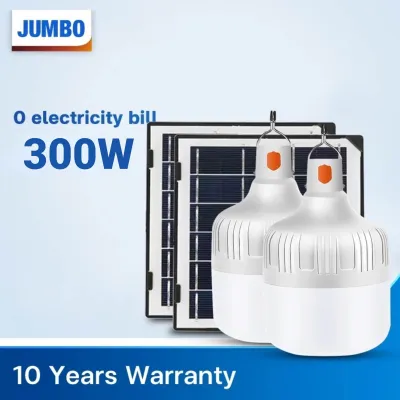
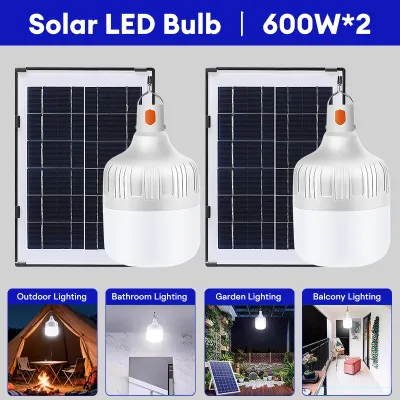
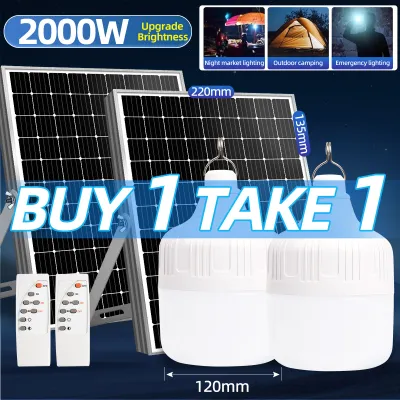
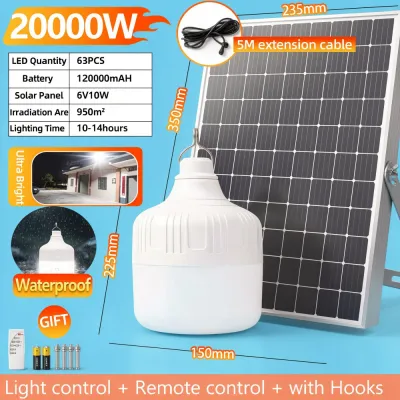
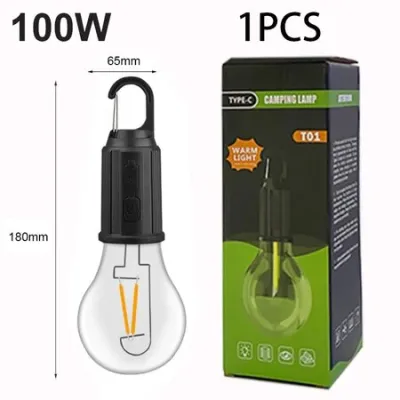
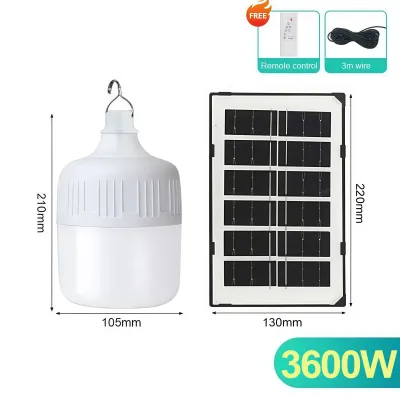
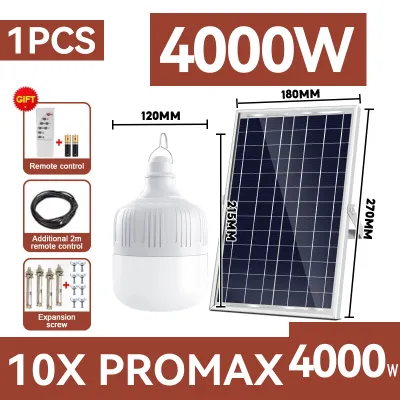
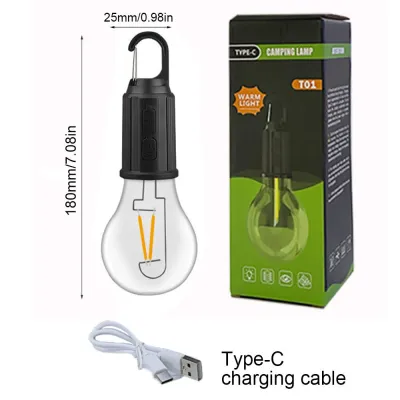
Prices are valid at publication and may change. Please refer to the product page for the latest price.
Motion Sensor Specifications: Range, Angles, and Modes
A security-focused solar bulb must detect movement reliably to act as an effective deterrent. The motion sensor’s performance is defined by its detection range and field of view, which determine how close an object must be before triggering the light. For expansive outdoor areas, look for sensors with a wider detection angle and a longer range to cover blind spots along your property line.

Different lighting modes also dictate how the bulb behaves during the night. Some models remain completely dark until they detect motion, conserving battery power for high-intensity bursts when triggered. Other systems maintain a continuous, low-intensity dim glow to provide ambient pathway lighting, switching to full brightness only when someone approaches. When choosing a bulb, check the product manual to verify if it features adjustable sensitivity to prevent false alarms from passing animals, customizable delay settings for how long the light stays on, and a daylight override sensor that prevents the bulb from activating during sunny hours.
Power Specs: Battery Capacity and Panel Efficiency
To maintain reliable security lighting through the night, a solar bulb must generate and store sufficient energy. The battery capacity, typically listed on the product label, must be large enough to support the bulb’s maximum lumen output during extended periods of activation. In tropical regions with frequent cloud cover, a mismatched battery and light output can leave your property in the dark before dawn.
The design of the solar panel also plays a critical role in power generation. Integrated solar panels, which are built directly onto the bulb fixture, offer a compact design but require the entire unit to be installed in direct sunlight. Separate, adjustable solar panels connect to the bulb via a cable, allowing you to mount the light fixture under a shaded eave or carport while placing the panel on a roof where it can track the sun. Always review the manufacturer’s estimated charging times and expected runtime under a full charge to ensure the system can recover quickly during typical daylight hours.
Durability Markings: IP Ratings and Material Limits
Outdoor security lights must withstand harsh environmental exposure, particularly the intense heat, high humidity, and heavy rainfall characteristic of tropical climates. To verify a solar bulb’s weather resilience, examine its Ingress Protection (IP) rating on the packaging. This two-digit code indicates the fixture’s resistance to solid particles like dust and liquids like driving rain. For exposed outdoor installations, a higher second digit is essential to prevent water from penetrating the housing and causing electrical short circuits.
Beyond water resistance, check the product label for the specified operating temperature range and housing materials. Look for UV-resistant plastics or corrosion-resistant metals that will not degrade, crack, or discolor under constant exposure to intense sunlight. Additionally, review the manufacturer’s warranty terms to confirm what types of weather-related damage are covered, ensuring your investment is protected against premature environmental wear.
Installation Variables: Mounting Height and Sun Exposure
Proper physical installation is key to maximizing both the solar charging efficiency and the accuracy of the motion sensor. The height at which you mount the solar bulb directly influences the sensor’s detection cone; mounting a fixture too high can create blind spots directly underneath, while mounting it too low restricts the overall detection range. Refer to the installation instructions to find the optimal height that balances coverage area with sensor sensitivity.
Positioning is equally critical for the solar panel, which must be placed in an area free from tree branches, roof overhangs, or competing artificial light sources like streetlights that might trick the daylight sensor. If you are integrating a solar bulb into an existing wired fixture, always ensure the main power supply is isolated before beginning work. For high-reach installations, complex mounting structures, or integration with existing electrical systems, consult a qualified professional to ensure a safe and secure setup.
Frequently Asked Questions (FAQ)
Can I use a standard indoor solar bulb for outdoor security?
No, standard indoor solar bulbs lack the necessary IP ratings required to withstand outdoor moisture, rain, and humidity. Using an indoor-rated bulb outside exposes the internal circuitry to water ingress, creating immediate electrical hazards and causing premature product failure. Additionally, indoor models rarely feature the robust motion sensors and high lumen outputs needed for effective security lighting.
How long do the batteries in outdoor solar security bulbs typically last?
The lifespan of the internal battery varies depending on the battery chemistry and daily usage patterns. Frequent deep discharge cycles, which occur when the light is triggered repeatedly throughout the night, can accelerate battery degradation. Check the manufacturer’s specifications for the expected battery lifespan and verify whether the battery is designed to be user-replaceable to avoid discarding the entire fixture when the battery degrades.
Do solar security bulbs work during extended rainy or cloudy periods?
Yes, but their performance may be reduced because cloudy skies limit the solar panel’s ability to fully charge the battery. This can result in shorter runtimes or dimmer light output during consecutive rainy days. To mitigate this, look for models that feature low-light energy-saving modes, adjustable sensitivity to reduce unnecessary triggers, or alternative backup charging options.
Community discussion
Share your experience or ask a question. Comments are reviewed before publication.