
Creating a vibrant, modern outdoor retreat on a high-rise condo balcony requires creative lighting solutions, especially when outdoor electrical outlets are unavailable. For residents seeking a bright, clean, and modern aesthetic, finding a reliable solar light fluorescent option is a practical way to illuminate the space without increasing the monthly electricity bill. While traditional fluorescent tubes are impractical for solar setups due to their high power demands and fragile glass construction, modern solar-powered LED tube lights offer an exceptional alternative. These fixtures utilize advanced light-emitting diodes housed inside specialized frosted diffusers to perfectly mimic the continuous, even glow of classic fluorescent lighting. By selecting the right solar-powered linear fixtures, you can transform a dark balcony into a bright, inviting oasis that is both energy-independent and highly functional for evening relaxation.
Clarifying "Solar Fluorescent" Technology for Outdoors
To make an informed purchase, it is essential to understand that true fluorescent technology is virtually non-existent in the solar lighting market. Traditional fluorescent lamps rely on low-pressure mercury-vapor gas to produce ultraviolet light, which then excites a phosphor coating inside the glass tube to create visible light. This process requires a high-voltage ballast to initiate and maintain the electrical arc, a system that is highly inefficient and incompatible with the low-voltage direct current (DC) power generated by small solar panels and stored in compact batteries. Instead, modern products marketed under the “solar fluorescent” label are actually linear LED tube lights. These fixtures use rows of highly efficient light-emitting diodes covered by a curved, semi-opaque, or frosted polycarbonate diffuser. This design scatters the individual points of LED light into a single, seamless band of illumination, successfully replicating the clean, linear aesthetic of a traditional fluorescent tube without the high energy consumption or fragile glass.
When selecting these linear LED fixtures for a condo balcony, verifying the Ingress Protection (IP) rating is a critical step to ensure long-term safety and durability. Balconies are exposed to wind, driving rain, high humidity, and airborne dust, all of which can easily penetrate poorly sealed electronics. For tropical climates characterized by heavy seasonal downpours and intense humidity, look for fixtures with a minimum rating of IP65. The first digit, 6, indicates that the housing is completely dust-tight, preventing fine urban soot from entering the casing. The second digit, 5, certifies that the light can withstand water jets sprayed from any angle, ensuring the fixture remains safe and operational even during severe tropical storms. Avoid indoor-rated LED tubes or low-quality decorative lights with ratings below IP44, as moisture ingress will quickly cause short circuits, corrosion of the internal wiring, and premature battery failure.
Products mentioned in this guide
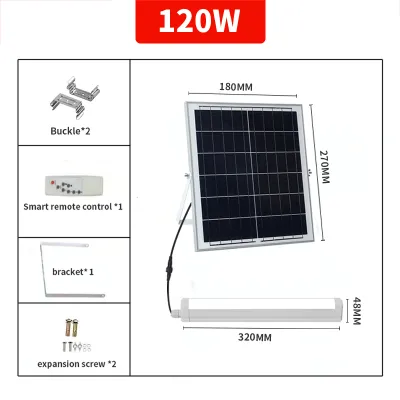
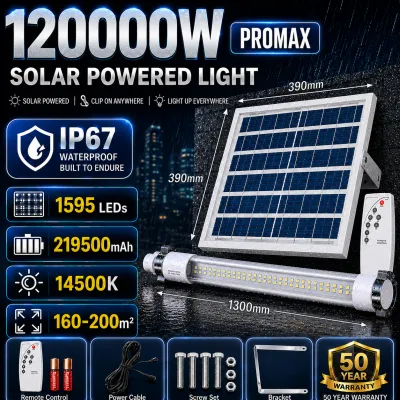
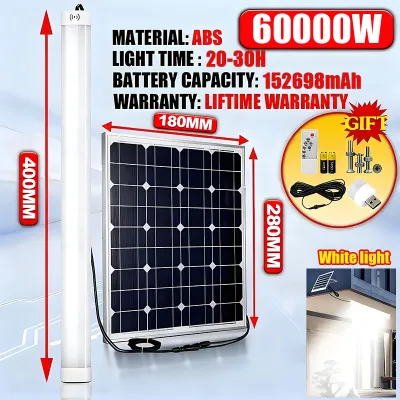
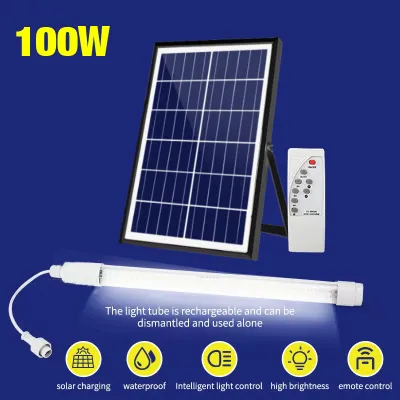
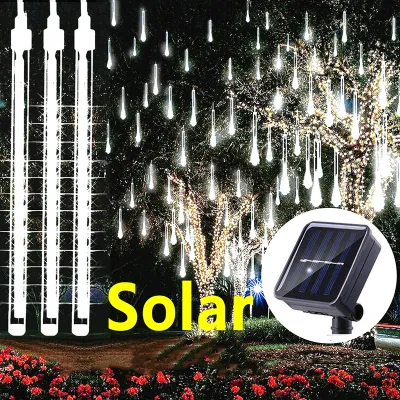
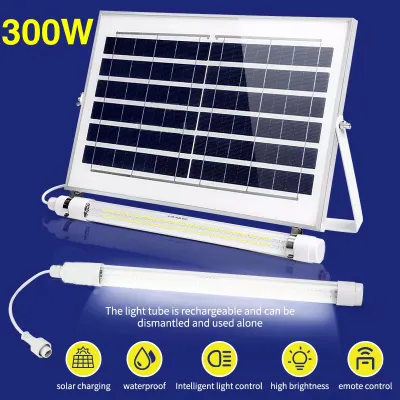
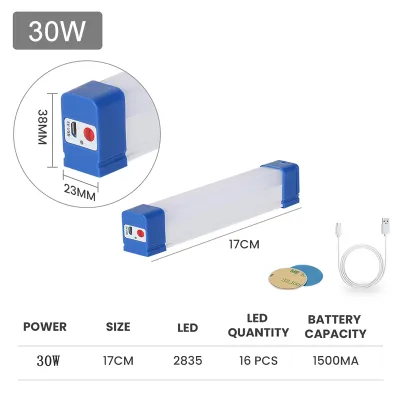
Prices are valid at publication and may change. Please refer to the product page for the latest price.
Another key technical specification to verify is the color temperature, which is measured in Kelvin (K). To achieve the bright, crisp ambiance associated with traditional fluorescent lighting, look for fixtures specified as “cool white” (typically 4000K to 5000K) or “daylight” (6000K to 6500K). Cool-toned lighting provides high visual clarity and a clean, modern aesthetic that contrasts beautifully with the warm, ambient glow of interior condo lights. This color temperature is highly effective for task-oriented balcony activities, such as reading, tending to container gardens, or enjoying a late-night meal. However, because color perception is highly subjective, it is important to review the manufacturer’s specifications carefully, as some “cool” lights can lean slightly blue, which may feel sterile if not properly balanced with the surrounding balcony decor.
Essential Selection Criteria for Condo Balconies
Condo balconies present unique spatial and environmental challenges that differ significantly from open suburban backyards. The most critical constraint is the availability of direct sunlight, which is heavily restricted by overhead concrete slabs, neighboring high-rise buildings, and the specific orientation of your balcony. For instance, a north-facing balcony or one deeply recessed under a wide overhang may receive only a few hours of direct sunlight daily. To maximize solar energy collection under these conditions, prioritize fixtures equipped with monocrystalline solar panels. Monocrystalline panels are made from high-grade silicon and are significantly more efficient at converting light into electricity than cheaper polycrystalline alternatives, especially in low-light or overcast conditions. Additionally, look for systems that feature a detachable solar panel connected to the light fixture by a long, weather-resistant cable. This allows you to mount the light tube deep within the shaded portion of your balcony while positioning the solar panel at the very edge of the railing where it can capture the maximum amount of direct sunlight.

Battery capacity and physical dimensions are equally important factors to evaluate before making a purchase. The battery acts as the heart of your solar lighting system, storing the energy collected during the day to power the LEDs throughout the night. Look for fixtures utilizing lithium iron phosphate (LiFePO4) or high-capacity lithium-ion batteries, which offer superior thermal stability in hot tropical climates and support a higher number of charge-discharge cycles compared to older nickel-metal hydride (NiMH) batteries. Check the battery capacity, measured in milliampere-hours (mAh), and compare it to the fixture’s rated wattage and expected runtime. A reliable balcony light should provide at least six to eight hours of continuous illumination on a full charge. Simultaneously, measure your balcony’s wall or ceiling space to ensure the physical dimensions of the linear light tube do not overwhelm the area or interfere with doors, windows, or outdoor furniture.
Before installing any outdoor fixture, you must verify its electrical safety certifications and ensure the mounting mechanism complies with your condominium’s house rules. Most condo corporations and property management offices (PMOs) enforce strict guidelines prohibiting residents from drilling holes into exterior walls, structural concrete columns, or balcony ceilings, as this can compromise the building’s waterproofing membranes and structural integrity. To avoid costly penalties or damage to the property, look for lightweight solar LED tubes that support non-destructive mounting methods. Fixtures designed with integrated hanging loops, magnetic backings, or heavy-duty clamp brackets are ideal, as they can be securely attached to metal balcony railings or existing utility pipes using weather-resistant zip ties or specialized outdoor mounting tape. Always verify that the product carries recognized safety certifications, such as the CE mark, RoHS compliance, or local quality assurance seals, indicating that the electrical components have been thoroughly tested for safe outdoor operation.
Planning the Lighting Layout and Safe Installation
Achieving a balanced and visually appealing balcony layout requires careful planning of both the light fixture and the solar panel. Start by mapping out the solar panel’s position to ensure it receives uninterrupted sunlight during peak hours, typically between 10:00 AM and 2:00 PM. If your balcony is south- or west-facing, you will have a distinct advantage in solar collection, but you must still position the panel away from the shadows cast by air conditioning condenser units, laundry racks, or large potted plants. For deeply shaded balconies, utilizing a detachable panel with an extension cable of at least three to five meters is highly recommended. This setup allows you to run the cable discreetly along the underside of the railing or ceiling joists, keeping the wiring neat and protected from tripping hazards while placing the panel in the optimal sun-exposed position.
When positioning the linear LED tube itself, aim to create an even, diffuse glow that enhances the balcony’s ambiance without causing discomfort. Direct, unshielded cool-toned light can create harsh shadows and intense glare, which detracts from a relaxing atmosphere. To prevent this, consider mounting the light fixture facing inward or utilizing indirect lighting techniques. For example, placing the linear tube behind a planter box, underneath a bench, or high up along the inner wall facing the building facade allows the light to bounce off the surfaces, creating a soft, reflected glow that illuminates the entire balcony evenly. Furthermore, be mindful of light trespass, which occurs when your outdoor lights spill over into neighboring units or common areas. In high-density condo buildings, bright, cool-toned lights shining directly into a neighbor’s bedroom window can quickly lead to complaints. Adjusting the angle of your fixtures downward and keeping them below the height of the balcony railing will help contain the light within your personal space.
Safety must remain your top priority during the installation process, particularly when working near high balcony edges or railings. Never attempt to install fixtures or route cables by leaning over the balcony railing, and avoid working on ladders during windy or rainy weather. Ensure that all mounted components, especially the solar panel and the light tube, are securely fastened to withstand strong gusts of wind that are common at higher floor levels. If you are installing a heavier fixture, or if your condo rules require connection to an existing outdoor junction box, always isolate the main power supply before touching any wiring and strictly follow the manufacturer’s installation instructions. For complex setups, suspended heavy loads, or any modifications to the building’s electrical system, do not hesitate to consult a qualified professional or a licensed electrician to ensure full compliance with local building codes and safety standards.
Routine Maintenance and Performance Checks
To keep your solar balcony lights operating at peak efficiency and extend their overall lifespan, establishing a simple routine maintenance schedule is essential. Over time, solar panels accumulate a fine layer of dust, urban soot, pollen, and water spots, which acts as a barrier to sunlight. In dense metropolitan areas, this buildup can reduce the panel’s charging efficiency by up to thirty percent in just a few months. To prevent this, gently wipe the solar panel surface with a soft, damp microfiber cloth at least once a month. Avoid using abrasive scrubbing pads, harsh chemical detergents, or dry cloths, as these can scratch the protective glass or plastic coating, permanently reducing light transmission.
In addition to cleaning, regularly monitor the system’s performance to identify early signs of battery degradation. If you notice that the light remains illuminated for only an hour or two after a full day of sunlight, or if the brightness has significantly decreased, the battery may be reaching the end of its useful life. Most rechargeable lithium batteries in solar fixtures last between two to four years, depending on usage and environmental temperatures. Check the manufacturer’s manual to see if the battery is user-replaceable. Many high-quality solar lights feature an easily accessible battery compartment secured by screws, allowing you to swap out the old cell for a fresh one of the same voltage and capacity.
While basic cleaning and battery replacement are straightforward DIY tasks, some issues require professional attention. If you observe melted plastic, scorched wiring, water pooling inside the light diffuser, or if the light fails to turn on even after replacing the battery and cleaning the panel, immediately discontinue use. Do not attempt to dismantle the sealed electronic housing or modify the internal circuitry yourself, as this can compromise the fixture’s waterproofing and create a safety hazard. Instead, consult the manufacturer’s customer support team or contact a qualified technician to determine if the unit can be safely repaired or if a replacement is necessary.
Frequently Asked Questions (FAQ)
Can solar lights charge effectively on a shaded condo balcony?
Yes, solar lights can still charge on a shaded balcony, though their efficiency will be significantly reduced compared to direct sunlight. In shaded environments, solar panels rely on ambient, indirect sunlight to generate electricity. This indirect light will still charge the battery, but the process is much slower, often resulting in shorter runtimes and dimmer light output in the evening. To overcome this limitation, it is highly recommended to choose solar light systems that feature a detachable solar panel. By using a model with a separate panel and a long extension cable, you can place the light fixture inside the shaded balcony area while mounting the solar panel on the outermost edge of the railing or in a specific corner that receives the most daylight, maximizing the system’s daily energy intake.
Are cool-toned solar lights too harsh for balcony ambiance?
Cool-toned solar lights, which typically range from 5000K to 6500K, can feel somewhat intense or clinical if they are installed as direct, unshielded light sources. However, they do not have to be harsh; when positioned correctly, they provide a clean, modern, and highly functional glow that mimics natural daylight. To soften the visual impact and create a more inviting ambiance, you can use indirect lighting techniques, such as mounting the linear tube behind outdoor furniture, under railings, or facing the wall to bounce the light. Additionally, choosing fixtures with thick, frosted diffusers helps scatter the light evenly, reducing glare. You can also balance the cool-toned primary light by pairing it with warmer, low-intensity accent lights, such as solar candle lanterns or warm-white string lights, to create a layered and visually rich balcony environment.
Community discussion
Share your experience or ask a question. Comments are reviewed before publication.