
Transforming a compact condo balcony into a cozy evening retreat relies on choosing lighting that maximizes vertical and perimeter space without cluttering the floor. Solar LED lights offer an excellent, wire-free way to build ambiance, but success in a high-rise setting depends on selecting low-profile fixtures that match your balcony’s specific layout and daily sun exposure. Micro-LED string lights, clip-on railing fixtures, and adhesive wall sconces provide a practical balance of warm illumination and space efficiency. By focusing on lightweight, non-permanent options, you can create an inviting outdoor sanctuary while fully complying with building regulations.
Assessing Space and Sunlight Constraints on Your Balcony
Before purchasing any outdoor lighting, you must carefully evaluate the physical boundaries and structural rules of your condominium. Begin by measuring the usable floor area, railing dimensions, and available wall surfaces to ensure your planned setup leaves walkways completely unobstructed. High-rise balconies often have strict weight limits and safety regulations, meaning every decorative addition must be secure and lightweight.
Next, review your condominium association’s guidelines regarding exterior modifications. Many properties strictly prohibit drilling into exterior walls, painting structural elements, or hanging items that extend past the railing line. Identifying these restrictions early helps you filter out permanent fixtures in favor of temporary, damage-free mounting solutions.
Products mentioned in this guide
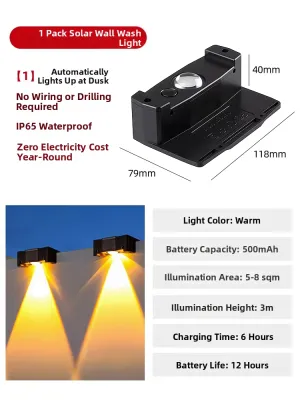
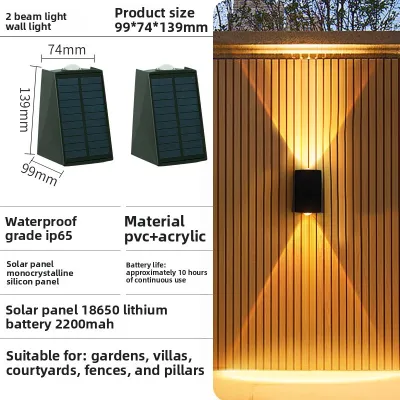
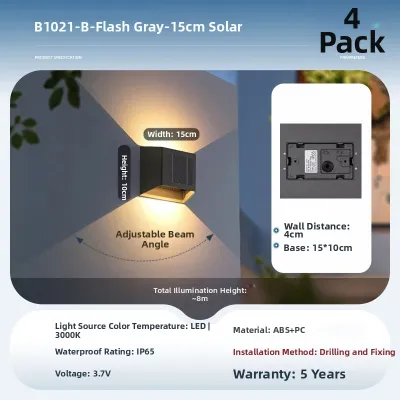
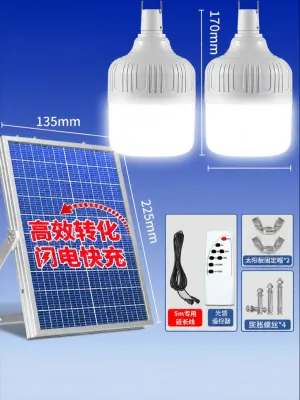
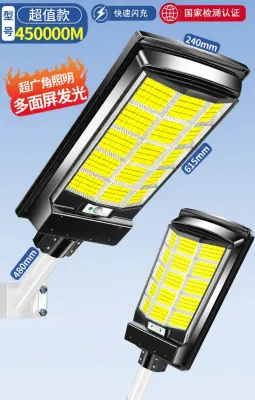
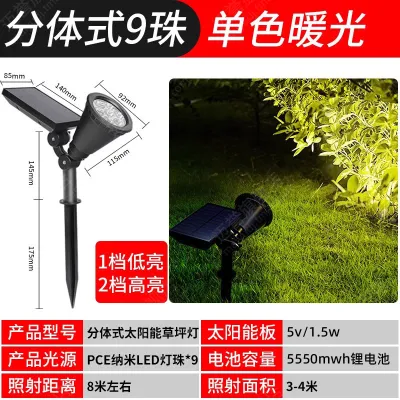
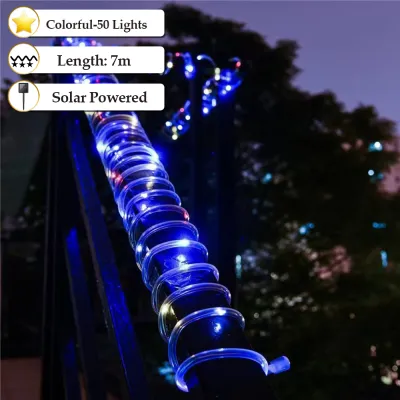
Prices are valid at publication and may change. Please refer to the product page for the latest price.
Finally, track the daily sunlight patterns on your balcony over the course of a weekend. Because solar fixtures rely entirely on sunlight to charge, you need to know exactly how many hours of direct exposure your space receives. Note whether overhead concrete slabs, neighboring towers, or nearby trees cast shadows over your balcony during peak daylight hours, as this determines the type of solar panel configuration you will need.
Space-Saving Solar LED Light Styles for Compact Balconies
When floor space is at a premium, vertical and perimeter lighting styles are excellent options for creating a warm, layered atmosphere. Railing and clip-on solar lights are highly effective because they attach directly to existing structures, keeping the floor completely clear. Before buying, verify your railing’s thickness and check the manufacturer’s specified clip weight limits to ensure a secure, stable fit.

Wall-mounted solar sconces offer an elegant way to wash your balcony walls with soft, indirect light, making the entire space feel larger. Since drilling is rarely permitted in condo units, look for lightweight sconces designed for no-drill installation, which can be mounted using heavy-duty, weather-resistant outdoor adhesive strips.
String and fairy lights remain a favorite for their versatility and whimsical charm. You can drape them along the railing or weave them through overhead structures to create a canopy effect. To prevent sagging and reduce wind resistance, select lightweight micro-LED options with thin, flexible copper or silver wire rather than heavy, commercial-grade rubber cables.
If you have an empty corner, a compact floor lantern can add a grounding element to your lighting design. Choose low-profile, flat-bottomed lanterns that sit flush against the floor to minimize tripping hazards in tight walkways. Avoid traditional solar stake lights entirely unless you have deep, heavy planter boxes filled with dense soil to hold them securely in place.
Choosing the Right Solar Panel Setup for Your Sun Exposure
The reliability of your balcony lighting depends heavily on matching the solar panel configuration to your specific sun exposure. Integrated solar panels, where the photovoltaic cell is built directly into the top of the light fixture, are highly convenient and visually clean. These work well on open, south-facing balconies that receive several hours of direct, unobstructed sunlight daily. When choosing these fixtures, check the angle of the panel to ensure it can capture light effectively from its mounted position.
If your balcony is covered, shaded by adjacent buildings, or north-facing, integrated panels may not receive enough light to charge fully. In these environments, a split-panel solar system is a practical alternative. These systems feature a separate solar panel connected to the light fixture by a thin, weather-resistant cable, allowing you to mount the lights in the shade while placing the charging panel in the sunniest spot on your railing.
Regardless of the style you choose, always review the manufacturer’s product label for battery capacity, expected run-time, and charging requirements. Look for fixtures that specify their performance under partial sunlight to ensure they can still provide adequate illumination during overcast days or rainy seasons.
Safe, No-Drill Installation and Maintenance Boundaries
Installing outdoor fixtures on a high-rise balcony requires a strong focus on safety and property preservation. To avoid damaging exterior walls or violating condo rules, utilize non-damaging mounting methods such as heavy-duty, UV-resistant outdoor adhesive strips, adjustable tension rods, or heavy-duty zip ties. These temporary fasteners allow you to secure your lights firmly without leaving permanent marks or structural damage.
High-rise balconies are frequently exposed to strong winds, especially during tropical storms and seasonal monsoons. Lightweight fixtures must be anchored securely to prevent them from becoming airborne hazards that could fall to lower floors or common areas. Double-check all zip ties and adhesive bonds periodically to ensure they remain strong and have not degraded from sun exposure.
Routine maintenance is essential to keep your solar lights functioning efficiently in humid, tropical climates. Wipe the solar panels regularly with a damp, soft cloth to remove dust, salt spray, or soot that can block sunlight and reduce charging efficiency. Additionally, check the product’s IP (Ingress Protection) rating label to verify its water resistance, and inspect the seals periodically for any signs of water ingress or moisture buildup.
If your desired lighting setup requires structural modifications, heavy mounting brackets, or connection to fixed electrical wiring, stop the installation immediately. Always consult your property management office or hire a qualified professional to ensure all work complies with local building codes and safety standards.
Frequently Asked Questions (FAQ)
Do solar LED lights work on shaded or covered balconies?
Yes, solar LED lights can work on shaded or covered balconies if you use a split-panel system. This setup allows you to position the light fixtures under your balcony cover while placing the detached solar panel on the outer edge of the railing where it can capture direct sunlight. If direct sunlight is extremely limited, you may need to verify if the battery can be removed and charged via a USB port, or opt for low-wattage rechargeable fixtures instead.
How do I prevent solar string lights from blowing away in high-rise winds?
To secure solar string lights against strong high-rise winds, wrap them tightly around solid structural elements like railing bars and secure them at regular intervals using UV-resistant zip ties. Avoid leaving long, loose loops of wire that can catch the wind and create tension on the connections. For wall-mounted components or solar panels, use heavy-duty, weather-resistant mounting clips or outdoor-rated hook-and-loop fasteners designed to withstand high shear forces.
Community discussion
Share your experience or ask a question. Comments are reviewed before publication.